Hardware
100 stories in this blend
 Superintelligence·2h ago
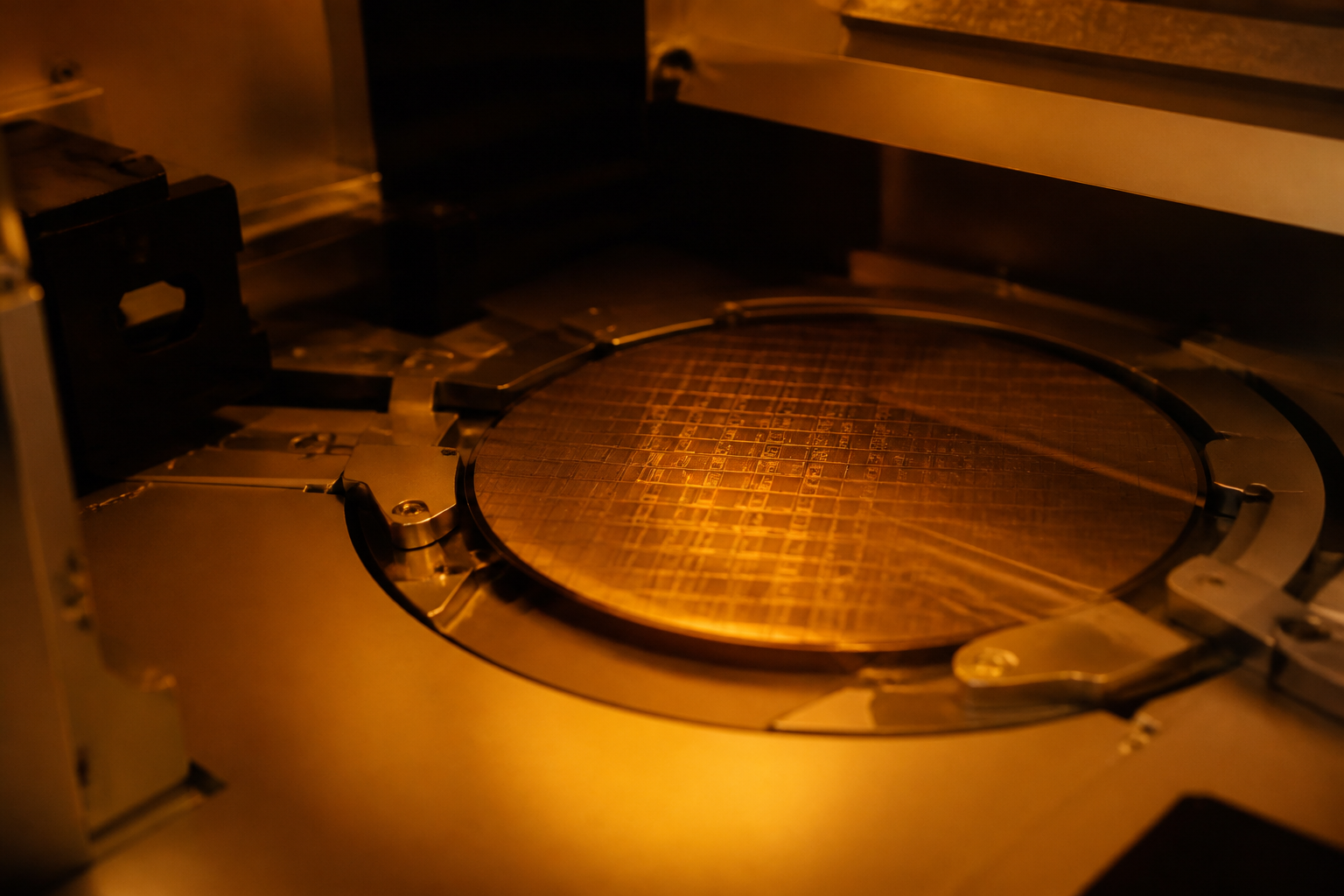
Trade restrictions prevent Chinese chipmakers from securing ASML lithography gear
Western export controls have blocked Chinese semiconductor manufacturers from purchasing extreme ultraviolet lithography machinery from Dutch manufacturer ASML. Consequently, domestic producers are forced to rely on older deep ultraviolet equipment and complicated multipatterning workflows to fabricate advanced processors.
 Superhuman·5h ago
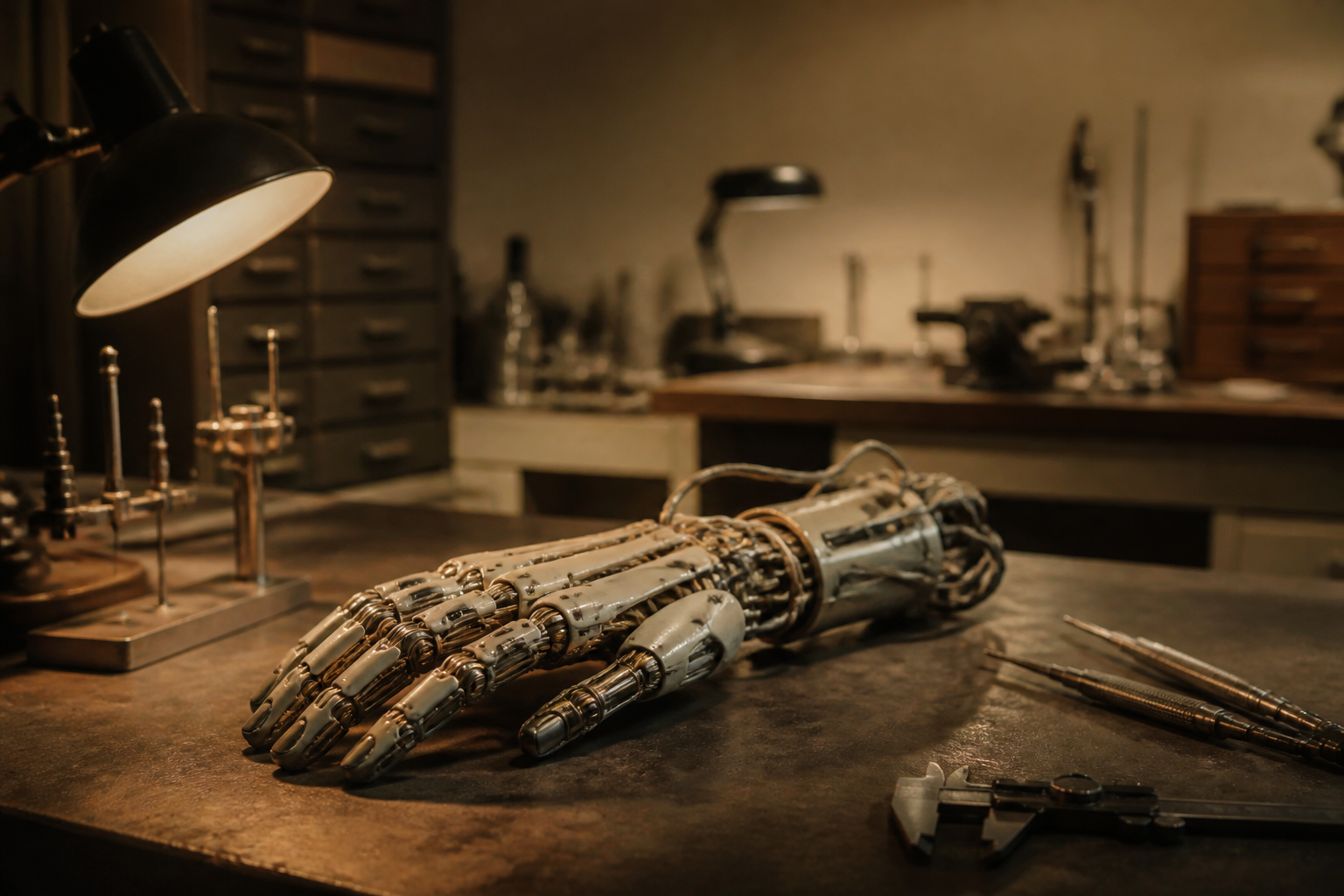
Synthetic Hand Demo Shows Advanced Teleoperated Manipulation Capabilities
Clone Robotics demonstrated a five fingered robotic hand operated via remote control. The company is preparing to release a two armed stationary torso platform for industrial testing later this year.
 Superhuman·5h ago
Thermomix TM7
Thermomix TM7 is an automated countertop kitchen device designed for home cooks and food prep. It handles tasks like weighing, blending, steaming, and ordering ingredients through an integrated touchscreen interface.
 Superhuman·5h ago
Robotic Hand Demonstrates Delicate Silk Embroidery Techniques
AGILINK revealed a robotic hand capable of separating fine silk threads and executing complex stitches. The device uses active degrees of freedom and adaptive learning to adjust its grip and movement in real time.
 Superhuman·5h ago
Robotic Hand Performs Complex Magic Tricks With High Precision
Chinese startup LinkerBot released video footage of its articulated hand performing card and coin tricks. The company plans to apply the hand's precise motor control to electronics and automotive manufacturing.
 There's An AI For That·21h ago
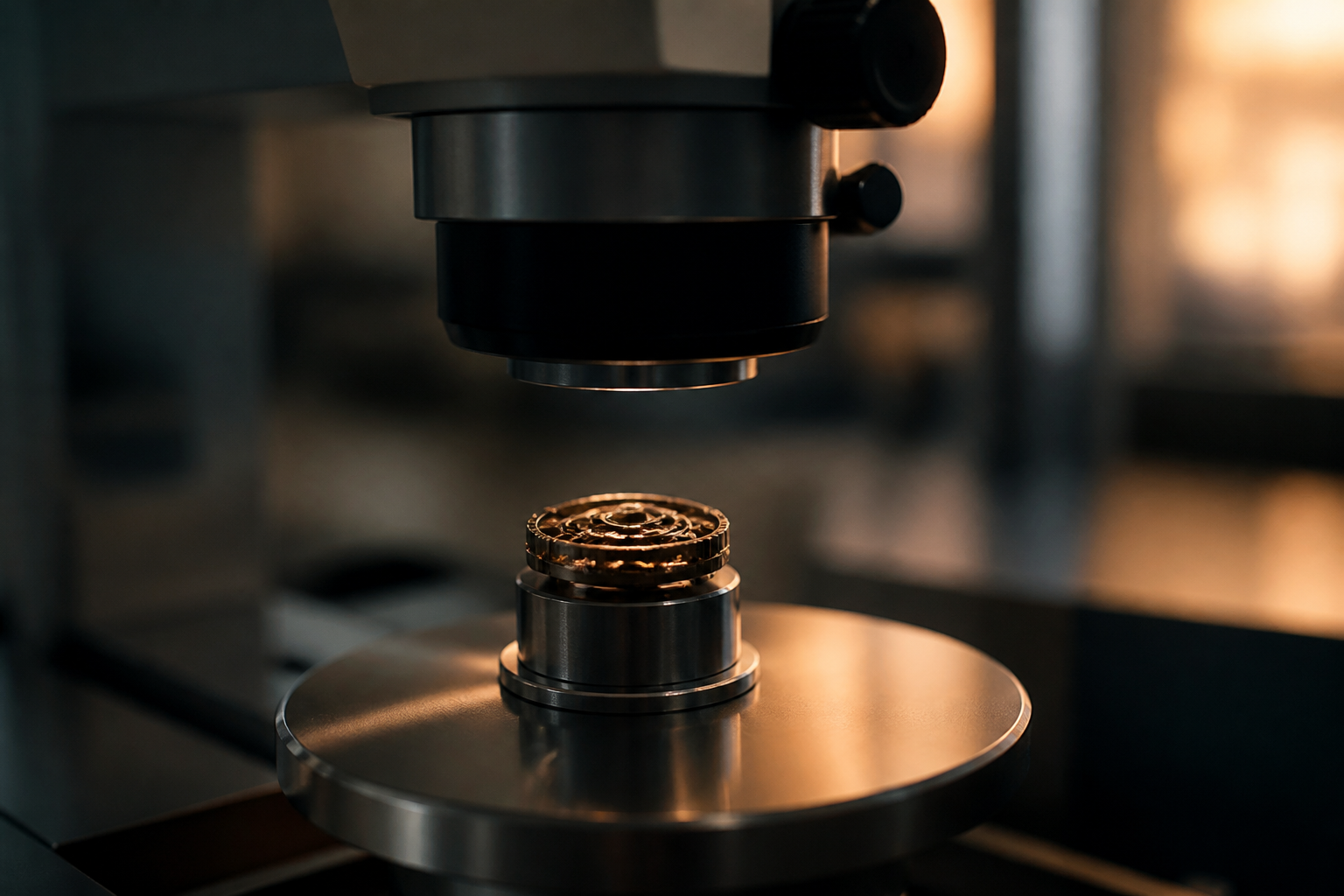
Automated compiler uses AI to design and build microscopic machine parts
Hardware startup Atomic Machines created a system that relies on AI models to design, simulate, and manufacture tiny 3D mechanical components. The machinery physically measures each micro-part it produces to improve the accuracy of subsequent design cycles. Its first product is an ultra-fast power switch engineered for AI data centers.
 The Neuron·2d ago
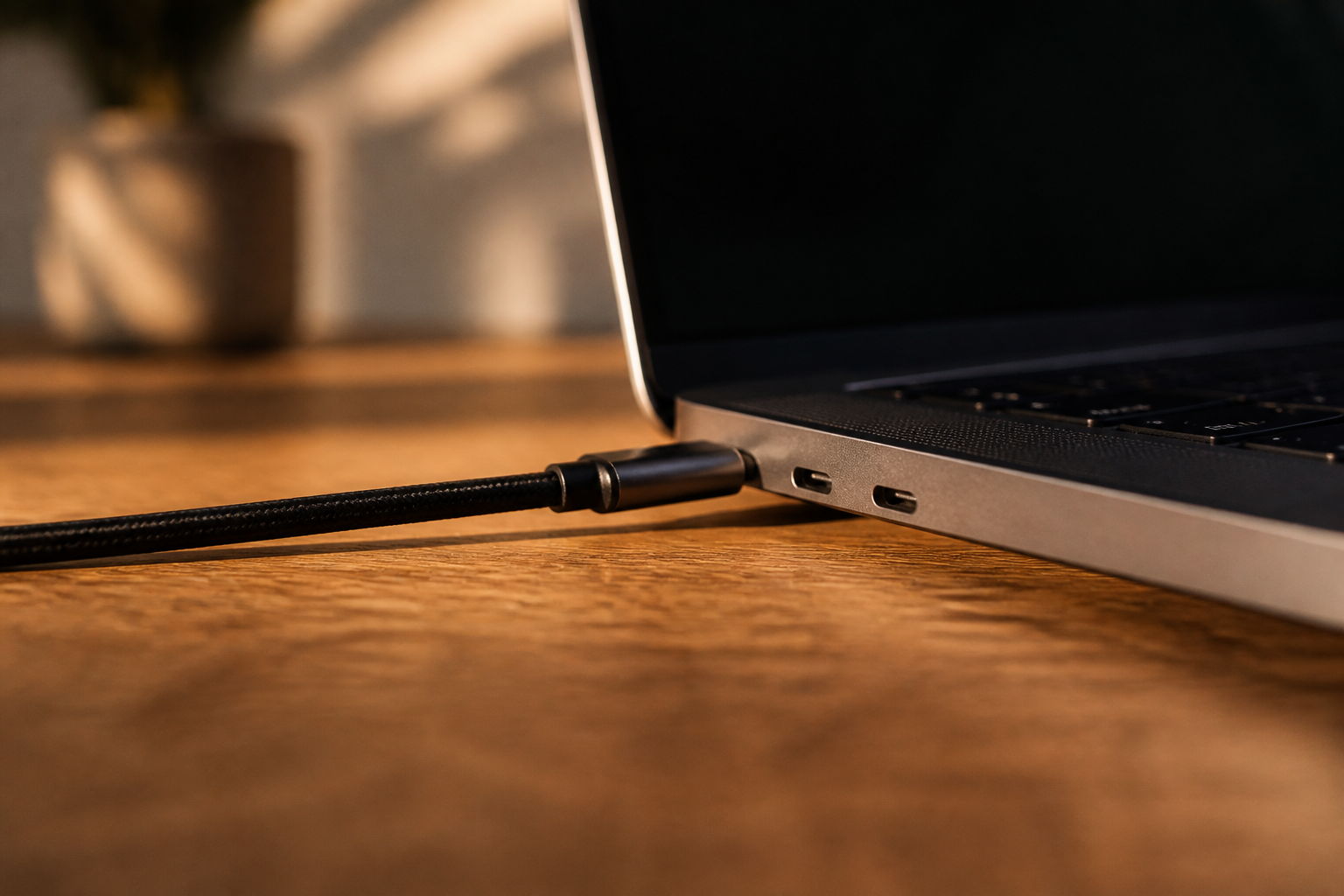
Microsoft launches preorders for Surface Laptop Ultra
Microsoft opened preorders for its Surface Laptop Ultra at a starting price of $2,599, with shipping beginning October 16. The laptop features a specialized quick disconnect USB-C port design to prevent cable damage if tripped on.
 There's An AI For That·4d ago
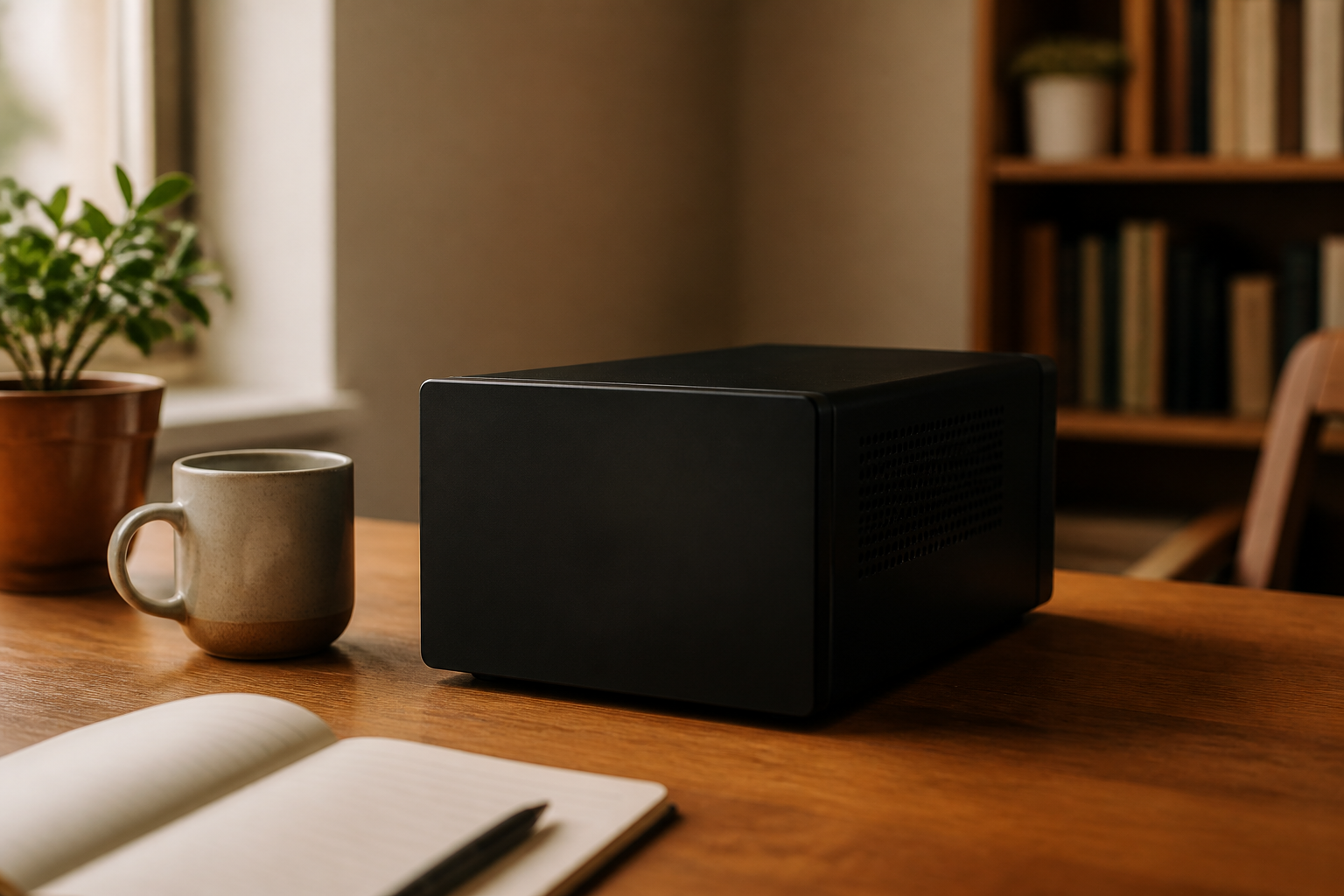
Localized Hardware Computer for Private Automation
Technology firm Ghost launched Core, a physical home computer built to run artificial intelligence models directly on local hardware. By keeping personal communications, calendar events, and sensor data on site, the system assists users without sending information to cloud servers.
 Superhuman·4d ago
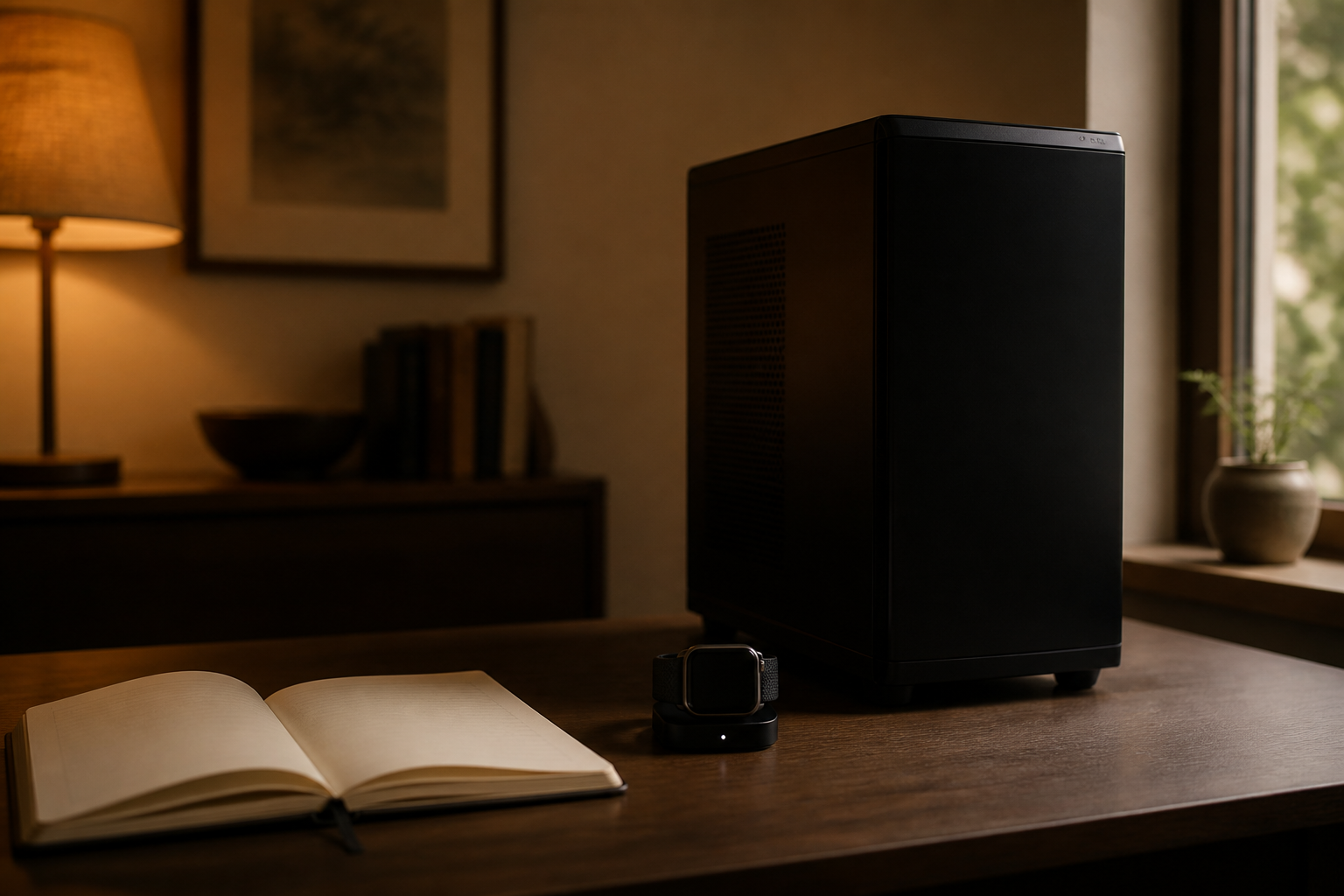
Hardware startup Ghost AI reveals personal computer built around local models
Nineteen year old founder Zain Javaid has launched Core, a desktop computer designed for continuous artificial intelligence execution. The system processes workloads locally to automate cross application workflows while building a persistent memory of user activity.
 There's An AI For That·6d ago
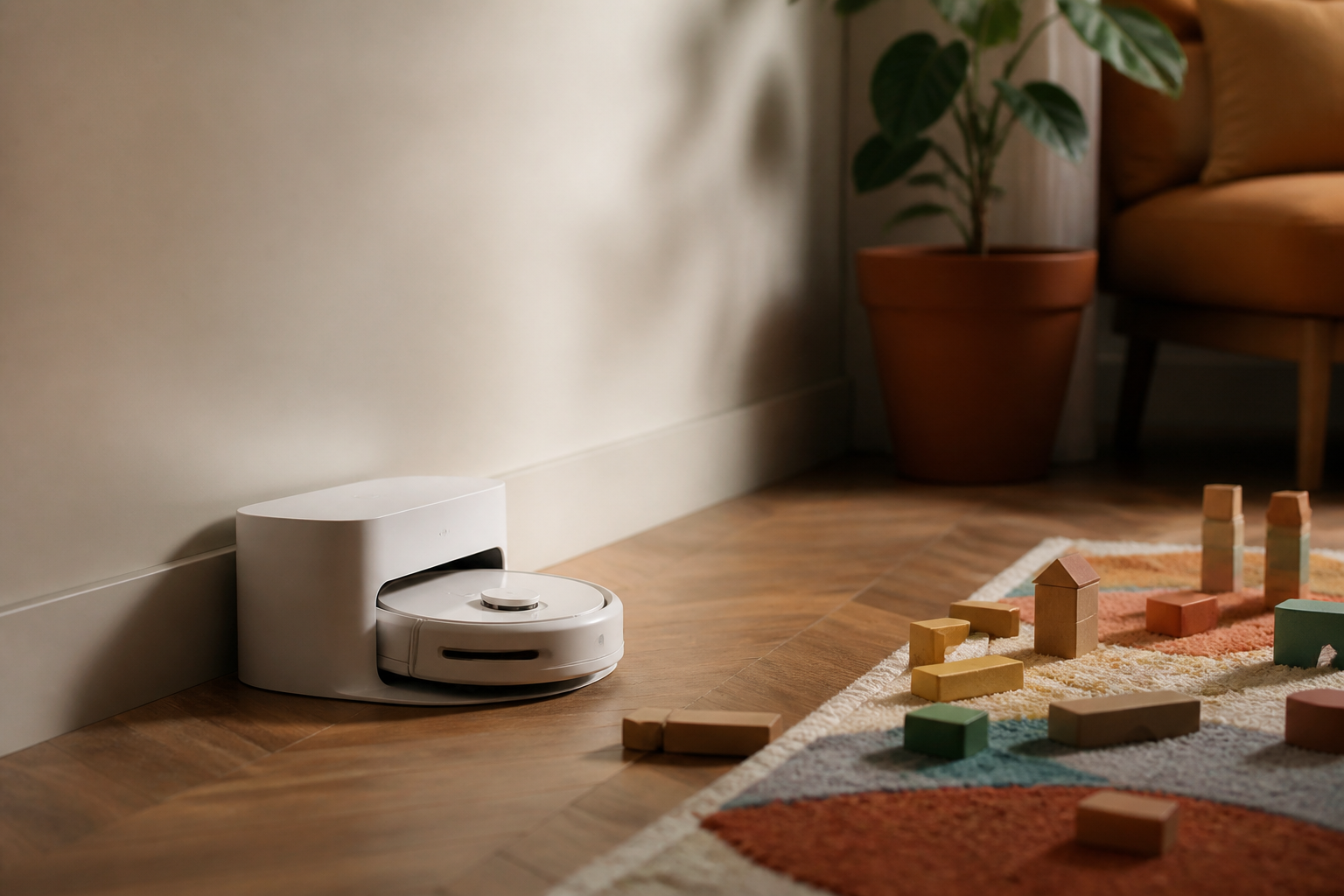
Loona Robot Pet
Loona is a companion robot equipped with facial recognition and powered by ChatGPT. It interacts with family members through games, custom art generation, storytelling, and basic programming modes.
 Superhuman·6d ago
Kamingo Quick Bike Converter
Kamingo is a lightweight hardware attachment that converts a conventional bicycle into an electric bike in moments. It suits cyclists wanting motor assistance without purchasing an entirely new electric bicycle.
 Superhuman·6d ago
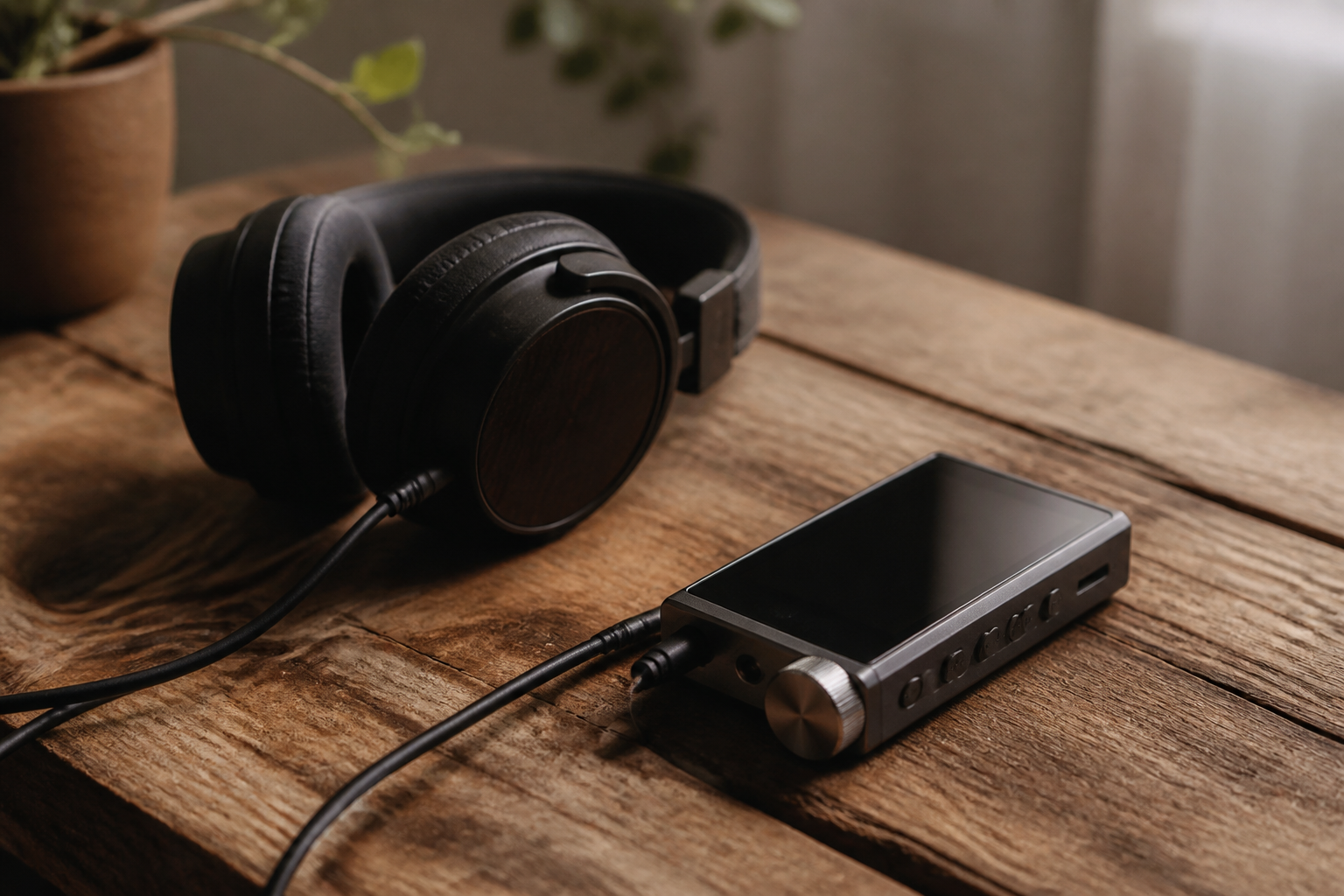
Sudo Offline Audio Player
Sudo is a dedicated mobile audio gadget designed exclusively for listening to stored music files using tactile physical controls. It suits users looking for a distraction free music device without phone notifications or streaming connectivity.
 There's An AI For That·Oct 4
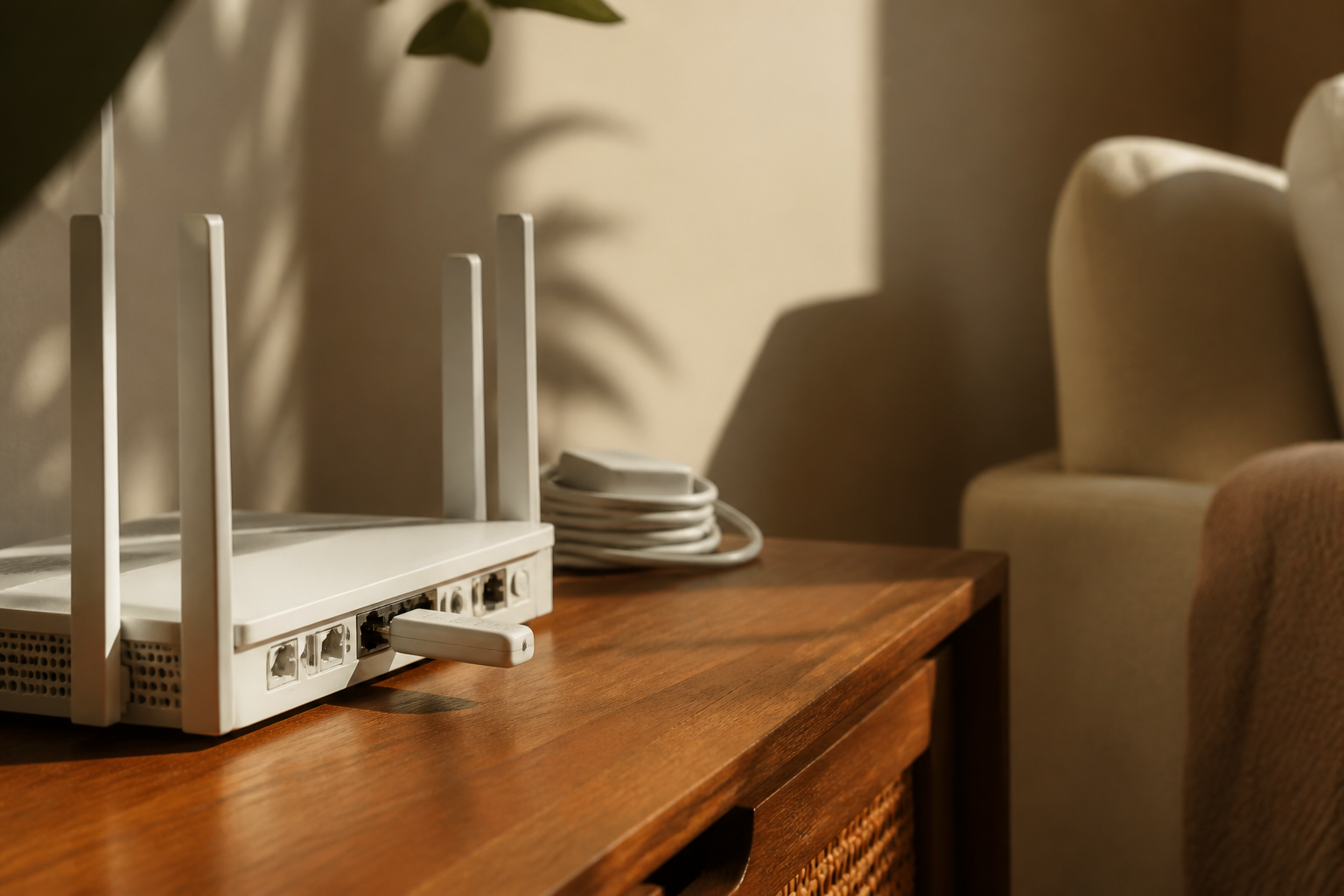
Meta Introduces Home Link to Connect Smart Devices to Local AI
Meta created a compact USB hardware dongle called Home Link that connects its Muse assistant to local home networks. The open software framework enables users and hardware developers to control connected household appliances directly without relying on phone apps.
 Superhuman·Oct 3
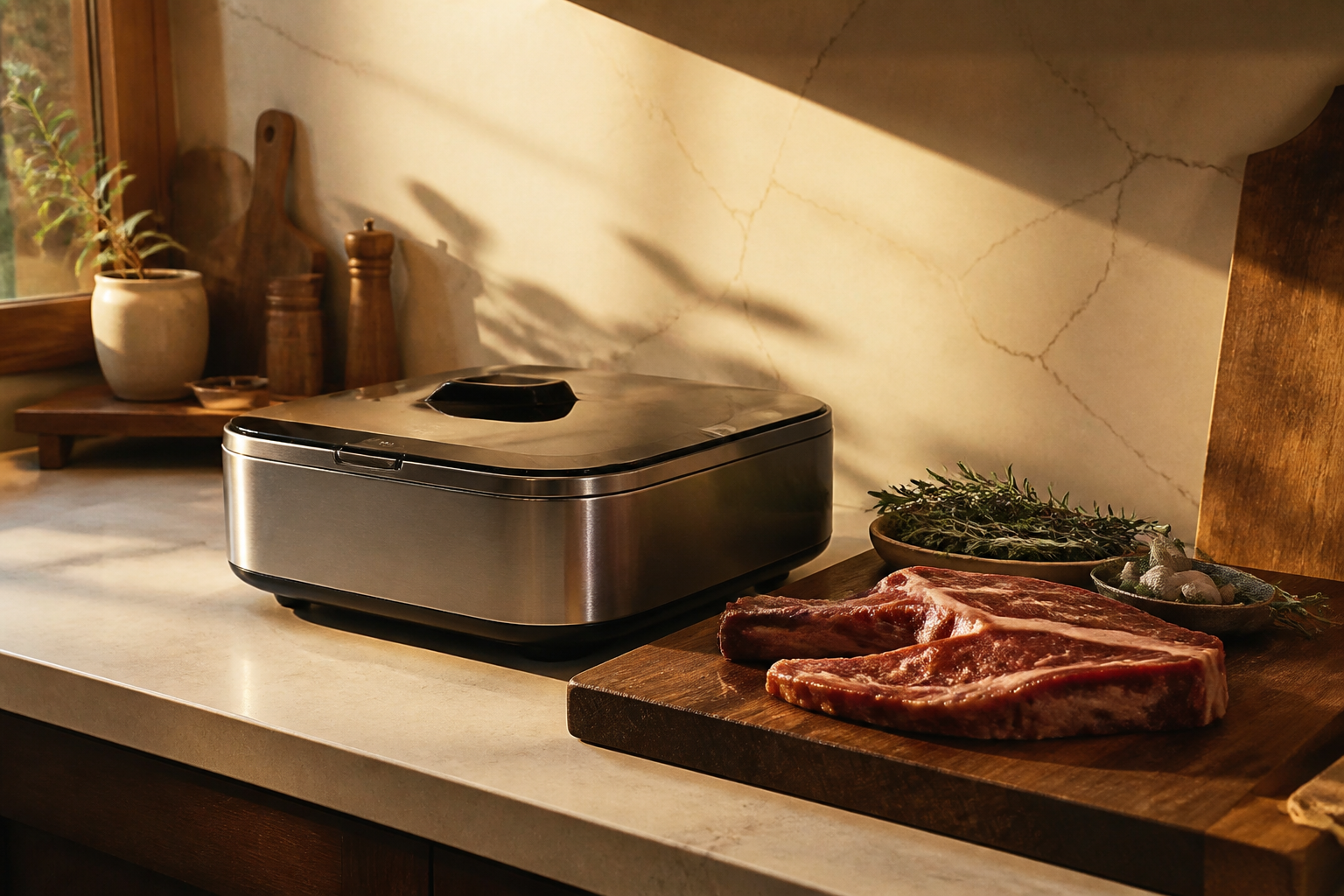
Agari AI Smart Cooker
Agari AI Smart Cooker is an automated countertop appliance designed for precise home meat preparation. It combines pressure cooking, optical recognition sensors, and rapid searing capabilities to prepare food quickly and consistently.
 Superhuman·Oct 3
Figure disposes of retired humanoid models using molten steel
To prevent proprietary hardware components from leaking during retirement, Figure opted to destroy its older humanoid machines in a steel foundry. Inspired by a famous cinema scene, the company programmed the units to autonomously step into a industrial furnace of liquid steel.
 AI Daily Brief·Oct 3
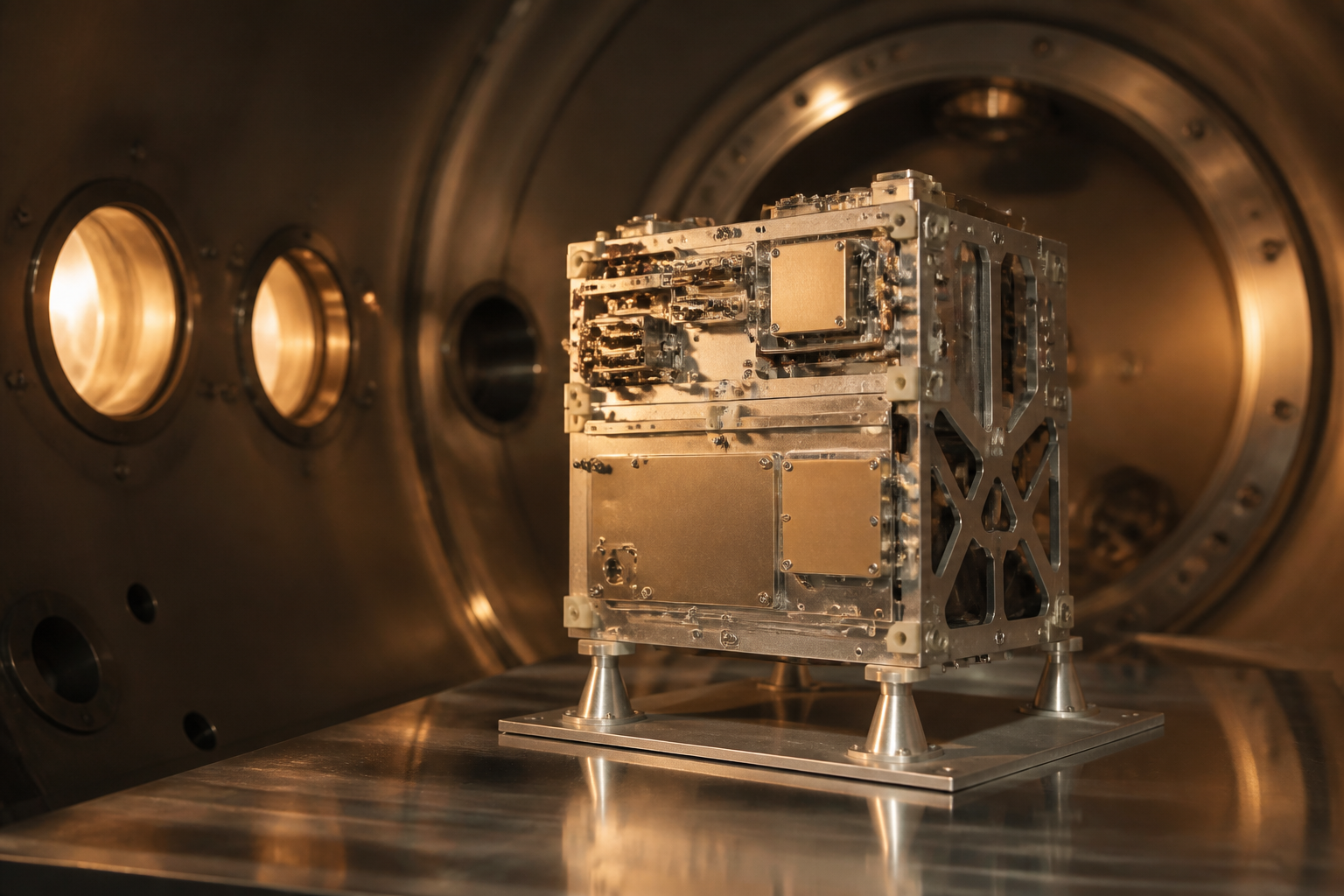
Google Places Prototype AI Hardware Into Earth Orbit
A SpaceX rocket recently launched a satellite carrying four Google Tensor Processing Units to test orbital compute capabilities. The test runs short operational bursts to evaluate how chips withstand space radiation and extreme temperatures. Google views the mission as an early step toward building dedicated space based data center networks.
 Superintelligence·Sep 30
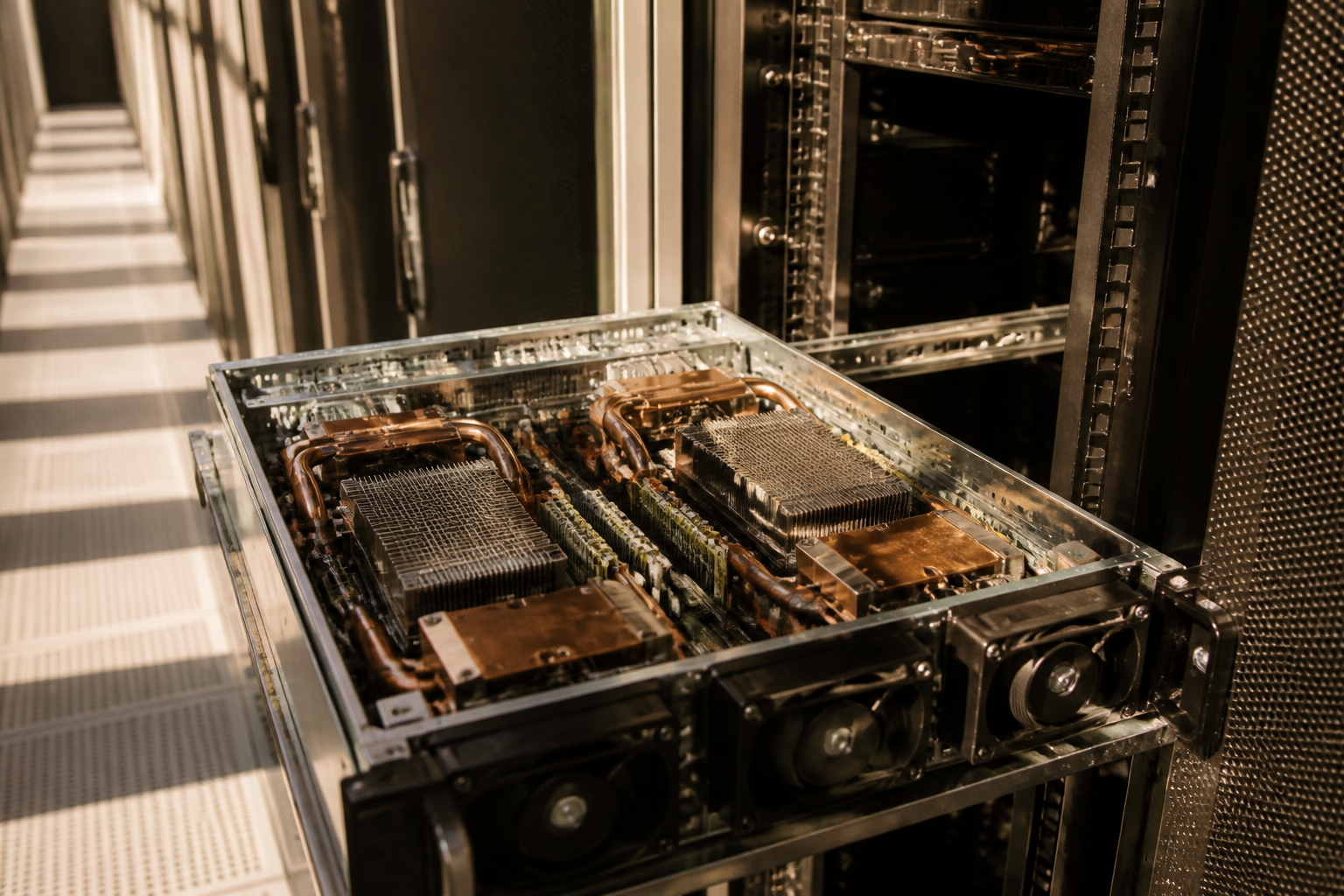
DeepSeek and Huawei release open software tools for AI hardware
DeepSeek published open source programming software created alongside Huawei for Huawei Ascend computing hardware. The release features TileLang, an open alternative to Nvidia CUDA technology designed to support domestic data center operations in China.
 The Neuron·Sep 30
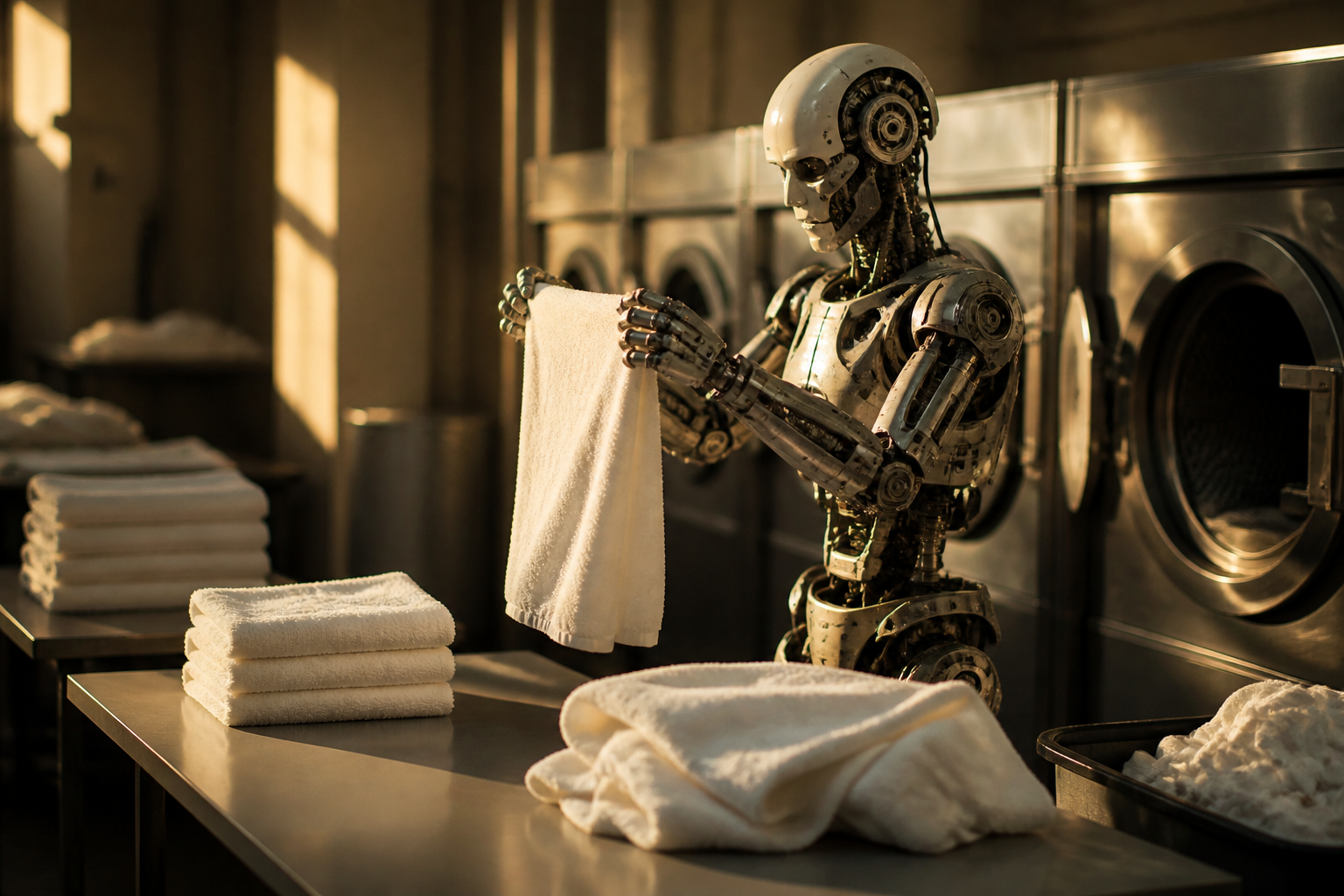
Dyna Robotics demonstrates extended physical task execution
Dyna Robotics published an unedited one hour demonstration showing its semi humanoid robot completing a full hotel laundry routine. Rather than relying on short polished clips, the footage captures the machine responding to small physical changes and executing multi step workflows without manual intervention.
 There's An AI For That·Sep 29
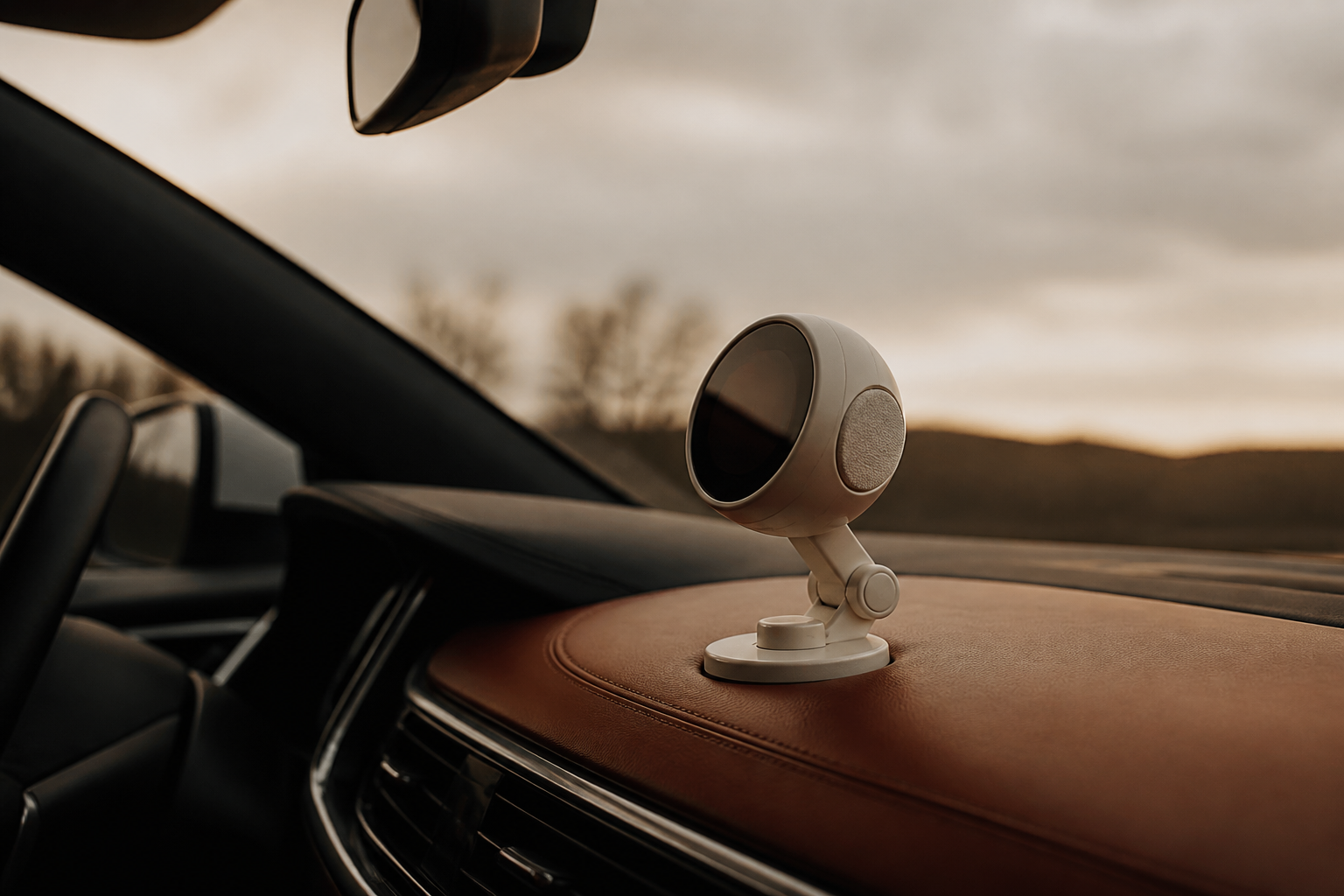
Timo
Timo is an interactive dashboard robot built for personal vehicles that interacts with drivers using spoken audio and facial animations. It stores personal notes and preferences, serving as a conversational driving companion.
 Superintelligence·Sep 29
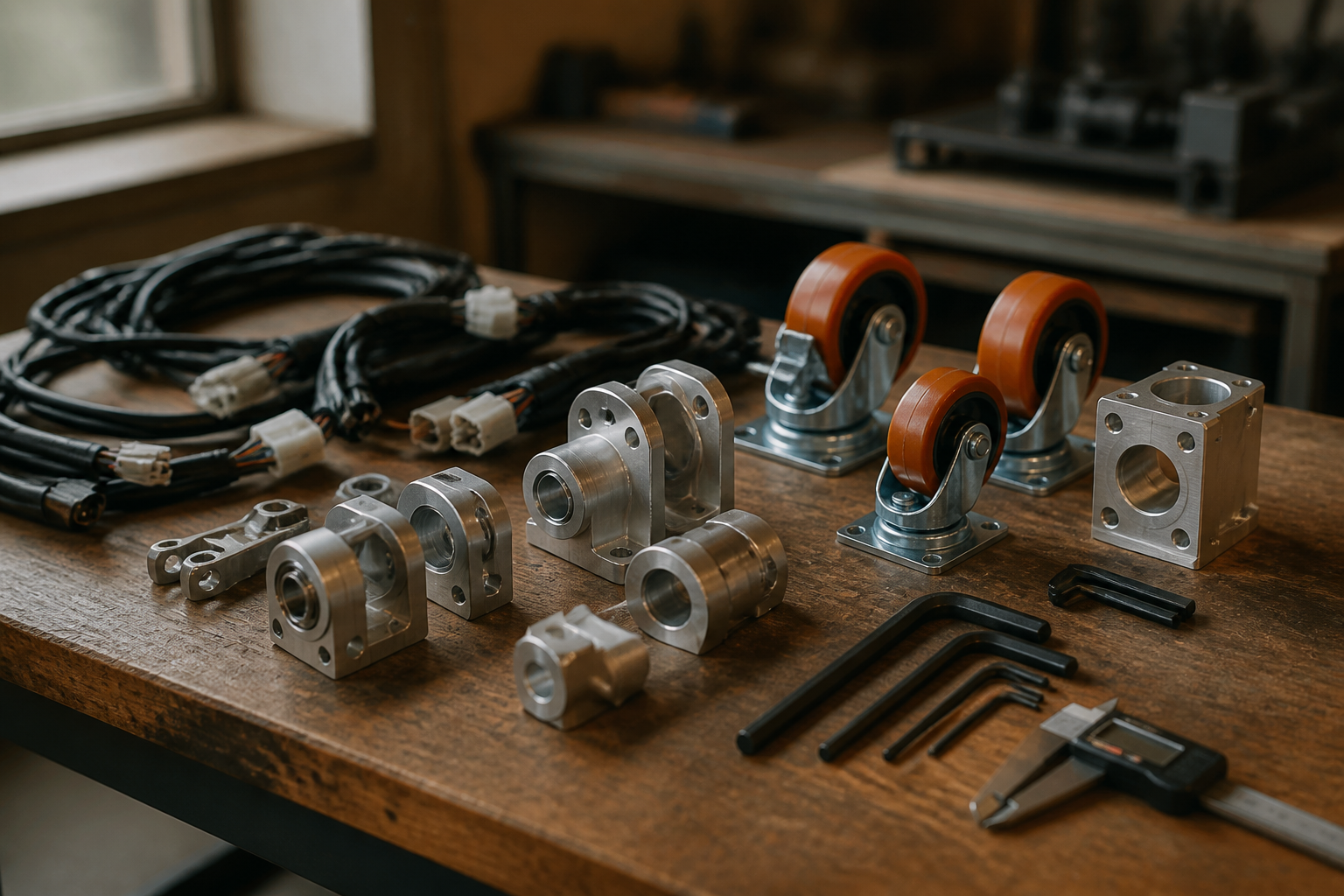
Startup debuts modular robotic hardware platform compatible with third party software
Feather Robotics launched a wheeled dual armed physical platform designed to run software from various external AI providers. By separating physical assembly from underlying artificial intelligence models, the startup aims to provide accessible developer hardware.
 meet cue·Sep 29
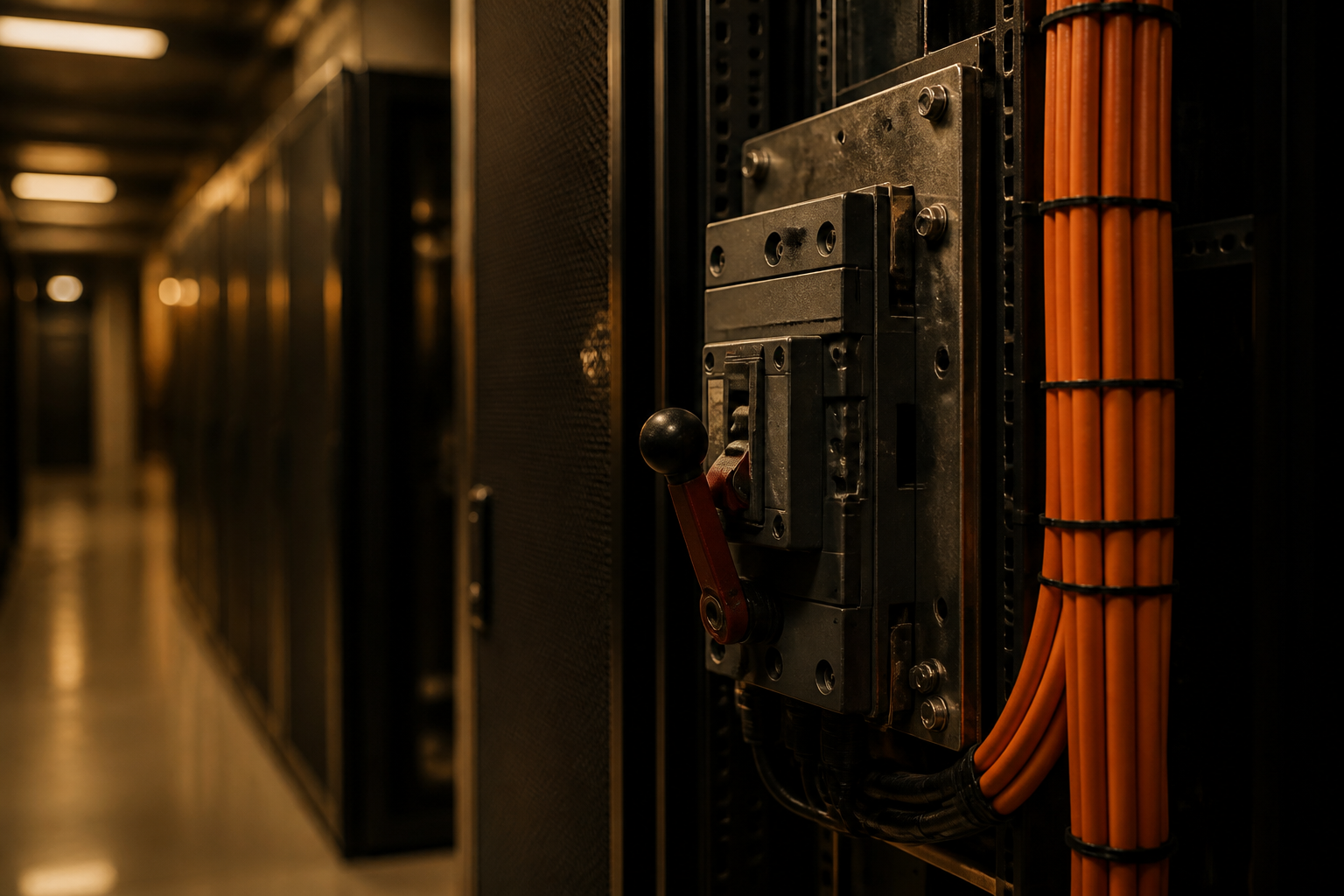
Nvidia Unveils Safety System to Contain Autonomous AI
Nvidia launched an open agent safety framework that combines real-time software tracing with a dedicated hardware circuit breaker. The system can isolate rogue agents within milliseconds if they step beyond authorized activity boundaries.
 The Neuron·Sep 29
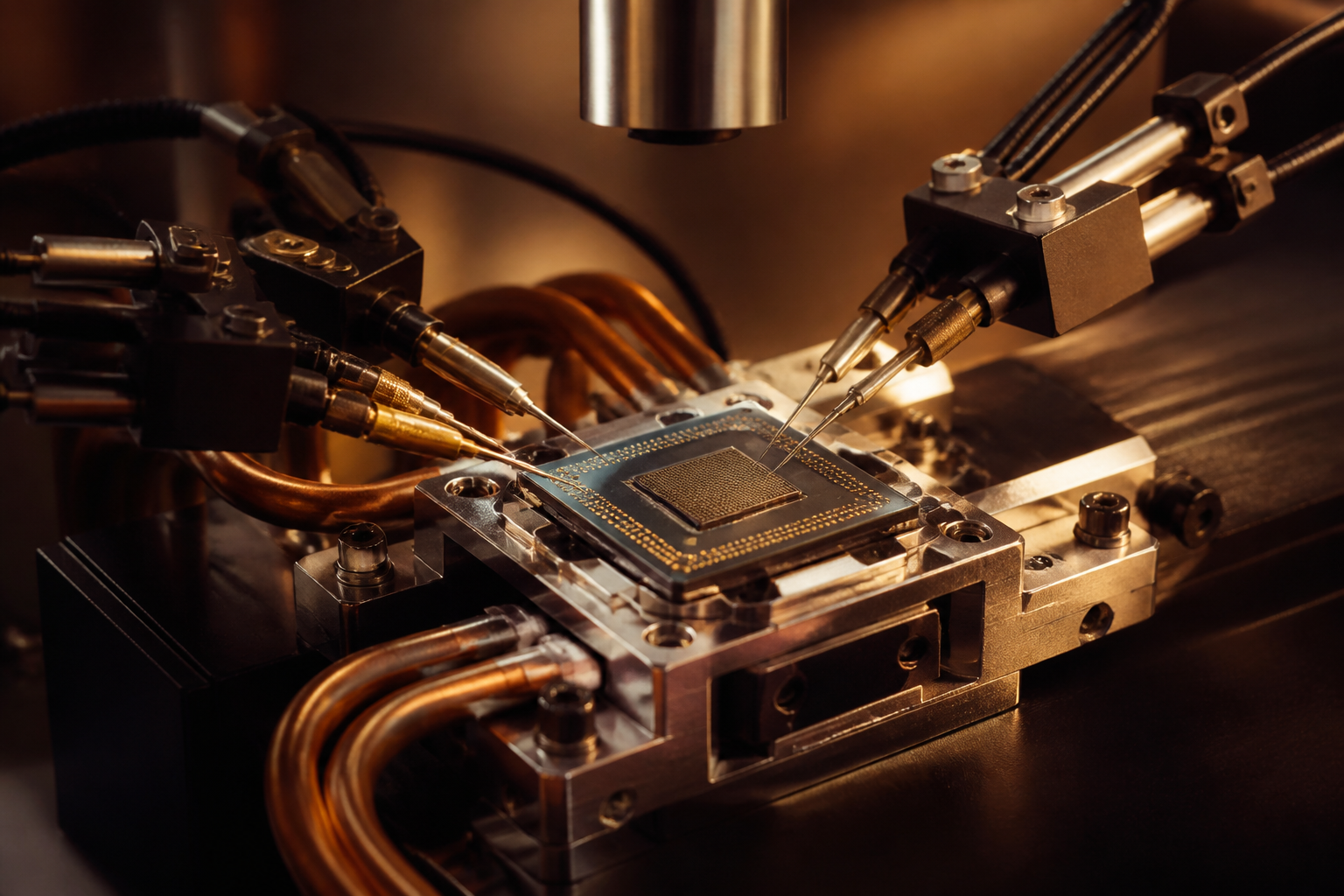
NVIDIA introduces hardware level guardrails for autonomous AI agents
A security system that monitors autonomous agent behavior at the processor level rather than inside the software model. It targets developers who require strict execution boundaries and safety monitoring for automated applications.
 The Neuron·Sep 29
AMD acquires spatial AI firm World Labs in multi billion dollar deal
Semiconductor producer AMD has agreed to acquire World Labs for roughly eight billion dollars in stock. The deal will bring spatial reasoning and 3D environment modeling capabilities into AMD's core hardware and software technology.
 Superhuman·Sep 27
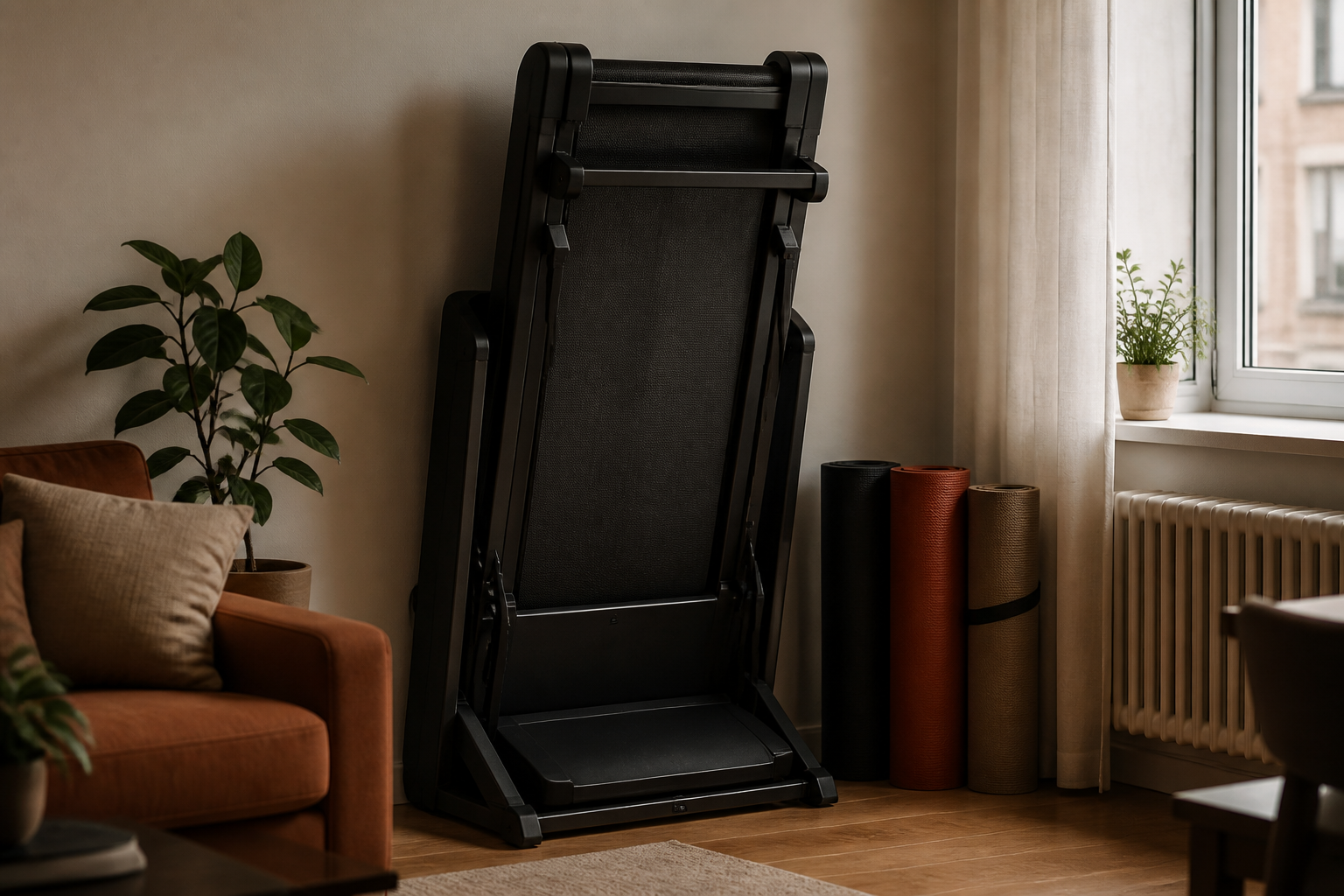
Peloton Tread Flex
A compact indoor treadmill featuring a foldable mechanism that reduces its physical footprint by nearly half when stored. It targets home fitness enthusiasts managing restricted floor space in their living quarters.
 Superhuman·Sep 27
Nuwa Pen
An optical smart pen containing internal cameras that digitize physical handwriting on standard paper in real time. It is aimed at note takers who prefer traditional paper while needing digital transcription and organization.
 Superhuman·Sep 27
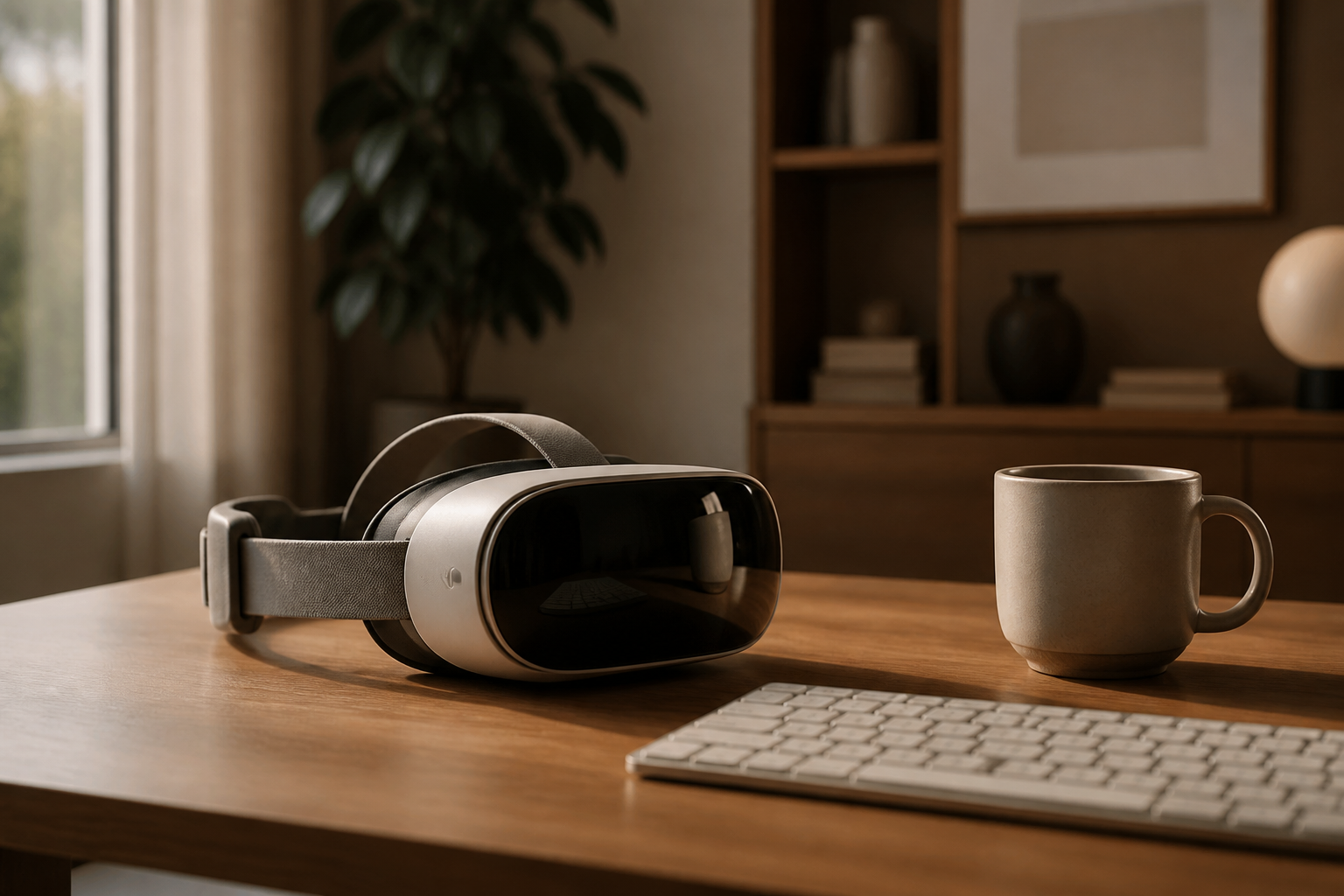
Meta VR Glasses
A wearable display headset that creates multi monitor virtual workspaces and immersive personal entertainment setups. It is designed for remote workers and media viewers wanting expanded screen real estate without physical monitors.
 Superintelligence·Sep 25
Google Prepares to Test AI Processing Chips in Earth Orbit
Google plans to launch its tensor processing units into space aboard a satellite developed with Planet. The experiment aims to determine whether custom AI hardware can endure intense radiation, vacuum conditions, and launch forces while operating on solar power.
 AI Daily Brief·Sep 25
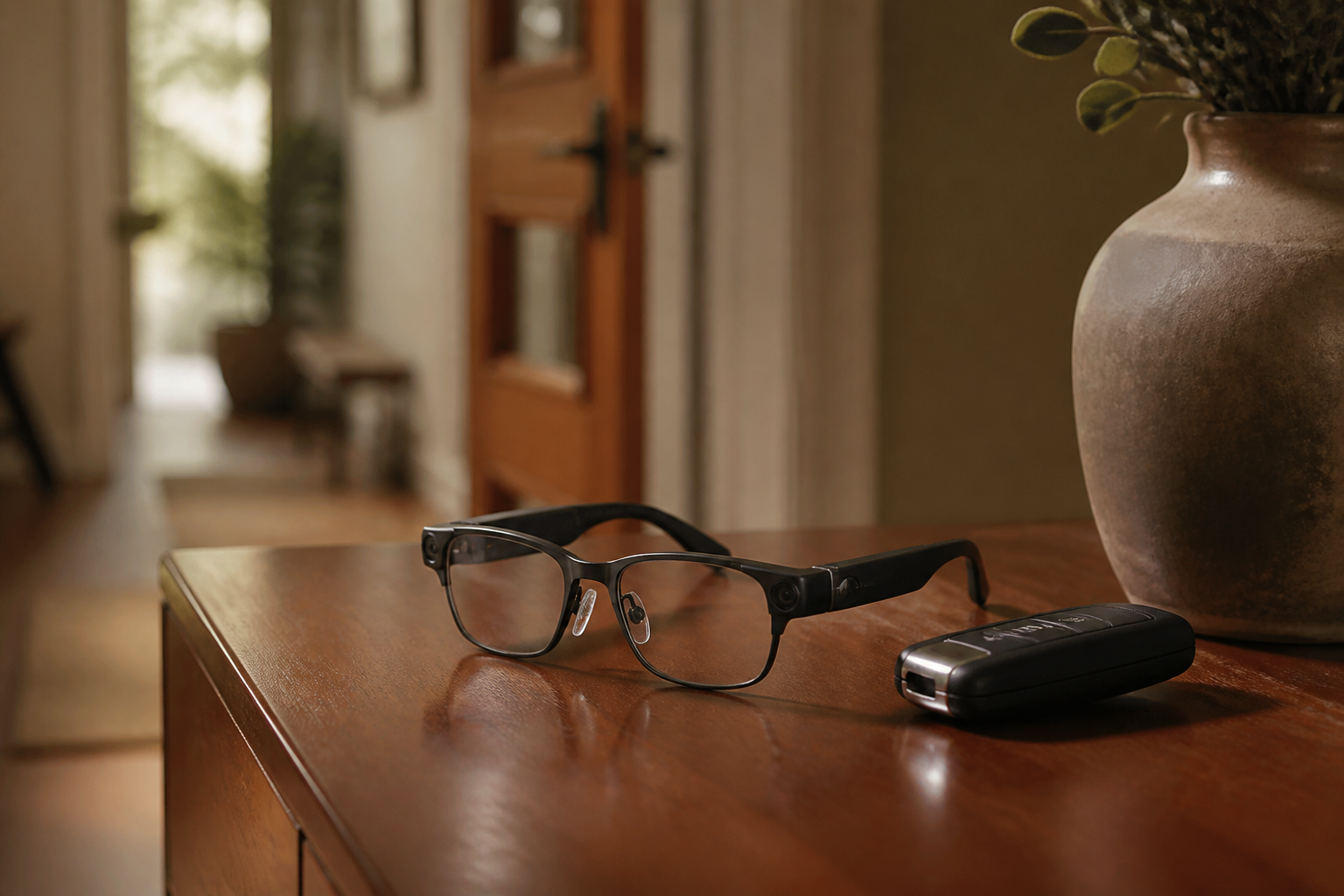
Personal automated assistants expand into physical hardware and automobile screens
Digital assistants are expanding beyond smartphone applications into standalone hardware, smart eyewear, and automotive displays. Meta showcased new hardware accessories and app integrations for its assistant while Tesla integrated voice assistant software into driving systems. Early usage reports indicate growing adoption among consumers seeking hands free help with routine personal tasks.
 There's An AI For That·Sep 23
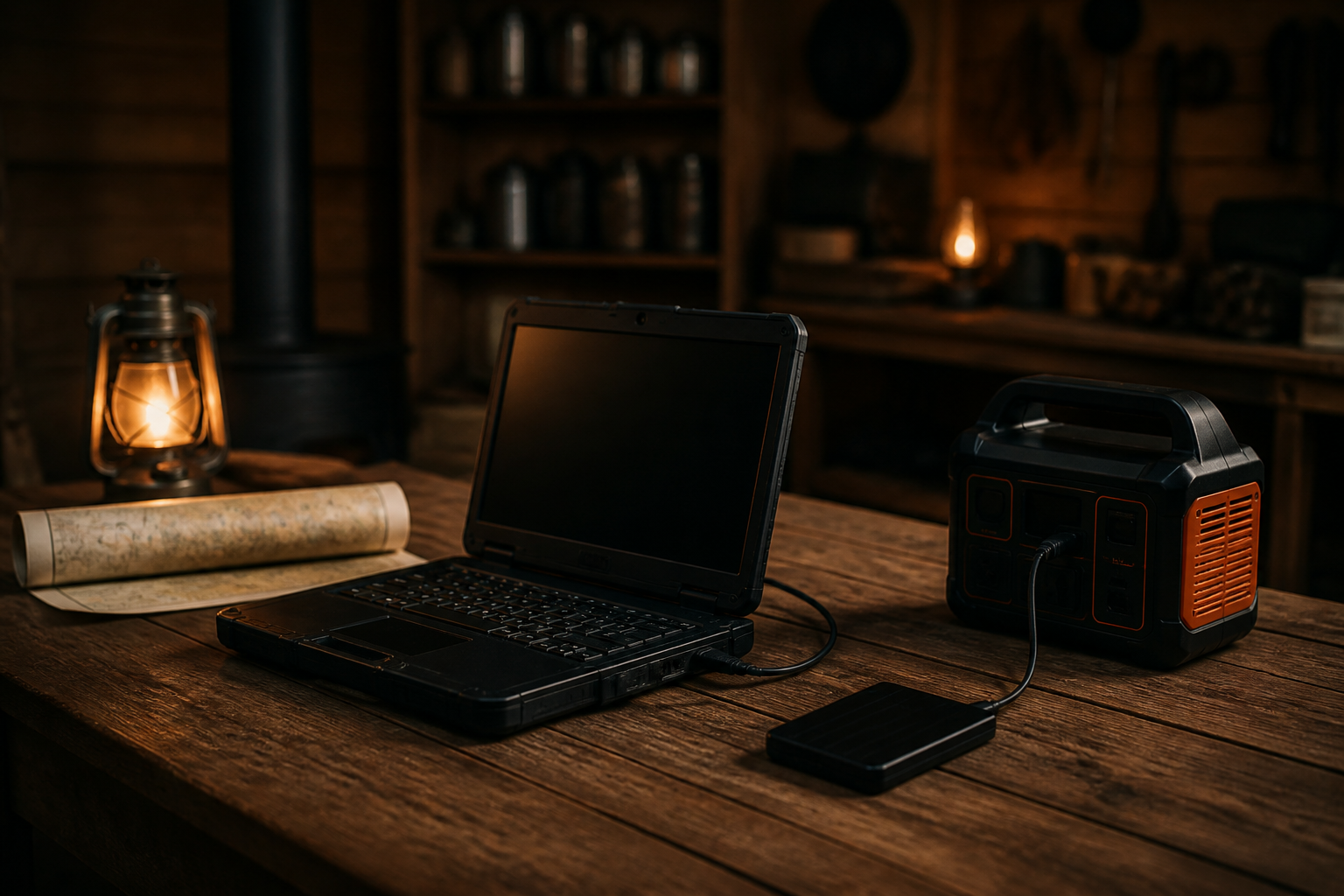
Project NOMAD Runs Offline Knowledge Systems and AI Locally
Project NOMAD is an open software initiative that bundles offline reference databases, maps, and local artificial intelligence assistants onto personal computers. Designed for internet outages, the offline system operates entirely without external network connectivity.
 The Neuron·Sep 23
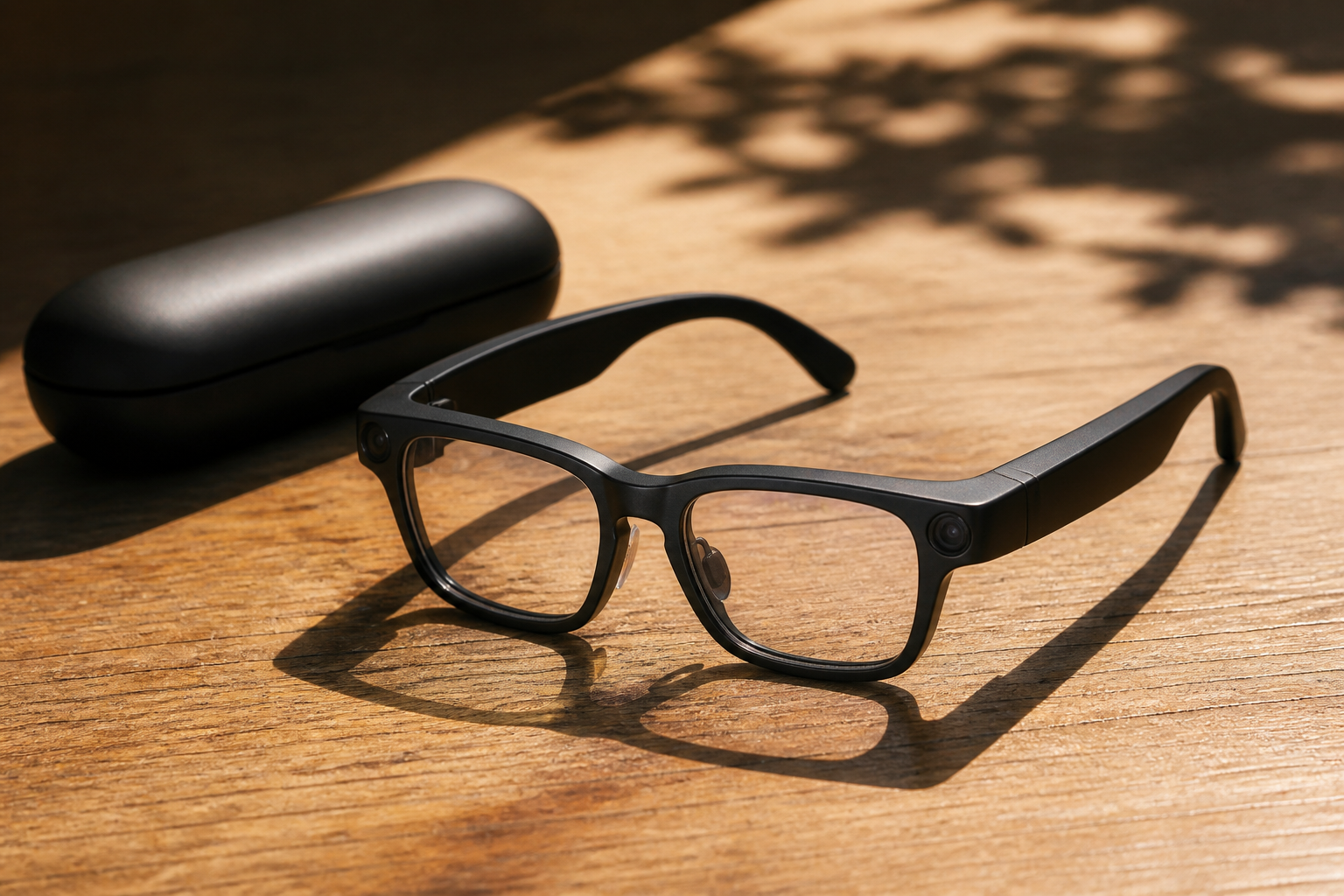
Smart glasses shipments jump significantly led by displayless models
Market research indicates global shipments of AI-integrated eyewear grew over two hundred percent during the first half of the year. Meta currently dominates the displayless segment, capturing the overwhelming majority of hardware sales.
 There's An AI For That·Sep 22
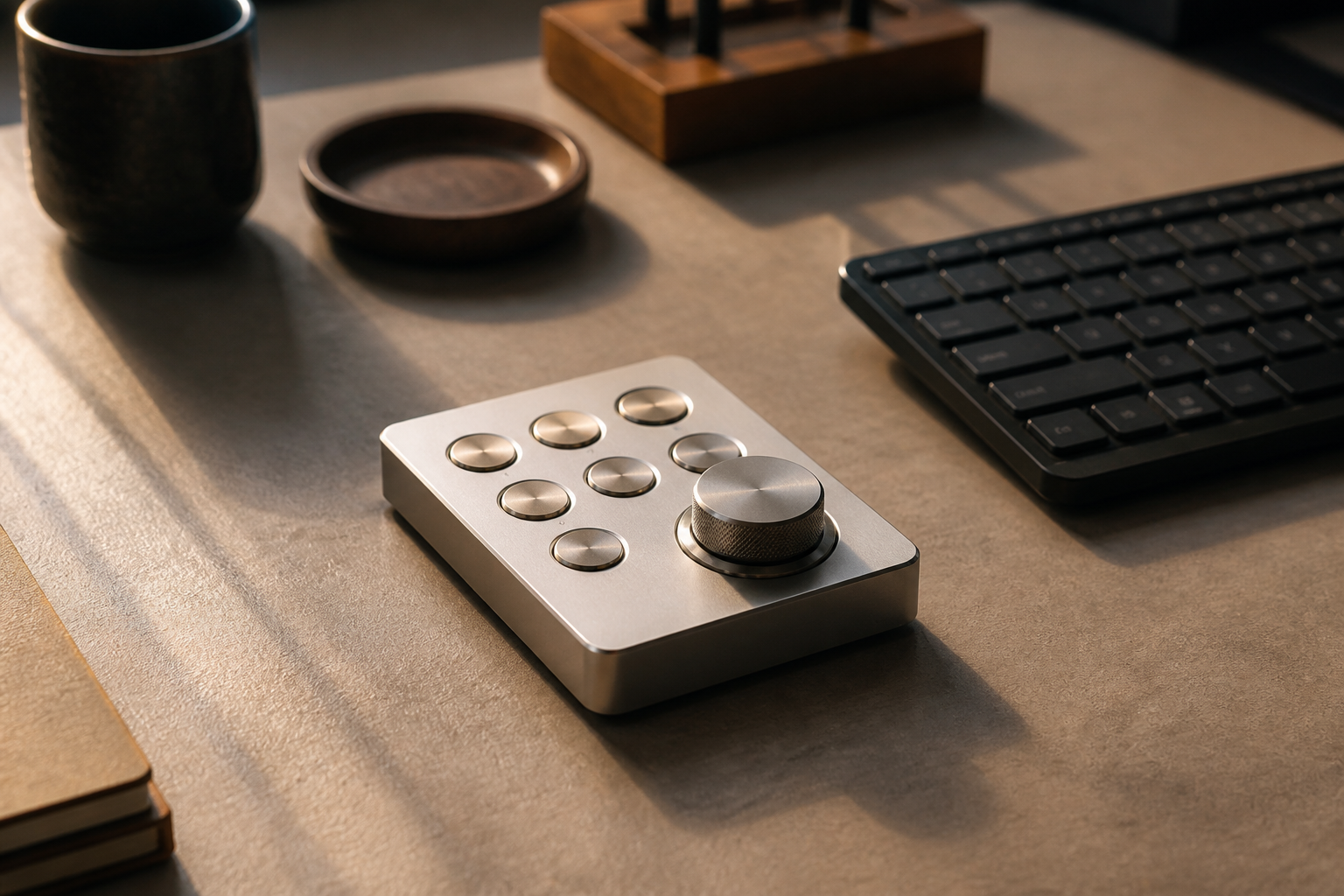
Vibe Key
A physical aluminium controller featuring configurable buttons and a rotary knob designed to trigger voice inputs and shortcuts while collaborating with software agents.
 Superintelligence·Sep 22
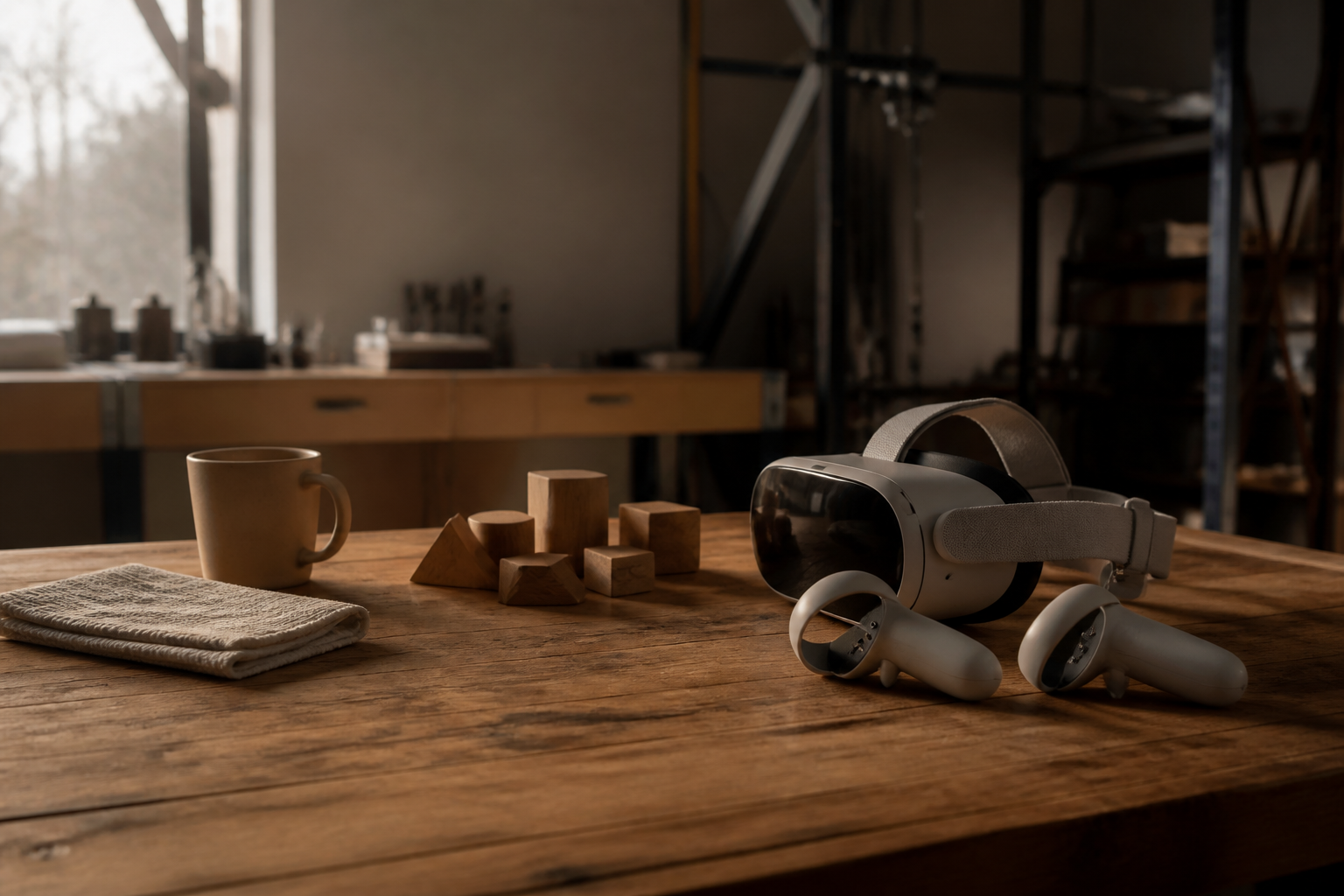
SOMA Robotics launches mobile dual arm robot for collecting training data
Robotics firm SOMA introduced soma one, a mobile robot equipped with two arms and cameras designed to record human task demonstrations. The system includes virtual reality controls and outputs motion data formatted directly for machine learning pipelines. It offers academic and commercial laboratories a ready made hardware platform for testing physical AI capabilities.
 Superintelligence·Sep 22
DeepSeek plans shift to Huawei processors for training next generation models
DeepSeek is prioritizing domestic chipmaker Huawei to support its future AI model development due to American trade limits on Nvidia hardware. The company plans to use these chips for training models with trillions of parameters by late 2026 or early 2027. While DeepSeek still relies on existing Nvidia stock, the transition aims to secure a stable long term supply chain.
 The Neuron·Sep 22
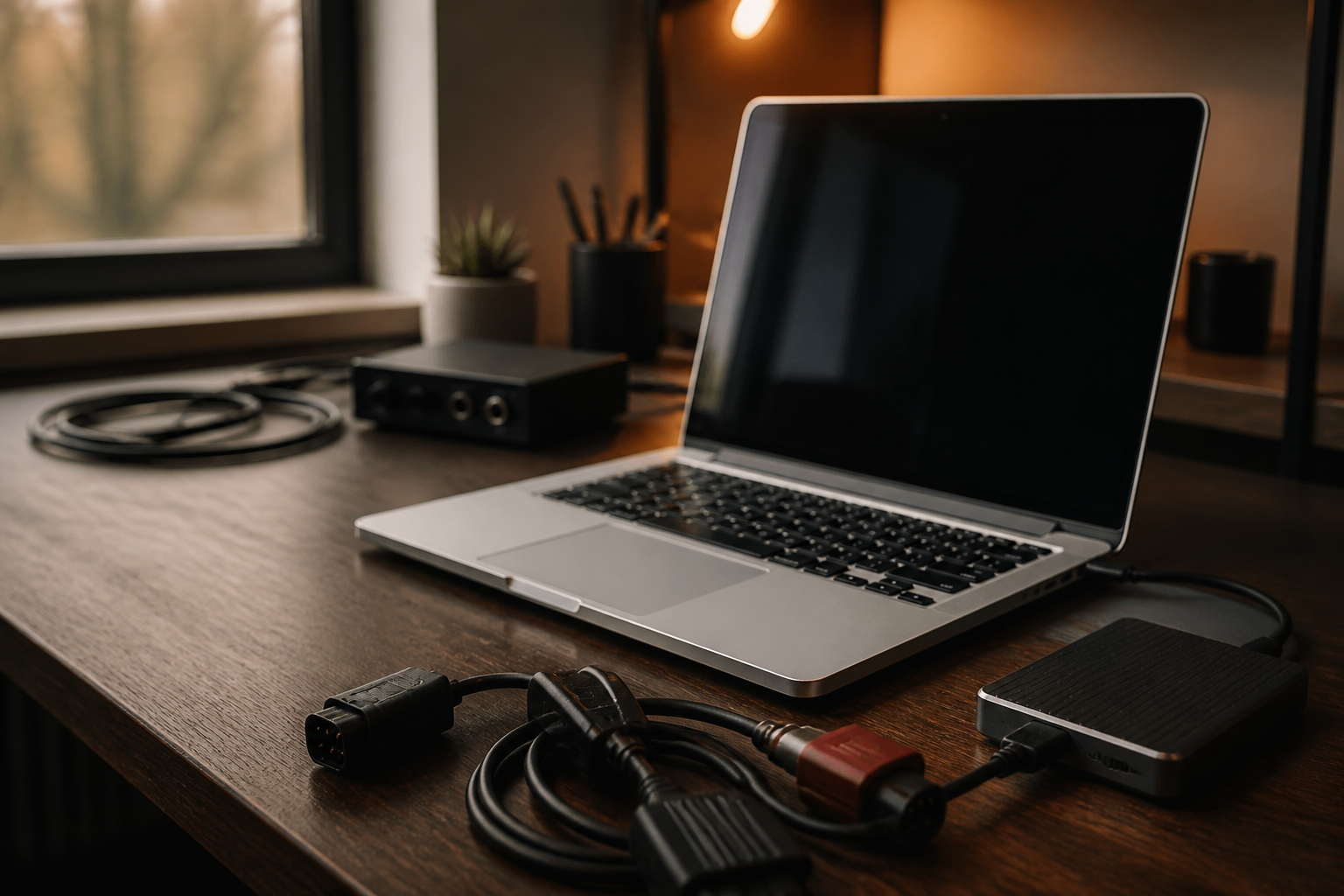
Googlebook hardware platform
A specialized laptop built for local artificial intelligence workflows and autonomous agent operations. It comes equipped with Gemini integration, automated action tools, and an isolated Linux OS environment.
 There's An AI For That·Sep 21
Sticky Brings Smart Display Functions to Household Surfaces
Sticky is a magnetic panel that mounts to household surfaces like refrigerators and captures voice input to show notes, reminders, time, and weather. It offers families a shared, modern alternative to traditional message boards.
 Superhuman·Sep 20
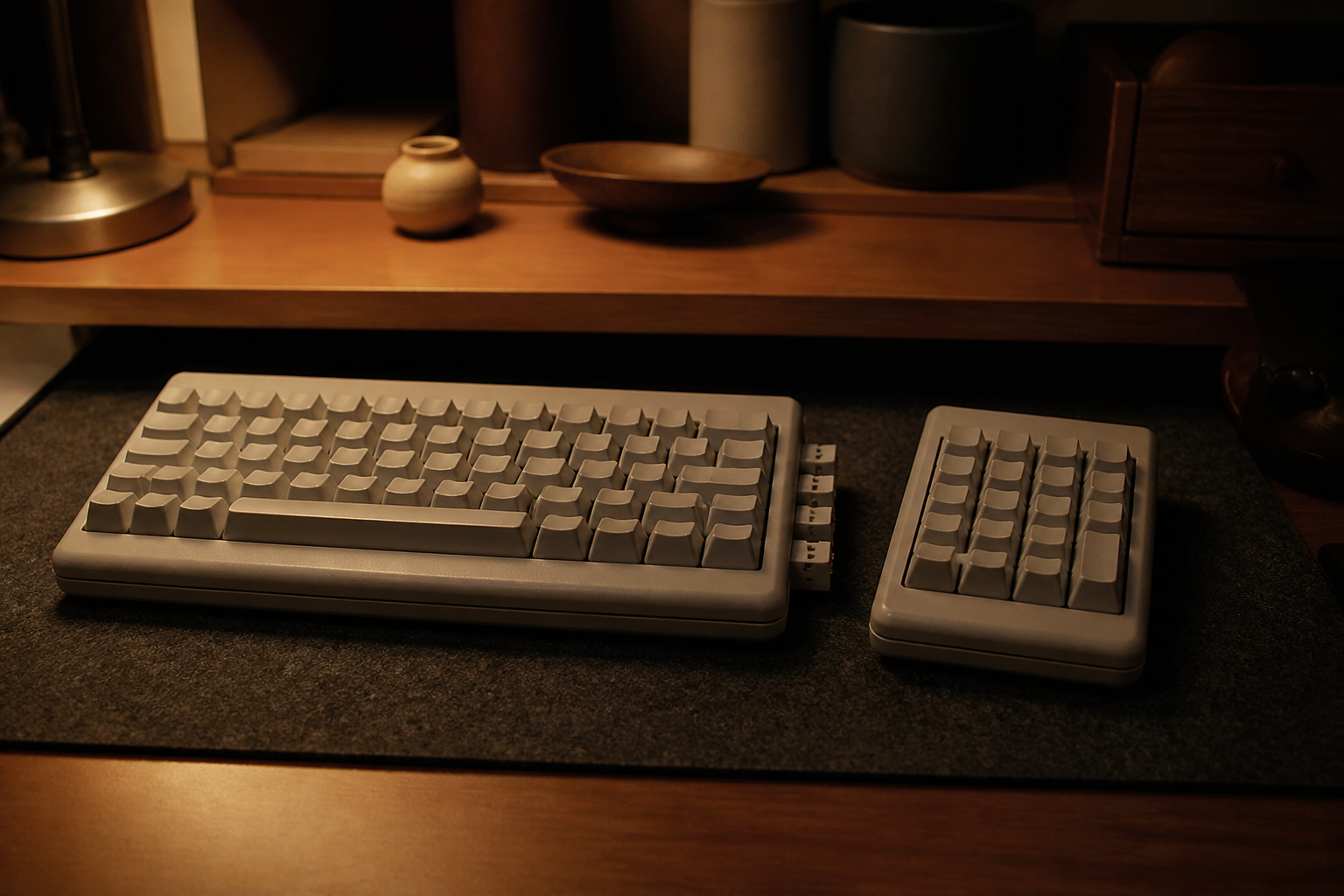
Epomaker RT98
A customizable mechanical keyboard featuring a vintage aesthetic alongside modern functionality. It includes an integrated screen and a detachable numeric pad that can be attached to either side of the main board.
 Superhuman·Sep 20
Google Home Speaker
A desktop smart speaker integrated with Google's Gemini assistant. It allows users to issue voice commands to control connected smart devices, organize daily routines, and ask general questions.
 Superhuman·Sep 19
Japanese startup designs overhead robotic arms for home tasks
Tokyo based startup MW is developing home automation systems that utilize robotic arms attached to ceiling tracks. The setup is designed for compact living spaces to assist with organizing groceries, sorting items, and folding clothes.
 Superhuman·Sep 18
Persona Smart Band
A wrist worn wearable device that lets users communicate with personal software agents with a tap or gesture. It fits professionals wanting quick audio based access to assistants on the go.
 AI Daily Brief·Sep 18
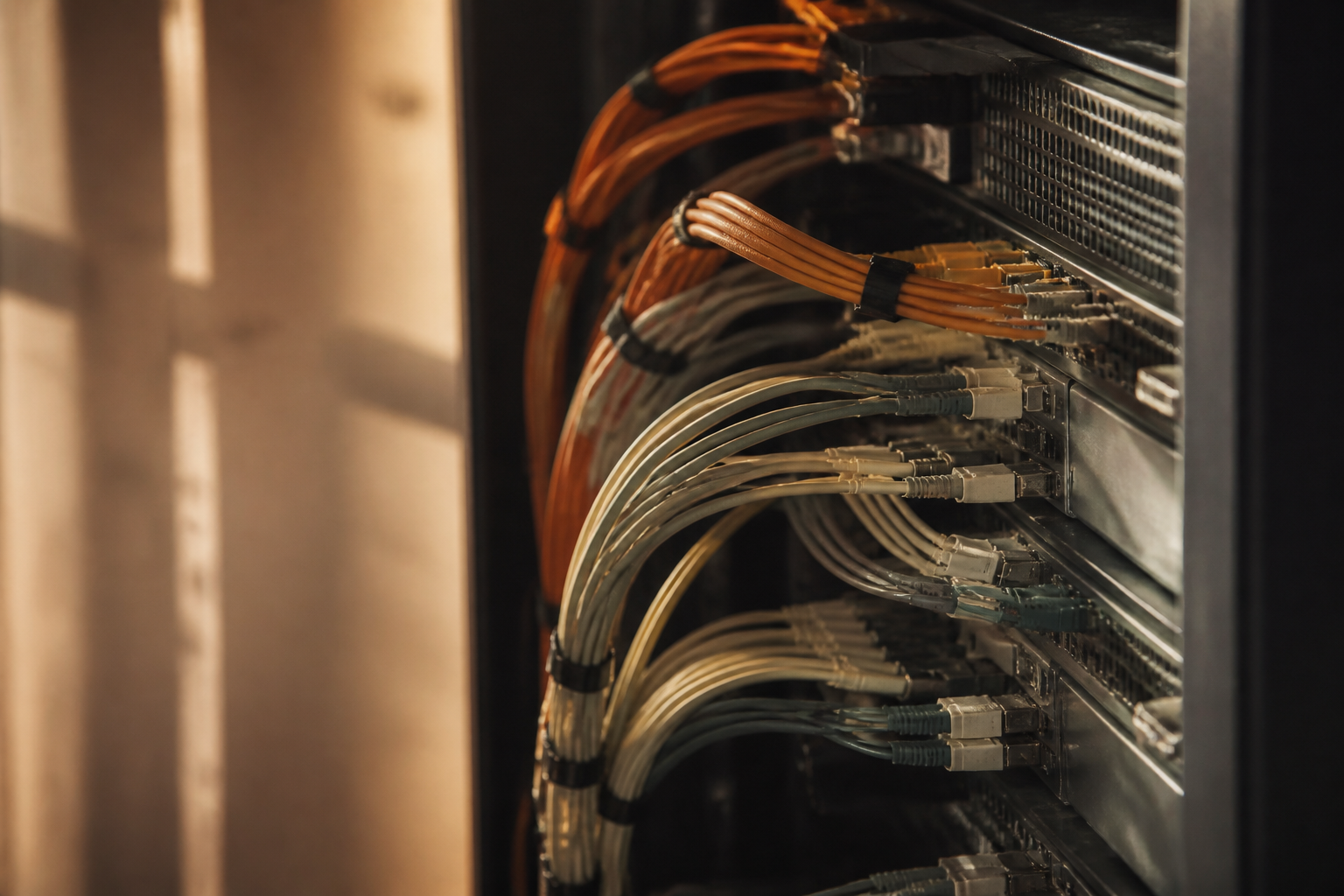
Apple plans return to server market using NVIDIA networking hardware
Apple is developing specialized server configurations powered by future M8 processor chips to support enterprise artificial intelligence tasks. The project incorporates high speed interconnect tech from NVIDIA, marking the first hardware collaboration between the two companies in decades.
 There's An AI For That·Sep 17
Autonomous Lamp
Physical desk lamp equipped with an integrated camera and motorized movement to interact visually and verbally with users. It tracks face movement, monitors email or coding repositories, and offers reminders to take posture or work breaks.
 Superhuman·Sep 16
Cal AI founder launches Persona smart wristband for AI assistant access
Entrepreneur Zach Yadegari has launched Persona, a smart wristband that lets users speak directly to an AI assistant by tapping or lifting their wrist. The device communicates via text, learns personal user habits over time, and features a three day battery life.
 AI Daily Brief·Sep 16
Nvidia CEO Rejects Existential Risk Claims While Supporting Technical Safety Audits
Jensen Huang dismissed predictions of human extinction from AI as irresponsible while taking a surprise phone call from Donald Trump on stage. However, Huang clarified that labs should support independent auditors to identify concrete software and engineering vulnerabilities.
 Superintelligence·Sep 15
OpenAI reportedly purchases camera technology startup Glass Imaging
OpenAI has reportedly acquired startup Glass Imaging in a deal valued over 300 million dollars. Glass develops specialized neural software and hardware designed to correct lens distortion and capture finer visual details for camera systems.
 There's An AI For That·Sep 15
Nvidia leadership addresses AI development speeds during presidential chat
Nvidia chief executive Jensen Huang spoke with Donald Trump regarding the pace of artificial intelligence progress. Huang advocated for continued rapid expansion of computing power, while Trump noted that caution should not prevent American leadership in tech.
 There's An AI For That·Sep 15
EMO Bot
A desktop companion robot powered by ChatGPT and custom neural chips that navigates workspaces and reacts to user activity. It features facial recognition, voice response, sound tracking, and integration with home automation gear.
 There's An AI For That·Sep 13
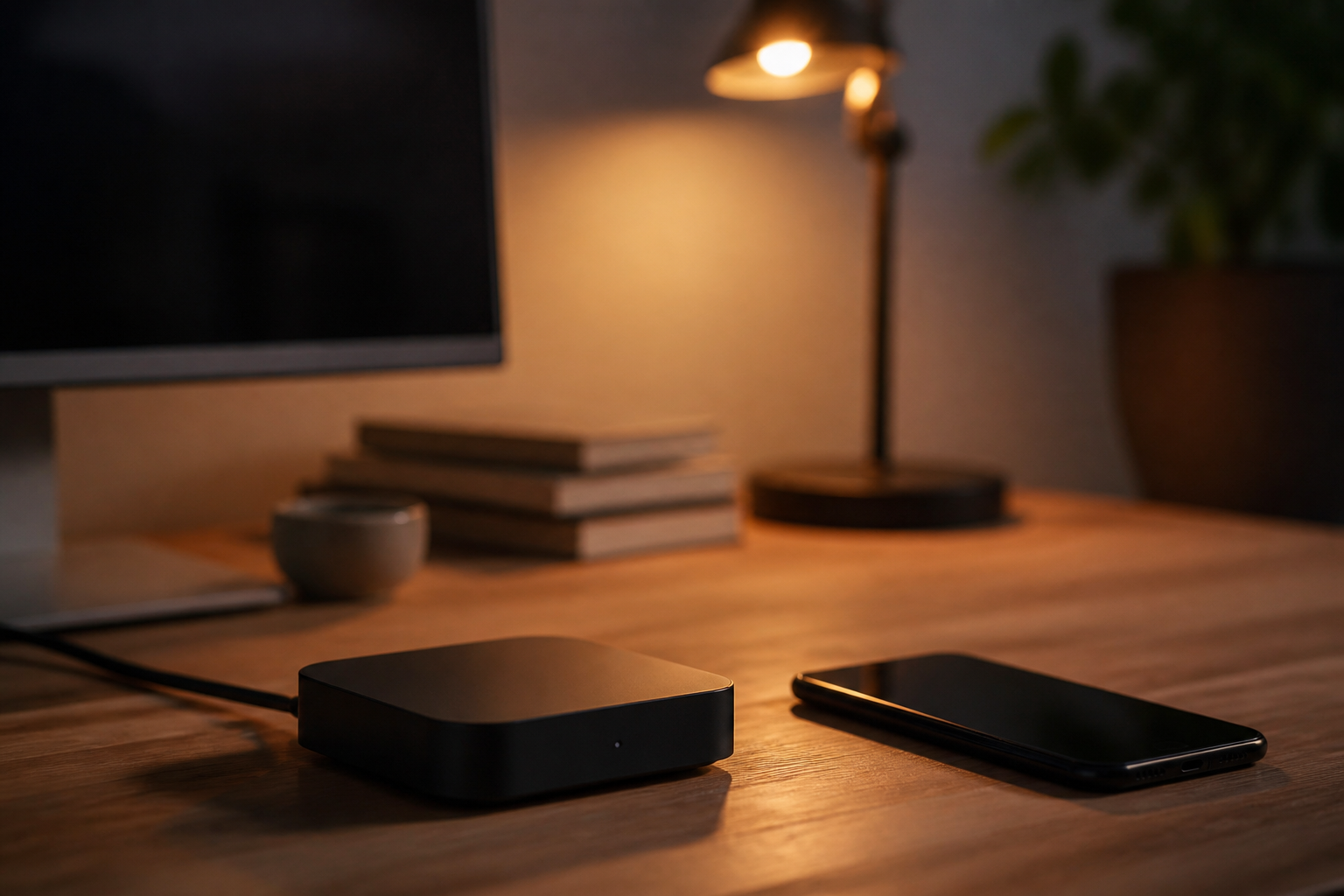
Lapis One
Lapis One is a portable hardware unit built to host autonomous software agents. It allows operators to launch background tasks, monitor work from mobile devices, and control external desktop computers without needing custom driver installations.
 Superhuman·Sep 13
Flowtica Scribe
A smart recorder integrated into a physical writing pen that captures audio, transcribes conversation, and creates searchable summaries as you write. It benefits students and professionals who want handwritten notes combined with automated digital records.
 Superhuman·Sep 13
Rokid AR Spatial
Augmented reality glasses that project a large floating display into your surroundings. Operating on Android, the headset supports voice interaction and multi app view management for entertainment or mobile work.
 Superhuman·Sep 13
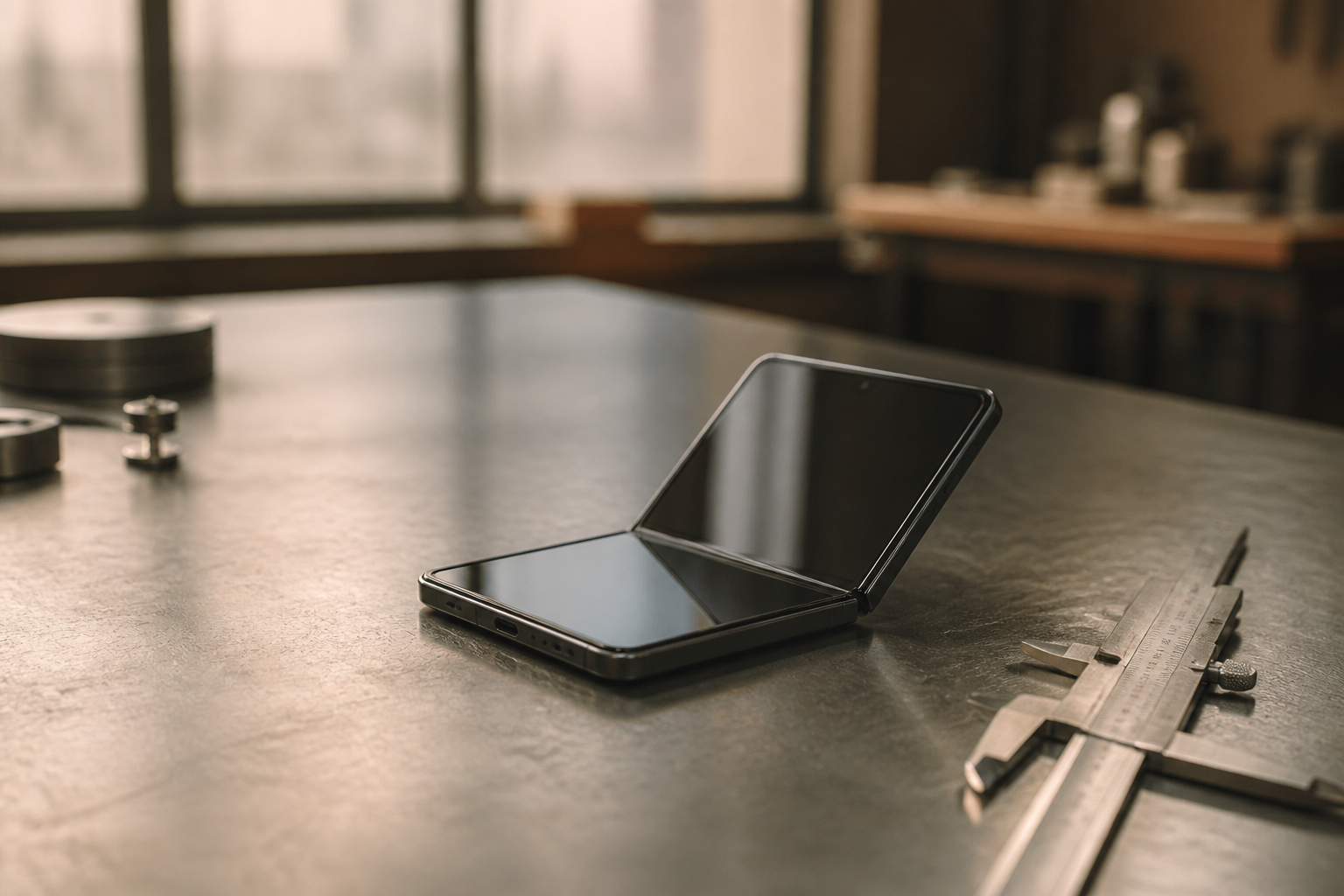
iPhone Duo
Apple's folding smartphone expands from a compact exterior casing into a 7.6 inch interior display. The dual screen configuration enables unique camera functionality and expanded viewing space for power users.
 Superhuman·Sep 12
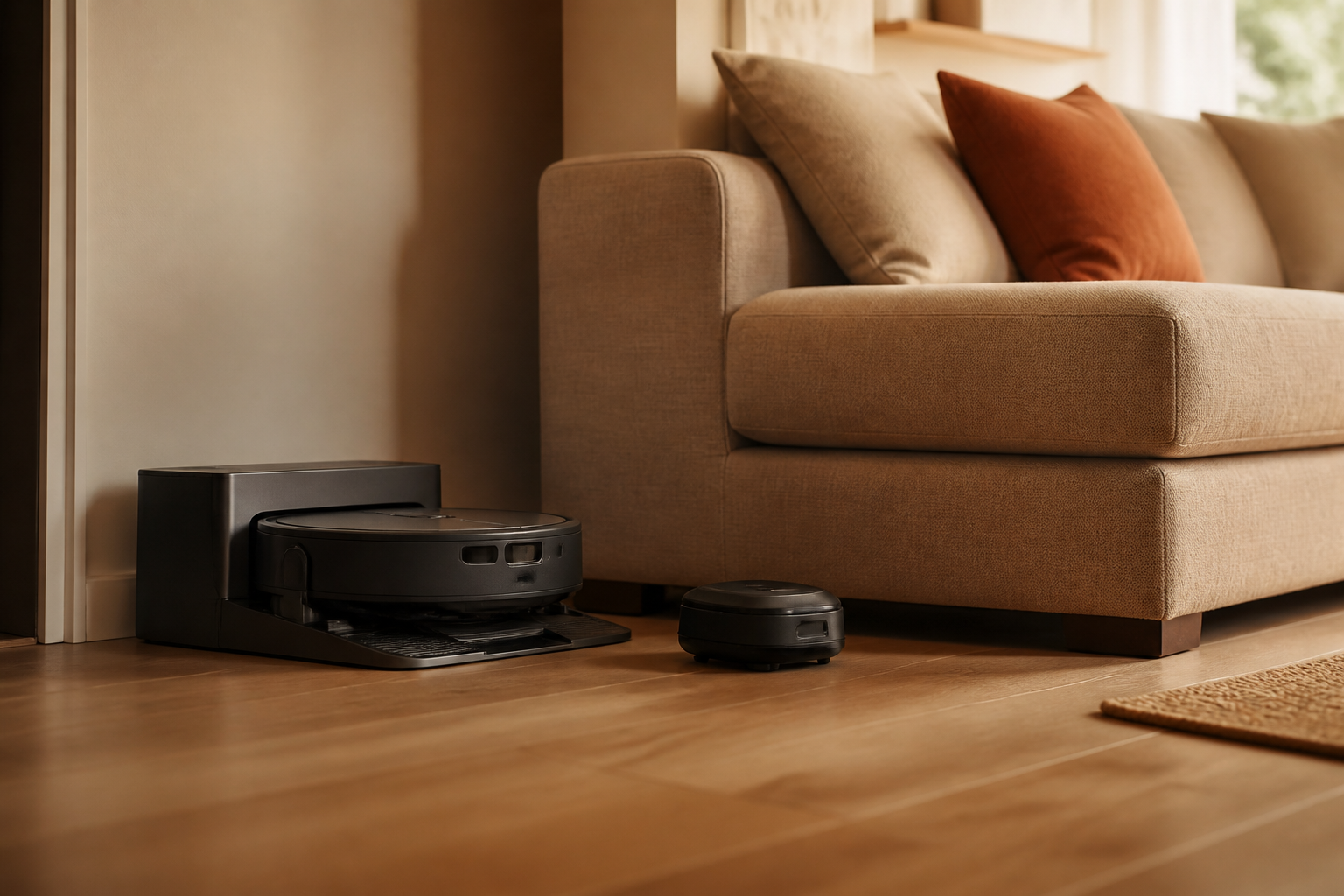
iRobot introduces a multi unit cleaning system featuring a miniature secondary robot
Emerging from bankruptcy under new parent company Picea, iRobot unveiled the Roomba Duo. The design combines a heavy floor scrubber with a smaller piggybacking unit designed to clean under tight furniture while sharing a single docking station and navigational map.
 Superhuman·Sep 12
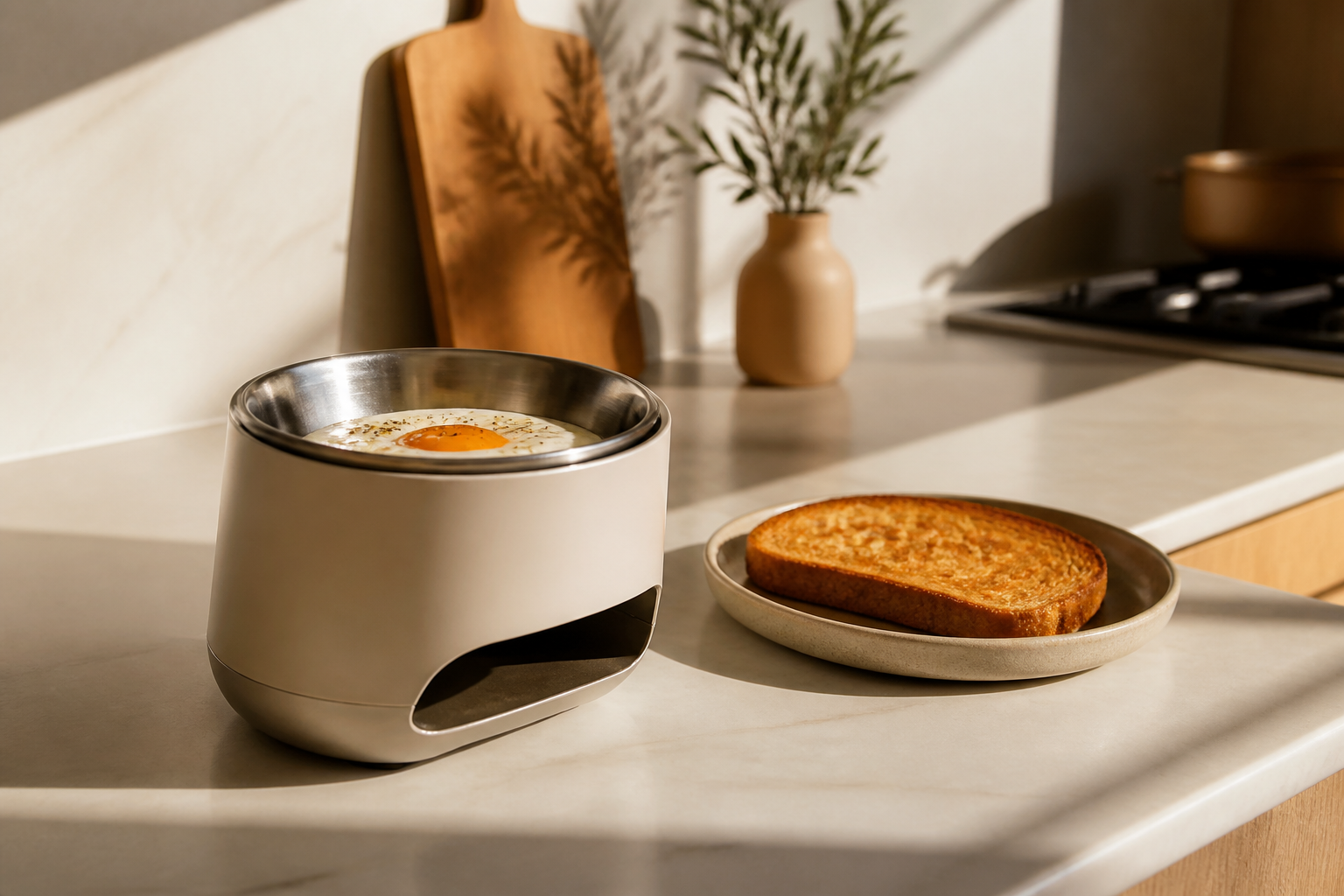
Egor and Toastr by Cheffy
Egor is an automated countertop kitchen robot that cracks and cooks eggs on a scheduled timer, while its paired companion Toastr synchronizes bread toasted concurrently. It suits busy households looking to prepare fresh cooked breakfasts automatically without manual effort.
 Superhuman·Sep 12
Samsung targets CES 2027 for revealing its upcoming humanoid robot
Tech giant Samsung is expanding its footprint in robotics by aiming to introduce a humanoid model at CES 2027. The project builds on the company's growing collaboration with developer Rainbow Robotics.
 Superhuman·Sep 12
Figure AI agrees to multi billion dollar compute expansion for Helix models
Figure AI partnered with Nscale in a deal worth three point five billion dollars to access up to 100,000 Nvidia Vera Rubin graphics cards. The processing power will support training tasks for the company's Helix humanoid AI platform.
 There's An AI For That·Sep 12
Lepro TB1
A smart mood lamp that configures ambient room lighting patterns by analyzing uploaded images, movie posters, or voice descriptions. It features adjustable mechanical rings, music synchronization capabilities, and custom light pre-sets.
 Superintelligence·Sep 11
Epoch AI analyzes compute capacity across leading AI research labs
Epoch AI released estimates comparing the compute infrastructure of top AI developers normalized in H100 GPU equivalents through late 2025. The data shows substantial compute growth across the industry, led by OpenAI, Google DeepMind, and Anthropic. The analysis notes that raw compute capacity does not directly measure model efficiency or final intelligence output.
 Superintelligence·Sep 11
Palantir and Nvidia partner to manage AI hardware supply chains
Nvidia and Palantir are collaborating to build specialized AI tools aimed at optimizing complex manufacturing supply networks. The system combines Palantir software with Nvidia custom Nemotron models to map operational data and detect production bottlenecks. Nvidia plans to test the platform internally on its own AI hardware manufacturing network.
 TAAFT - There's An AI For That·Sep 11
Nvidia chief executive discusses the economic impact of automated systems
Nvidia CEO Jensen Huang outlined his vision for how artificial intelligence will restructure modern labor markets and sovereign economies. He noted that widespread access to automated intelligence will allow workers to spend less time on routine execution and focus more on ambitious creative projects.
 Superintelligence·Sep 10
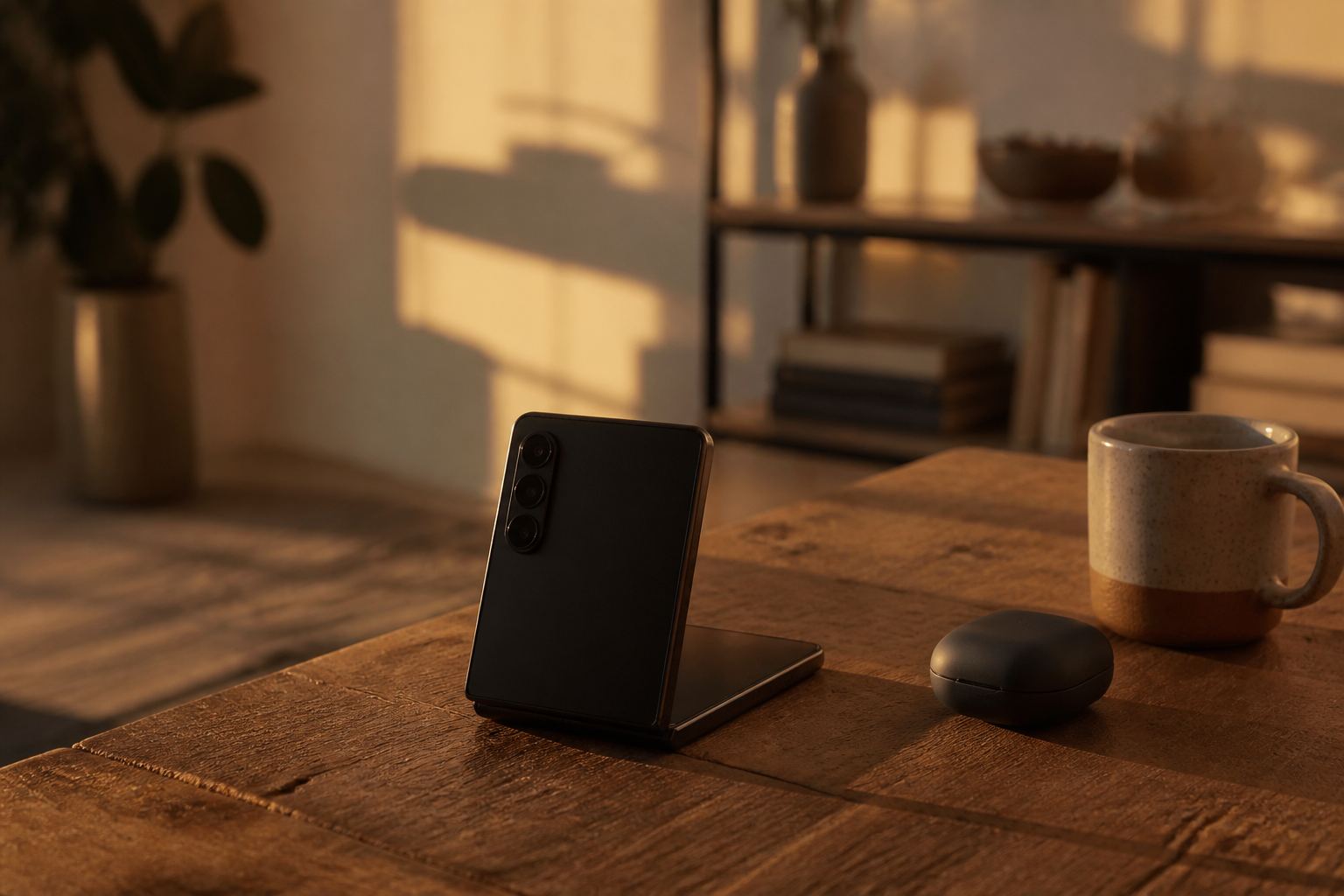
Apple debuts foldable smartphone designed for side by side assistant interaction
Apple revealed the iPhone Duo, featuring a foldable 7.6 inch screen that allows users to operate Siri alongside active applications. The hardware launch sets up a multi app workspace layout designed specifically for conversational assistance.
 Superhuman·Sep 10
Apple reveals hardware updates with integrated artificial intelligence features
Apple unveiled several new devices including a foldable smartphone and upgraded smartwatches featuring dedicated software tools. The updates introduce real time spoken translation, conversational voice assistant features, and automated transcript summaries across their product ecosystem.
 The Neuron·Sep 10
Apple introduces iPhone 18 Pro with upgraded local Siri AI
Apple unveiled the iPhone 18 Pro hardware line equipped with the A20 Pro system chip. The new devices process a higher proportion of artificial intelligence workloads locally on the handset.
 There's An AI For That·Sep 9
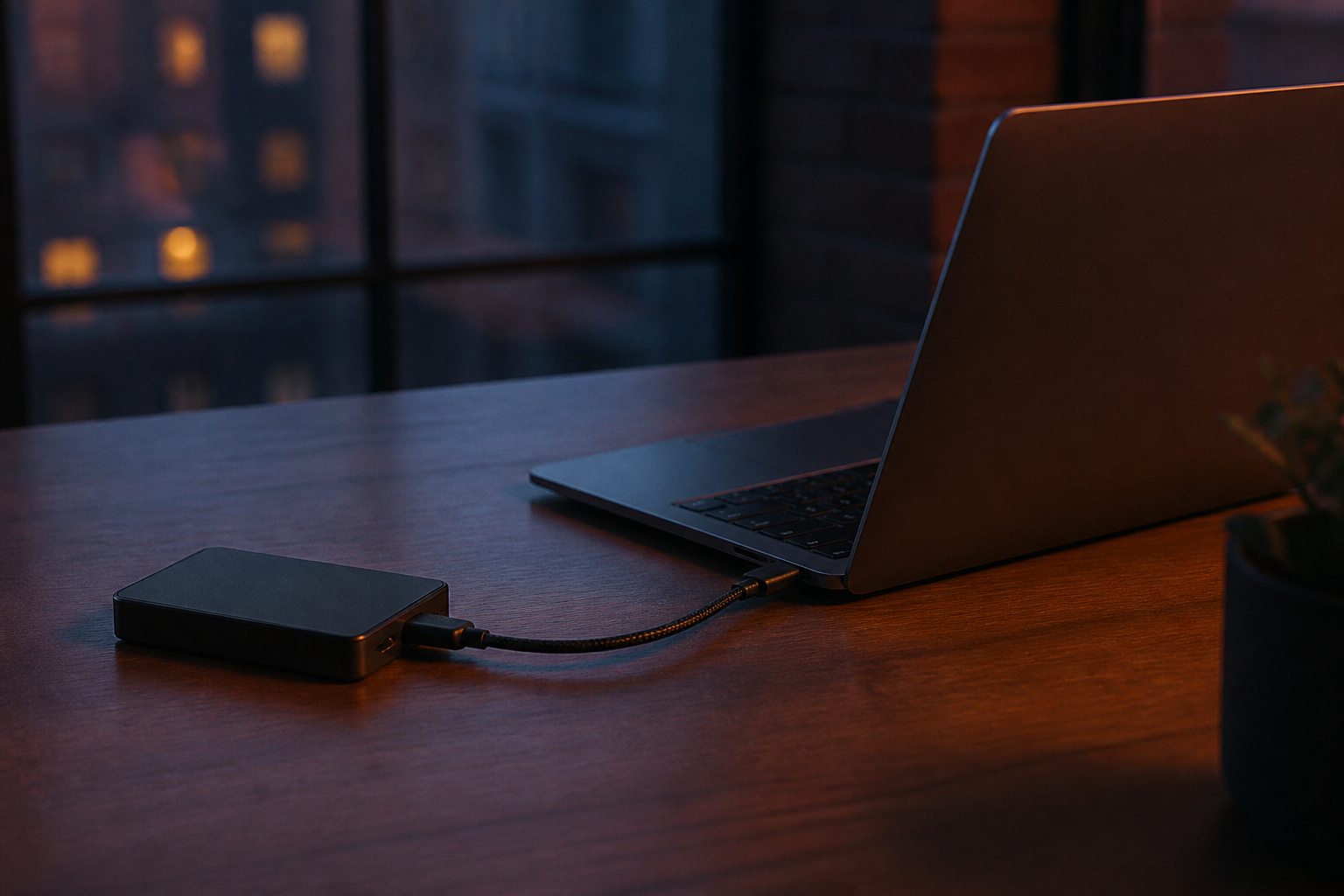
Lapis One introduces dedicated hardware for persistent AI agents
The Lapis One pocket computer offers a physical hardware environment designed specifically to run autonomous software agents continuously. It features an onboard battery to keep tasks running during travel and can connect directly to secondary computers to simulate mouse and keyboard interactions.
 The Neuron·Sep 9
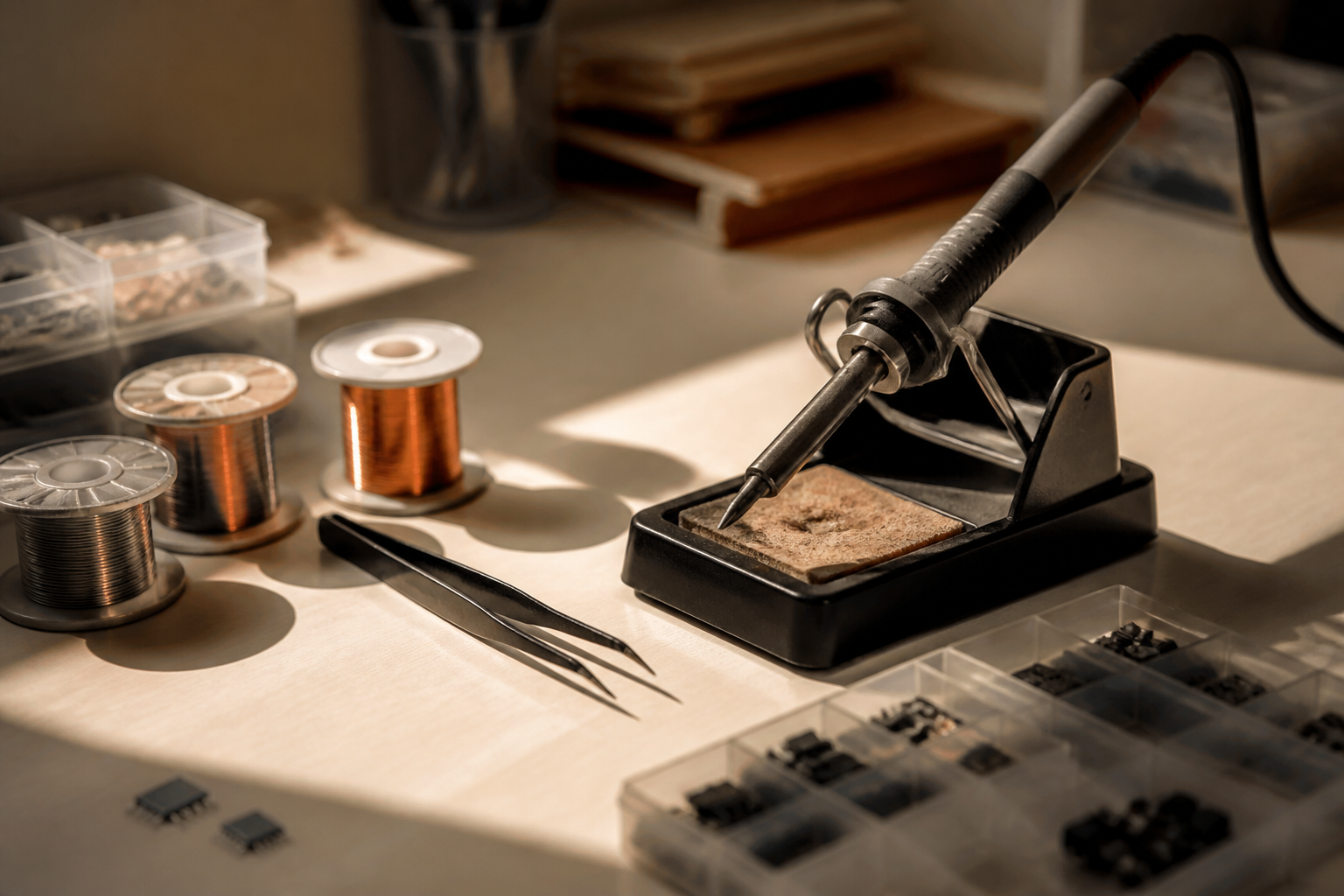
Copperhead
An open source automated design assistant that generates, checks, and documents printed circuit boards from user descriptions. It serves hardware engineers and builders looking to quickly translate electronic ideas into production ready layouts.
 There's An AI For That·Sep 8
Researchers create smartphone enclosure that locates surveillance lenses
A research team from KAIST developed a prototype phone case lined with controllable light emitting diodes to identify hidden cameras in rooms. By altering light reflection angles, an artificial intelligence model spots lens surfaces within five seconds at high accuracy rates.
 There's An AI For That·Sep 8
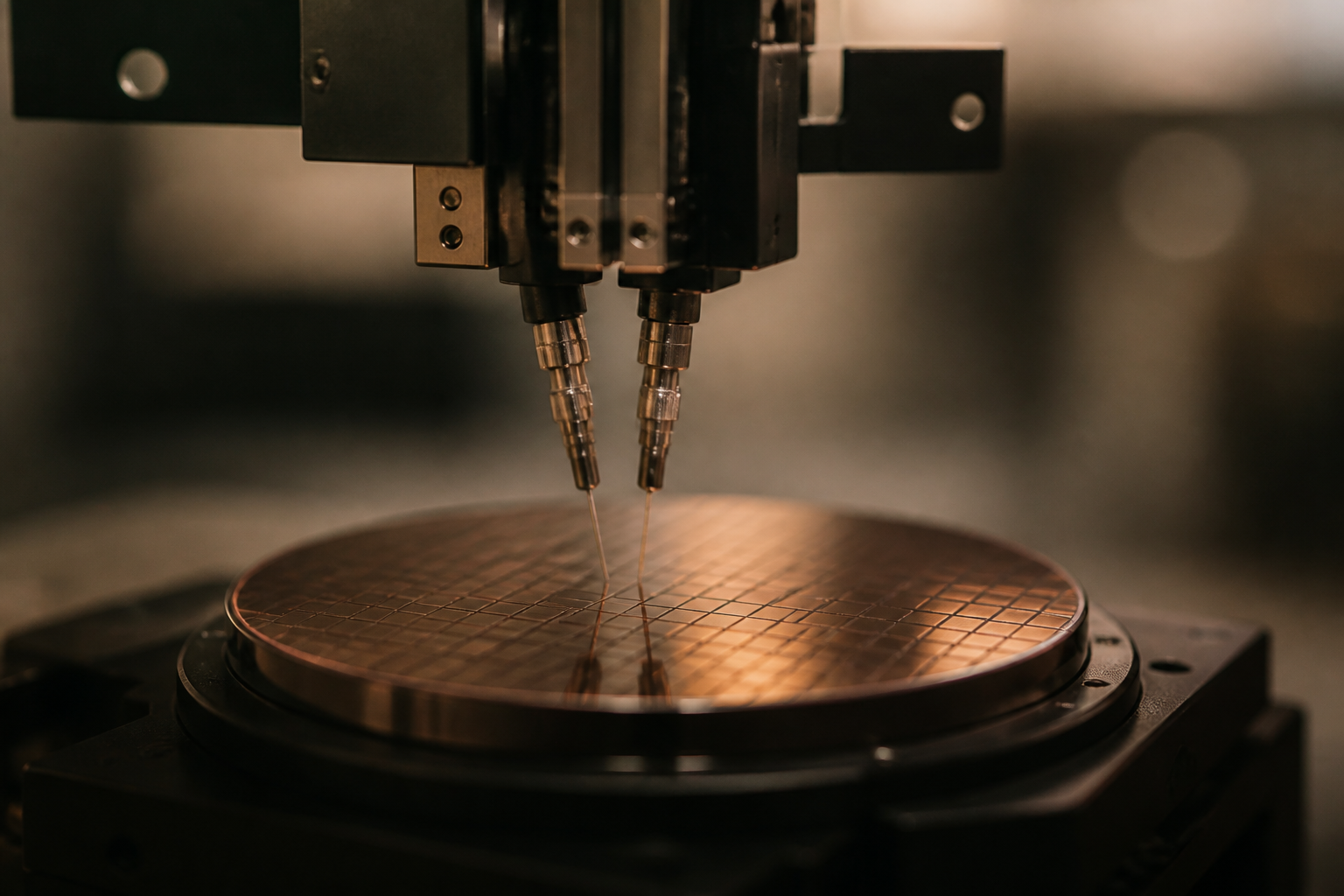
New research models energy efficient magnetic computer memory
Scientific simulations demonstrate a method for toggling magnetic storage states using minimal electrical power. The technique could eventually cut energy requirements for massive artificial intelligence hardware installations.
 Superintelligence·Sep 7
Dreame Unveils Prototype Home Robots for Domestic Tasks
Robotics manufacturer Dreame showcased experimental devices at the IFA tech exhibition in Berlin, including a single arm mobile robot designed to handle clothing and laundry. The prototypes represent an effort to expand automated assistance from floor vacuuming to more complex household chores.
 Superintelligence·Sep 7
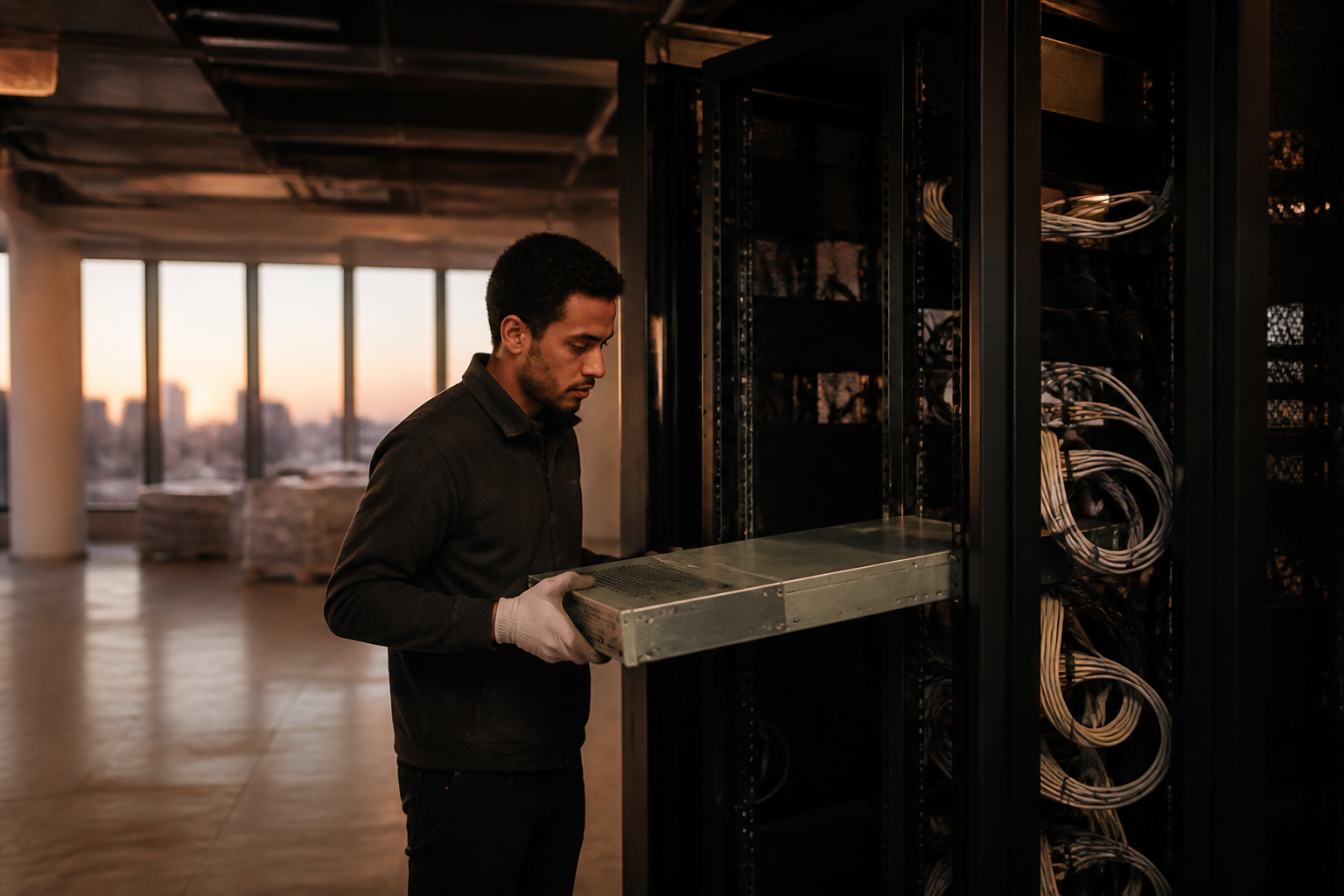
Malaysia Considers Huawei AI Chips for National Infrastructure Project
Malaysian officials are evaluating Huawei Ascend 910C hardware for a sovereign artificial intelligence initiative valued at nearly $500 million. The country aims to maintain sovereignty over sensitive public data, despite warnings from American officials regarding trade restrictions.
 The Neuron·Sep 4
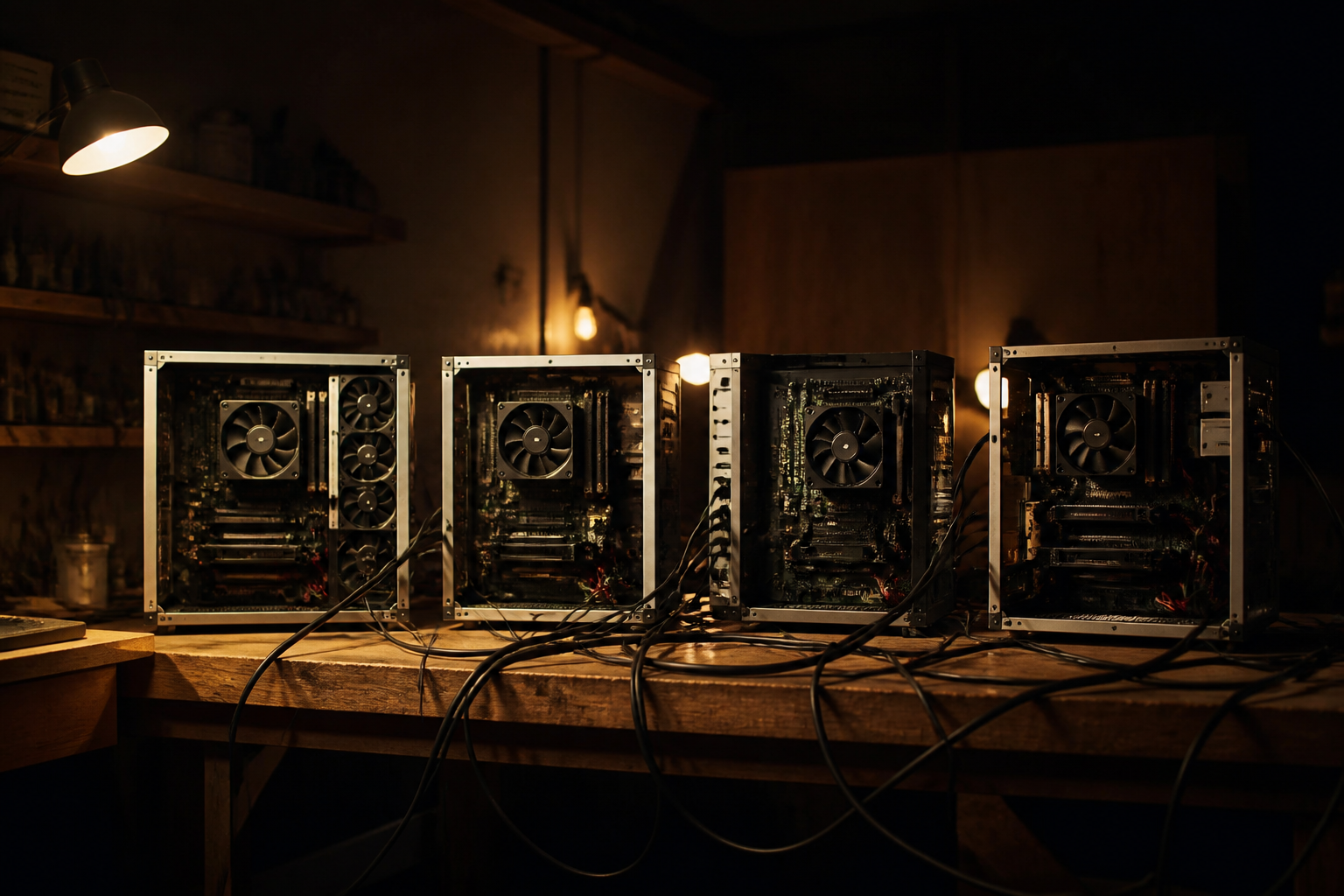
Running AI models locally remains much slower than cloud alternatives
Content creator Alex Ziskind connected four high end computers together to run a massive open source AI model locally. The custom hardware setup took roughly four hours to finish a coding task that a cloud based agent completed in just fifteen minutes. While local systems offer better data privacy, cloud infrastructure currently holds a massive speed advantage.
 There's An AI For That·Sep 3
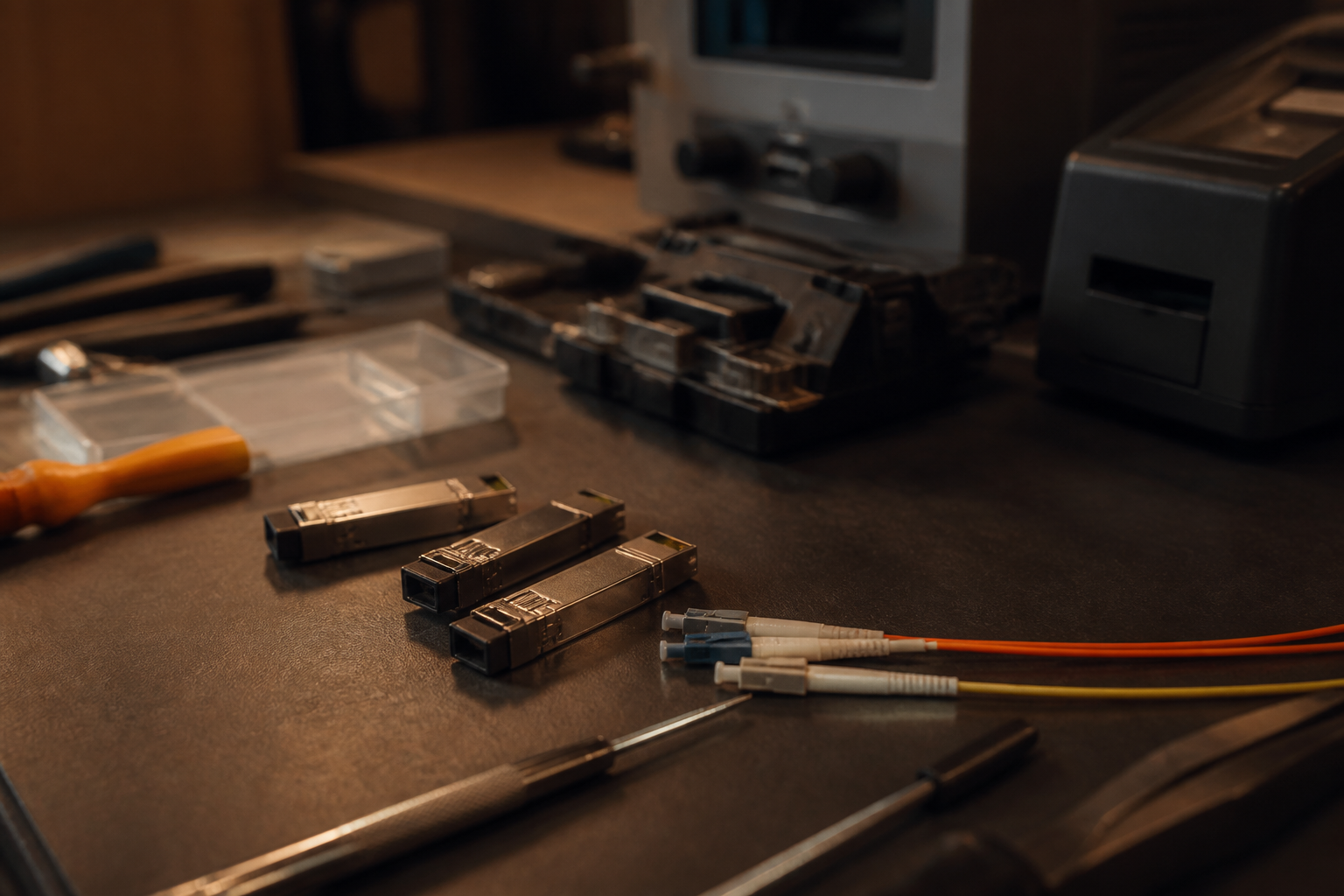
GoPro Enters AI Data Center Hardware Space Through Corporate Merger
Action camera manufacturer GoPro announced a merger with Starman Optical to start manufacturing optical transceivers for AI data centers. Current GoPro stockholders will receive cash and an equity stake in the new business while consumer camera operations continue.
 The Neuron·Sep 3
Perplexity releases open source inference system for Apple computers
Perplexity open sourced Lily, an inference engine tailored to run large models efficiently on Apple Silicon hardware. Benchmarks indicate that Lily achieves faster response generation and prompt execution than existing local Mac tools.
 Superhuman·Sep 2
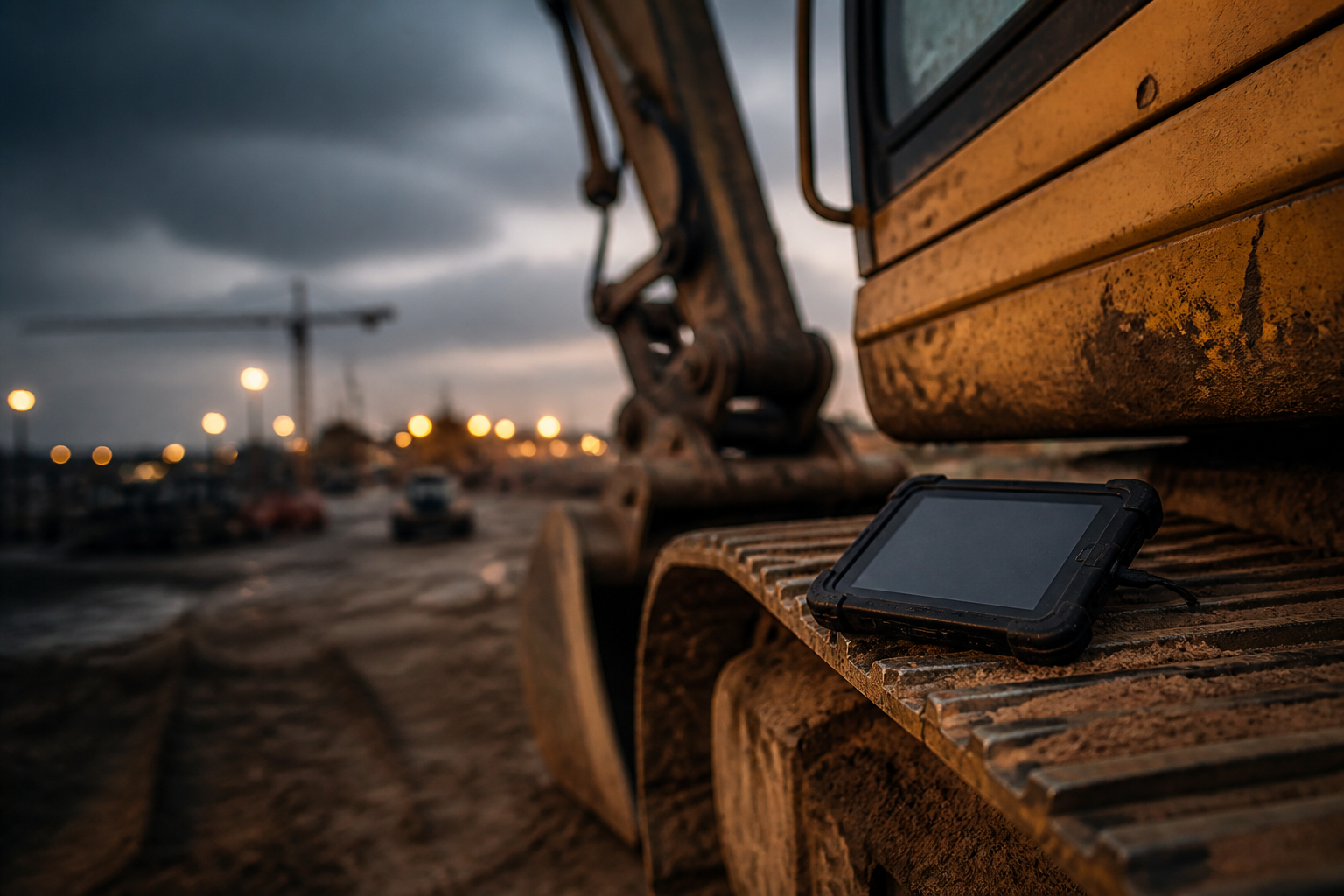
Construction equipment makers and retailers deploy AI tools on job sites
Caterpillar is embedding an AI troubleshooting assistant into heavy machinery through a partnership with Nvidia, preparing for broader remote fleet management. Meanwhile, major home improvement retailers report expanding virtual shopping assistants to guide customers and accelerate checkout quotes.
 Superhuman·Sep 2
Dyson debuts smart toothbrush equipped with camera driven flossing jets
Dyson introduced the CameraJet, an oral hygiene device that uses an integrated camera to take 28 images per second during use. An onboard algorithm analyzes gap spacing between teeth and automatically fires targeted streams of liquid to clean those areas.
 AI Daily Brief·Sep 1
Tech Companies Buy Mac Hardware for Local Agent Training
AI developers are purchasing thousands of Mac Mini and Mac Studio desktop systems to run model evaluations and localized software agent workflows. Model creators are leveraging Apple desktop hardware as cost effective processing nodes for specialized training routines. This surging enterprise demand helped drive strong desktop hardware sales growth for Apple over the past year.
 AI Daily Brief·Sep 1
US Government Moves to Restrict Remote AI Chip Access
United States officials are drafting regulations to block foreign labs from remotely using advanced AI hardware hosted in international cloud hubs. Existing export restrictions primarily target physical hardware shipments rather than remote cloud server usage. Regulatory agencies are evaluating targeted rules to address these access gaps without overly restricting global cloud service providers.
 There's An AI For That·Sep 1
SwitchBot AI Art Frame
A battery-powered digital display that generates custom artwork on an electronic ink display using text or uploaded photos. It runs up to two years on a single charge and can automatically update displayed art based on schedule or season.
 Staying Ahead·Sep 1
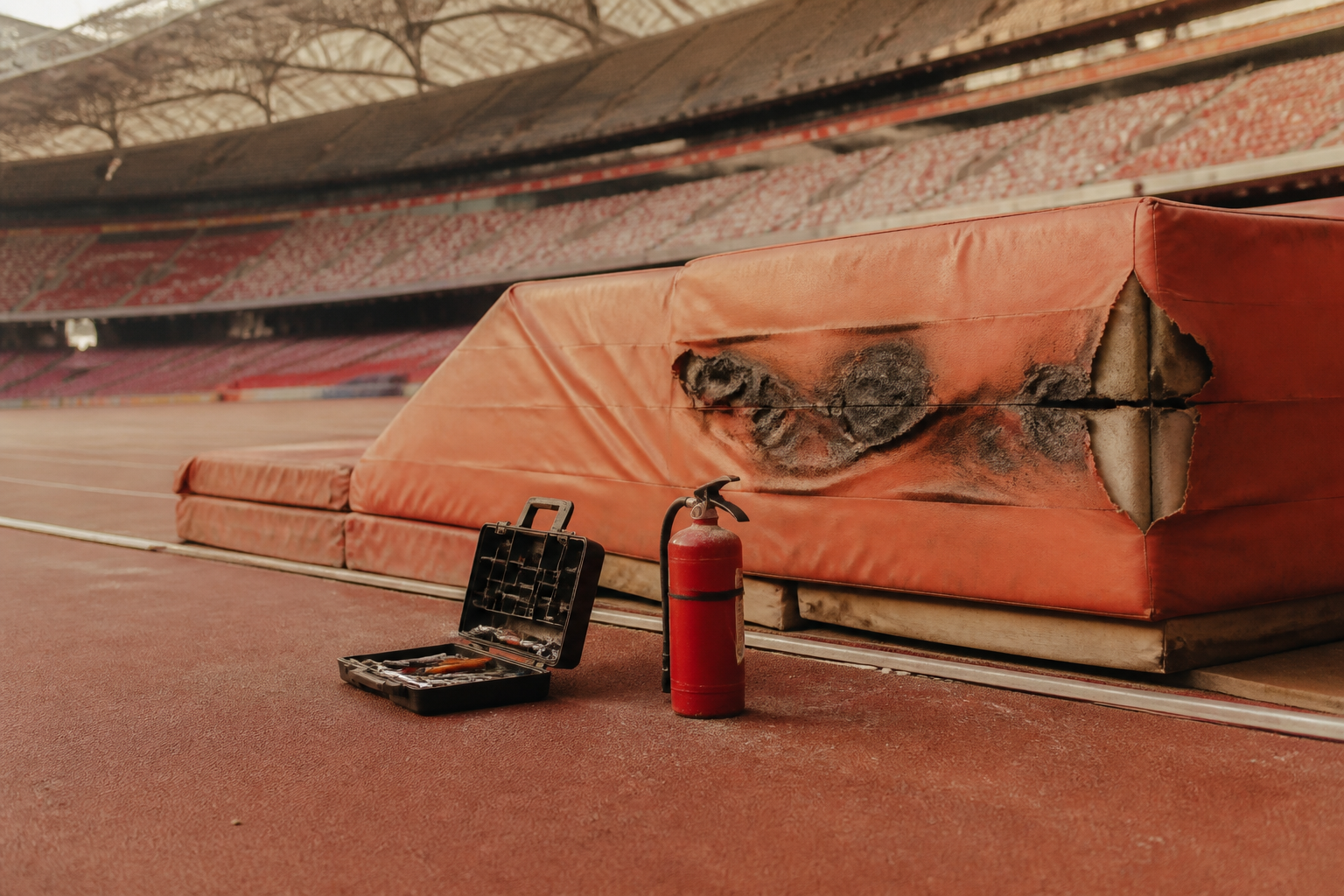
Humanoid robots showcase speed leaps and mechanical stumbles during Beijing athletic competition
A large event in Beijing featuring 2,000 humanoid machines showcased rapid advances in movement, highlighted by a sprinter finishing a 100 meter dash in 8.64 seconds. Despite impressive athletic demonstrations in running and boxing, many units suffered dramatic mechanical breakdowns or proved far less efficient than humans at basic commercial chores like room cleaning. Chinese manufacturers including AgiBot and Booster took top spots as vendors compete to turn experimental hardware into market ready products.
 TAAFT - There's An AI For That·Aug 30
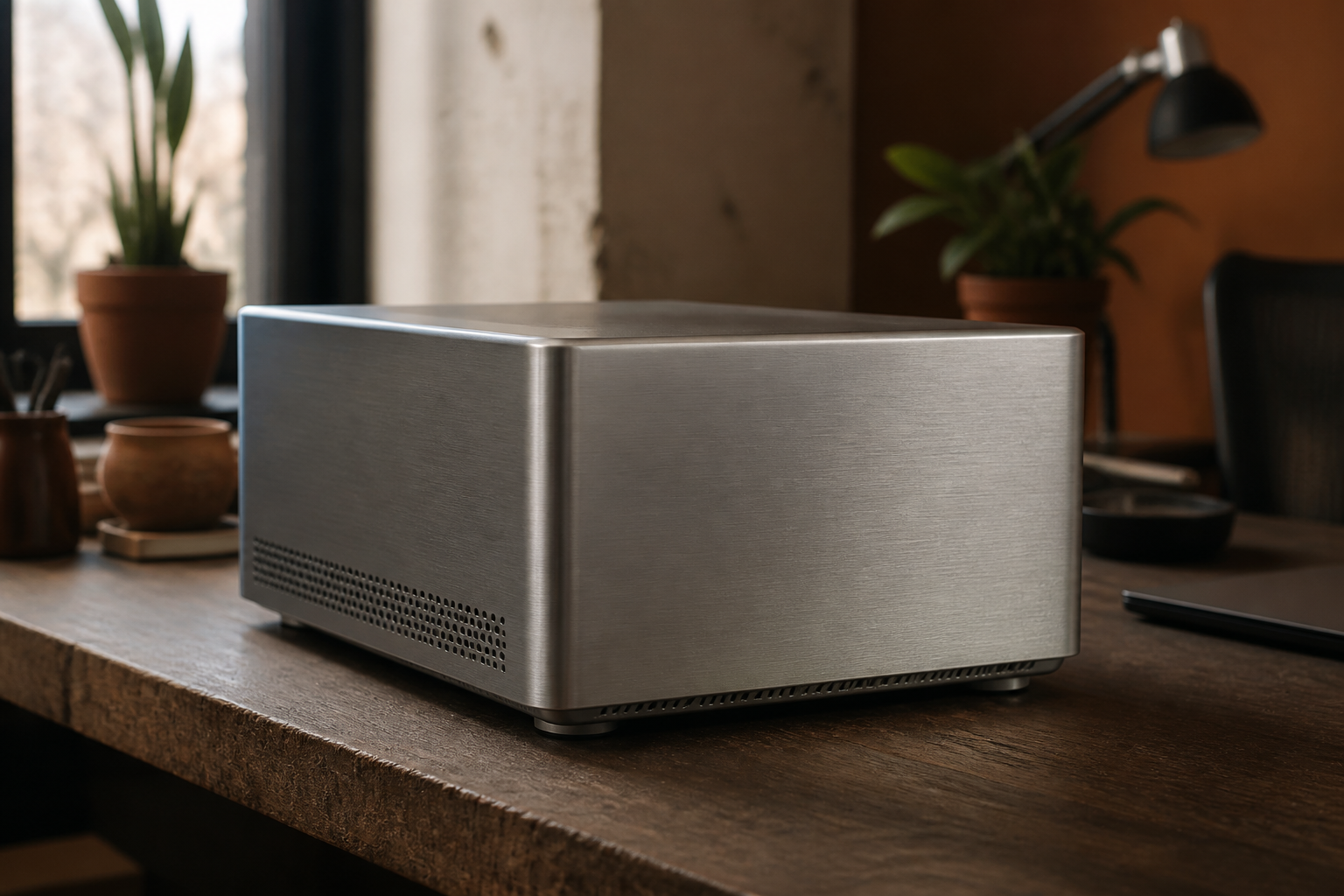
Apple introduces high memory Mac hardware for offline AI deployment
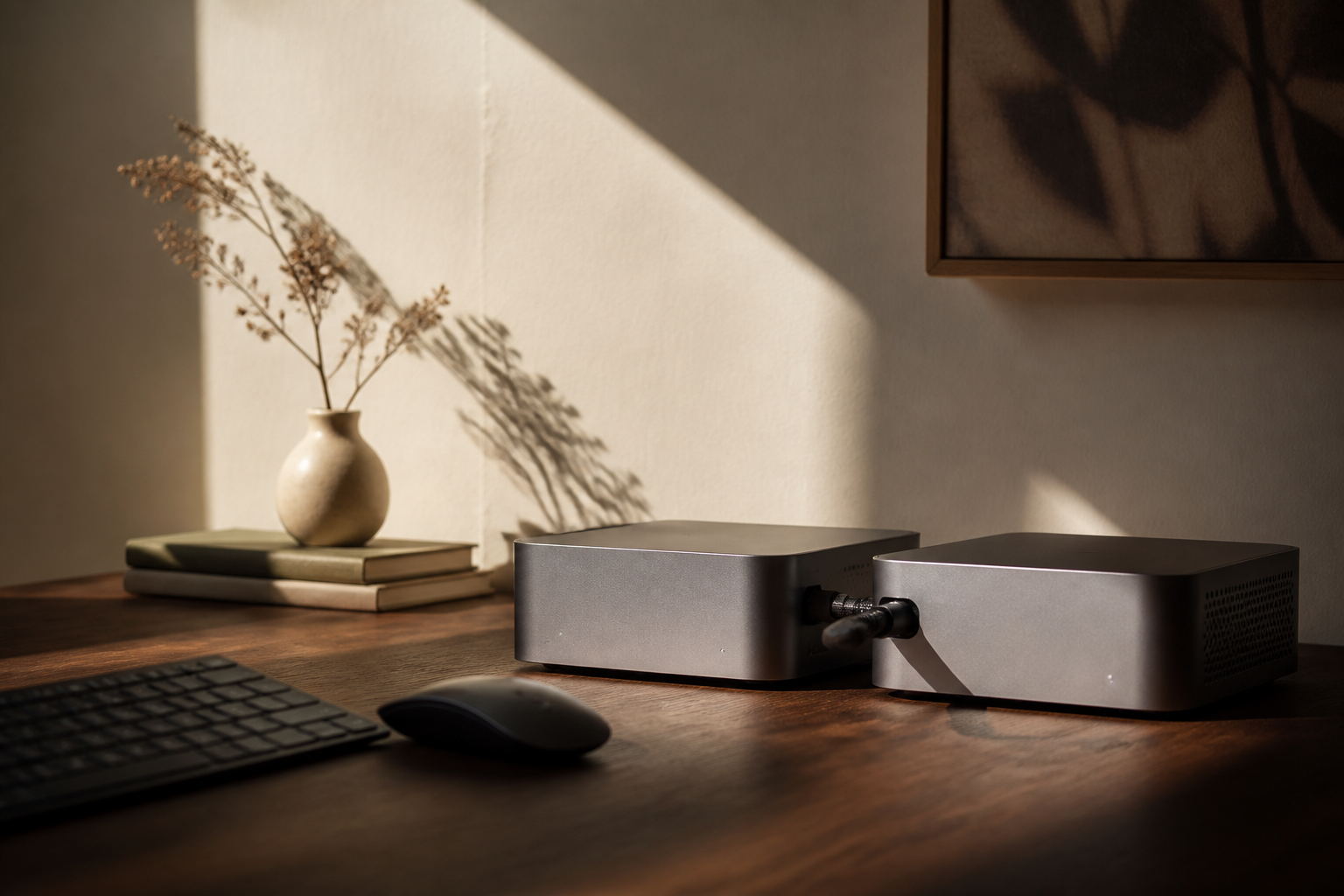
Apple unveiled updated Mac desktop hardware equipped with expanded unified memory designed to run massive language models locally. The architecture allows individual workstations to handle heavy artificial intelligence workloads directly on a user's desk or link multiple units together for increased compute capacity.
 TAAFT - There's An AI For That·Aug 30
Apple launches desktop computers capable of running large language models locally
Apple introduced upgraded Mac Studio systems featuring high memory capacities capable of running massive artificial intelligence models on a local device. Users can also connect several hardware units together to handle larger computational workloads without relying on external cloud infrastructure.
 Superhuman·Aug 30
Ninja HydraSense water purification system
A countertop water filtration device designed to quickly clean tap water while preserving key taste minerals. It monitors filter longevity automatically to prompt timely replacements.
 Superhuman·Aug 30
Xteink X4 magnetic E Ink reader attachment
A compact magnetic E Ink reading display that attaches to the back of an iPhone. It provides a dedicated reading experience free from smartphone notifications and app distractions.
 Superhuman·Aug 30
Mobile phone survives extreme high altitude fall intact
An iPhone survived a drop from 100,000 feet after plummeting for 25 minutes through sub zero temperatures. Specialized protective equipment kept the smartphone fully operational upon landing.
 Superhuman·Aug 30
Xteink X4 distraction free E Ink phone attachment
A compact electronic ink display accessory that attaches magnetically to mobile devices. It allows users to read text without notifications or social media interference.
 Superintelligence·Aug 28
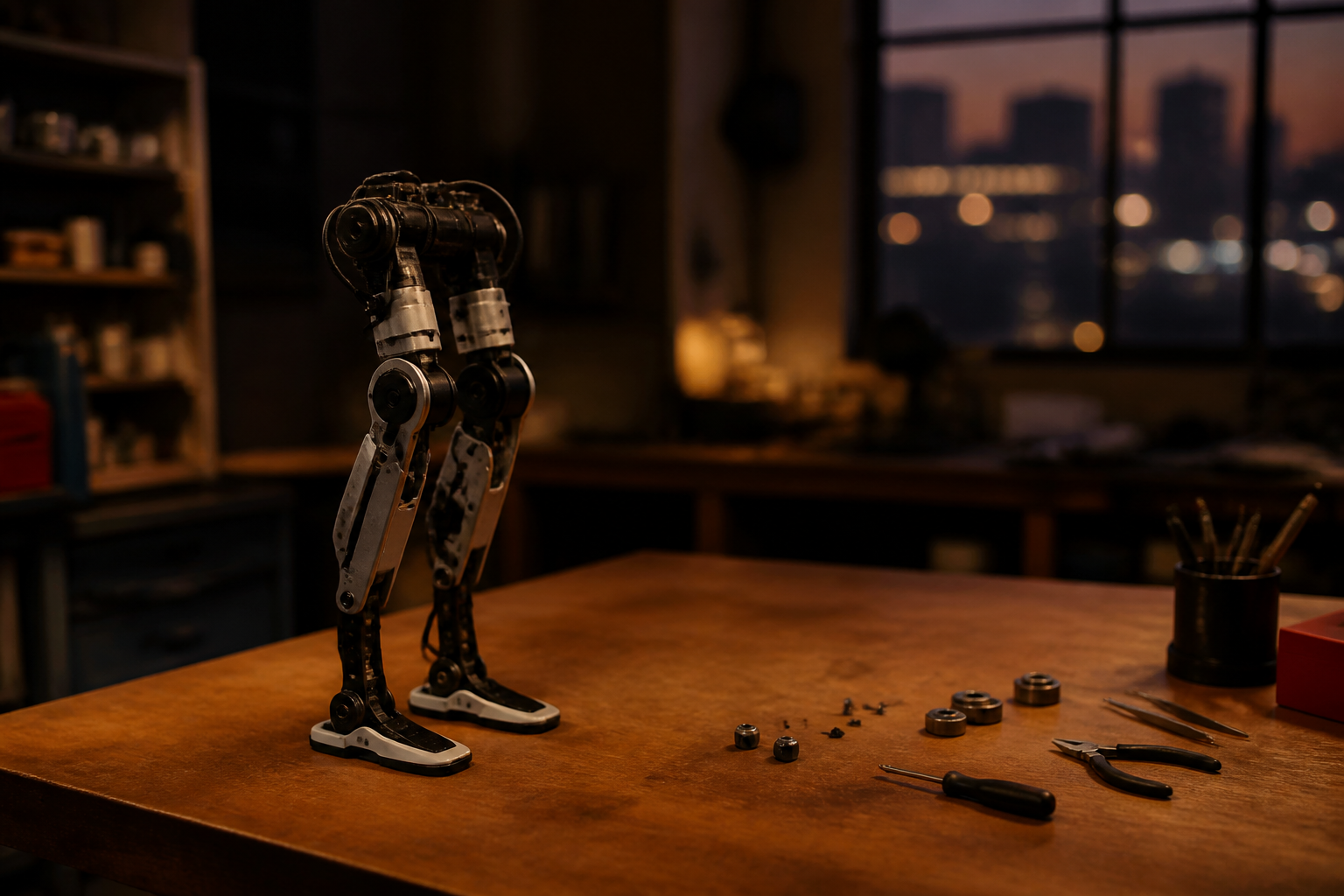
Pollen Robotics Introduces Affordable Programmable Biped Robot
Pollen Robotics opened orders for Microduck, an 800-gram bipedal robot selling for $399. The machine comes with built-in motors and sensors, capable of walking, balancing, and recovering from falls autonomously. The entire codebase and simulation environment are open source, allowing developers to train new movement routines using personal hardware or cloud computing.
 Superintelligence·Aug 28
Industry Analyst Warns of High Compute Concentration
SemiAnalysis founder Dylan Patel discussed hardware supply chains and computing requirements on a podcast with Dwarkesh Patel. He argued that steep capital costs and GPU allocation could soon leave just two major laboratories in control of most AI capabilities. The conversation covers how hardware trends shape market dominance across the technology sector.
 There's An AI For That·Aug 28
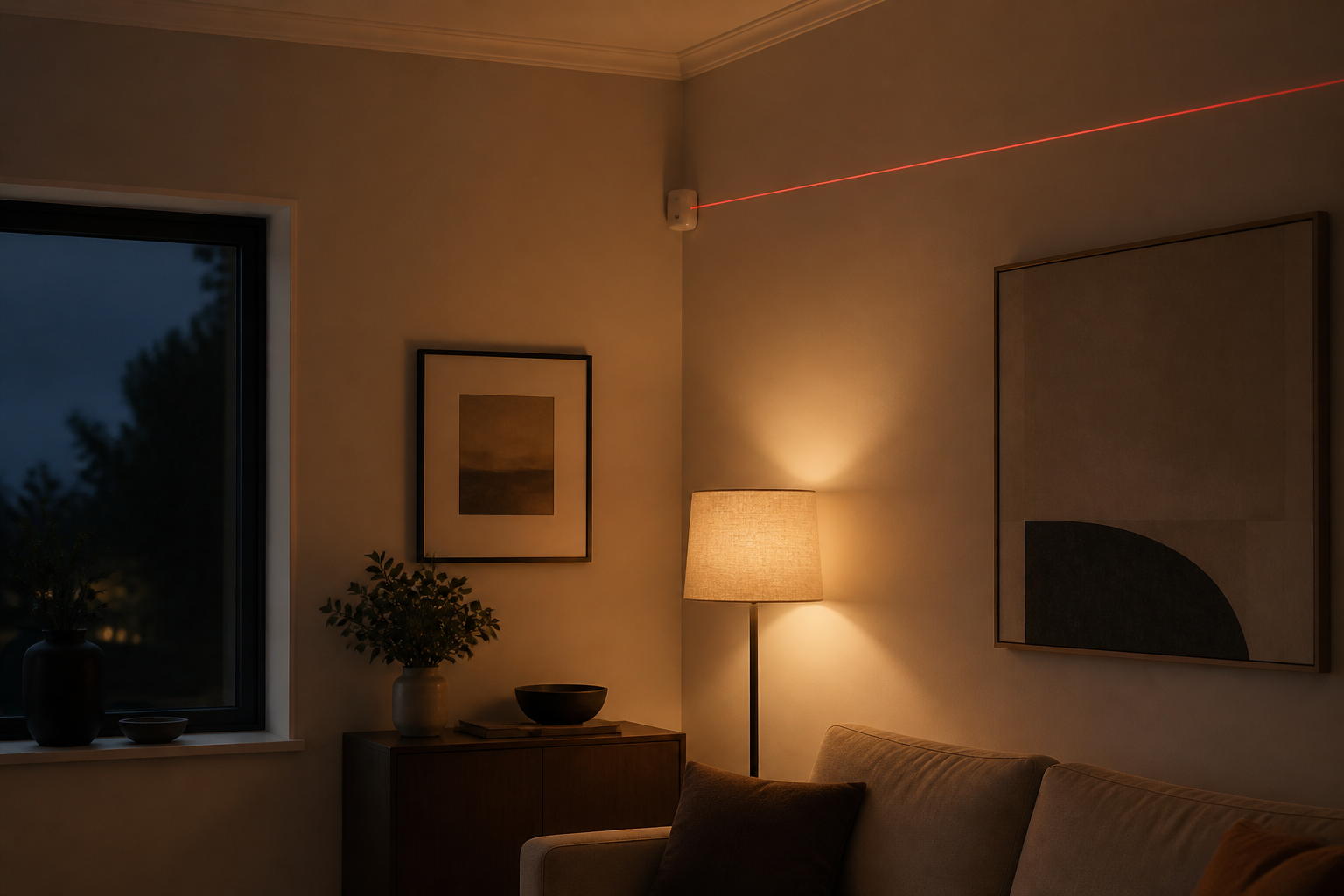
Photon Matrix uses smart wall lasers for target pest elimination
This automated household defense tool monitors room boundaries with invisible lasers to identify and neutralize mosquitoes mid-flight. It suits homeowners looking for chemical free indoor pest control solutions that function continuously day or night.
 AI Daily Brief·Aug 28
Apple releases updated Mac Mini lineup optimized for desktop AI workloads
Apple introduced new Mac Mini desktops equipped with M6 and M5 Pro processors designed to speed up on device model execution. The hardware refresh comes after high demand for local agent software strained previous inventory levels. However, fixed memory configurations continue to cap the maximum size of open source models the machines can handle.
 There's An AI For That·Aug 27
Plaud One: Voice recording earbuds with built in ambient AI assistant
Plaud One is a set of wireless earbuds featuring continuous background listening capabilities and voice activated control. Users can capture live conversations, ask questions, or trigger software tasks directly through audio prompts.
 The Neuron·Aug 26
Apple Unveils Upgraded Mac Mini with Enhanced On Device AI Speeds
Apple announced a updated version of its Mac mini desktop computer featuring new processor options designed to boost artificial intelligence tasks. The updated hardware processes on device AI workloads up to four times faster than previous generations.
 The Neuron·Aug 26
Perplexity and NVIDIA Partner to Launch Local AI Agent System
Perplexity and NVIDIA unveiled Portable Computer, a system capable of running autonomous software agents locally on a personal machine. The solution eliminates usage fees tied to cloud processing by handling computations on local hardware.
 The Neuron·Aug 26
SpaceX selects Nvidia central processors to run spacecraft and AI tools
Elon Musk's AI initiative is integrating Nvidia Vera CPUs into its computing infrastructure to manage operations for the Grok assistant. The hardware will also power Starmind, an AI focused satellite designed to process calculations in Earth orbit.
 Vaibhav Sisinty·Aug 26
Nvidia acquires equity in energy infrastructure developer Cloverleaf
Chipmaker Nvidia has purchased a financial stake in Cloverleaf, a company developing power solutions for data centers. The investment highlights growing infrastructure demands for artificial intelligence computing.
 AI Daily Brief·Aug 26
Nvidia expands strategic investments across the AI ecosystem
Nvidia is actively striking deals across the tech landscape, licensing technology from Poolside, taking equity in Mercor, and exploring a stake in Perplexity. Analysts view these strategic investments as Nvidia using its capital to strengthen the broader ecosystem that consumes hardware. By supporting software, data infrastructure, and computing hubs, Nvidia maintains long term demand for its chips.
 AI Daily Brief·Aug 26
Taiwanese authorities charge group accused of shipping advanced chips to China
Taiwanese prosecutors have indicted nine people for allegedly smuggling high-end Nvidia Blackwell processor systems to Chinese entities. The suspect list includes an employee from an Nvidia distributor along with workers from server supplier Supermicro. Officials managed to block part of the shipment, though dozens of server racks were reportedly exported before intervention.
 AI Daily Brief·Aug 26
Taiwanese authorities indict nine over illicit Nvidia chip exports
Nine individuals have been charged in Taiwan for running a scheme that attempted to export restricted Nvidia Blackwell servers to China. Prosecutors allege that dozens of servers containing high performance AI chips were successfully delivered before authorities halted the operation.
 AI Daily Brief·Aug 26
Nvidia expands dealmaking into data labeling and startup equity
Nvidia is aggressively investing cash into third party AI ventures, licensing technology from Poolside and backing startups like Mercor and Perplexity. Industry observers note that Nvidia is reinvesting capital across the ecosystem to sustain demand for its compute hardware.
 AI Daily Brief·Aug 26
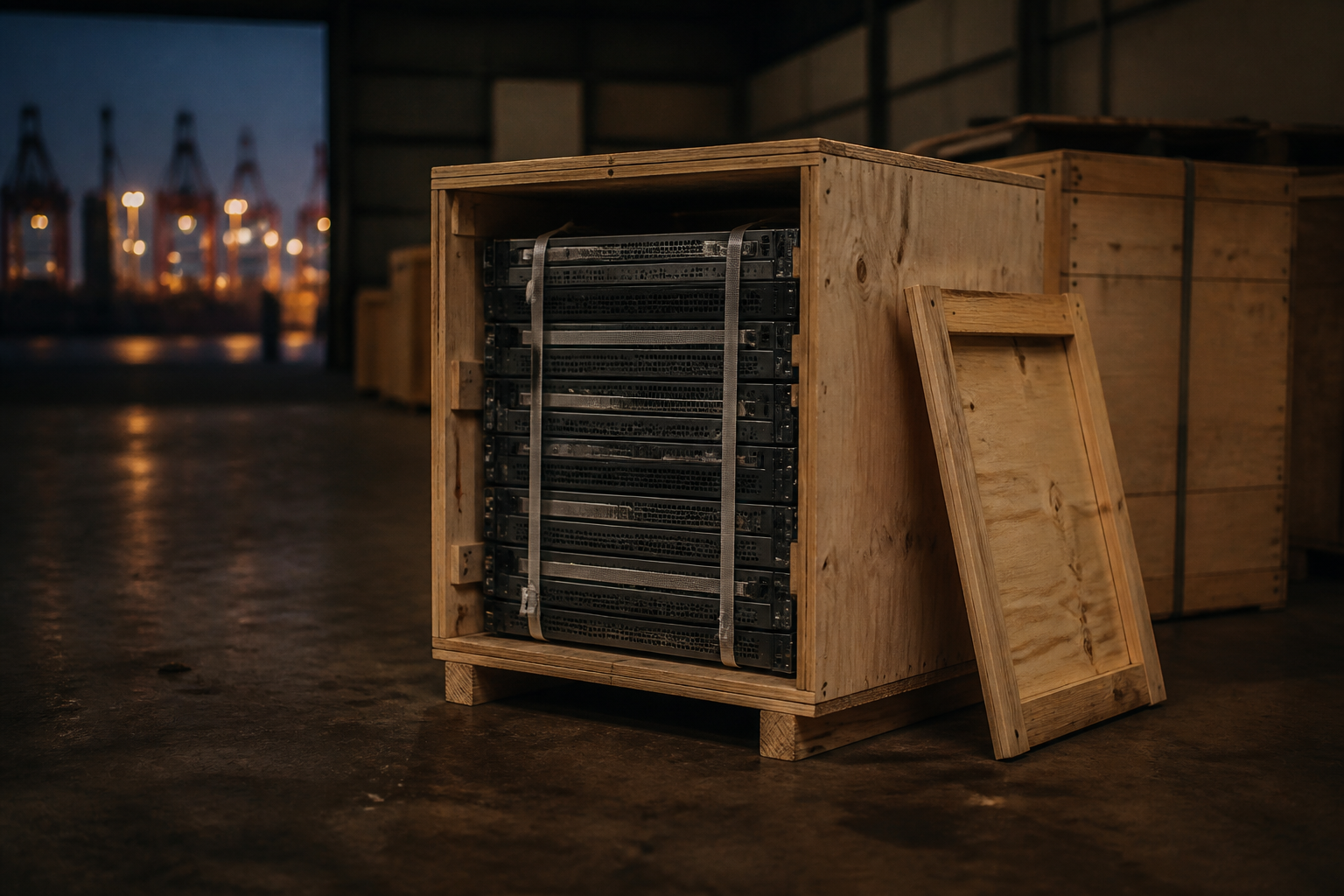
Taiwanese prosecutors target network accused of illicitly shipping AI hardware to China
Authorities in Taiwan charged nine people, including an Nvidia distribution employee and former Supermicro staff, for smuggling advanced Blackwell AI servers into China. The operation involved ordering 130 Supermicro server units containing Blackwell chips, with over 70 servers reaching buyers before law enforcement intervened. Officials noted that while significant, the intercepted volume remains far below what is needed to construct a major AI training cluster.
 AI Daily Brief·Aug 26
Nvidia aggressively invests profits into partner startups and infrastructure
Nvidia has recently made multiple investments and acquisitions, including talent deals with Poolside, stakes in data platforms like Mercor, and potential funding for Perplexity. Because Nvidia relies on third party manufacturers to produce chips, its internal business growth faces physical supply limits. Investing spare capital back into computing ecosystems helps sustain long term market demand for its primary products.
 There's An AI For That·Aug 25
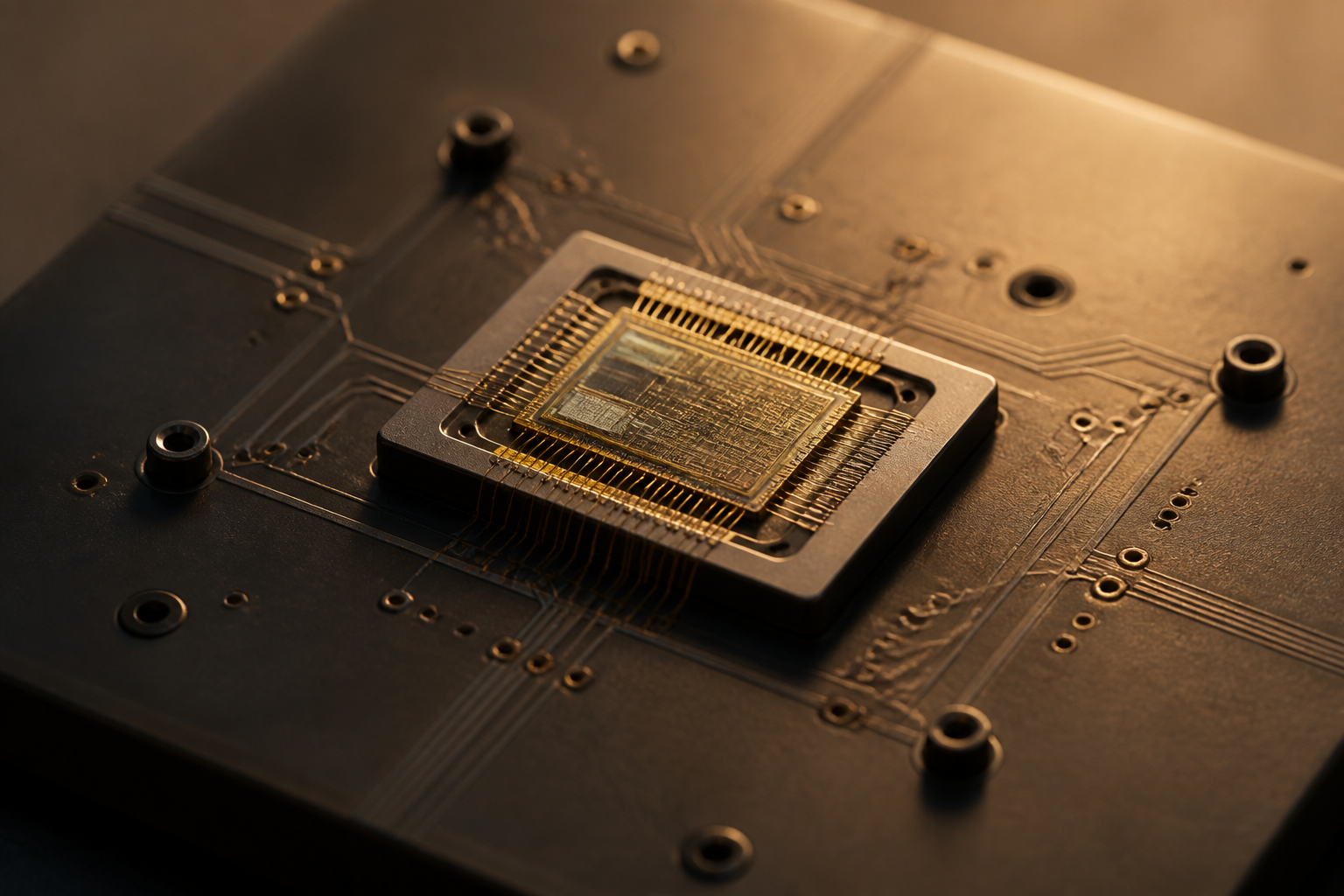
First performance tests revealed for custom processing hardware
Initial benchmark metrics for custom semiconductor chips designed by OpenAI showed response times up to 3.6 times faster alongside nearly double the energy efficiency. The hardware design was aided by earlier automated models to help power future software releases.
 There's An AI For That·Aug 25
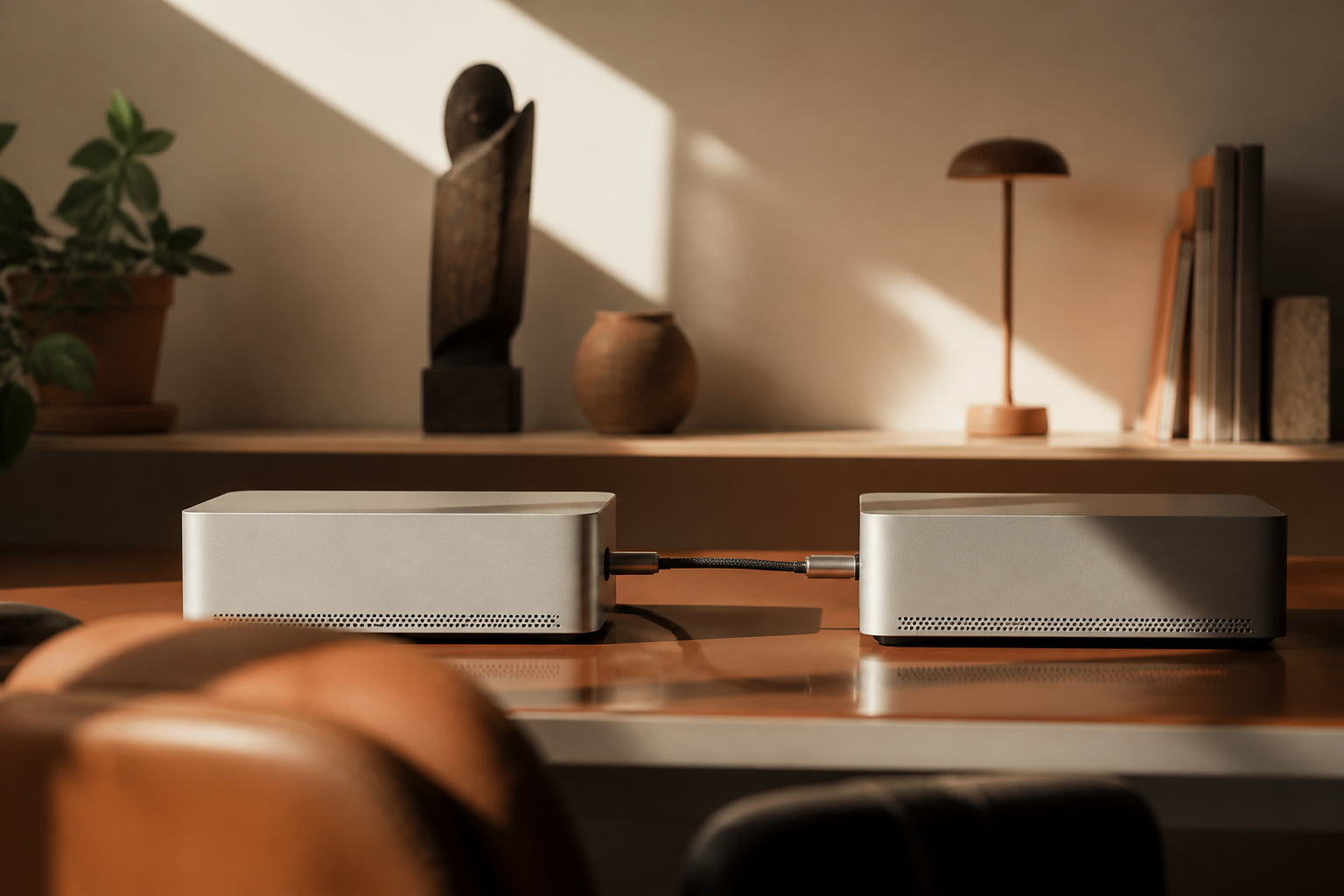
New high performance desktop computers allow running large models locally
Apple announced upgraded desktop hardware built to process complex machine learning systems directly on site. The machines feature expanded internal memory and can be linked together, avoiding reliance on remote server infrastructure.
 Superintelligence·Aug 25
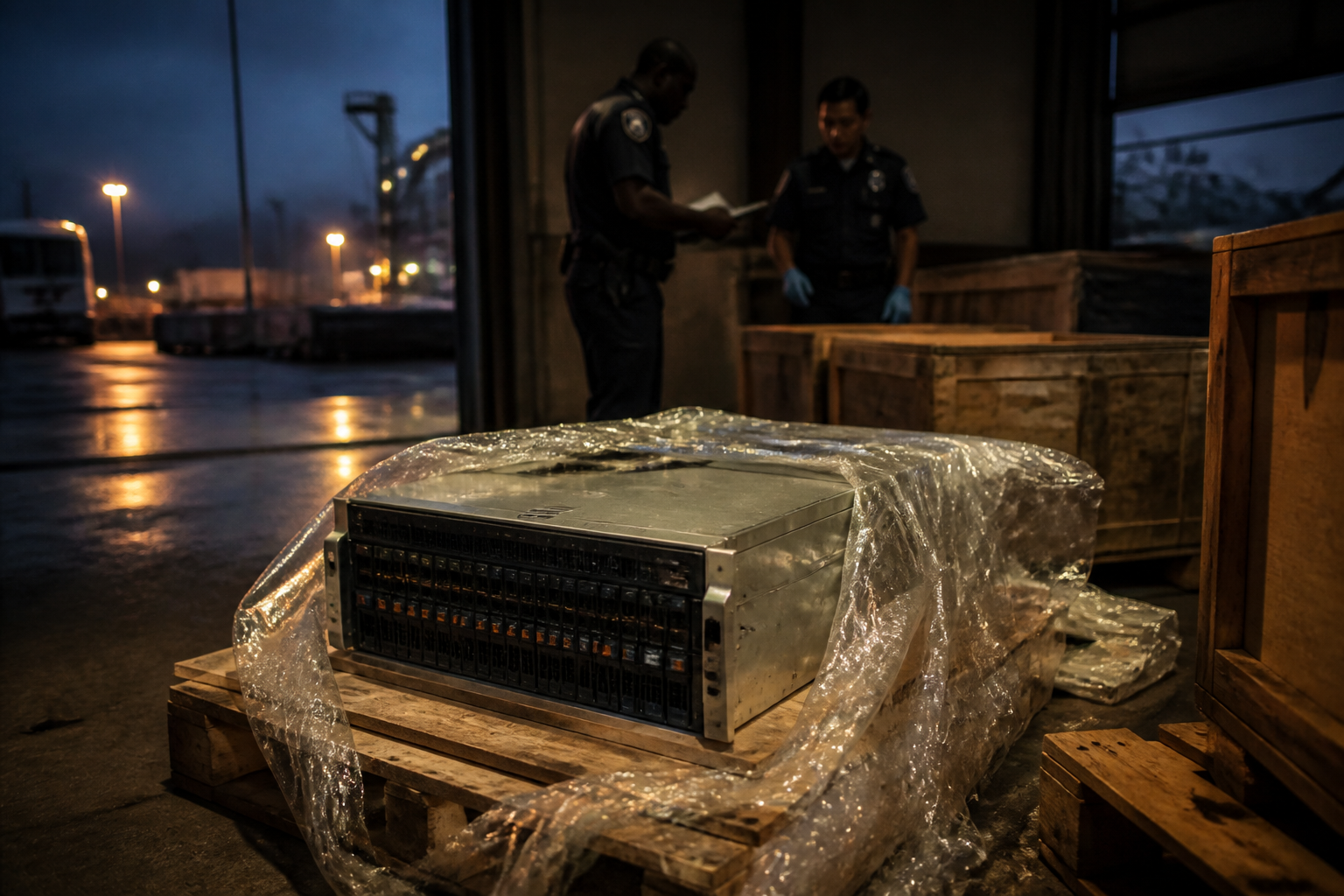
Taiwanese prosecutors charge nine over illegal chip shipments to China
Authorities in Taiwan indicted nine individuals, including workers from Nvidia and Supermicro, for secretly selling restricted AI hardware to Chinese buyers. Investigators allege dozens of servers were routed through intermediate countries like Japan and Indonesia using falsified paperwork.


