
Google Prepares to Test AI Processing Chips in Earth Orbit
Google plans to launch its tensor processing units into space aboard a satellite developed with Planet. The experiment aims to determine whether custom AI hardware can endure intense radiation, vacuum conditions, and launch forces while operating on solar power.
The Blend
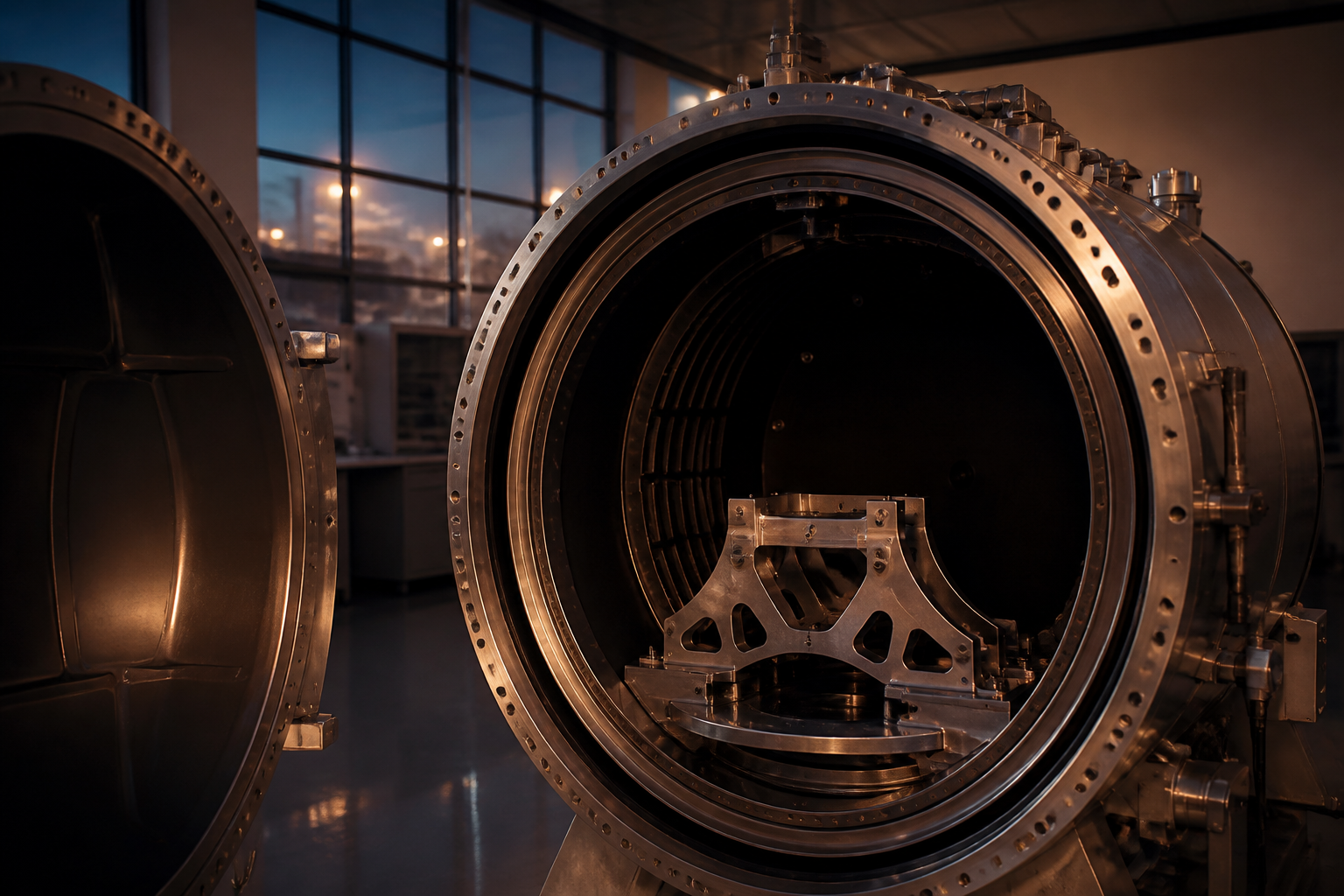
Google announced an experimental initiative called Project Suncatcher, which aims to send specialized artificial intelligence processors into low Earth orbit. According to Google's official research post, the company built a prototype satellite to evaluate how its custom chips endure the violent shaking of a rocket launch, intense space radiation, and cooling challenges in a vacuum.
Data centers on Earth require immense amounts of electricity and water for cooling, raising concerns about local power grid strain and environmental impact. Out in orbit, satellites can capture uninterrupted sunlight, generating up to eight times the solar energy available to ground panels. If technology companies can successfully move heavy computer processing off the ground, it could eventually relieve pressure on terrestrial energy infrastructure.
Major technical obstacles remain before orbital computing becomes a practical reality. Launching heavy hardware into space is remarkably expensive, and repairing broken processors thousands of miles above Earth is virtually impossible. It remains unclear whether space based data processing can ever match the total cost efficiency of ground facilities, or if radiation damage will degrade hardware too quickly to make solar gains worthwhile.
Written independently by AI News Smoothie from the reporting listed below. Facts belong to the original publishers. Follow the links for their full coverage.
Ingredients
- Learn about Google’s Project Suncatcher to put ML infrastructure in space
Google is launching a prototype satellite under Project Suncatcher to test if custom AI chips can withstand space radiation and extreme temperatures while drawing continuous solar energy.