AI Infrastructure
12 stories in this blend
 Superintelligence·Sep 25
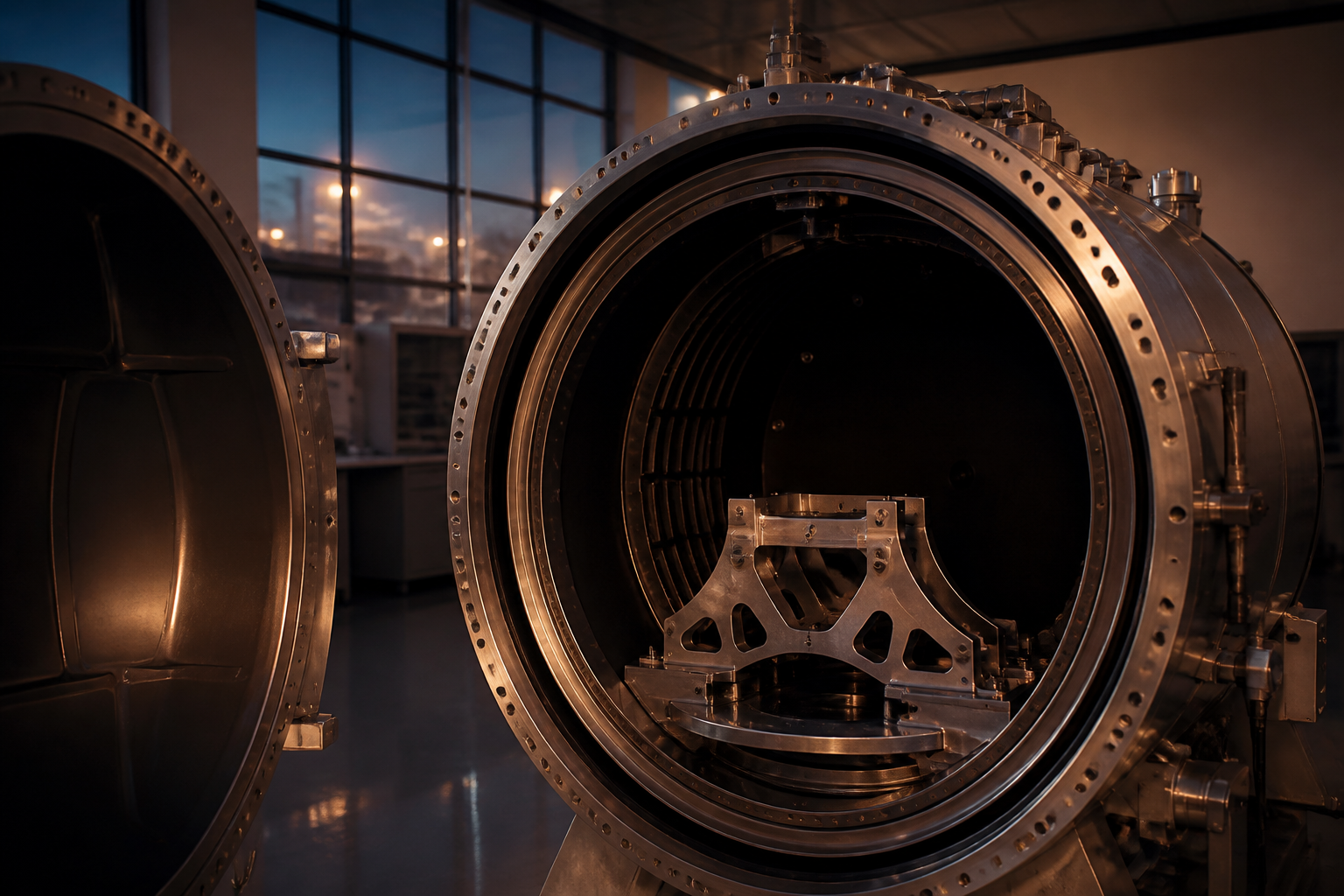
Google Prepares to Test AI Processing Chips in Earth Orbit
Google plans to launch its tensor processing units into space aboard a satellite developed with Planet. The experiment aims to determine whether custom AI hardware can endure intense radiation, vacuum conditions, and launch forces while operating on solar power.
 The Neuron·Sep 25
Akamai signs multi billion compute agreement with Anthropic
Cloud service provider Akamai entered into an $11.6 billion contract with Anthropic to handle compute workloads over seven years. The deal includes optional expansion clauses as processing demands grow over time.
 The Neuron·Sep 20
OpenAI estimates high cash spend and compute investments through 2030
Financial forecasts indicate OpenAI expects over 850 billion dollars in total compute and infrastructure expenses through the end of the decade. The projections also anticipate significant negative operational cash flow over the same timeframe.
 Superintelligence·Sep 17
AI Agent Assists Engineering Team in Hardware Model Deployment
An automated infrastructure agent powered by GLM 5.3 assisted software developers in deploying a faster variant onto domestic hardware within two weeks. The autonomous system optimized execution workflows while human engineers set overall goals and reviewed risky modifications.
 Superintelligence·Sep 12
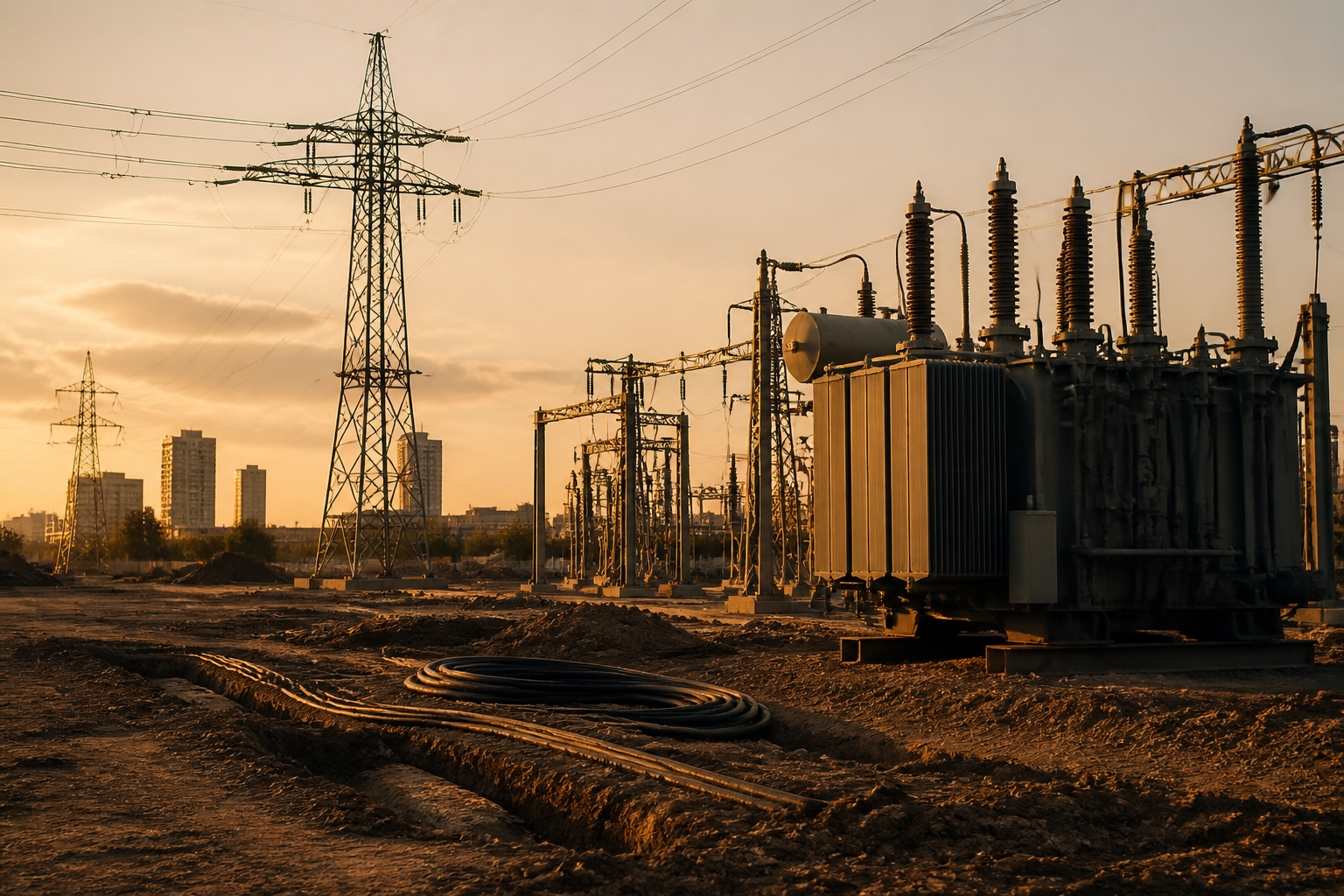
Grid Congestion and Power Rules Limit European AI Infrastructure Growth
Electrical grid bottlenecks across key European hubs like Frankfurt and Paris are forcing new AI data centers to wait up to seven years for power access. Local network operators must prioritize specific connection requests, making utility policies a major factor in deciding which AI developers succeed. These extended delays leave European projects struggling to compete with quicker deployment timelines in US markets.
 There's An AI For That·Sep 12
SpaceX Secures Major Monthly Infrastructure Contract for Computing Power
SpaceX signed an agreement with an unnamed client to supply computational capacity valued at over one billion dollars each month. The contract is projected to contribute roughly thirteen billion dollars in annual revenue starting late this year.
 Superintelligence·Sep 11
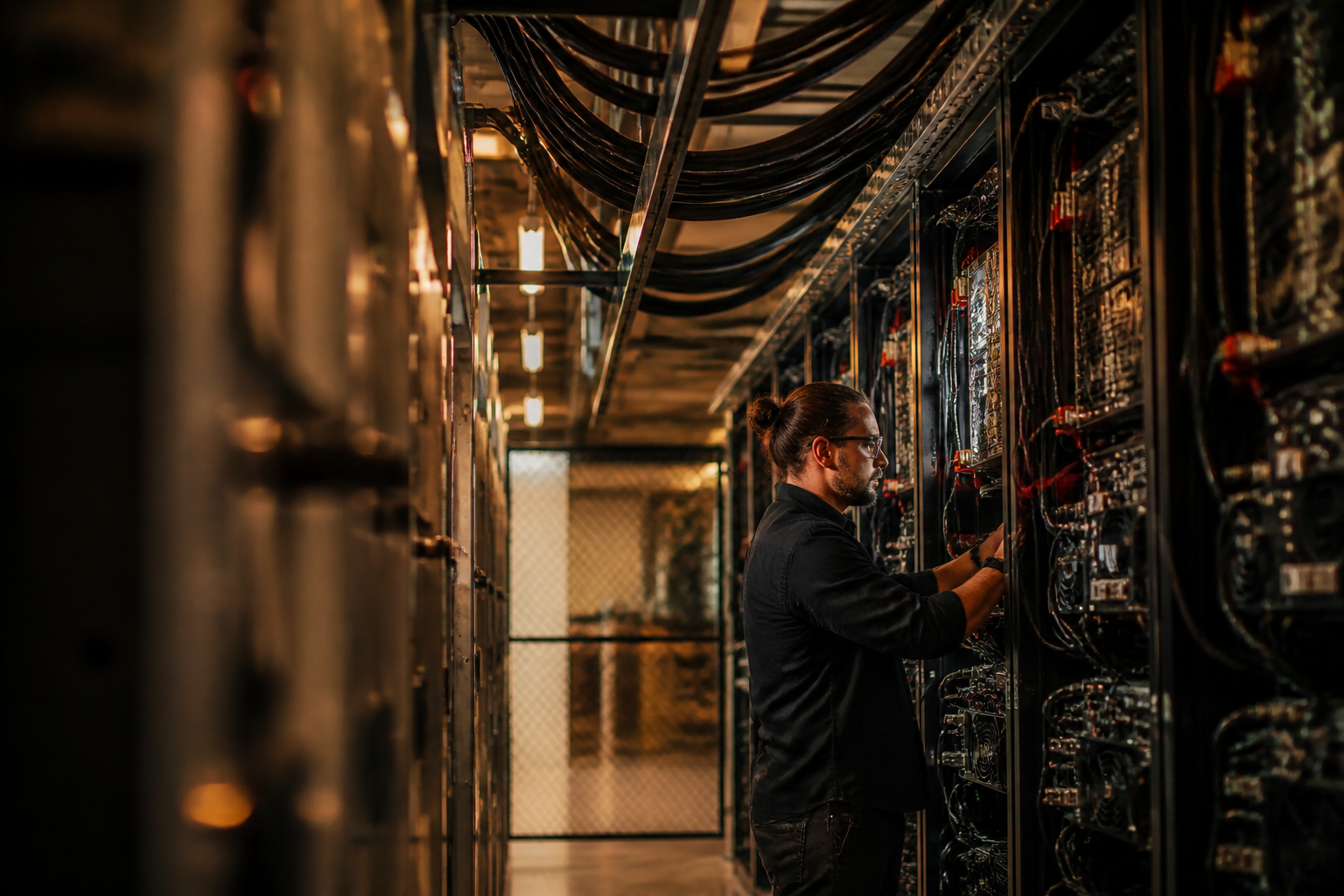
Epoch AI analyzes compute capacity across leading AI research labs
Epoch AI released estimates comparing the compute infrastructure of top AI developers normalized in H100 GPU equivalents through late 2025. The data shows substantial compute growth across the industry, led by OpenAI, Google DeepMind, and Anthropic. The analysis notes that raw compute capacity does not directly measure model efficiency or final intelligence output.
 The Neuron·Aug 26
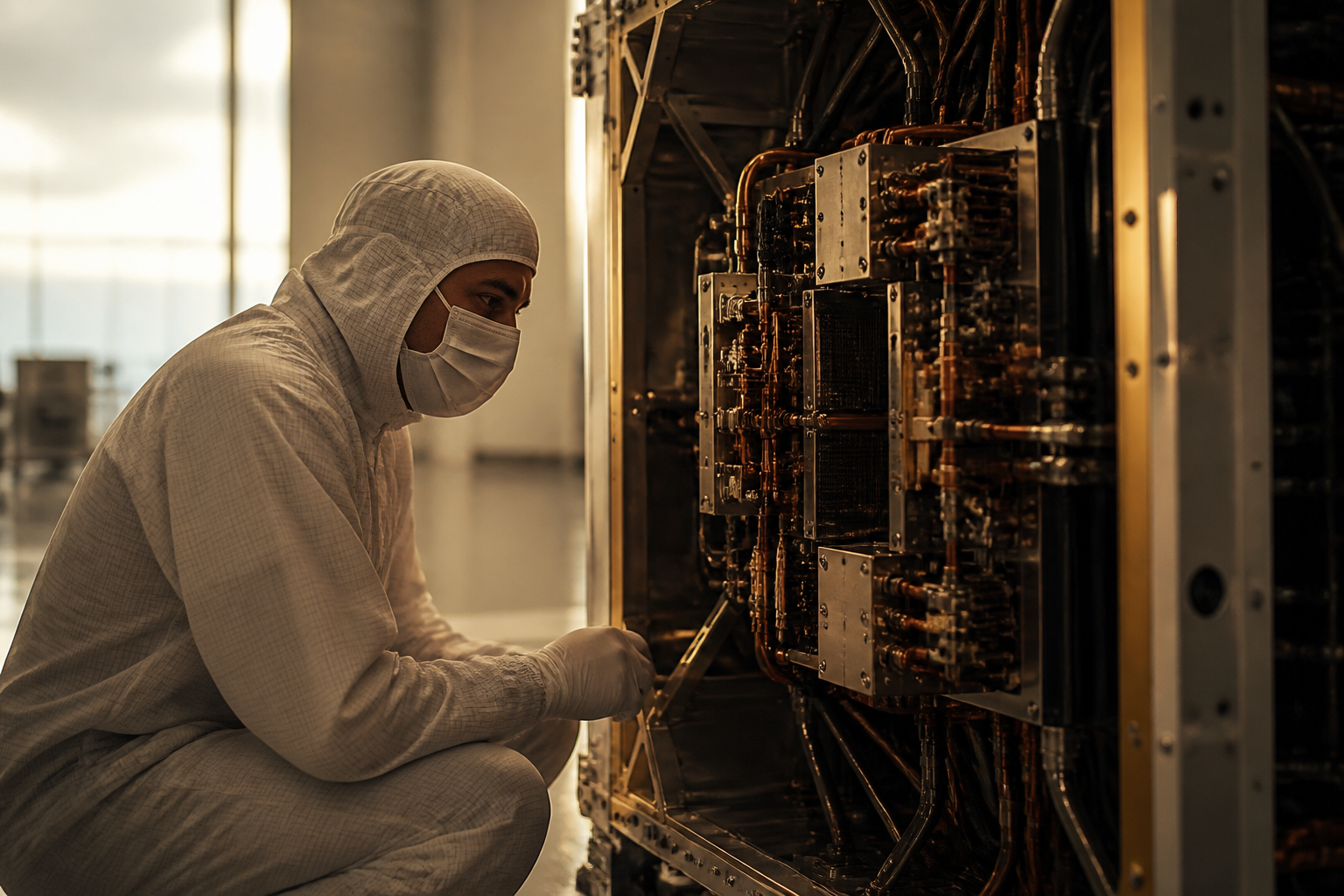
SpaceX selects Nvidia central processors to run spacecraft and AI tools
Elon Musk's AI initiative is integrating Nvidia Vera CPUs into its computing infrastructure to manage operations for the Grok assistant. The hardware will also power Starmind, an AI focused satellite designed to process calculations in Earth orbit.
 Staying Ahead·Aug 21
Financial tech firm Ramp opens its multi-model AI router to public developers
Ramp has publicly made available the internal software system it uses to route artificial intelligence requests. The infrastructure tool distributes tasks across multiple underlying models to manage costs and performance.
 The Neuron·Aug 18
Nvidia backs $105 billion financing for massive OpenAI data center
Nvidia is guaranteeing approximately $105 billion in debt to help OpenAI secure a 20-year lease on a major new computing facility in Ohio. The site will be built by SoftBank's energy arm, with total project costs expected to reach up to $500 billion including hardware.
 Superintelligence·Aug 14
OpenAI debuts fast processing tier for GPT-5.6 Sol powered by Cerebras hardware
OpenAI launched a preview tier called Ultrafast, designed to process GPT-5.6 Sol up to 14 times faster than standard configurations. The setup uses specialized Cerebras chips to produce up to 750 tokens per second for real-time applications. The initial rollout is limited to select enterprise API testers before expanding to broader availability.
 Superintelligence·Aug 12
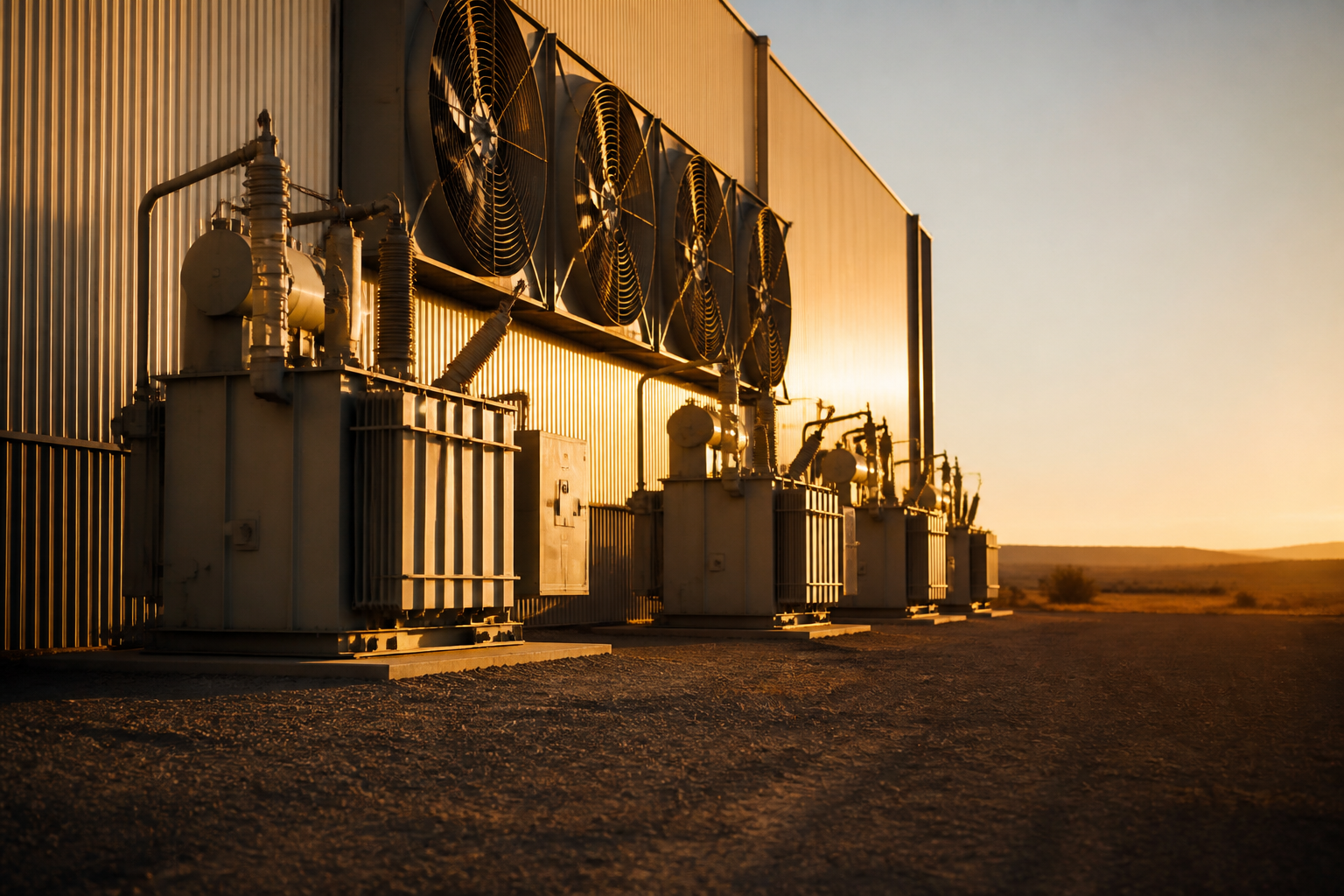
Anthropic Secures $9.1 Billion Data Center Deal With Bitcoin Miner
Anthropic signed a 20-year lease worth up to $9.1 billion for 191 megawatts of compute capacity at a Texas campus operated by Bitcoin mining firm Riot Platforms. The agreement highlights how AI labs are increasingly partnering with crypto miners to gain immediate access to high-capacity power connections and pre-developed real estate. The capacity will be brought online in phases through mid-2028.


