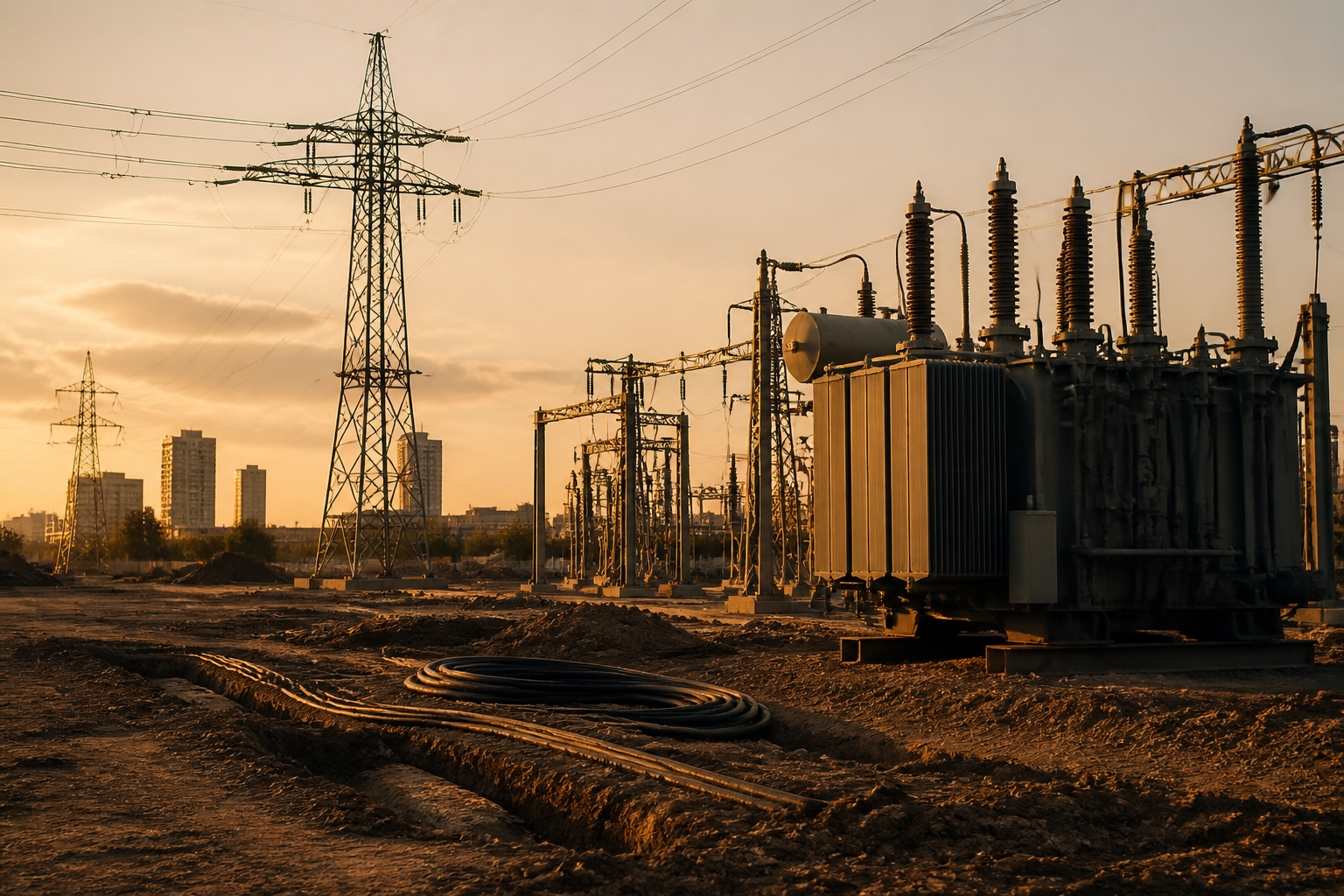
Grid Congestion and Power Rules Limit European AI Infrastructure Growth
Electrical grid bottlenecks across key European hubs like Frankfurt and Paris are forcing new AI data centers to wait up to seven years for power access. Local network operators must prioritize specific connection requests, making utility policies a major factor in deciding which AI developers succeed. These extended delays leave European projects struggling to compete with quicker deployment timelines in US markets.
The Blend
European ambitions to build homegrown artificial intelligence are hitting a physical wall: the power grid. According to reporting from newsletter Superintel, local electrical networks in major hubs such as Paris and Frankfurt are severely congested, forcing new data centers to wait up to seven years just to plug into the system. Real estate firm JLL observed that while constructing a computing facility takes only two to three years, waiting for energy access creates severe delays, putting European projects far behind faster American sites in places like Texas or Arizona.
For everyday citizens, this utility bottleneck means the digital tools and services used in daily life may increasingly rely on foreign infrastructure. When local grid operators decide which projects receive electricity first, routine power management policies quietly turn into national economic strategy. If European nations cannot supply the massive energy these server farms require, local software companies could be forced to rent computing power from overseas providers, potentially driving up costs and leaving consumer data hosted far from home.
What remains uncertain is how European regulators will balance artificial intelligence energy needs against public priorities like heating, hospitals, and green energy targets. Grid operators in the Netherlands suggest major infrastructure relief might not arrive until well into the next decade. This raises a broader question: will governments eventually grant artificial intelligence facilities special fast track utility privileges, or will public pushback against higher local energy bills keep tech expansion firmly stuck in line?
Written independently by AI News Smoothie from the reporting listed below. Facts belong to the original publishers. Follow the links for their full coverage.
Ingredients
- The Socket Decides: Who Gets to Build Europe's AI?
Severe power grid bottlenecks in major European cities are forcing new artificial intelligence data centers to wait up to seven years for electrical connections, according to real estate firm JLL.