Venture Capital
47 stories in this blend
 AI Daily Brief·3d ago
Anthropic Public Listing Stumbles Amid Executive Share Sales
Shares of Anthropic fell near their initial public offering price, failing to participate in a broader market bounce across the tech sector. Public filings revealed that all seven company co-founders offloaded significant personal stock during the debut, raising skepticism among market participants regarding the timing of the listing.
 The Neuron·Nov 18
Genesis AI raises 500 million dollars despite unready robot demo
Robotics developer Genesis AI secured 500 million dollars in fresh capital to build humanoid robots equipped with specialized electric gloves. The funding round proceeded even though the company's primary prototype robot was not yet ready for a live public demonstration.
 AI Daily Brief·Nov 9
Anthropic Begins Pre IPO Meetings Amid Lower Valuation Expectations
Anthropic is moving forward with investor roadshow meetings ahead of a targeted initial public offering before Thanksgiving. Financial reports indicate that potential buyers are seeking lower valuations than previously expected, reflecting broader shifts in tech sector investor sentiment.
 Superintelligence·Nov 9
OpenAI Secures Multi Billion Funding Investment Below Prior Valuation Target
OpenAI closed an 11 billion dollar investment round at a 1.25 trillion dollar valuation, missing its earlier target of 1.4 trillion dollars. Investors are adjusting pricing expectations due to political scrutiny over data centers and slowing corporate spending growth on subscription services. Corporate data indicates that while overall usage of AI tools continues to rise, businesses are reducing costs by opting for lower priced software models.
 Superhuman·Nov 7
Tutor Intelligence Raises Funding to Expand Robot Fleet
Industrial automation company Tutor Intelligence raised seventy five million dollars in a venture capital round led by Andreessen Horowitz. The organization builds industrial systems that learn job tasks with assistance from remote human overseers.
 Superhuman·Nov 7
RoboScience Secures Capital to Broaden Autonomous Deployment
Beijing based startup RoboScience closed a multi-million yuan funding round to advance artificial intelligence models for physical robots. The capital will support commercial trials across logistics, retail, and factory environments.
 AI Daily Brief·Nov 6
Isomorphic Labs seeks major funding round for computational drug discovery
Alphabet spin off Isomorphic Labs is in discussions to raise five billion dollars in new funding, targeting a valuation of fifty billion dollars. The startup uses artificial intelligence algorithms to assist in discovering pharmaceutical treatments and biological compounds. The move reflects Google's focus on commercializing deep learning applications in healthcare.
 The Neuron·Nov 1
Hardware Engineering Venture Dulo Raises $130 Million
Startup founder Sebastian Thrun secured substantial venture funding to launch Dulo, a company developing AI solutions for physical hardware design. The startup aims to streamline complex manufacturing and mechanical engineering tasks using advanced software models.
 Superintelligence·Oct 31
Chinese state funds supply significant capital to DeepSeek funding round
State owned enterprises and government investment funds accounted for over a quarter of the capital raised in DeepSeek's latest funding round. Domestic chip fabricators and telecommunication firms backed the massive raise to support hardware procurement under export restrictions.
 Superhuman·Oct 24
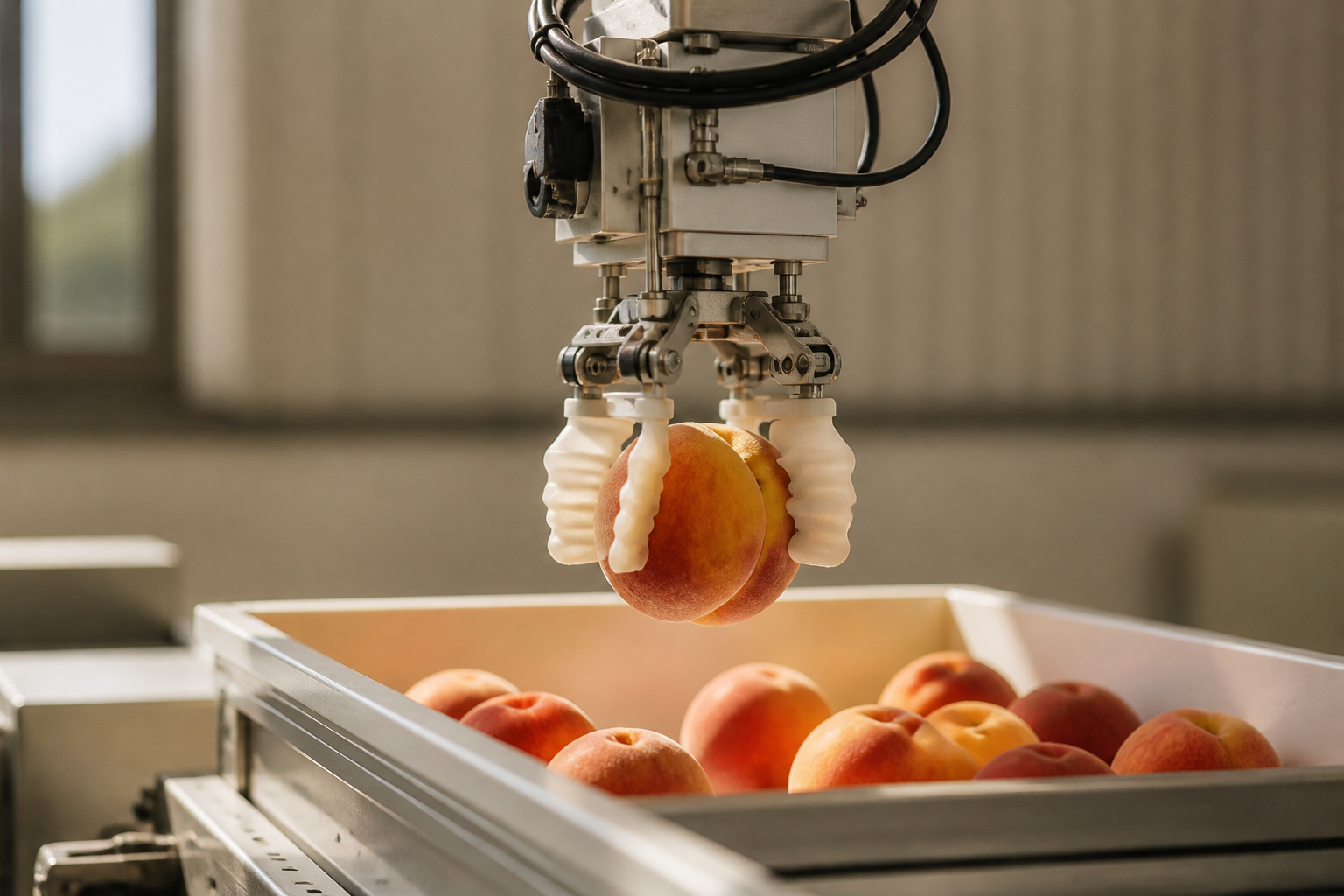
Eka Robotics Raises Fund to Build Advanced Physical AI Models
Robotics developer Eka Robotics secured $150 million in venture funding to design AI systems that blend touch feedback with vision data. The company intends to use the capital to create flexible models for factory automation.
 Superhuman·Oct 24
JPMorgan Allocates Billions Toward Security and Advanced Manufacturing Startups
JPMorgan committed $5 billion in capital to support domestic security and manufacturing businesses, including automated factory developer Hadrian. The strategic investments focus on upgrading industrial supply chains and physical infrastructure.
 AI Daily Brief·Oct 23
Private tech valuations cool ahead of public market debuts
Investors are adjusting price expectations for major artificial intelligence developers as public offering plans take shape. While multi billion dollar fundraising rounds proceed, overall public listing activity remains subdued as investors await clear signals from upcoming debuts.
 The Neuron·Oct 23
OpenAI negotiates major private investment round ahead of potential public offering
Reports indicate OpenAI is holding talks to secure 30 billion dollars in new funding, targeting a total enterprise value of 1.25 trillion dollars. High profile international investors and venture firms are reportedly participating in the talks.
 The Neuron·Oct 23
United States proposes strict limits on foreign tech investments
The U.S. Treasury Department introduced a proposal to restrict financial investments exceeding 50,000 dollars in sensitive technologies overseas. Target areas include artificial intelligence, microelectronics, and biotechnology in specified nations.
 The Neuron·Oct 20
Tenstorrent raises $1.5 billion to develop open AI hardware
Semiconductor startup Tenstorrent secured $1.5 billion in funding at a $6.2 billion valuation to expand its open architecture AI chips. The funding will fuel efforts to build alternatives to Nvidia market dominant GPUs.
 Superintelligence·Oct 13
DeepSeek Invests in Chinese AI Robotics Startup Winverse
AI research group DeepSeek is backing Winverse AI in a funding round valuing the robotics software startup near four hundred million dollars. The investment aims to develop foundation models that allow physical machinery to process visual inputs and execute complex real world tasks.
 Superhuman·Oct 12
TypeSafe AI reaches billion dollar valuation as decision models gain traction
TypeSafe AI raised $870M at a $7.5B valuation following the release of Jev, an AI model tailored for decision making rather than conversational text. The surge in decision models has led competitors like Microsoft to launch similar fast decision engines.
 The Neuron·Oct 12
Early stage chip startup Nuvacore seeks multi-billion dollar valuation
Semiconductor startup Nuvacore is in talks to secure funding at a multi-billion dollar valuation despite being less than a year old. Investors continue to fund new teams attempting to build hardware for specialized computing workloads.
 The Neuron·Oct 11
TypeSafe AI secures $870 million investment round
Software firm TypeSafe AI closed an $870 million financing round, raising its valuation to $7.5 billion. The company intends to expand deployment of its flagship system model, which is currently used by enterprise clients.
 Superhuman·Oct 10
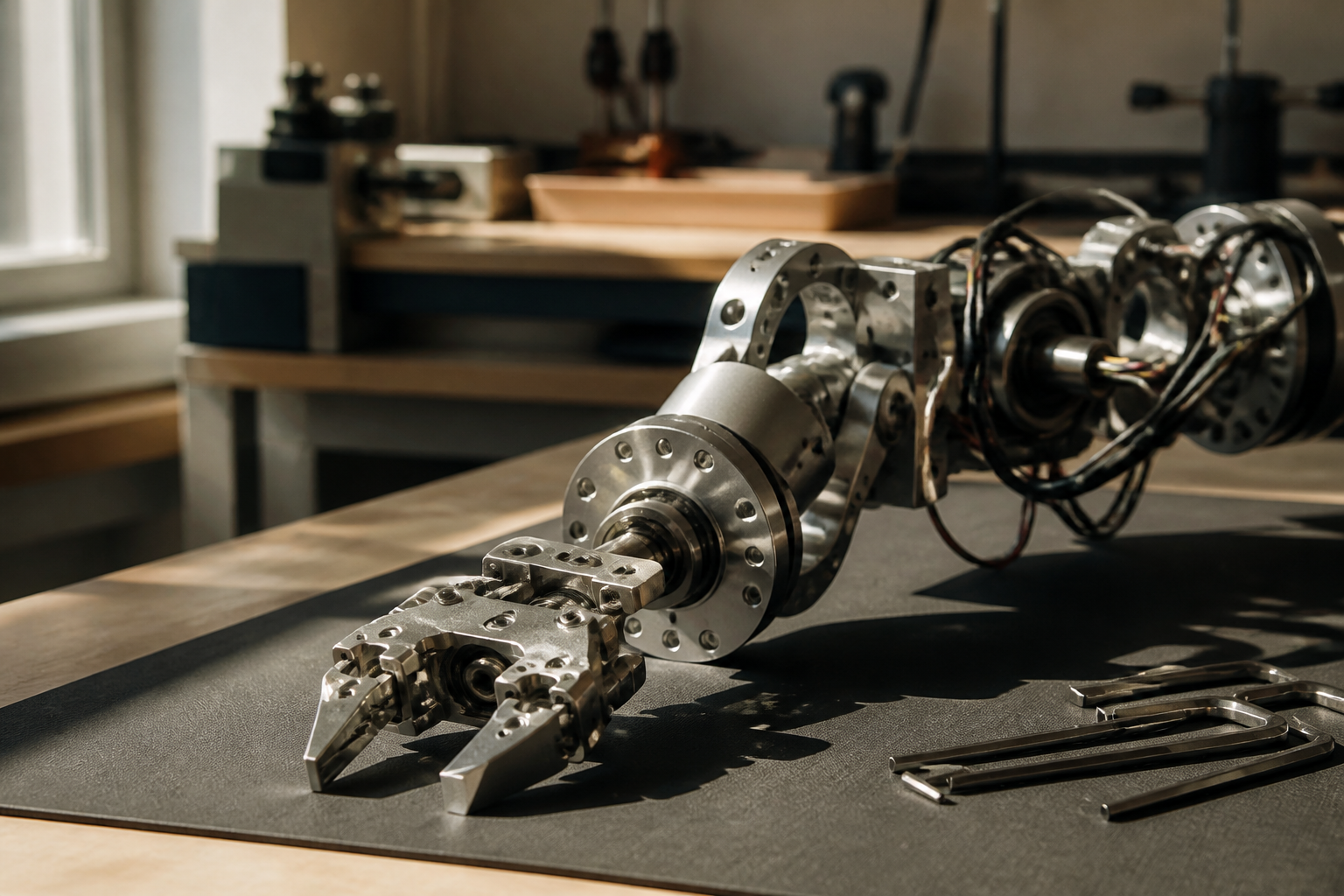
Nvidia Considers Substantial Investment in Humanoid Maker Figure
Reports indicate that Nvidia may inject an additional 1 billion dollars into robotics startup Figure. The investment would expand Nvidia's reach beyond chip manufacturing into physical artificial intelligence applications.
 Superhuman·Oct 10
Robotics Software Platform Secures Significant Series B Funding Round
Mecka gathered 60 million dollars in new capital backed by major tech investors like Nvidia and Microsoft. The capital will support software that helps train and manage physical robotic fleets.
 The Neuron·Oct 8
North American startup funding drops in third quarter
Venture capital funding for North American startups fell 35 percent quarter over quarter to $92 billion due to a pause in massive funding rounds for major AI labs. Despite the overall decline, artificial intelligence startups received roughly two-thirds of all invested capital.
 The Neuron·Oct 8
Nous Research achieves valuation of 1.5 billion dollars
Nous Research closed a $90 million Series B funding round with participation from Nvidia and Samsung, bringing its valuation to $1.5 billion. The company also announced Hermes for Businesses, a service allowing enterprises to run private customized AI agents.
 Superintelligence·Oct 7
Andreessen Horowitz report identifies major gaps in consumer AI app adoption
Venture firm Andreessen Horowitz released its latest top consumer AI apps report, showing strong adoption in search, coding, and writing tools. However, key consumer categories like social media, travel, real estate, and dating still lack leading dedicated AI applications.
 The Neuron·Oct 7
Data shows small fraction of users generate most consumer AI revenue
A report from Andreessen Horowitz shows that the top 1% of AI subscribers spend an average of $903 monthly, accounting for nearly 20% of total consumer revenue. The findings indicate that power users drive a disproportionate share of spending across consumer AI tools.
 The Neuron·Sep 30
OpenAI revenue nears 70 billion amid new funding talks
OpenAI reportedly reached an annualized revenue rate close to $70 billion following rapid financial growth over recent months. Reports also indicate the company is negotiating a $30 billion funding round that could value the business at $1.4 trillion.
 meet cue·Sep 29
Personal AI Assistant Startup Instinct Raises One Billion Dollars
Instinct closed a Series C round bringing its market valuation to ten billion dollars. The funding comes shortly after a separate round valued the company at two point five billion dollars.
 Superhuman·Sep 19
Robotics sector sees growing venture funding and market expansion projections
Recent industry reports highlight rising capital investment and executive talent acquisition across robotics startups. Financial analysts forecast millions of humanoid units deploying globally over the next decade as hardware costs decrease.
 The Neuron·Sep 18
Infrastructure provider closes massive funding round
Crusoe raised 3.9 billion dollars in Series F financing, pushing the company valuation past 30 billion dollars. The funds will support massive expansion of specialized computing facilities designed for large scale AI workloads.
 The Neuron·Sep 16
OpenAI Discusses New Investment Round at Sky-High Valuation
OpenAI is in early talks to secure funding at a valuation reaching 1.2 trillion dollars. The negotiation follows a significant rise in business growth, with annualized revenues exceeding 40 billion dollars.
 AI Daily Brief·Sep 10
AI coding assistant developer Cognition secures fresh funding at a higher valuation
Software automation company Cognition completed a two billion dollar funding round that brings its valuation to forty-eight billion dollars. The capital raise follows rapid revenue growth for its Devin coding assistant and reinforces the company's commitment to remaining independent. Executives emphasized that flexibility to integrate multiple model providers remains core to their software strategy.
 The Neuron·Sep 9
Cognition raises over two billion dollars to expand Devin platform
Software development company Cognition completed a Series E funding round raising more than 2 billion dollars at a 48 billion dollar valuation. The capital will fund ongoing scaling for its automated coding software and engineering platform.
 Staying Ahead·Sep 8
Mistral AI Valuation Doubles Following Major Investment Round
French artificial intelligence lab Mistral AI secured three billion euros in a recent funding round led by Samsung. The transaction raises the firm's overall valuation to twenty-one billion euros, doubling its size from last year.
 Superhuman·Sep 4
Metal
An intelligent management hub created for startup founders navigating investment rounds. It helps organize founder workflows, track venture discussions, and manage investor relations.
 1200 rogue ai agents·Aug 28
Unreleased assistant startup Instinct secures major funding
AI assistant startup Instinct raised 350 million dollars in a round valuing the venture at 2.5 billion dollars. Led by a 23 year old founder, the company has attracted huge investor backing before launching its main product to the public.
 Superintelligence·Aug 27
a16z partner outlines the shift toward open models and personal AI agents
Venture capitalist Anish Acharya discussed the evolving landscape of AI models, emphasizing that competitive moats like network effects remain essential. He highlighted how developers can choose between open models and proprietary options based on unit economics while autonomous agents transform personal software.
 The Neuron·Aug 27
SoftBank in talks to purchase majority ownership in humanoid developer 1X
SoftBank is negotiating the acquisition of a controlling stake in humanoid robotics startup 1X Technologies. The proposed deal could value the home robot manufacturer at approximately 6 billion dollars.
 AI Daily Brief·Aug 26
Nvidia expands dealmaking into data labeling and startup equity
Nvidia is aggressively investing cash into third party AI ventures, licensing technology from Poolside and backing startups like Mercor and Perplexity. Industry observers note that Nvidia is reinvesting capital across the ecosystem to sustain demand for its compute hardware.
 Superhuman·Aug 25
Thrive Capital founder outlines artificial intelligence strategy in investor letter
Josh Kushner, founder of investment firm Thrive Capital, released his first letter to investors describing artificial intelligence as a major technology shift. The document provides insights into how the venture capital firm plans to allocate capital in the sector.
 Superintelligence·Aug 24
Nvidia Discusses Major Stake in Search Startup Perplexity
Chip manufacturer Nvidia is in talks to back AI search provider Perplexity in a deal that would value the startup at over $30 billion. Driven partly by its workplace automation tools, Perplexity's annualized revenue has grown from under $250 million to past $750 million this year.
 Superhuman·Aug 22
SoftBank Invests Two Hundred Million Dollars in Construction Robotics
SoftBank backed Swiss technology firm Gravis Robotics with $200 million in funding. The company plans to use the investment to convert conventional heavy excavation and building machinery into autonomous vehicles.
 Superhuman·Aug 19
Semiconductor company Etched reaches $21 billion valuation following product delivery
Hardware startup Etched has secured $700 million in fresh investment shortly after shipping its first server hardware to trading firm Jane Street. The funding round doubled the business's market valuation within a single month. The company builds specialized computing hardware designed specifically to run transformer-based artificial intelligence systems.
 The Neuron·Aug 19
Robotics and physical AI startups collect $47 billion in early 2026 funding
Venture funding for physical artificial intelligence, robotics, and autonomous transport companies reached $47.4 billion across more than 500 deals in the first half of the year. Large capital raises by autonomous driving and defense technology startups drove the high industry total.
 The Neuron·Aug 19
AI hardware startup Etched secures $700 million at $21 billion valuation
Semiconductor developer Etched raised $700 million in new funding led by investment firm Jane Street, bringing the company to a $21 billion valuation. The firm manufactures specialized hardware designed to accelerate model inference processing.
 Superintelligence·Aug 18
Venture Investors Favor Specialized Software and Industrial Hardware in Robotics
A survey of 14 venture capital firms identified top robotics prospects, showing strong interest in targeted commercial applications and core software infrastructure over general humanoids. High-ranking startups focus on specific roles like factory surface finishing, power plant inspection, and specialized farming tasks.
 The AI Break·Aug 14
Former xAI co-founder secures $1.1 billion for local personal agent startup
Igor Babuschkin raised $1.1 billion in early capital for his new company, River AI, just two months after its inception. The venture focuses on building private software agents that individuals own and execute directly on their personal devices.
 Superintelligence·Aug 14
Software creation startup Lovable raises capital at $13.3B valuation
Swedish software creation platform Lovable closed a $400 million funding round, doubling its valuation in less than a year. The company's annual recurring revenue is nearing $600 million as users increasingly rely on plain-language prompts to design software applications.


