
Eka Robotics Raises Fund to Build Advanced Physical AI Models
Robotics developer Eka Robotics secured $150 million in venture funding to design AI systems that blend touch feedback with vision data. The company intends to use the capital to create flexible models for factory automation.
The Blend
Robotics developer Eka Robotics secured $150 million in new investment, bringing the company to a valuation of $1.45 billion, as TechCrunch reported. Founded by former academic and industry researchers, the firm is building artificial intelligence that combines visual feedback with physical touch sensors. Rather than training machines using endless video recordings, Eka relies on computer physics simulations and specialized grippers to teach mechanical arms how to move quickly and handle objects delicately.
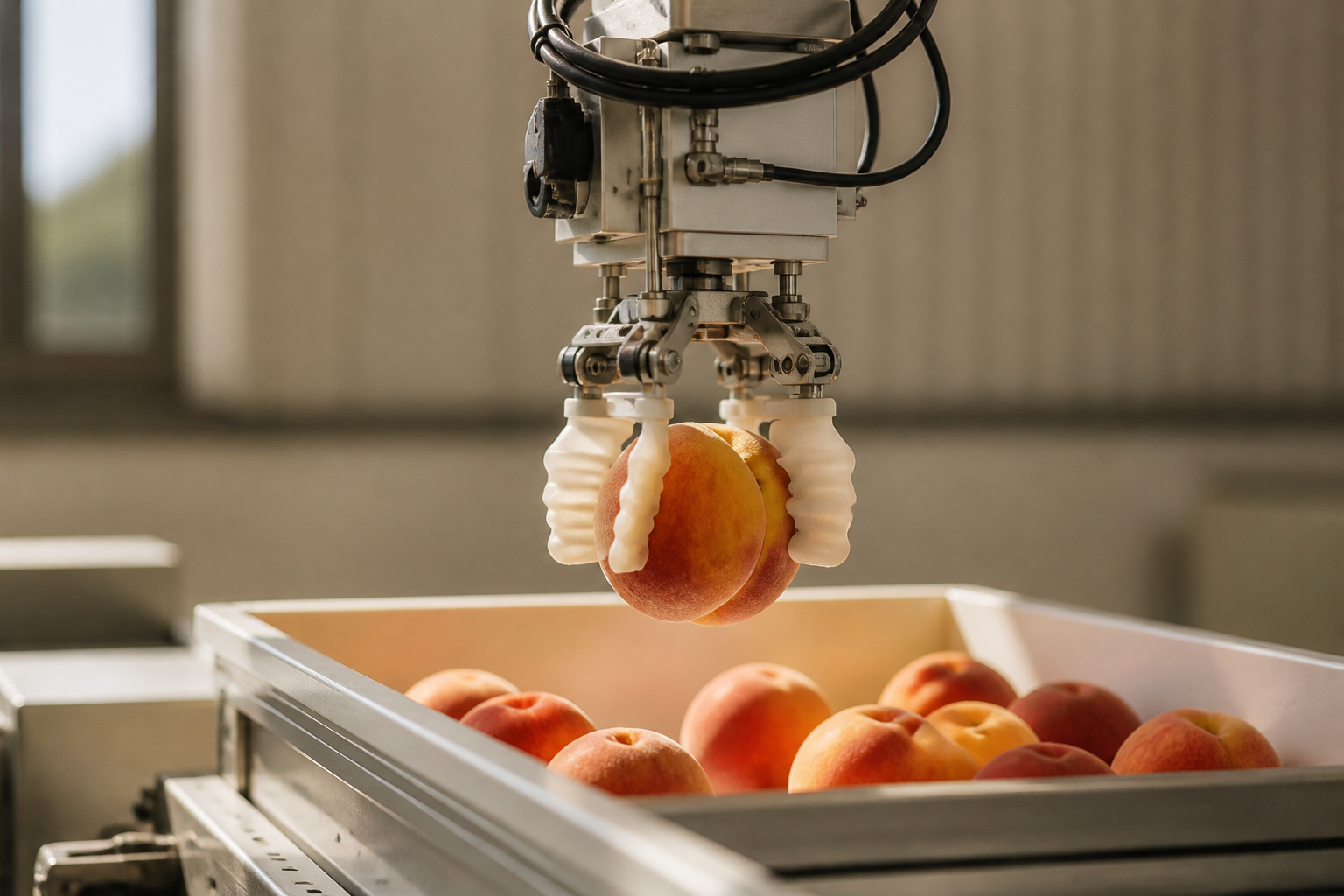
This development matters because traditional automation struggles with unpredictable or soft items, often dropping them or crushing them entirely. By giving software direct feedback about physical force, machines can safely grab items as delicate as fruit while maintaining speeds faster than a human worker. If deployed broadly, this tech could significantly streamline online order fulfillment and make retail supply chains far more dependable.
It remains uncertain whether training inside software simulations can fully account for the messiness of actual factory floors. While digital environments allow rapid learning, real-world hardware eventually suffers from physical wear, dust, and mechanical alignment shifts. It is still an open question whether these sensitive tactile sensors will prove durable enough for continuous, heavy duty industrial operations without requiring constant recalibration.
Written independently by AI News Smoothie from the reporting listed below. Facts belong to the original publishers. Follow the links for their full coverage.
Ingredients
- Eka is worth $1.45B thanks to a physical AI model that has experts raving | TechCrunch
Eka Robotics raised $150 million to develop physical AI models that rely on force feedback and physics simulations to improve robotic dexterity.