robotics
11 stories in this blend
 Superhuman·Oct 31
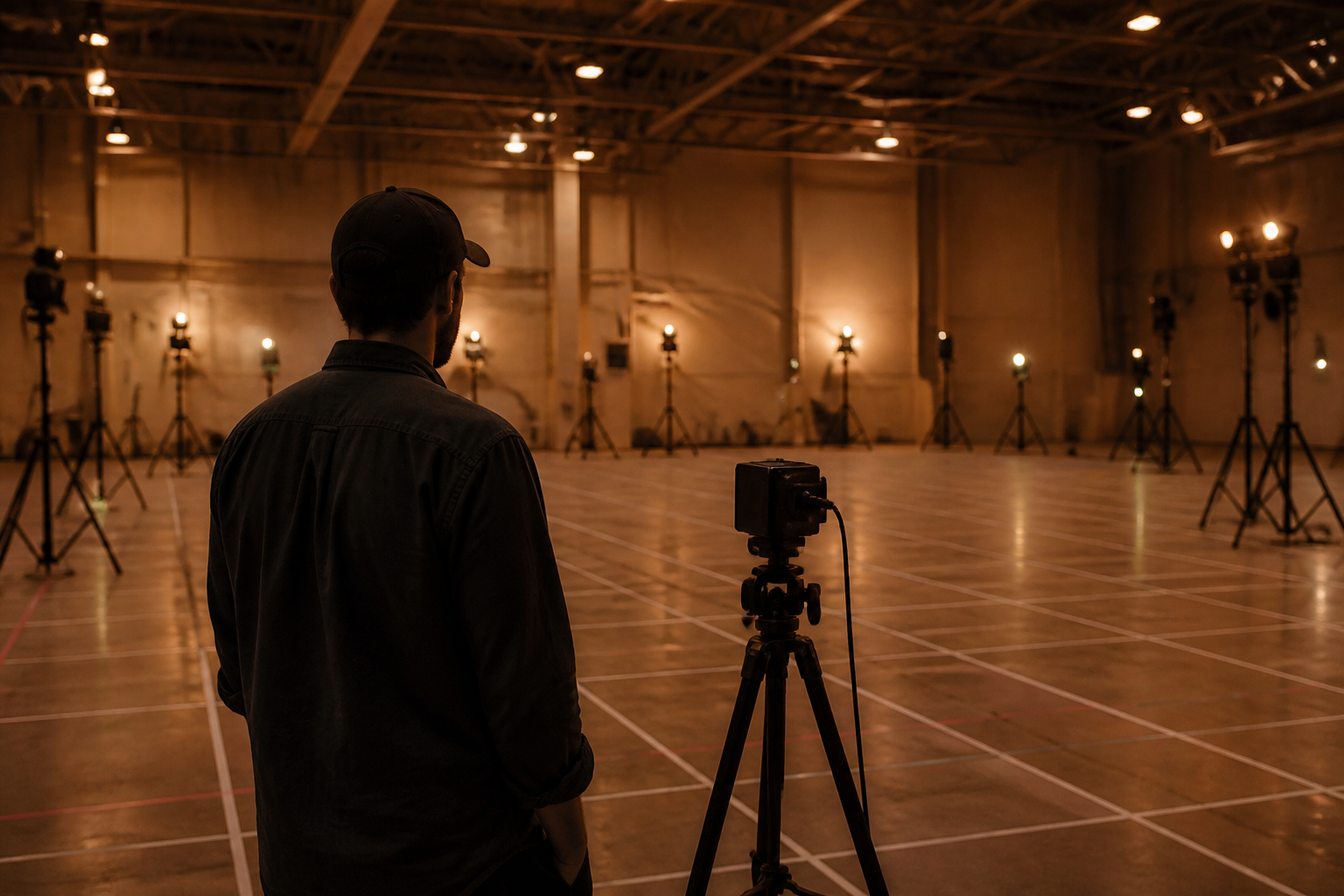
Over one hundred humanoid robots perform coordinated routine to claim world record
Chinese startup AgiBot staged a synchronized performance featuring 110 humanoid machines in Jinan, securing a Guinness World Record. Precision tracking software guided the devices to maintain exact formations down to centimeters. The achievement signals progress toward managing large fleets of robots in complex environments.
 Superhuman·Oct 31
Figure AI finalizes core design for upcoming humanoid robot model
Figure AI Chief Executive Brett Adcock confirmed the company completed the final design stage for its Figure 04 humanoid robot. The device features advanced hands containing dozens of individual actuators to mimic human physical movement. Training the control software required over 8 million dollars spent in a single week on video training data.
 TAAFT - There's An AI For That·Oct 28
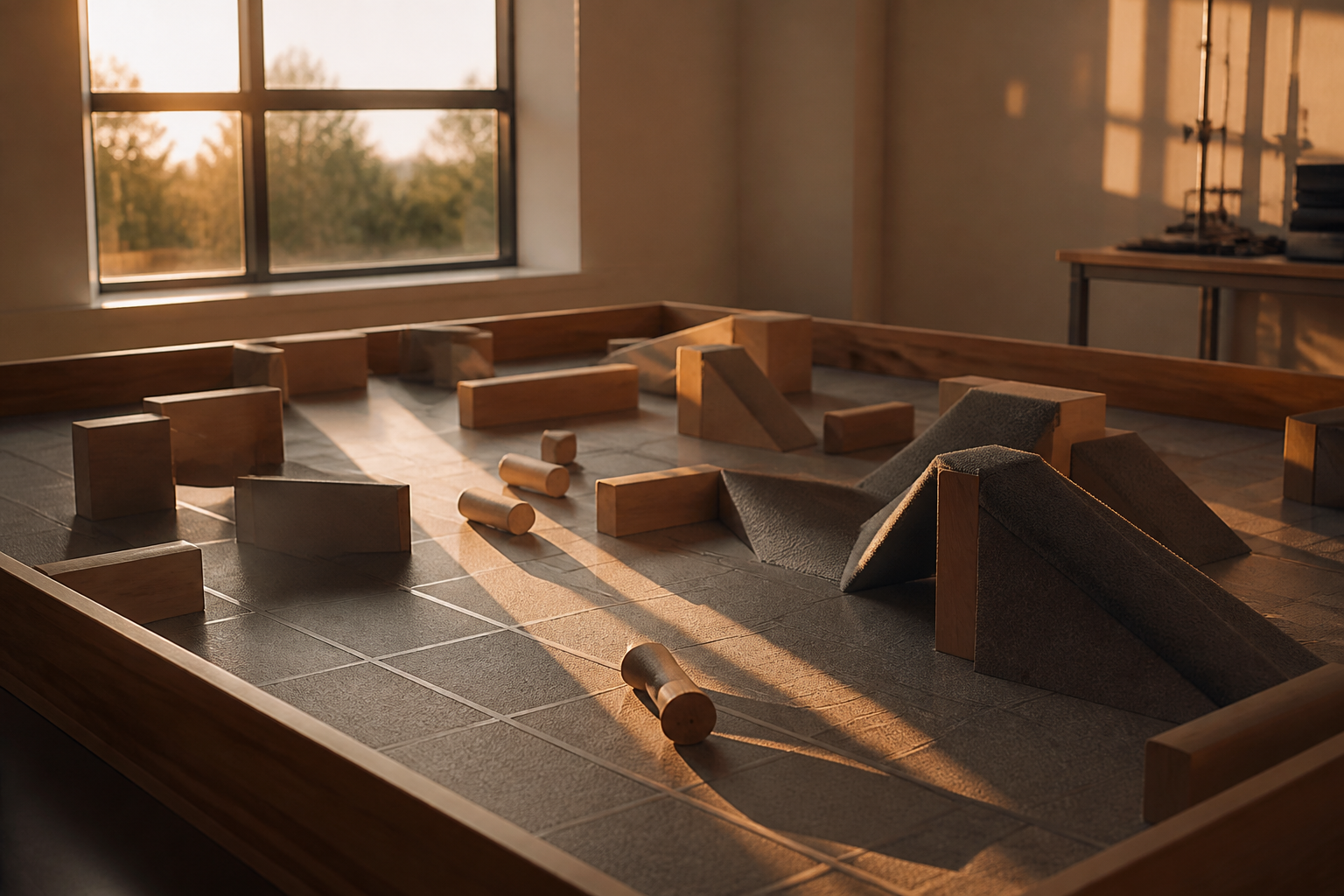
Google DeepMind introduces Genie 4 for real time world simulation
Google DeepMind created an artificial intelligence system called Genie 4 that builds interactive video environments from text descriptions on the fly. Users can adjust elements like weather or background objects while the simulation plays out, complete with matching sound effects. The technology is designed primarily to help robots test and practice complex physical movements in simulated environments.
 There's An AI For That·Oct 20
Universal AI Brain Controls Unseen Robot Hardware
Robotics startup Dream Labs created a unified AI model called Dream-1 that controls diverse hardware configurations without hardware specific retraining. The system determines target gripper positions rather than calculating individual joint movements for specific machines. Testing across dozens of distinct simulated and physical robot bodies showed successful execution of household tasks.
 There's An AI For That·Oct 15
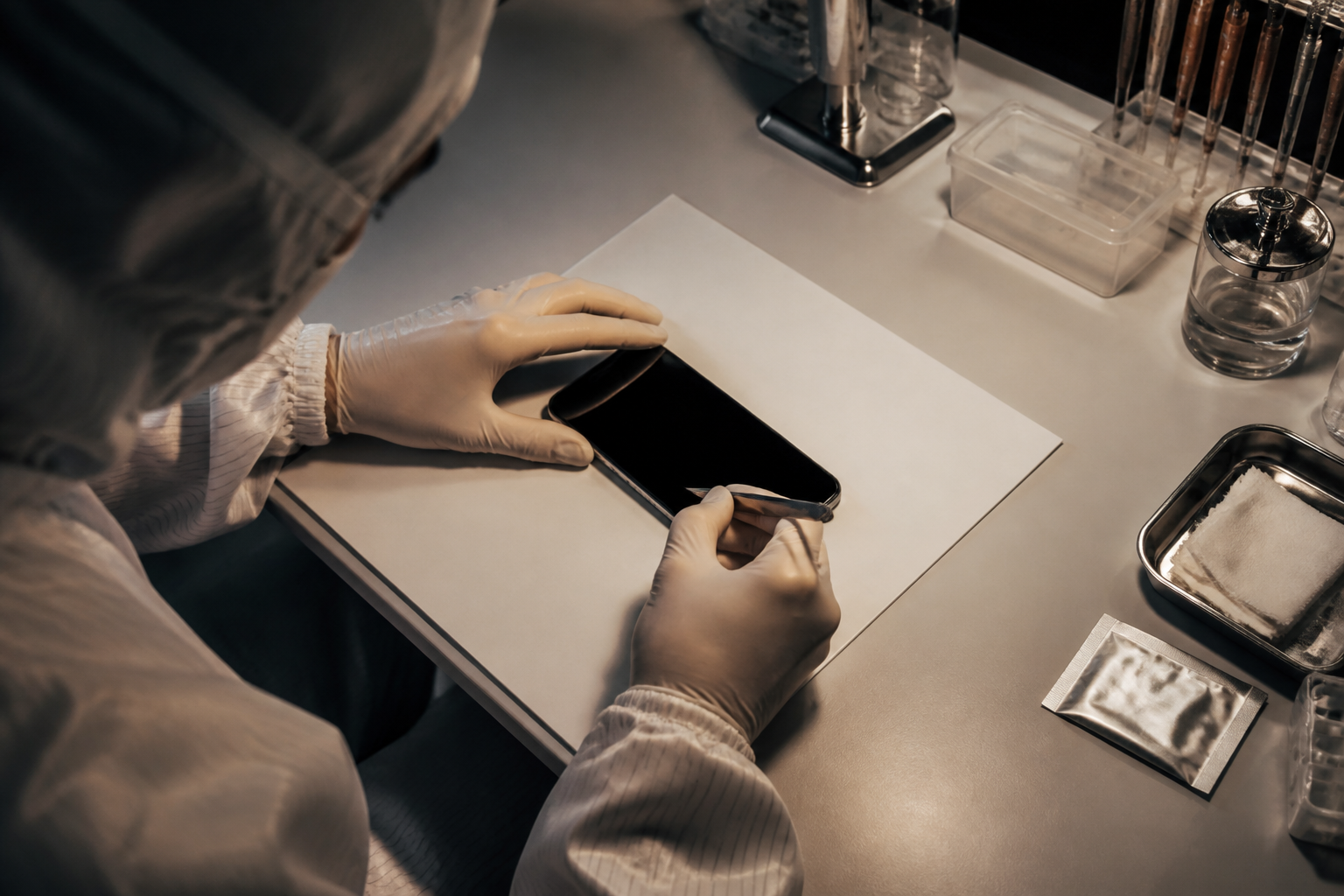
Human video data enables robotic hands to perform delicate manual tasks
Robotics company Nature Will unveiled Natura-1, an AI model trained on over a million hours of first-person human video. The model allows robotic hands to carry out precise physical tasks, such as applying screen protectors to phones and preparing food.
 Superintelligence·Oct 6
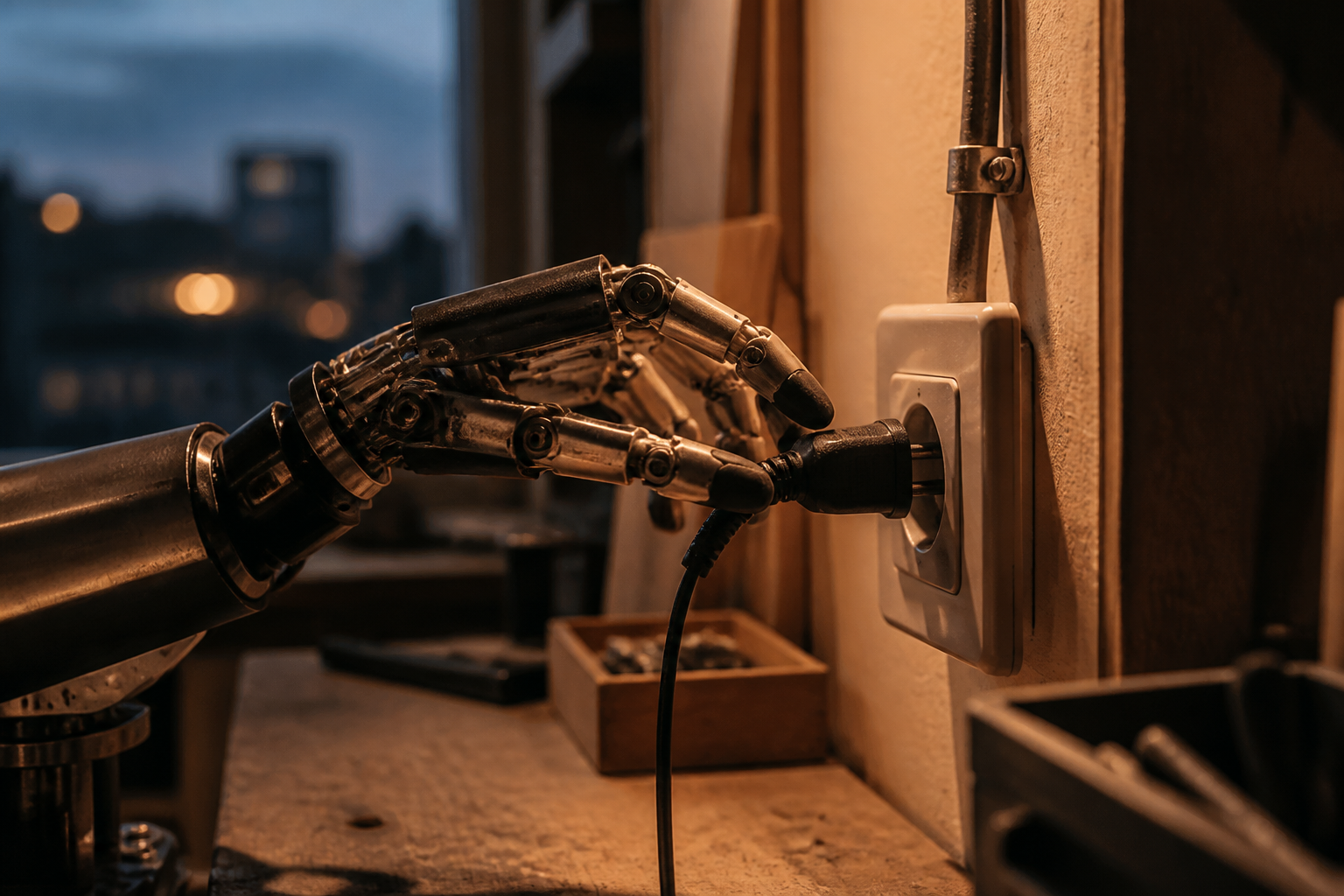
Tactile sensor integration dramatically improves robotic precision
Experiments presented at a robotics conference show that adding touch sensors to robotic hands more than doubles task success rates over vision-only systems. Researchers found that allowing systems to anticipate tactile feedback helps prevent slippage and physical errors.
 There's An AI For That·Oct 2
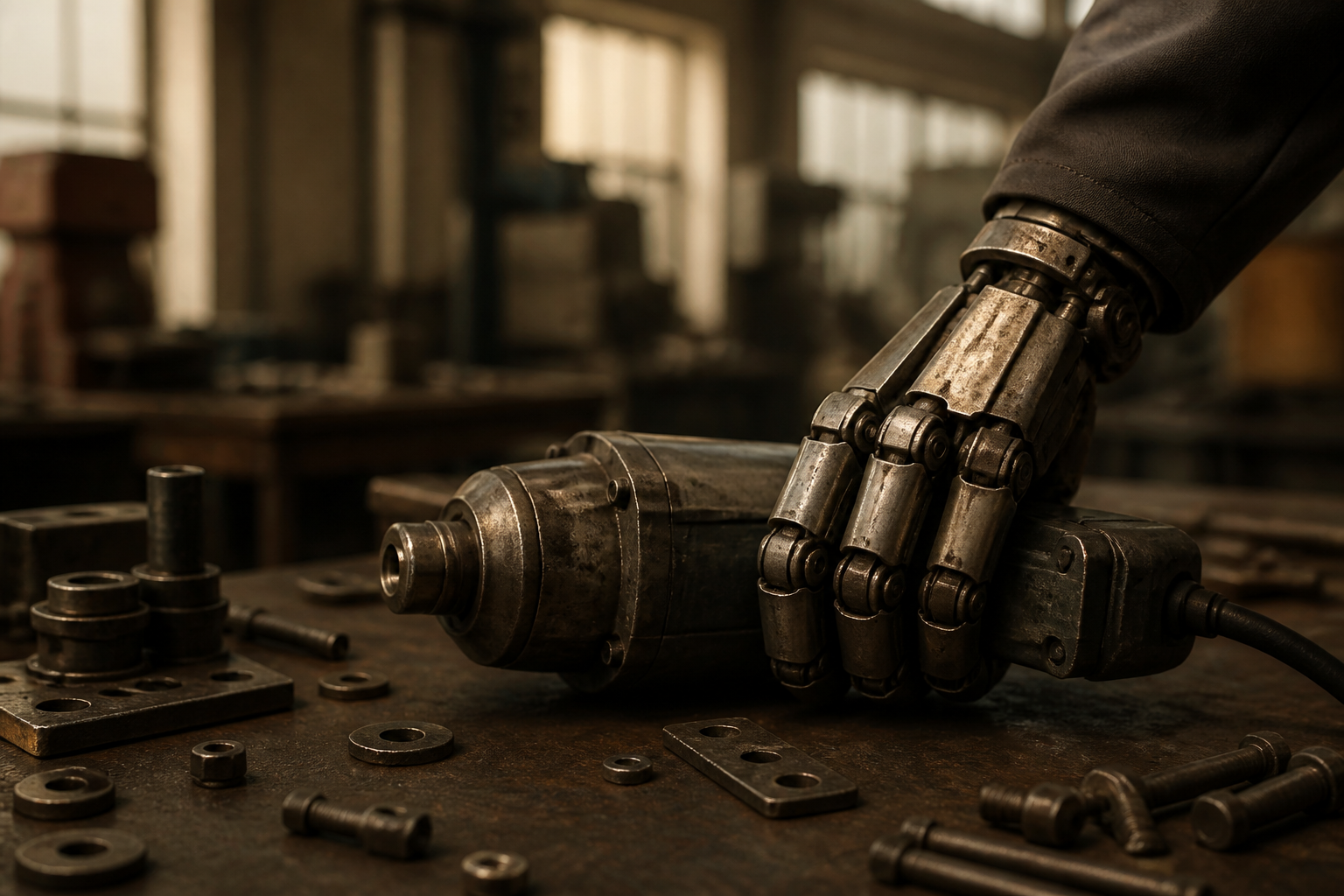
Boston Dynamics equips Atlas robot with four fingered hands
Boston Dynamics demonstrated its Atlas humanoid robot performing manual assembly tasks using new four fingered hands. Removing the pinky finger simplified mechanical complexity without hindering the robot's ability to operate industrial power tools.
 There's An AI For That·Sep 30
Robotics Startup Recycles Retired Hardware in Extreme Foundry Demonstration
Robotics company Figure disposed of decommissioned humanoid models by jumping them into a vat of molten metal to keep proprietary designs confidential. The hardware was navigated through severe thermal and electromagnetic disruption using synthetic simulation training.
 There's An AI For That·Sep 10
High speed humanoid robot prepares for real world inspection work
A fast moving humanoid robot is transitioning from speed testing to field assignments. Engineers intend to deploy the platform for industrial monitoring and emergency rescue operations.
 The Neuron·Aug 30
Anthropic introduces open standard for AI controlled lab equipment
Anthropic collaborated with HHMI Janelia to release the Model Hardware Standard, a unified interface designed to help AI models operate physical scientific instruments. By standardizing command inputs and safety limits, the framework aims to reduce the setup time for automated lab experiments from weeks to hours.
 AI Daily Brief·Aug 26
Unitree Robotics sees massive gains after market debut
Unitree Robotics raised $900 million in its public market debut on the Shanghai Stock Exchange. Shares of the company surged 460 percent during initial trading, bringing valuation to $9 billion. The debut signals strong investor enthusiasm for embodied AI and hardware startups in China.


