Tactile sensor integration dramatically improves robotic precision
Experiments presented at a robotics conference show that adding touch sensors to robotic hands more than doubles task success rates over vision-only systems. Researchers found that allowing systems to anticipate tactile feedback helps prevent slippage and physical errors.
The Blend
Robots typically rely on cameras to navigate and handle objects, but vision alone often struggles when dealing with delicate physical contact. A team of researchers recently introduced a system called UniTacVLA that equips AI models with touch sensing. Instead of merely reacting after making physical contact, the new approach allows a robot to predict what an object should feel like before completing an action.
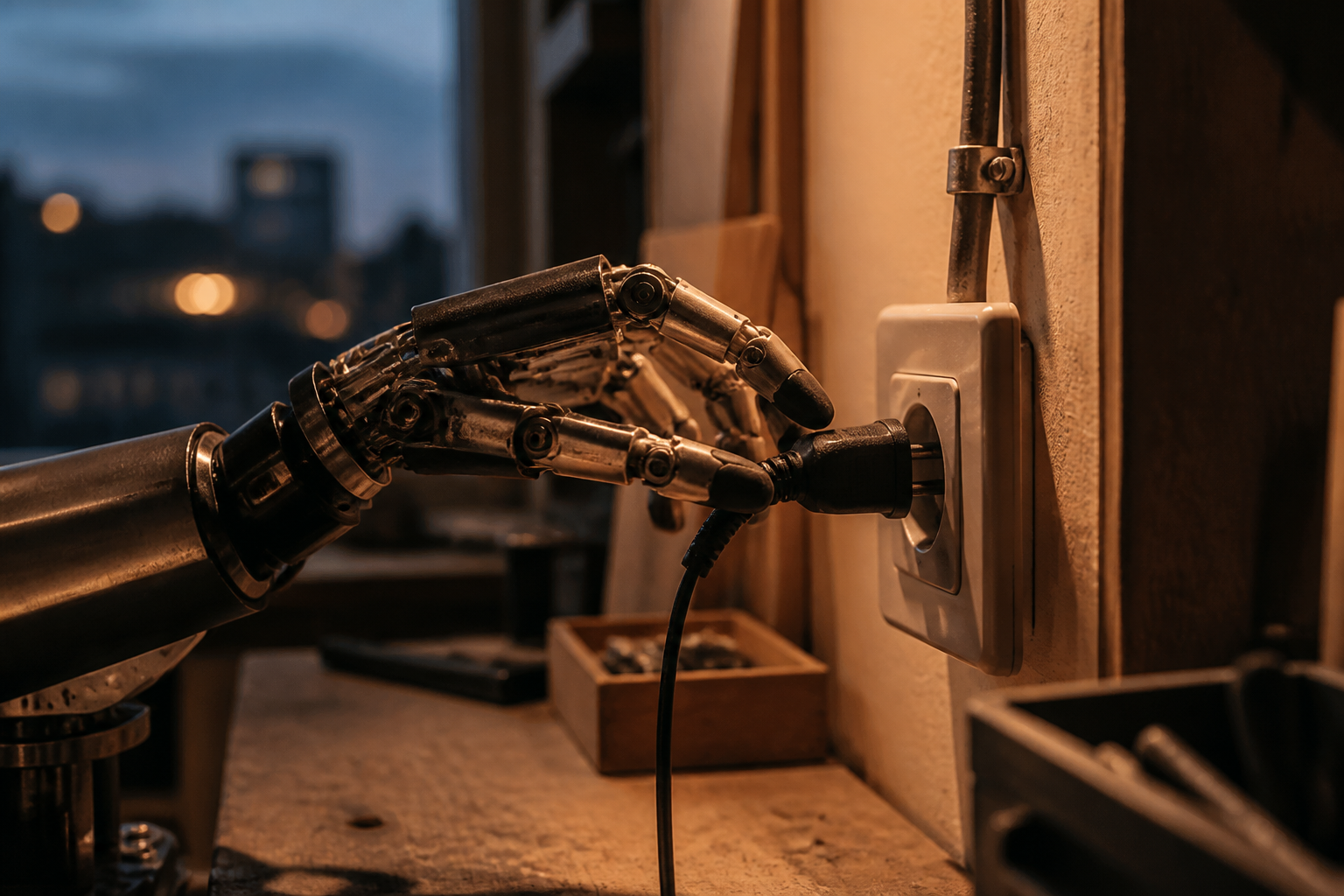
This shift moves robotic hardware much closer to human dexterity. Everyday domestic tasks, such as plugging in a power cord, wiping table surfaces, or putting together furniture, rely heavily on tactile feel rather than sight. By anticipating touch feedback, robots can adjust their grip in real time, drastically reducing mistakes and preventing objects from slipping or breaking.
While the technology shows strong promise in laboratory tests across several physical tasks, key practical questions remain unanswered. Tactile sensors are notoriously fragile and subject to physical wear when exposed to rough surfaces over time. It is still uncertain whether these systems can remain accurate during long term everyday use without requiring constant maintenance or expensive hardware replacements.
Written independently by AI News Smoothie from the reporting listed below. Facts belong to the original publishers. Follow the links for their full coverage.
Ingredients
- [2606.31723] UniTacVLA: Unified Tactile Understanding and Prediction in Vision Language Action Models
Researchers developed UniTacVLA, an AI framework that enables robots to anticipate touch feedback and execute delicate physical tasks with greater precision.