
Anthropic introduces open standard for AI controlled lab equipment
Anthropic collaborated with HHMI Janelia to release the Model Hardware Standard, a unified interface designed to help AI models operate physical scientific instruments. By standardizing command inputs and safety limits, the framework aims to reduce the setup time for automated lab experiments from weeks to hours.
The Blend
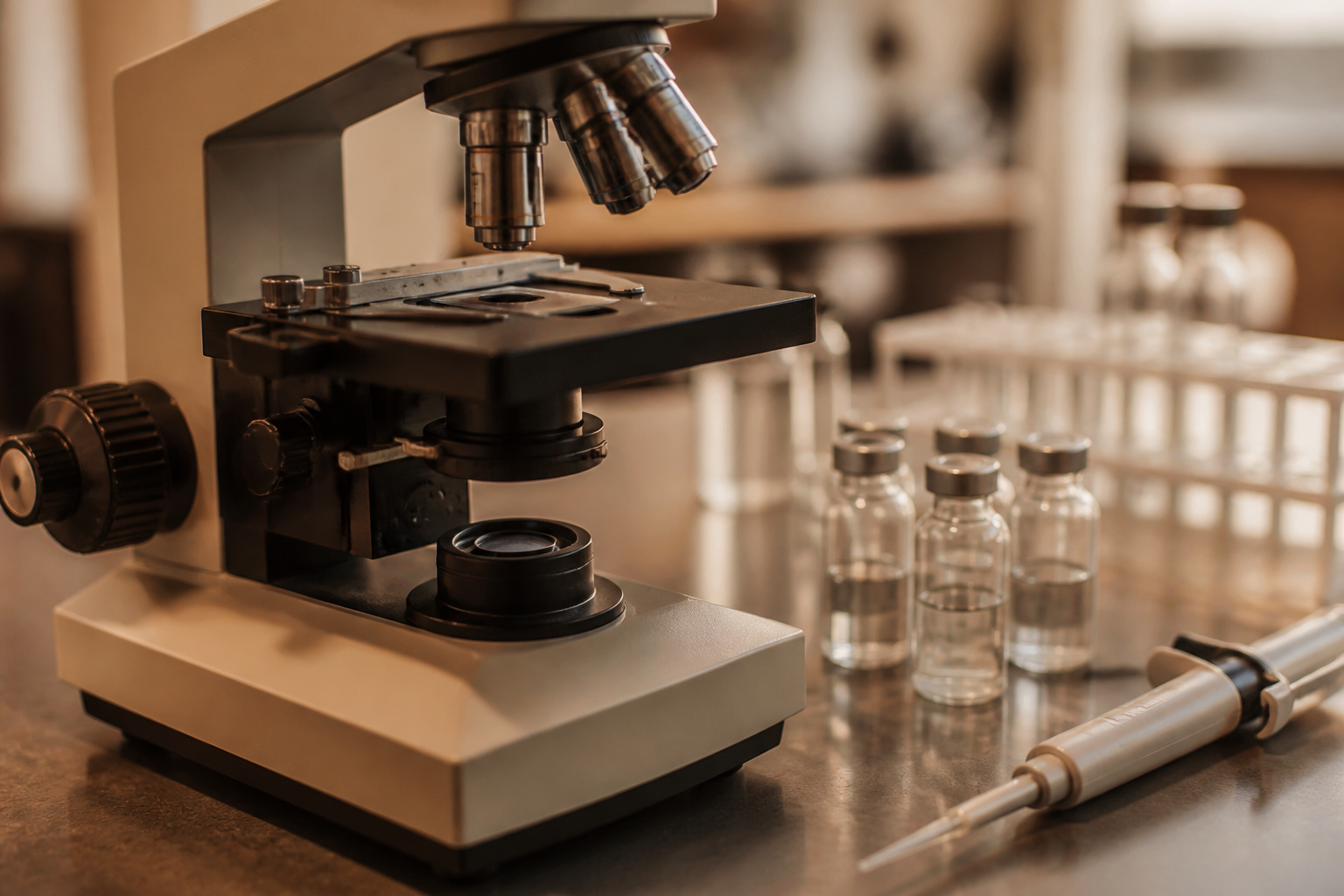
Anthropic has unveiled an open research preview for a new system called the Model Hardware Standard, designed to help artificial intelligence models run physical laboratory equipment and factory tools. Developed alongside the HHMI Janelia Research Campus, the project aims to replace custom, tedious setup procedures with a unified communication layer. Instead of spending weeks writing specialized code for every microscope or robotic arm, researchers can use this framework to connect tools to an AI assistant in just a few hours.
The technology works by providing a simplified set of software commands that translate an AI's instructions into actions that physical instruments can understand. It also allows hardware owners to describe safety limits and operational details in plain text, which the system automatically packages into a reference guide for the AI. During testing, Anthropic reported that its AI model was able to independently calibrate lasers and write automated scripts based on what it learned through trial and error.
This initiative could significantly accelerate the pace of scientific discovery by letting automated systems run experiments around the clock. By establishing a neutral standard that works across different AI models and hardware brands, Anthropic is trying to prevent the scientific community from becoming locked into proprietary software ecosystems. However, it remains uncertain how quickly traditional hardware manufacturers will adopt these unified drivers, or whether safety guardrails will prove robust enough when AI systems interact with hazardous chemical or biological materials in real-world settings.
Written independently by AI News Smoothie from the reporting listed below. Facts belong to the original publishers. Follow the links for their full coverage.
Ingredients
- Previewing the Model Hardware Standard \ Anthropic
Anthropic and HHMI Janelia created a standardized software interface to let AI agents control scientific instruments without requiring custom integration code for every device.