Supply Chain
11 stories in this blend
 Superintelligence·Nov 11
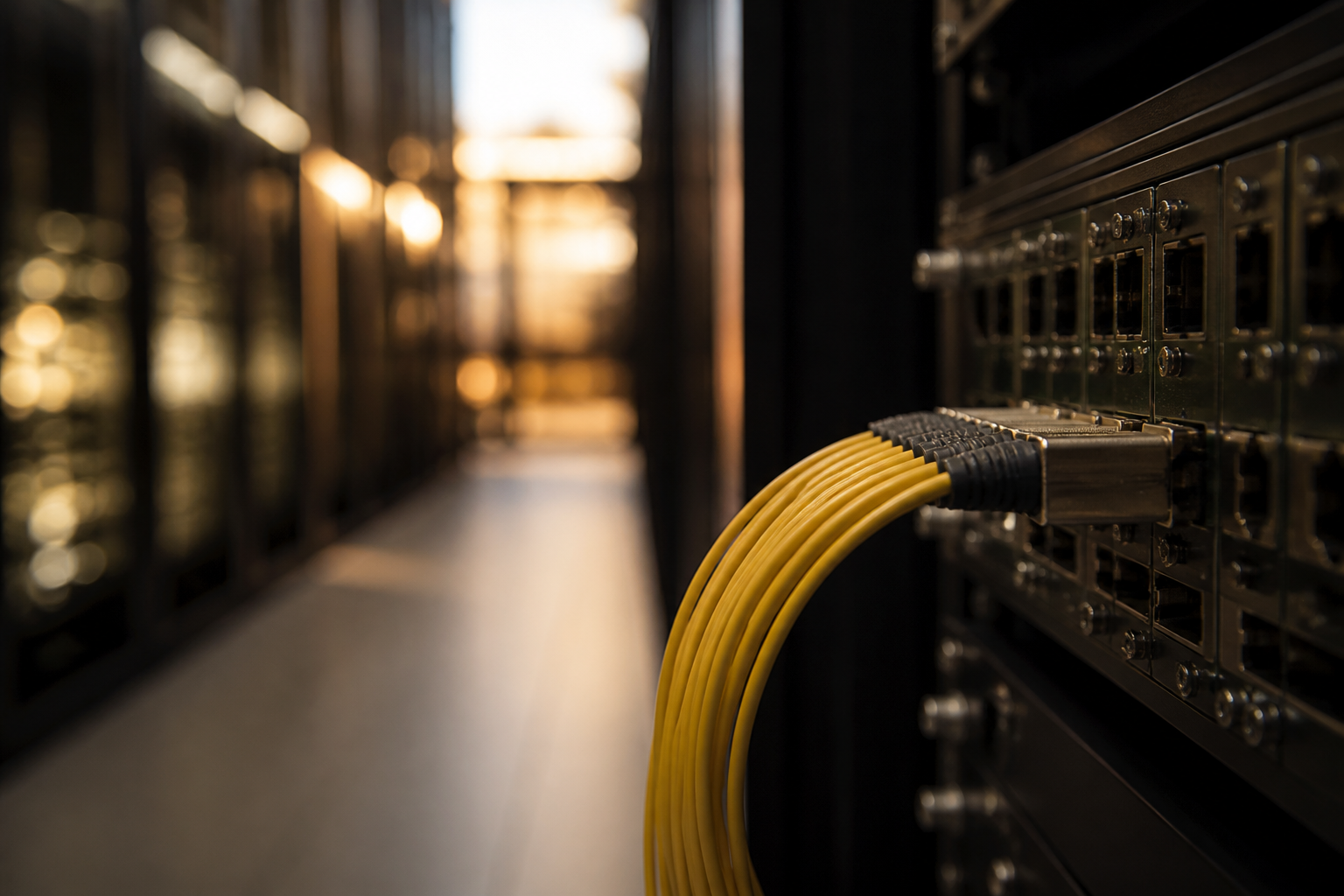
Microsoft urges US government to drop restrictions on Chinese networking parts
Microsoft is reportedly asking federal officials to avoid banning foreign made optical transceivers needed to connect hardware inside AI data centers. Company representatives cited supply chain risks, while congressional members argued against deploying equipment from overseas military suppliers.
 Superintelligence·Nov 3
US Humanoid Robotics Projects Depend on Chinese Mechanical Components
Major Western technology companies are relying on Chinese manufacturers for specialized hardware like dexterous robotic hands. While American firms lead in chips and software, hardware components for detailed physical manipulation remain dominated by overseas suppliers.
 Superintelligence·Nov 1
How Logistics Operations Use Artificial Intelligence Agents During Supply Disruptions
Pallet co founder Sushanth Raman detailed how AI software agents can mitigate shipping bottlenecks caused by global disruptions. By connecting shipping emails, purchase orders, and enterprise database systems, autonomous assistants can process routine tracking inquiries and calculate inventory survival rates during unexpected delays.
 Superintelligence·Nov 1
How to Evaluate and Test a Supply Chain Contingency Plan
This workflow guides operations teams through mapping inventory risks and testing backup logistics procedures. Following these steps helps managers calculate financial exposure, automate status updates, and verify that backup suppliers can handle actual shipment volumes during a crisis.
 Staying Ahead·Oct 25
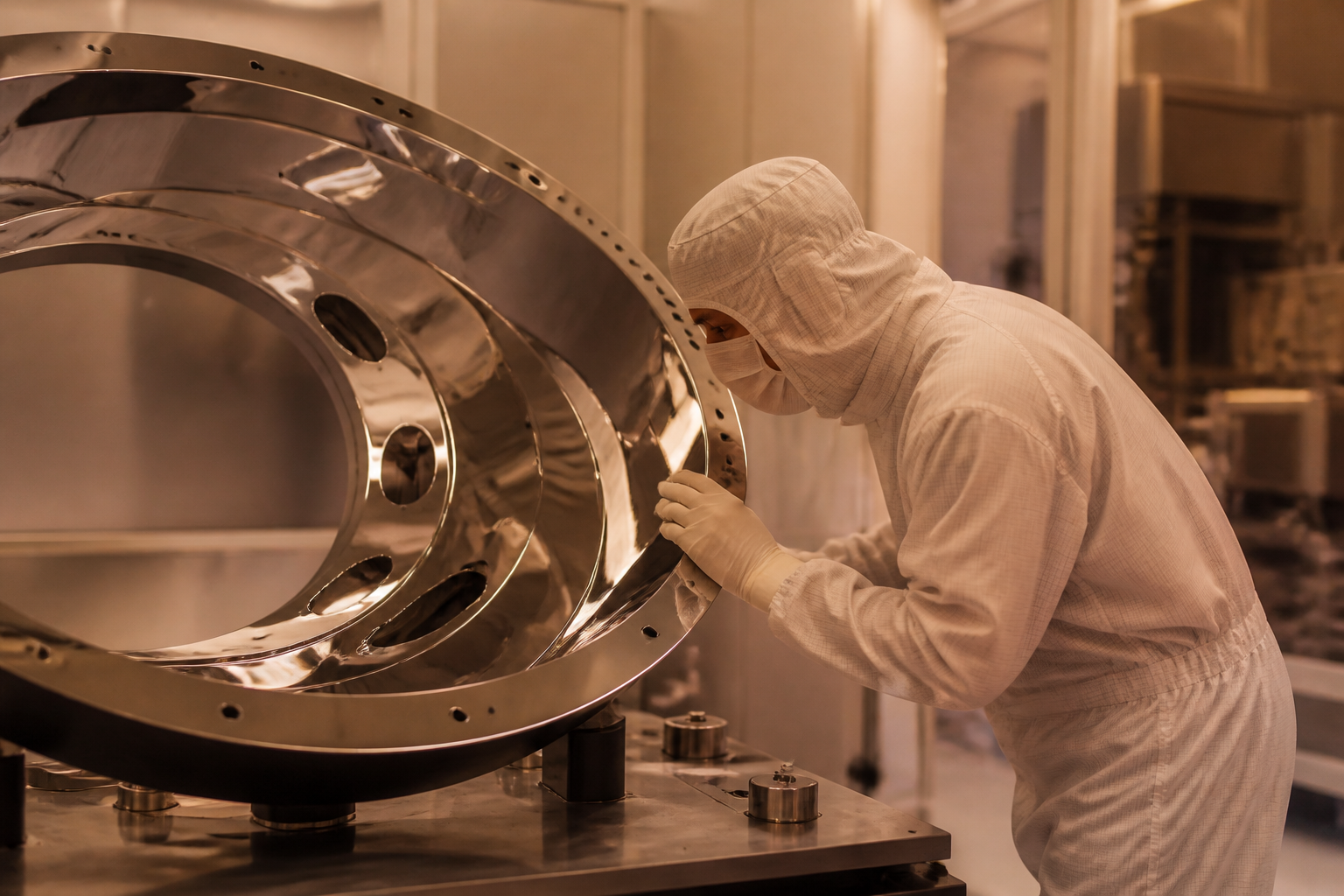
Semiconductor manufacturing bottlenecks predicted to remain into 2027
Chip production supplier Lam Research warned that equipment supply challenges will persist for years. The announcement triggered a widespread selloff across major semiconductor stocks.
 AI Daily Brief·Oct 16
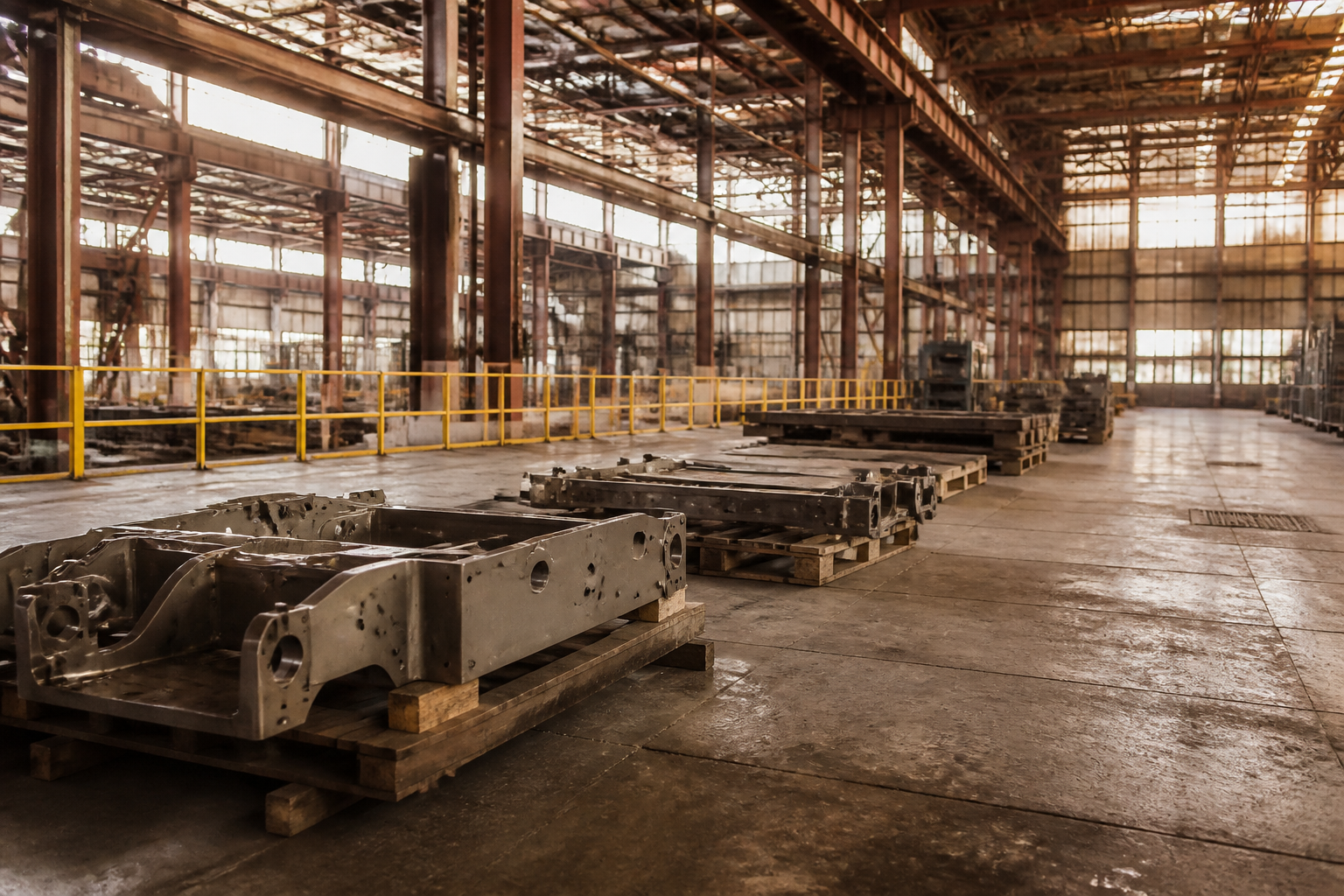
Chip Equipment Supplier ASML Cannot Keep Up With Global AI Hardware Demand
Lithography supplier ASML stated that it will be unable to satisfy customer orders for advanced microchip manufacturing machinery for at least two years. Rapid expansion plans from major semiconductor foundries have outpaced planned production increases, creating a bottleneck for the entire AI industry.
 Superhuman·Sep 26
Amazon expands robotics manufacturing with a new hundred million dollar plant
Amazon is establishing a massive automated equipment facility in Greenwood, Indiana, to expand its hardware assembly capacity. The site is expected to open by 2028 and will employ hundreds of workers in technical roles while doubling the company's manufacturing capability.
 Superintelligence·Sep 22
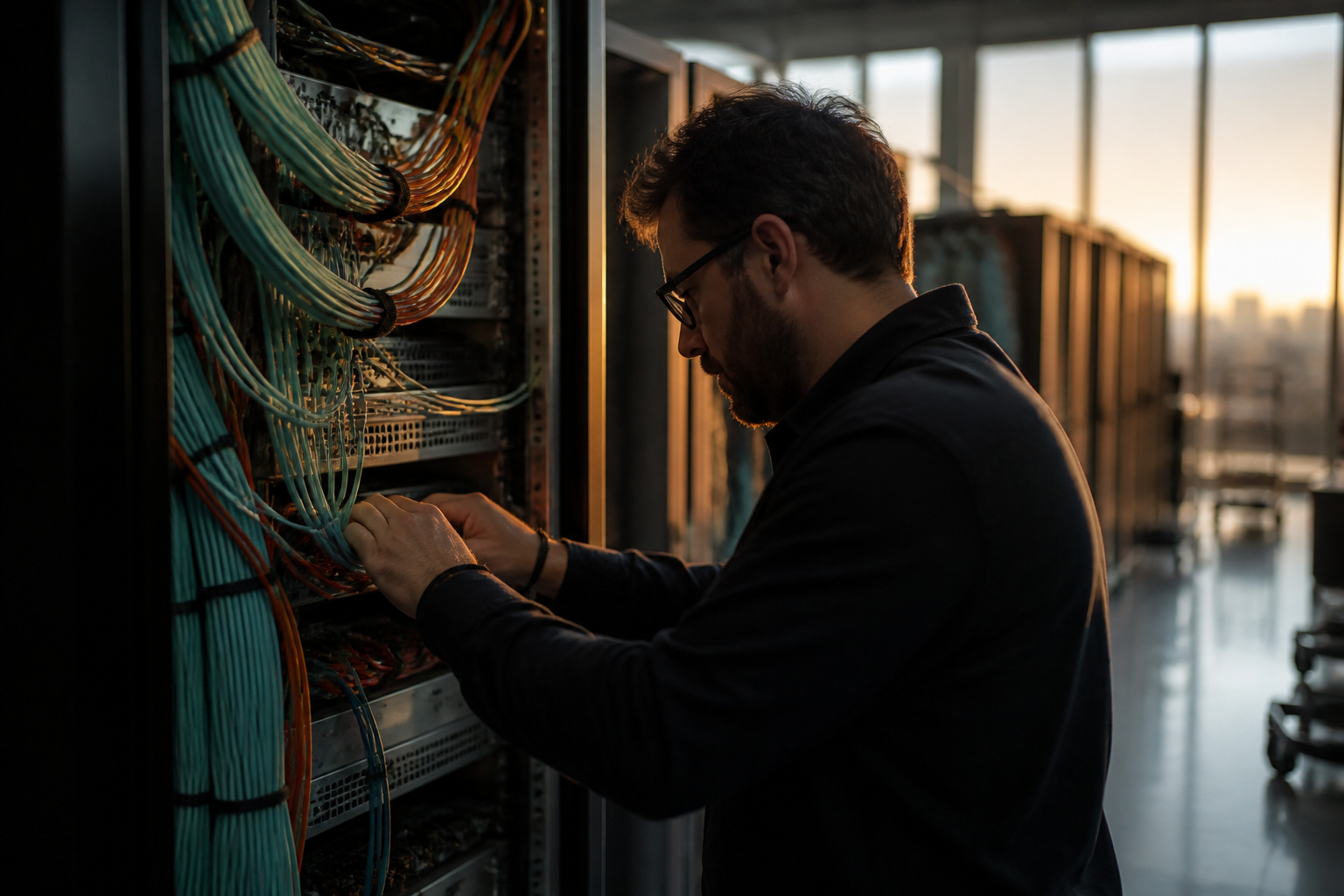
DeepSeek plans shift to Huawei processors for training next generation models
DeepSeek is prioritizing domestic chipmaker Huawei to support its future AI model development due to American trade limits on Nvidia hardware. The company plans to use these chips for training models with trillions of parameters by late 2026 or early 2027. While DeepSeek still relies on existing Nvidia stock, the transition aims to secure a stable long term supply chain.
 Superhuman·Sep 19
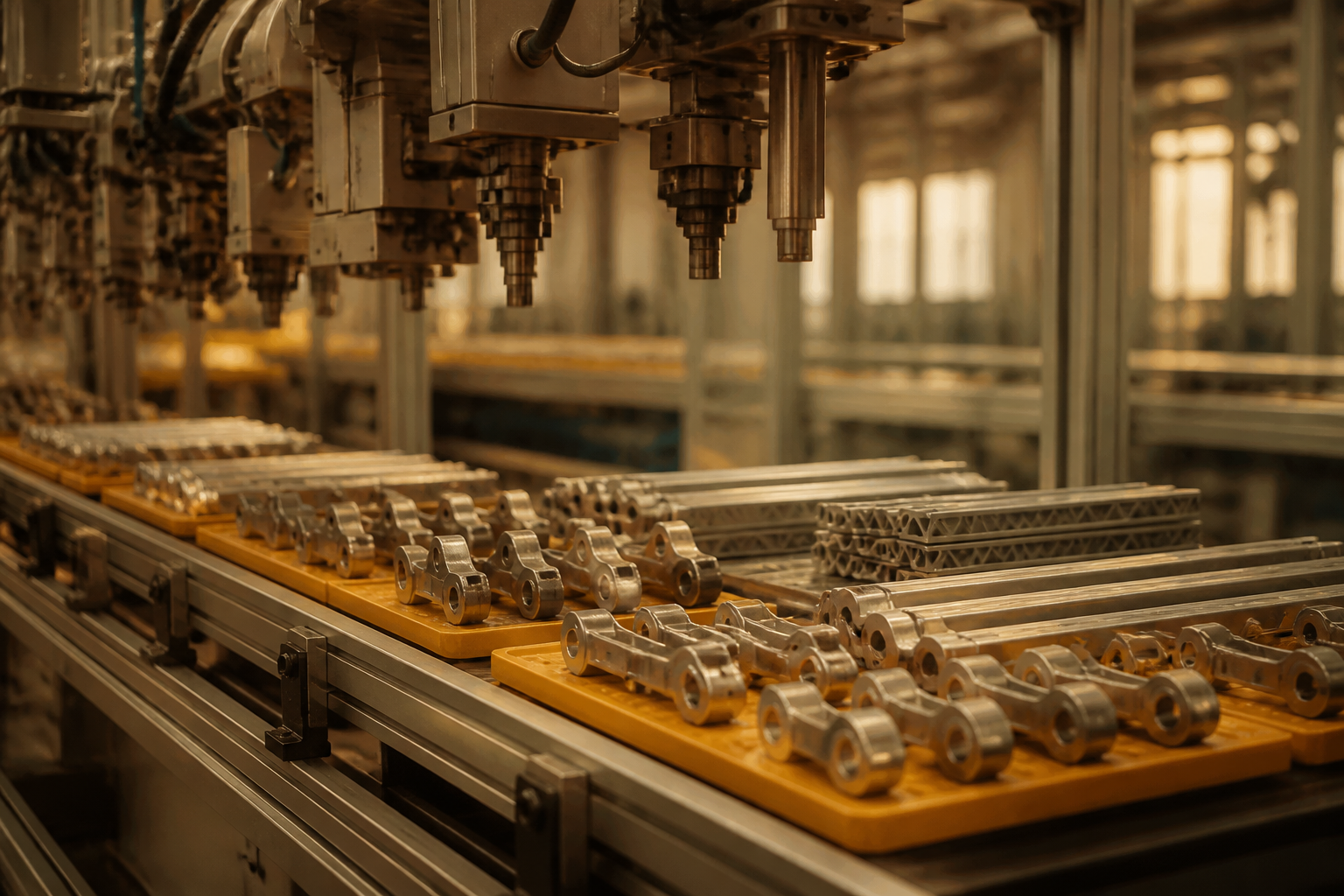
UBTECH launches high volume manufacturing facility for humanoid robots
Robotics firm UBTECH opened a new production facility in Liuzhou engineered to produce up to ten thousand humanoid units yearly. The factory incorporates automated assembly lines where existing machines assist in constructing new models.
 Superintelligence·Sep 11
Palantir and Nvidia partner to manage AI hardware supply chains
Nvidia and Palantir are collaborating to build specialized AI tools aimed at optimizing complex manufacturing supply networks. The system combines Palantir software with Nvidia custom Nemotron models to map operational data and detect production bottlenecks. Nvidia plans to test the platform internally on its own AI hardware manufacturing network.
 Superintelligence·Aug 19
Global demand for artificial intelligence hardware drives up memory prices
High-capacity computer memory modules have experienced steep price increases, with top-tier packages rising several hundred percent within twelve months. Massive forward purchases by artificial intelligence datacenter operators have tied up manufacturing output, causing shortages for personal computers, smartphones, and game consoles.


