
Microsoft urges US government to drop restrictions on Chinese networking parts
Microsoft is reportedly asking federal officials to avoid banning foreign made optical transceivers needed to connect hardware inside AI data centers. Company representatives cited supply chain risks, while congressional members argued against deploying equipment from overseas military suppliers.
The Blend
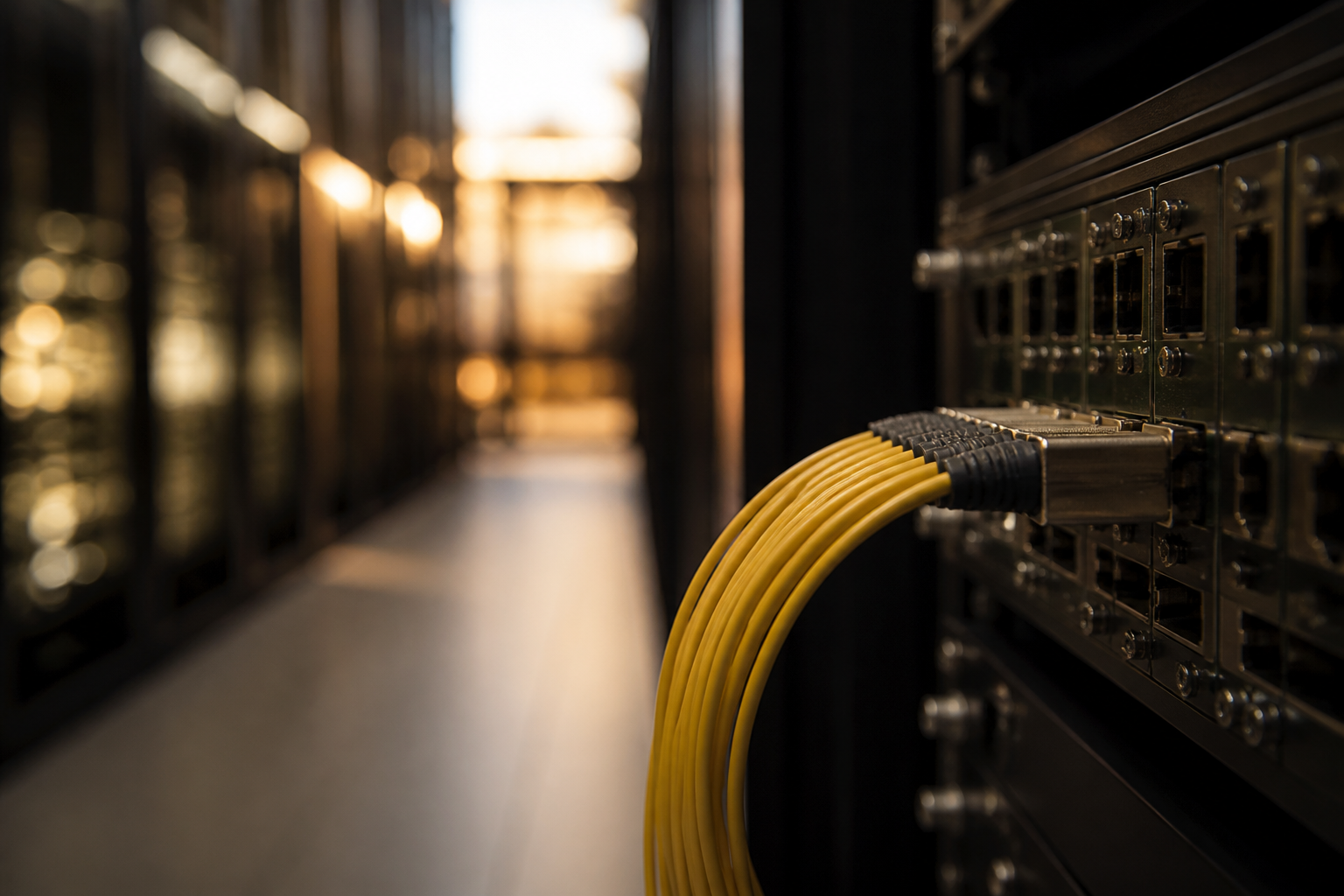
Microsoft is urging US officials to avoid banning key Chinese made networking components used inside artificial intelligence facilities, according to reporting from Reuters. The debate centers on optical transceivers, which convert electrical signals into light to move massive amounts of data between servers. Congressional leaders, including members of the House Select Committee on China, have called on the FCC to block equipment from suppliers linked by the Pentagon to the Chinese military, such as Zhongji Innolight.
For everyday consumers, this political dispute directly impacts the speed and cost of future digital services. Optical components are essential hardware for building the immense cloud infrastructure that runs popular AI tools. If tech companies lose access to these suppliers without ready substitutes, constructing new data centers could slow down significantly, which might translate into higher subscription fees or delayed feature rollouts for online platforms.
It is still unclear whether Washington officials will implement strict prohibitions or grant exemptions to protect tech supply chains. This clash highlights a fundamental tension between national security policies and the physical realities of tech infrastructure. If the US restricts these specialized components immediately, it could force tech companies to rethink how quickly they can scale AI infrastructure without triggering massive bottlenecks.
Written independently by AI News Smoothie from the reporting listed below. Facts belong to the original publishers. Follow the links for their full coverage.
Ingredients
- Select Committee on China on X: "A Pentagon-listed Chinese military company, including Zhongji Innolight, should not be wiring America's data centers. The @FCC should move forward and keep new CCP-linked optical transceivers out of our networks. https://t.co/xAD00hnMIE" / X
Congressional leaders are urging federal regulators to ban Chinese-made optical transceivers from US data centers, citing national security risks.