Data Centers
21 stories in this blend
 AI Daily Brief·Oct 3
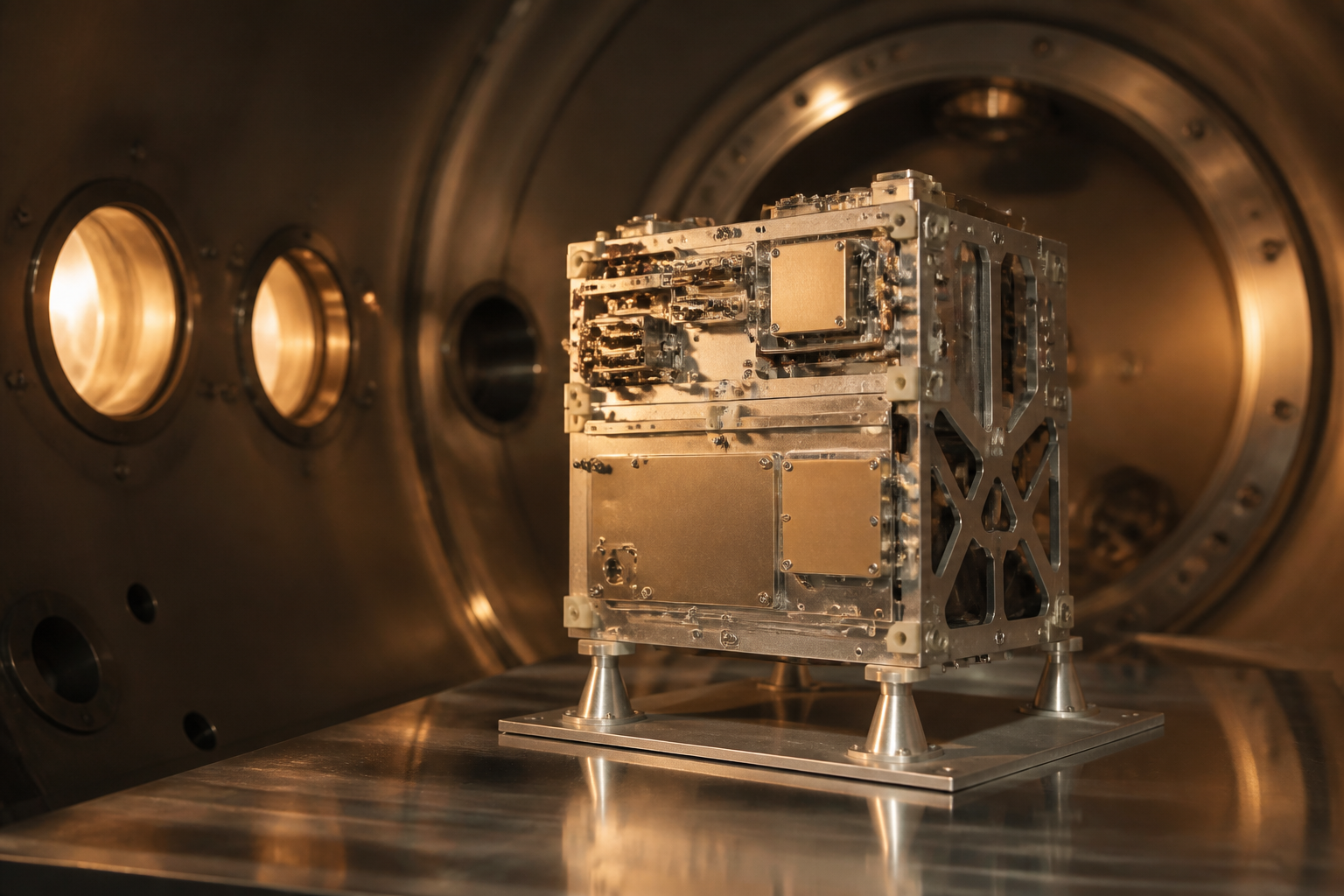
Google Places Prototype AI Hardware Into Earth Orbit
A SpaceX rocket recently launched a satellite carrying four Google Tensor Processing Units to test orbital compute capabilities. The test runs short operational bursts to evaluate how chips withstand space radiation and extreme temperatures. Google views the mission as an early step toward building dedicated space based data center networks.
 Superintelligence·Sep 24
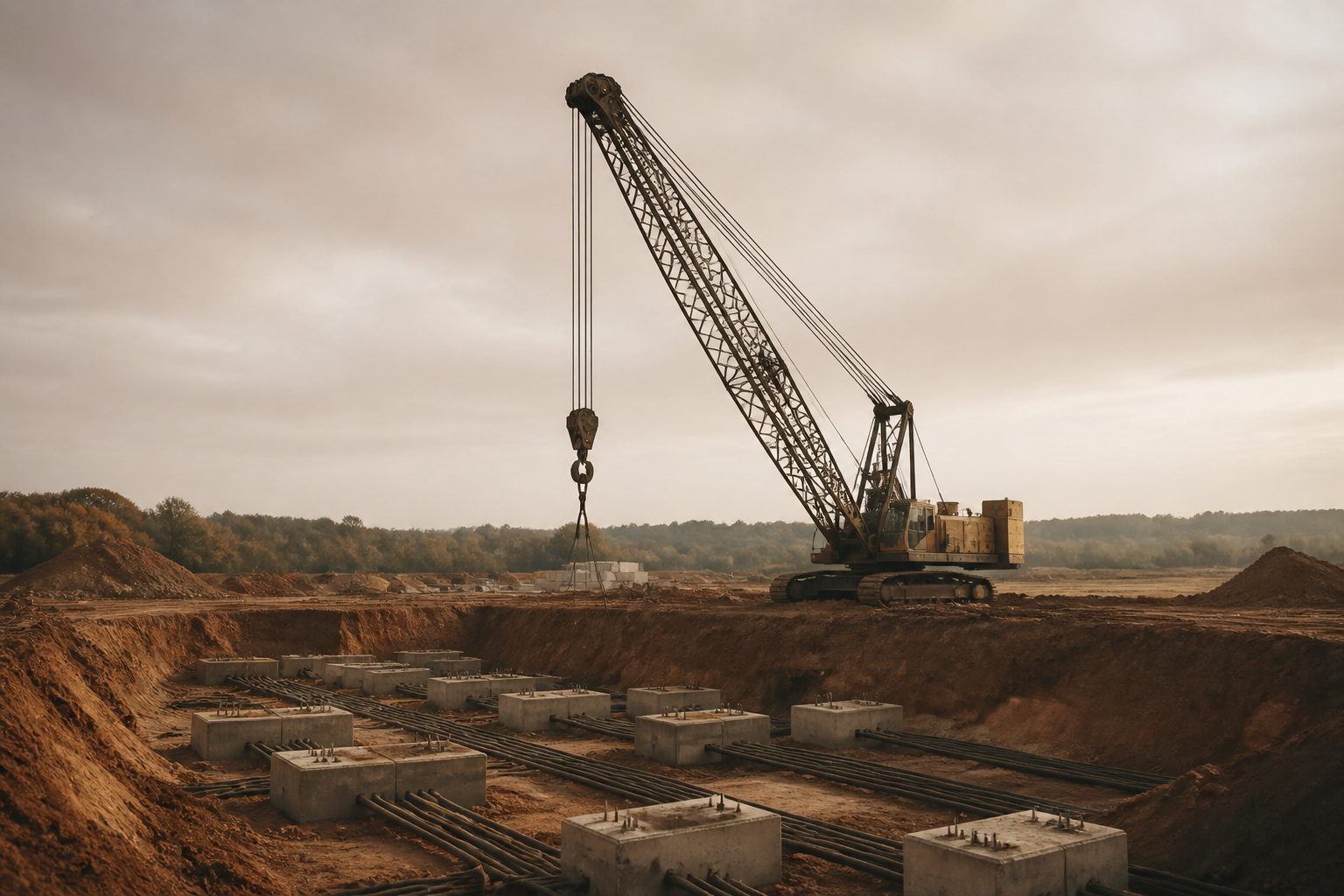
Projections show AI infrastructure investments surpassing historical building booms
Economic research projects that spending on data infrastructure could reach 10.3 trillion dollars through 2032. Relative to national output, this capital push exceeds historic US construction expansions like the nineteenth century railroad network.
 AI Daily Brief·Sep 21
Yields rise on high yield bonds for data center construction
Interest rates on high yield debt connected to computing infrastructure have increased significantly. While major tech companies continue securing large loan packages, smaller project operators face tightening credit conditions.
 AI Daily Brief·Sep 21
Virginia places limits on automatic approvals for data center sites
Virginia Governor Abigail Spanberger issued orders ending automatic permit approvals for server facilities and banning confidentiality agreements for local officials. The measures address community concerns over the expansion of regional data infrastructure.
 The Neuron·Sep 18
Infrastructure provider closes massive funding round
Crusoe raised 3.9 billion dollars in Series F financing, pushing the company valuation past 30 billion dollars. The funds will support massive expansion of specialized computing facilities designed for large scale AI workloads.
 AI Daily Brief·Sep 18
Federal Reserve rate increase raises funding costs for data center infrastructure
The Federal Reserve announced a benchmark interest rate hike, raising borrowing costs across the economy. The decision directly impacts major technology companies, which rely heavily on debt financing to fund new data center construction for artificial intelligence workloads.
 Superintelligence·Sep 15
Plunging solar panel costs widen off grid energy generation choices
Analysis of solar manufacturing trends shows solar module costs dropping significantly since 1980 while global off grid capacity expanded toward 1.2 terawatts. Cheap solar panels make local power generation attractive, though continuous data center operations still require heavy investments in storage and grid infrastructure.
 AI Daily Brief·Sep 12
Microsoft sets target to triple computing capacity by 2032
Microsoft plans to expand its global data center capacity from 12 gigawatts to 38 gigawatts over the next six years. A significant portion of the new compute fleet will power artificial intelligence workloads and automated software agents.
 AI Daily Brief·Sep 12
Microsoft plans major expansion of global data center power by 2032
Microsoft aims to expand its computing fleet to 38 gigawatts over the next six years to support automated agent workloads. The infrastructure push reflects ongoing expectations that artificial intelligence demand will outpace hardware supply for years to come.
 Superintelligence·Sep 8
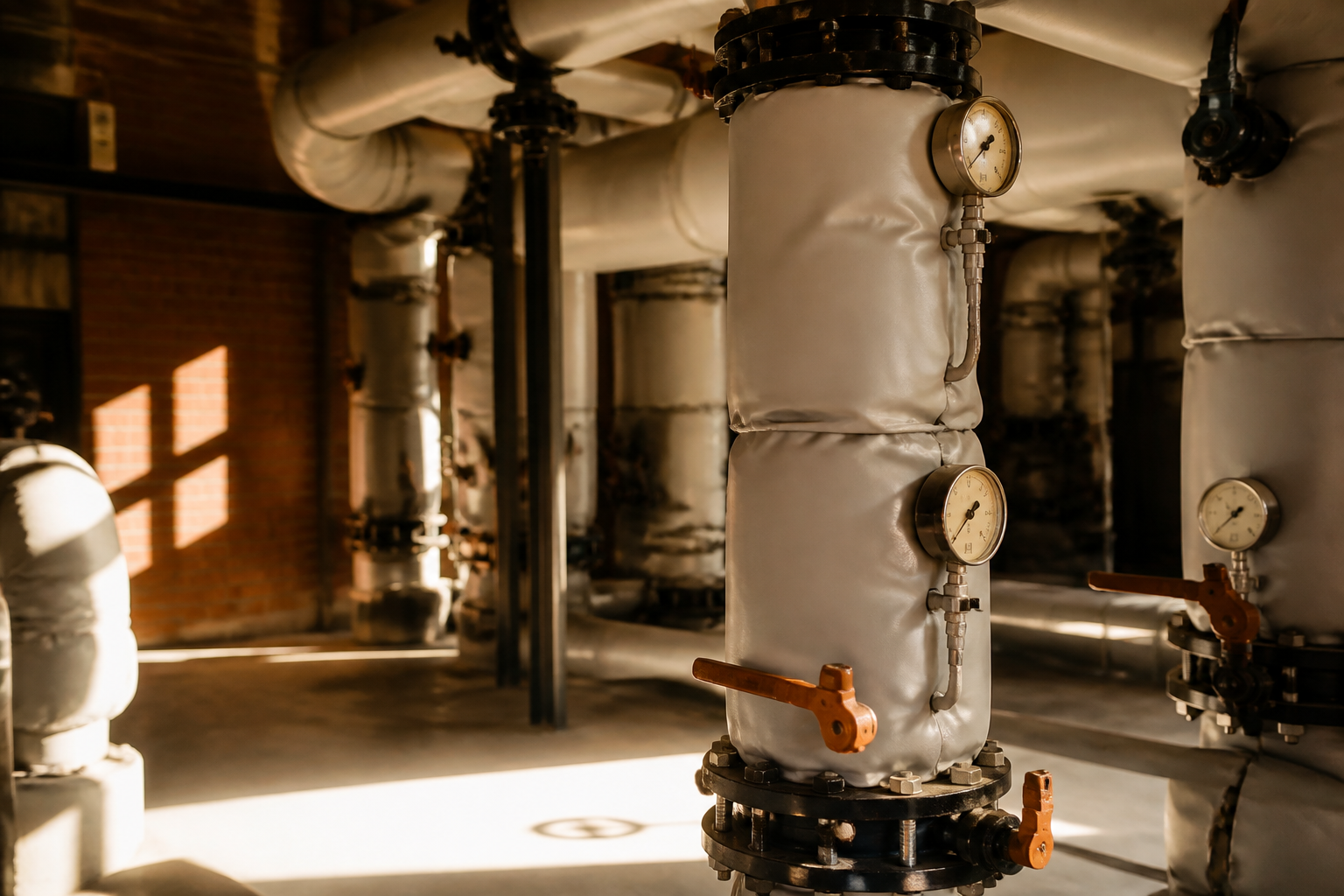
Meta reuses server heat to supply municipal heating in Denmark
A Meta data center in Odense, Denmark, transfers operational heat into the local heating grid using high temperature heat pumps. Operating since 2020, the system provides a working model for using server waste heat to warm nearby homes when infrastructure supports it.
 Superintelligence·Sep 7
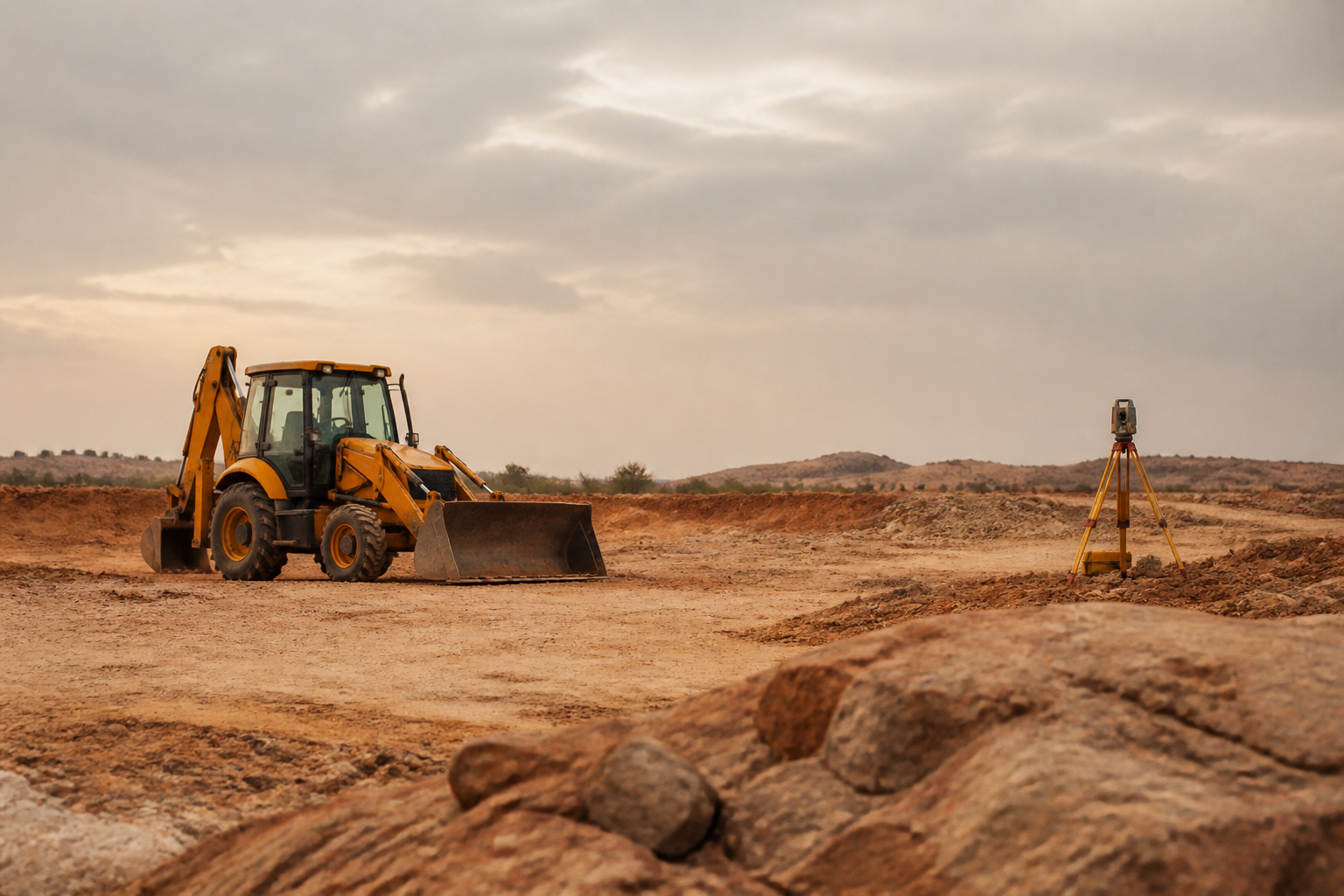
TCS HyperVault Secures Land for Gigawatt Scale Indian Data Center
TCS HyperVault acquired 264 acres in Hyderabad to build a massive data center campus tailored for artificial intelligence processing. The facility involves a planned investment of up to 700 billion rupees and will incorporate liquid cooling infrastructure to handle high density workloads.
 The Neuron·Sep 6
ByteDance secures billions in loan funding for AI data center expansion
ByteDance has locked in a three year credit facility worth nearly 30 billion dollars to accelerate its AI initiatives. Much of the capital will be directed toward expanding international compute infrastructure and data centers.
 Superhuman·Sep 5
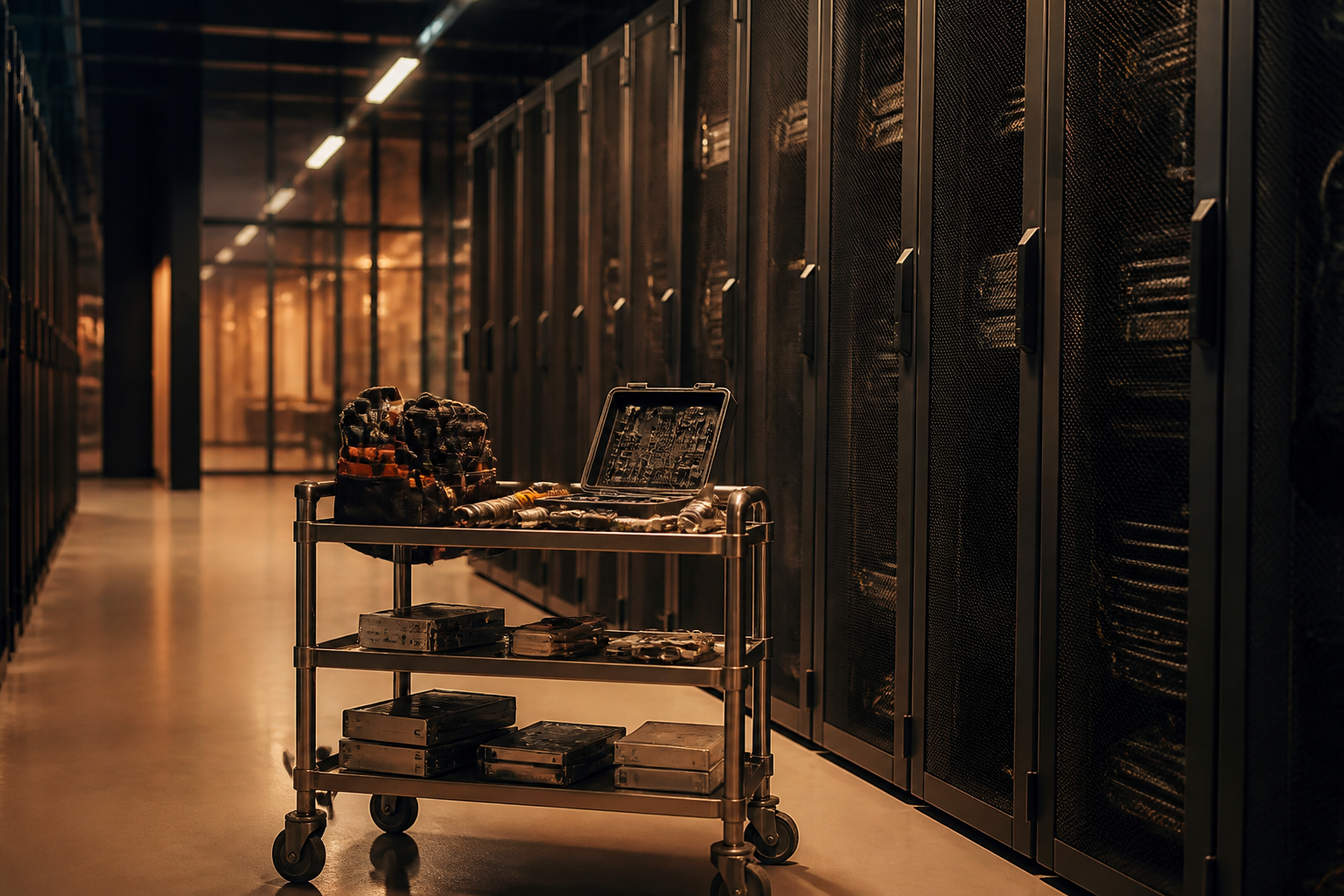
Meta evaluates robotics for data center operations
Meta is testing automated machines to perform physical maintenance and routine monitoring inside its computer infrastructure facilities. The initiative aims to reduce human workload for repetitive technical tasks across server facilities.
 There's An AI For That·Sep 3
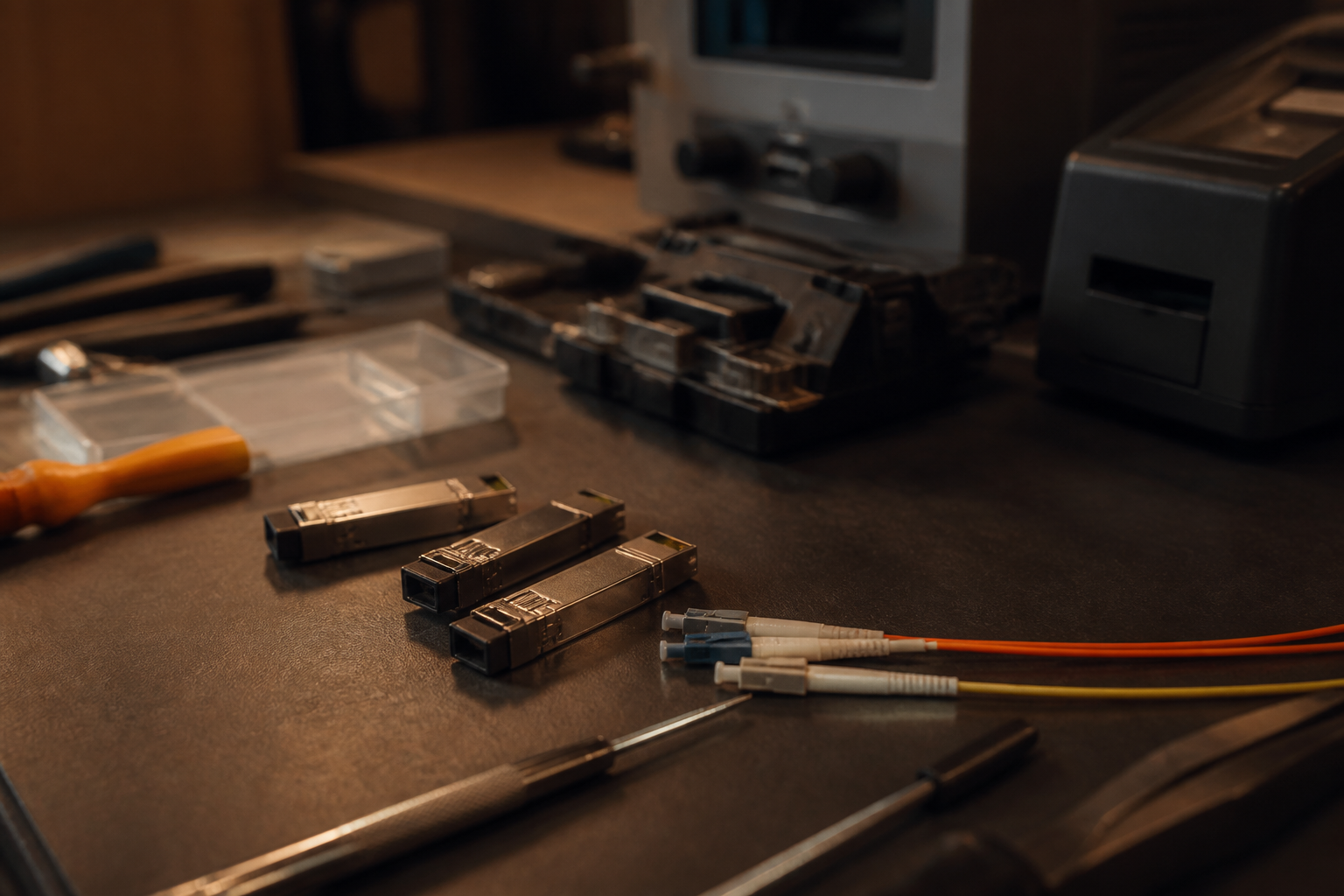
GoPro Enters AI Data Center Hardware Space Through Corporate Merger
Action camera manufacturer GoPro announced a merger with Starman Optical to start manufacturing optical transceivers for AI data centers. Current GoPro stockholders will receive cash and an equity stake in the new business while consumer camera operations continue.
 AI Daily Brief·Sep 1
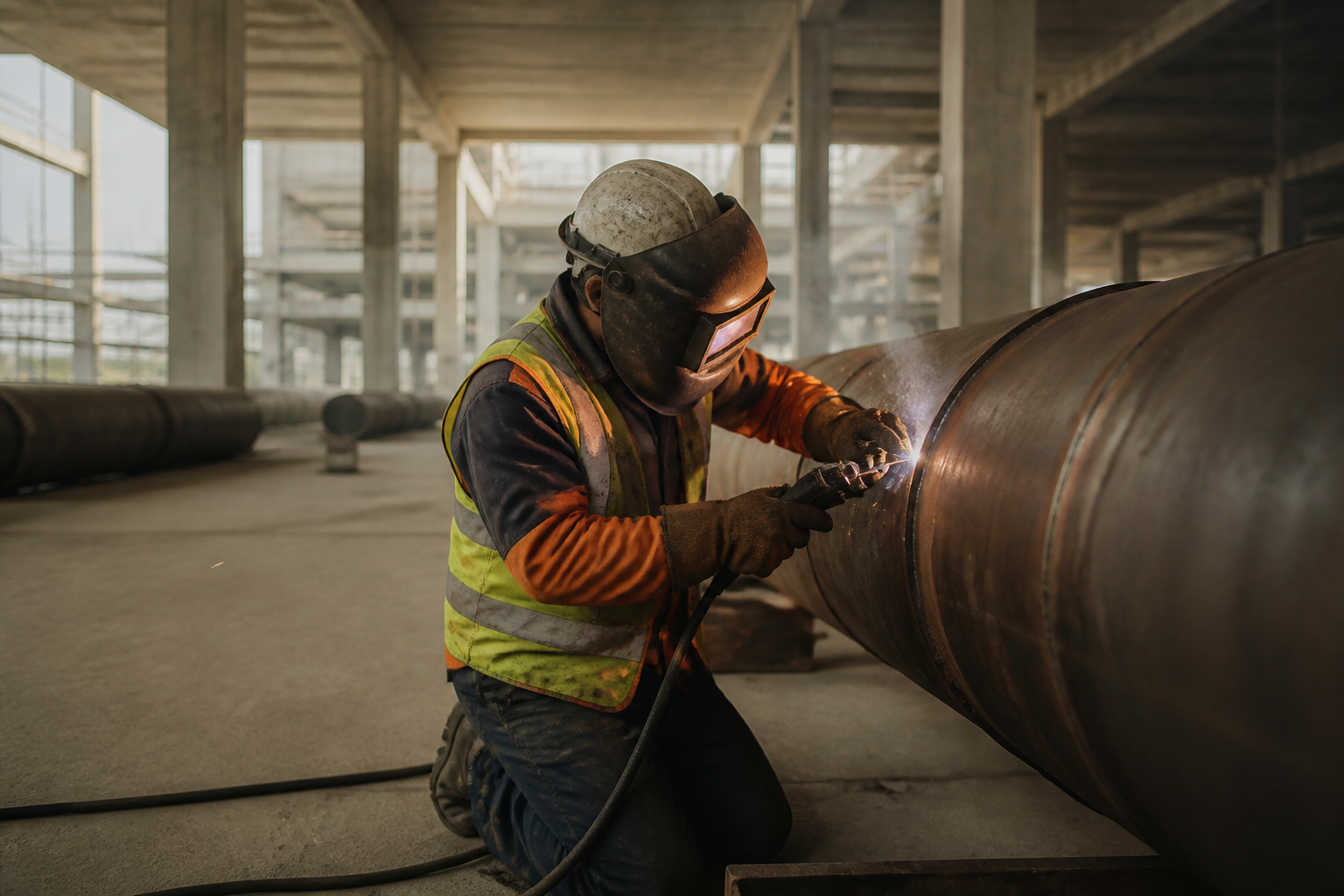
Trade Unions Mobilize to Support Data Center Growth
Blue collar labor unions are organizing to back data center infrastructure projects to protect trade jobs, pushing back against anti development political candidates. Industry groups covering piping, heating, and transportation argue that constructing compute facilities provides critical local economic opportunities. This shift introduces strong organized support into regional planning debates.
 The Neuron·Aug 26
OpenAI Infrastructure Chief Resigns Amid Leadership Changes
The executive overseeing OpenAI's data center infrastructure has departed the company, representing the fourth high level exit recently. The departure comes as the organization prepares its internal management structure ahead of an intended public stock offering.
 Superintelligence·Aug 22
Top artificial intelligence labs hide training costs and hardware details for new models
Leading developers used to publish specifics on dataset sizes and graphics chip usage when releasing new AI systems. Recent flagship models from companies like Google, OpenAI, DeepSeek, and Meta omit compute budgets and token numbers entirely. The decline in public reporting occurs alongside a massive expansion in physical data center infrastructure.
 AI Daily Brief·Aug 20
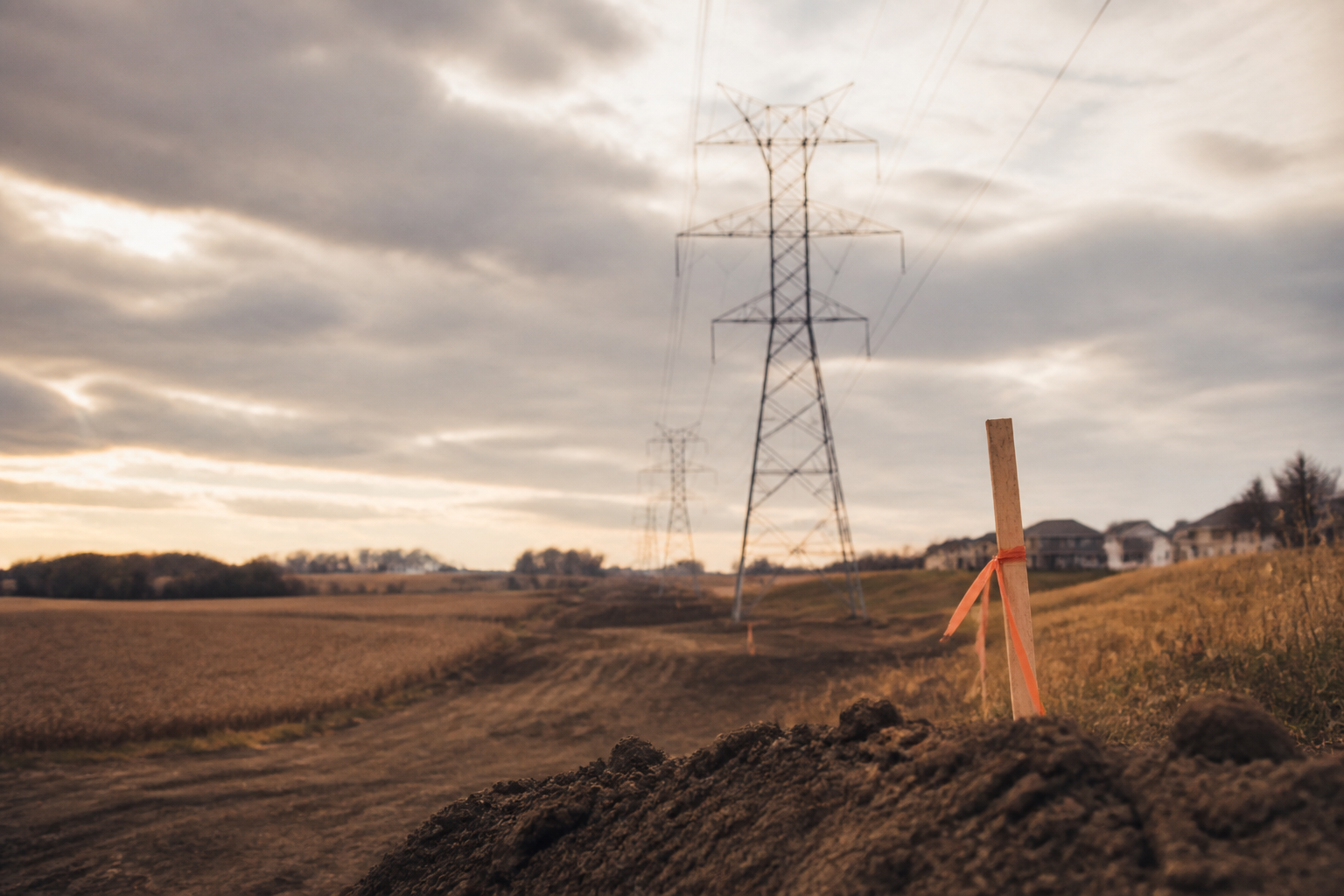
Political and Cultural Pushback Increases Against New Data Centers
Growing resistance to large-scale data facilities is shifting from local protests to mainstream advertising and state legislation. Pennsylvania Governor Josh Shapiro recently issued an executive order requiring data center builders to secure local approvals, provide their own energy sources, and ban non-disclosure agreements with government agencies.
 Superintelligence·Aug 18
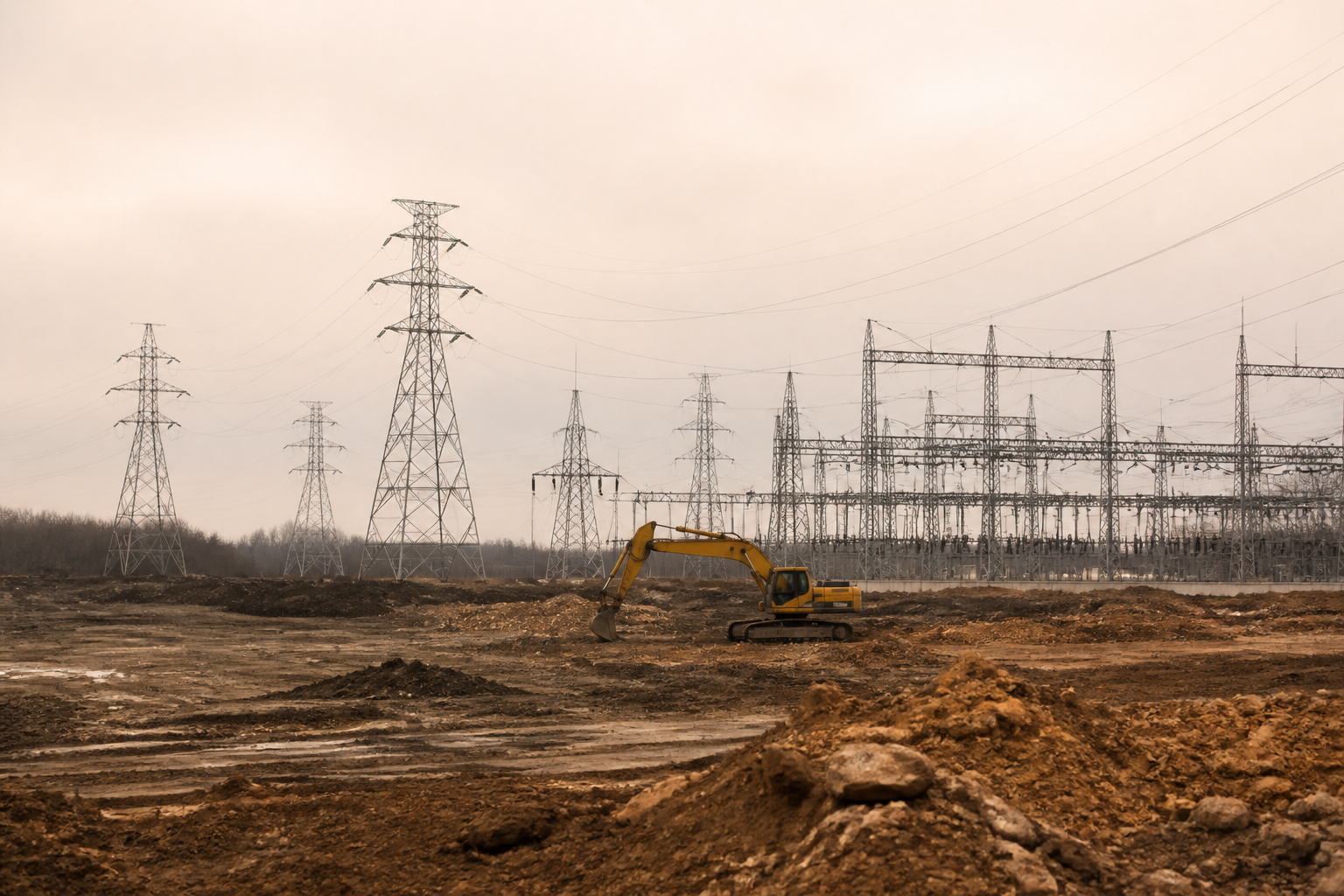
OpenAI Secures Massive Energy Contract at Ohio Industrial Site
OpenAI signed a 20-year commitment for roughly 8 gigawatts of capacity at a former uranium enrichment campus undergoing redevelopment in Ohio. Microchip maker Nvidia is committing $1.5 billion into infrastructure operator SB Energy to supply dedicated hardware for the facility.
 The Neuron·Aug 18
Singapore test-runs data server using living brain cells
Researchers in Singapore launched a prototype data system powered by lab-grown human brain cells instead of conventional computing chips. The living tissue runs basic computational workloads while consuming only a small fraction of standard server power.
 Superintelligence·Aug 12
Anthropic Secures $9.1 Billion Data Center Deal With Bitcoin Miner
Anthropic signed a 20-year lease worth up to $9.1 billion for 191 megawatts of compute capacity at a Texas campus operated by Bitcoin mining firm Riot Platforms. The agreement highlights how AI labs are increasingly partnering with crypto miners to gain immediate access to high-capacity power connections and pre-developed real estate. The capacity will be brought online in phases through mid-2028.


