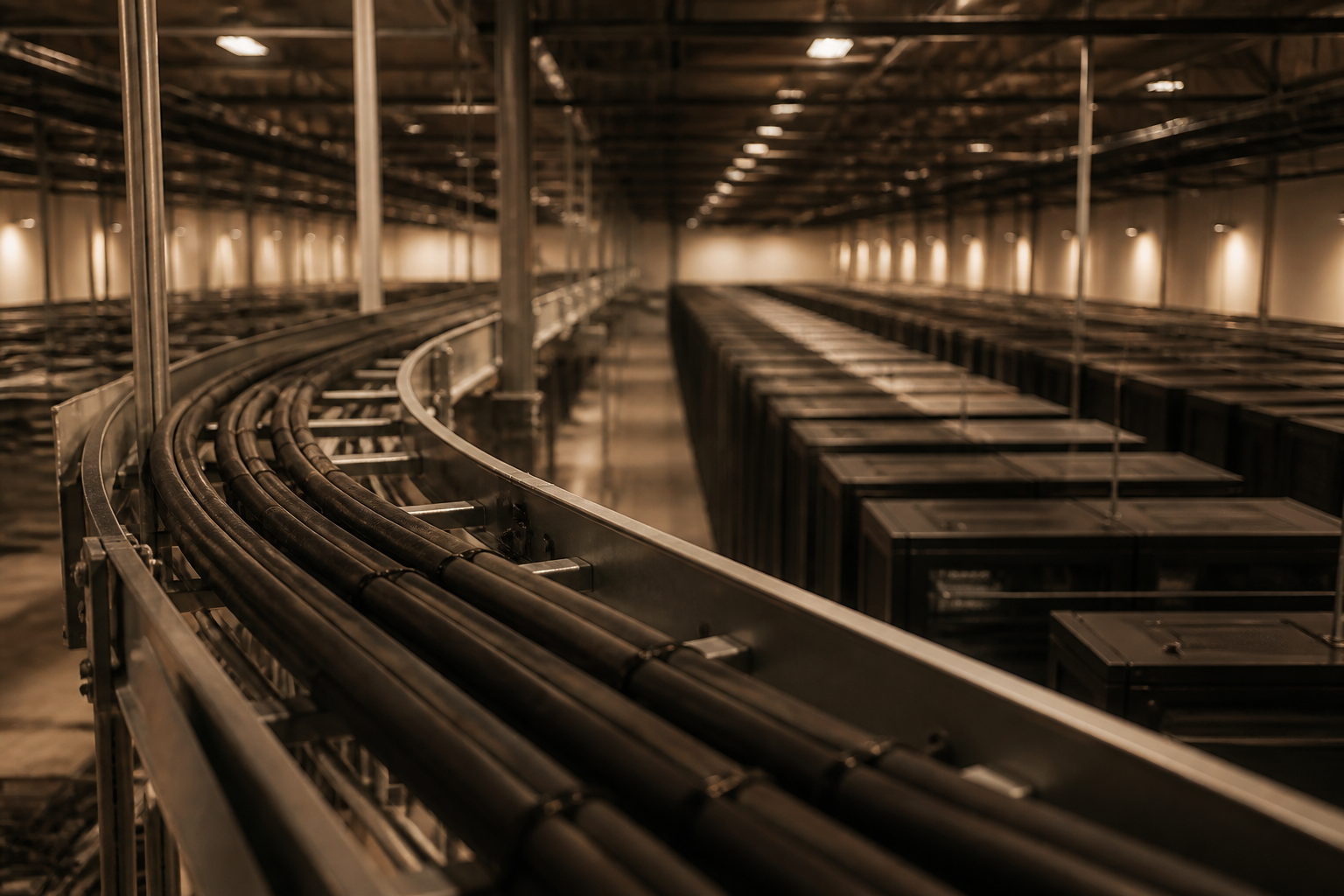

Microsoft sets target to triple computing capacity by 2032
Microsoft plans to expand its global data center capacity from 12 gigawatts to 38 gigawatts over the next six years. A significant portion of the new compute fleet will power artificial intelligence workloads and automated software agents.
The Blend
Tech giants and independent software developers are feeling the immense strain that artificial intelligence places on global hardware infrastructure. According to reported company targets, Microsoft intends to more than triple its data center capacity to 38 gigawatts by 2032, expanding from 12 gigawatts today to support next generation AI tools and autonomous digital agents. Meanwhile, smaller software services are already hitting hardware limits. Software creator Tibo announced on X that Astra temporarily suspended new signups for its top tier 200 dollar plan because traffic put an intense burden on existing systems.
For ordinary consumers, these computational bottlenecks explain why popular digital tools can become sluggish or lock out new users during peak hours. Microsoft's planned infrastructure push shows that corporate leaders expect automated digital assistants to handle far more daily tasks in the coming years. However, running those tools requires massive amounts of physical electricity, turning software growth into a major power grid issue.
It remains uncertain whether local electric utilities and green energy projects can keep pace with such rapid computer hardware expansion. If power supplies fail to keep up with corporate plans, software providers may have to raise subscription rates or restrict access during peak times. This raises a critical question for the broader industry: will smaller startups get priced out of server access as massive corporations buy up available electrical power?
Written independently by AI News Smoothie from the reporting listed below. Facts belong to the original publishers. Follow the links for their full coverage.
Ingredients
- Tibo on X: "To make sure our current users have an incredible experience and continued access to Astra, we are going to pause subscriptions to our $200 Pro plan. These put the most strain on our systems and we wanted to take the smallest step that allows us to continue giving the broadest access po… / X
Astra paused new signups for its top subscription tier to maintain service quality for existing users during heavy server strain.