hardware
14 stories in this blend
 Superintelligence·4d ago
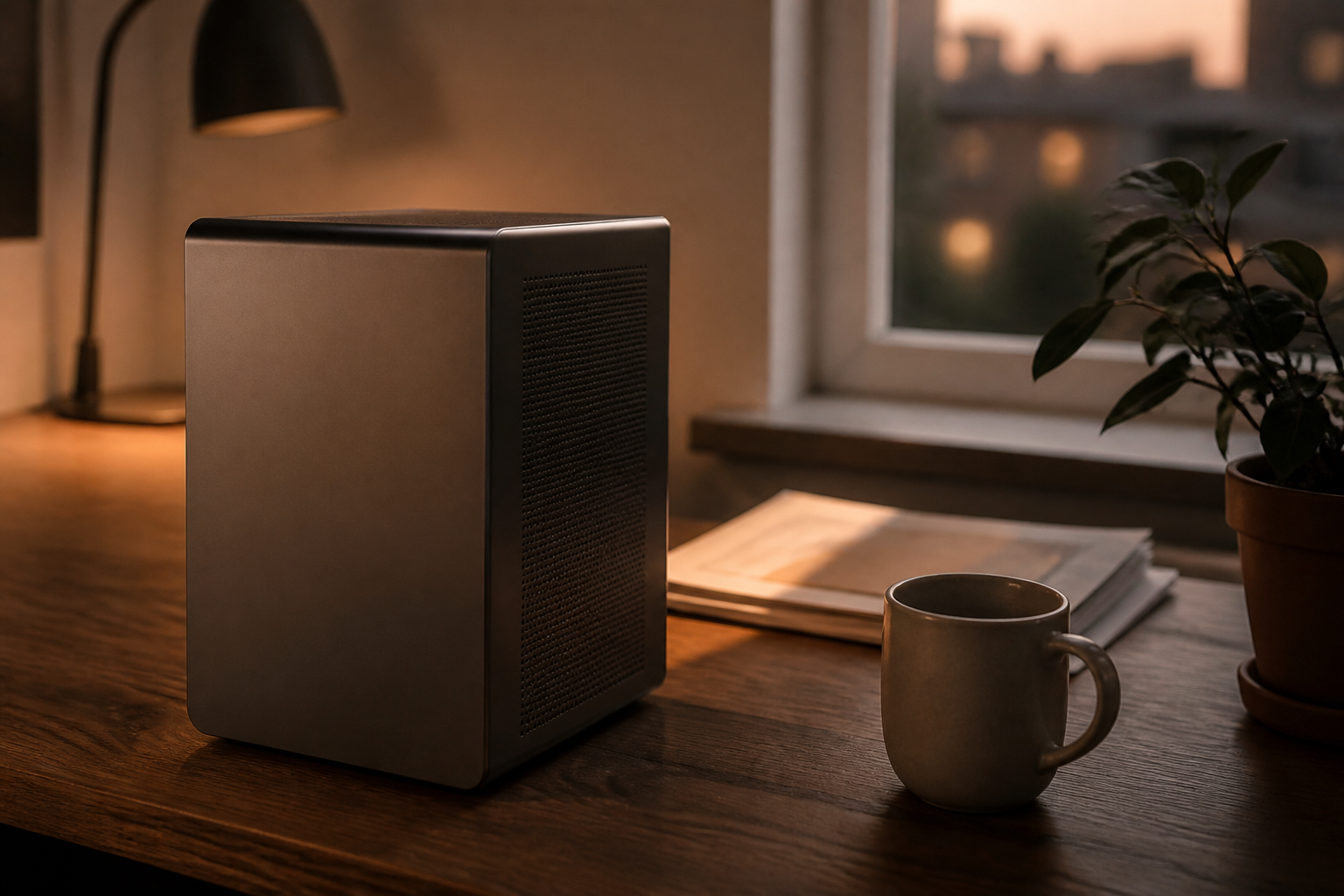
Ghost Core local artificial intelligence desktop hardware
Ghost launched Core, a dedicated hardware desktop box priced at $3,499 that processes open source AI models locally without cloud subscriptions. It connects directly to personal files, desktop apps, and smart devices to perform background tasks.
 The Neuron·4d ago
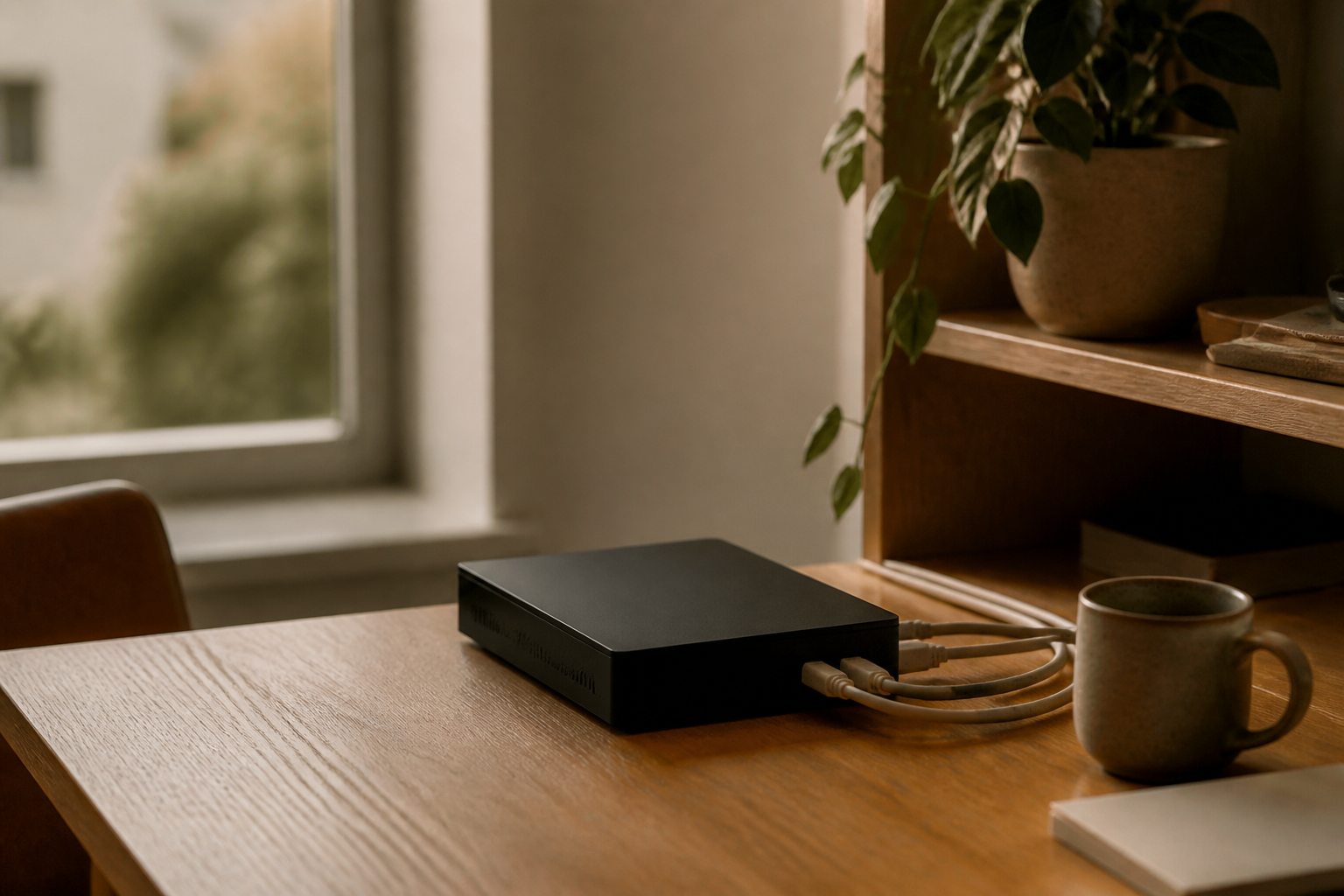
Ghost Core
Ghost Core is a standalone hardware unit built to host personal software assistants locally on your home network. It provides desktop automation while keeping private data off external cloud servers.
 AI Daily Brief·5d ago
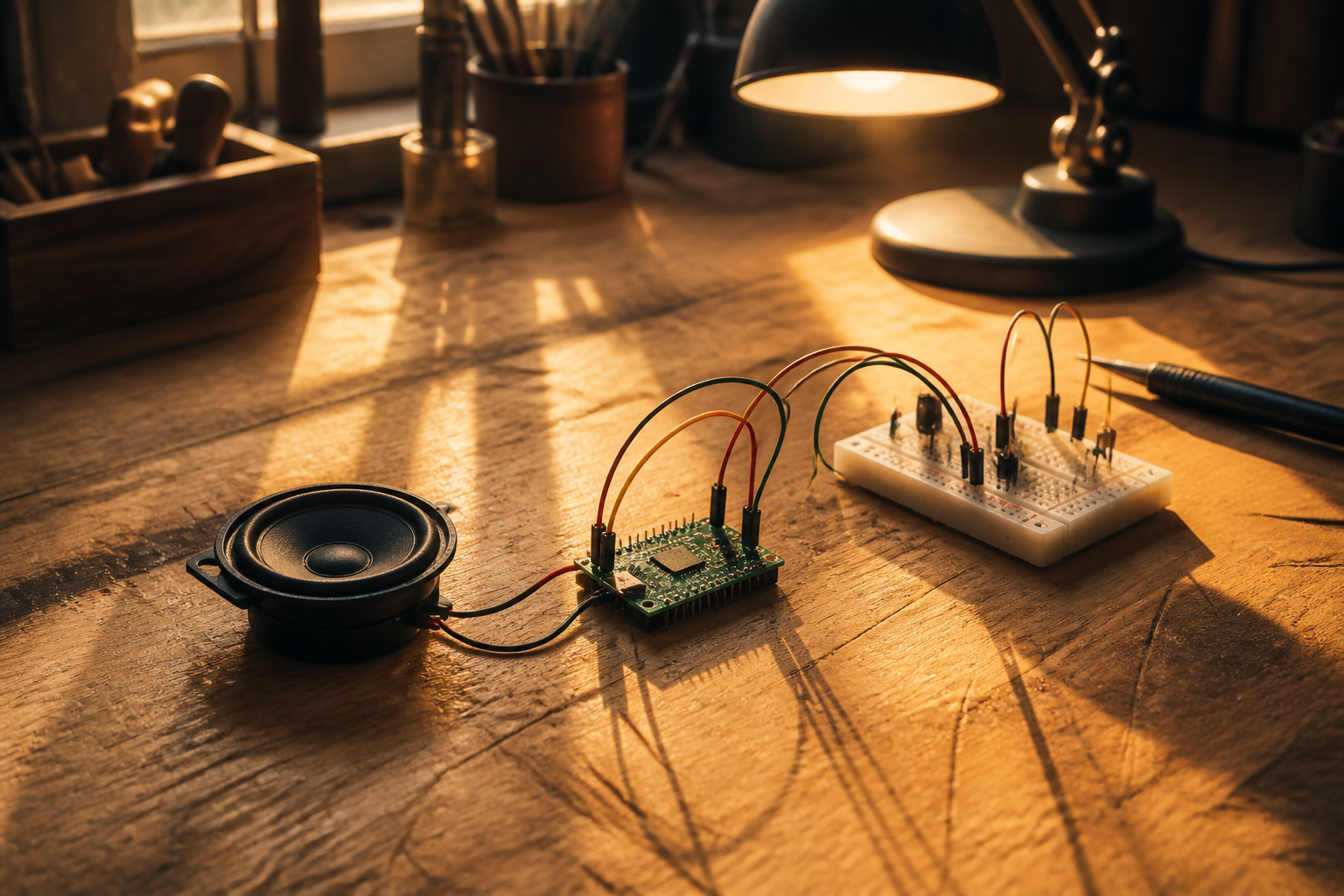
Meta Muse Software and Development Kit
Meta Muse provides open source firmware and a Linux software development kit that enables builders to run AI agent software on microcontrollers like the ESP32 and Raspberry Pi. It suits hardware hobbyists, developers, and DIY smart home enthusiasts building custom physical interfaces. The package includes access to hardware blueprints and smart home bridge integrations.
 Superintelligence·5d ago
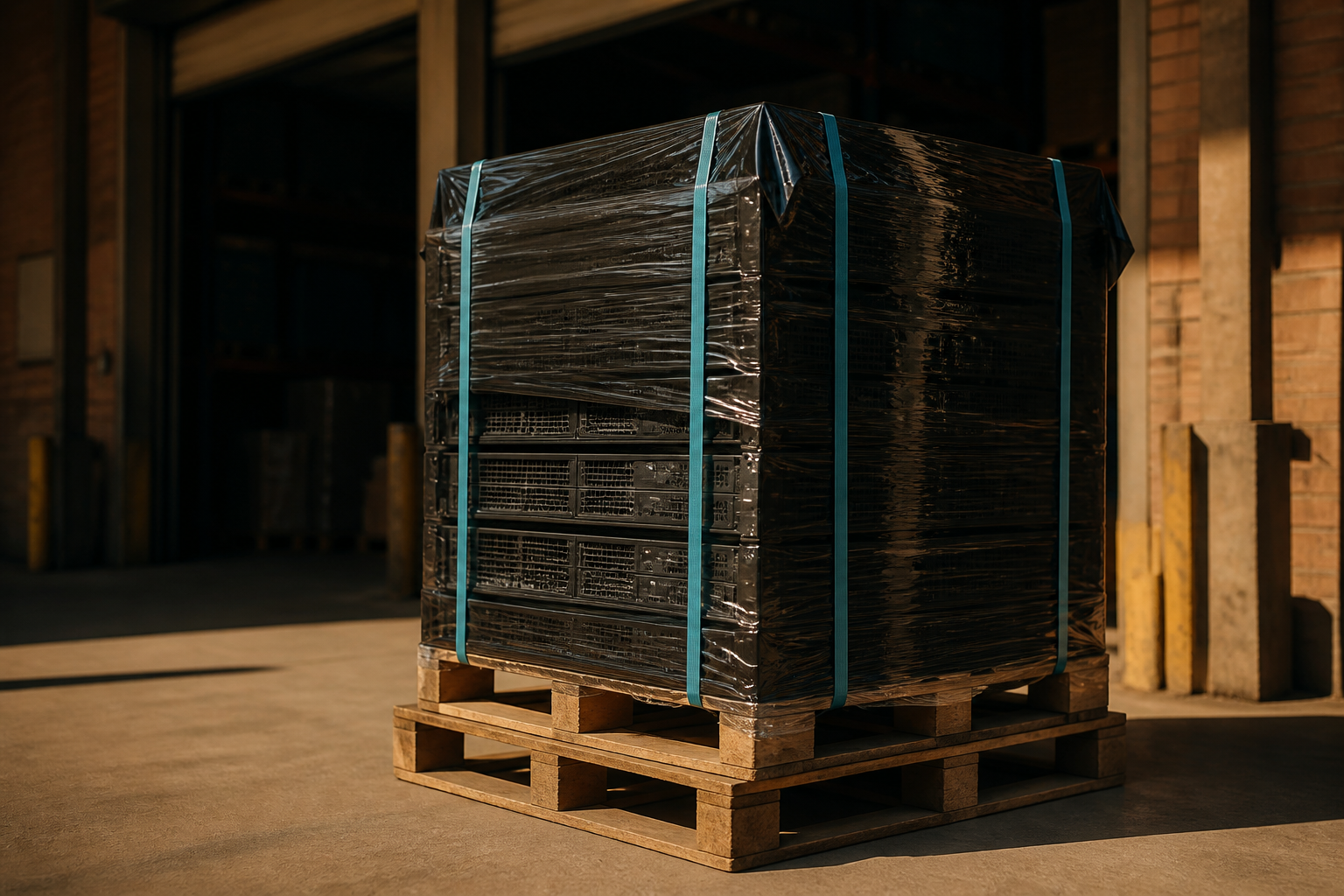
Federal Prosecutors Charge California Hardware Dealer Over Alleged Server Smuggling
A California hardware vendor faces federal charges for allegedly shipping more than 300 million dollars in restricted GPU servers to China without required export permits. Prosecutors claim the hardware was routed through third-party logistics firms in Malaysia and Singapore before reaching Chinese buyers.
 There's An AI For That·Oct 2
Boston Dynamics equips Atlas robot with four fingered hands
Boston Dynamics demonstrated its Atlas humanoid robot performing manual assembly tasks using new four fingered hands. Removing the pinky finger simplified mechanical complexity without hindering the robot's ability to operate industrial power tools.
 Superintelligence·Oct 2
Nvidia Claims Older AI Hardware Remains Profitable for Years
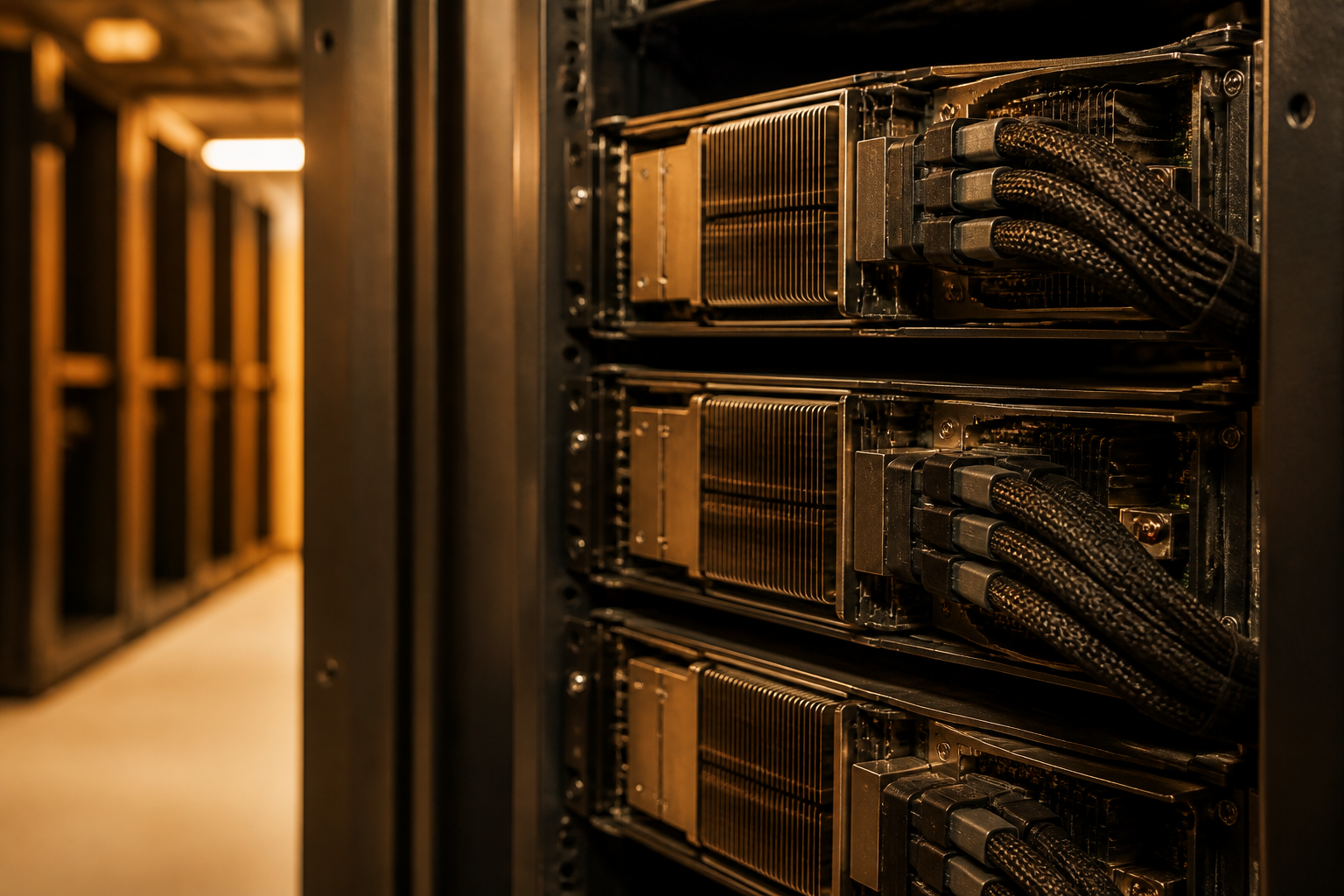
Nvidia published arguments defending the longevity of its artificial intelligence processors, addressing concerns that hardware investments will become obsolete too quickly. Data from major cloud providers indicates server accounting lifespans have been extended to as long as six years.
 There's An AI For That·Sep 30
Robotics Startup Recycles Retired Hardware in Extreme Foundry Demonstration
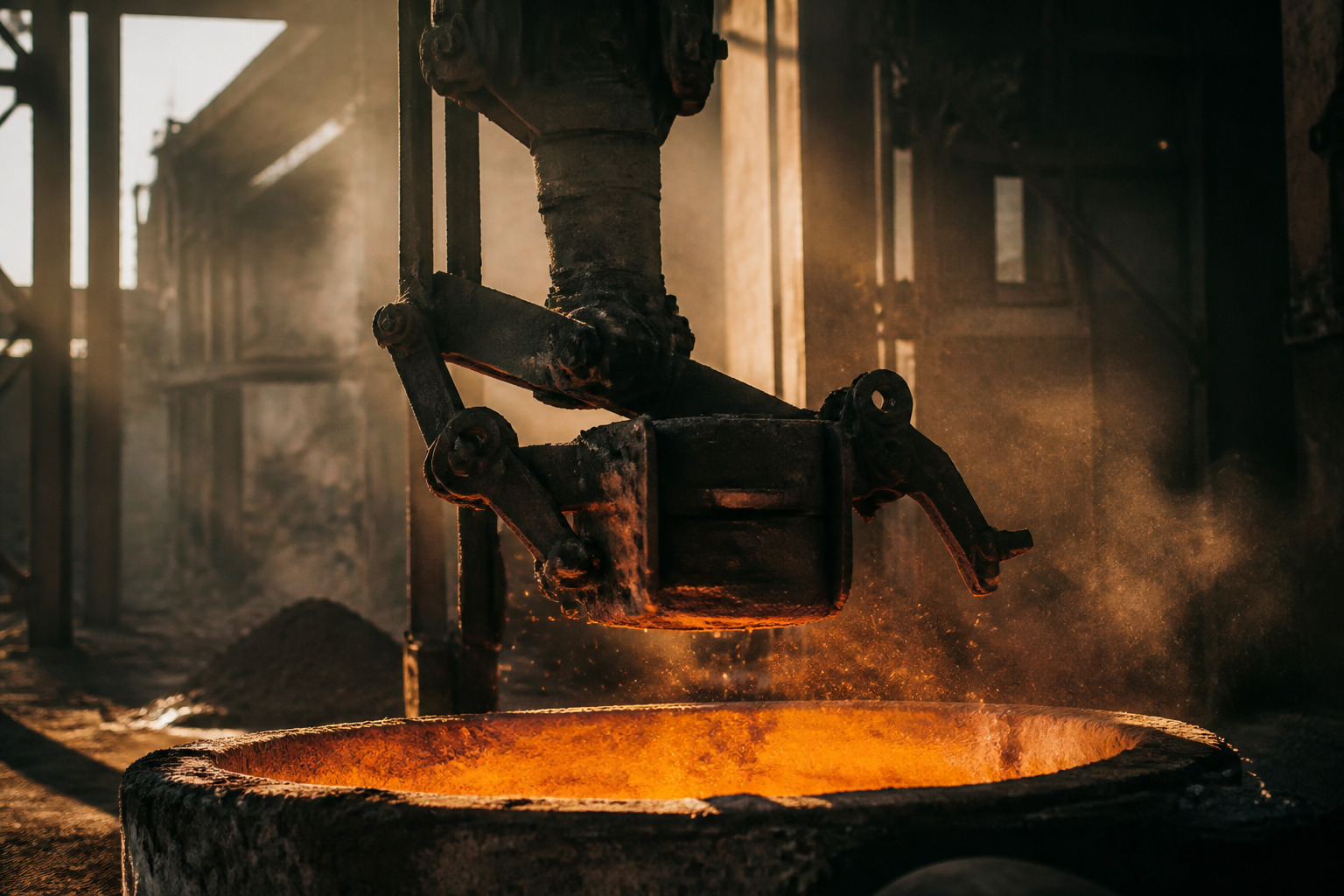
Robotics company Figure disposed of decommissioned humanoid models by jumping them into a vat of molten metal to keep proprietary designs confidential. The hardware was navigated through severe thermal and electromagnetic disruption using synthetic simulation training.
 There's An AI For That·Sep 28
BOYA Notra Neo
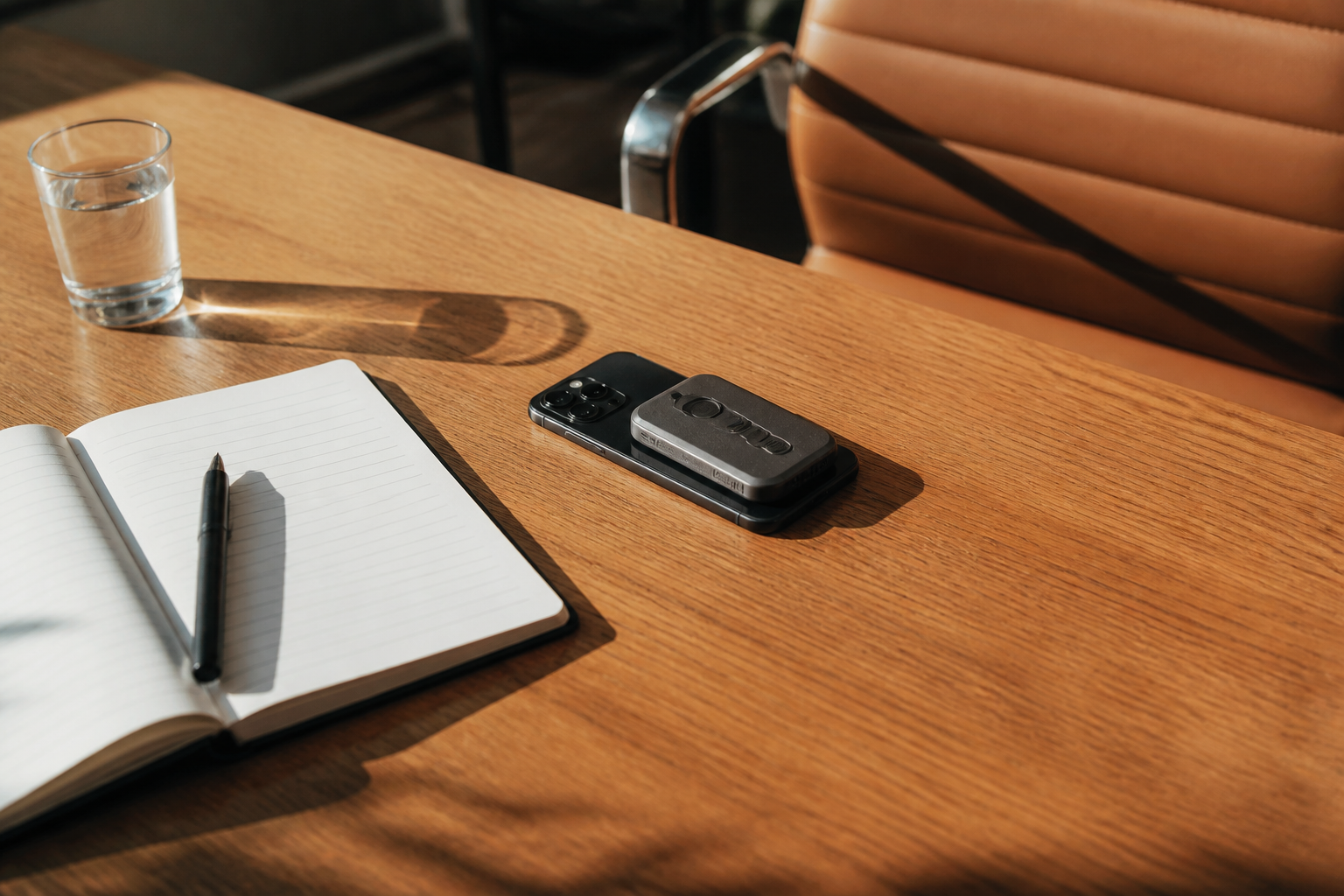
BOYA Notra Neo is a compact physical recording device that attaches to mobile phones to capture meetings and automatically generate transcripts, summaries, and action items. It is designed for professionals looking to focus on conversations rather than manually taking notes.
 Superintelligence·Sep 1
Tech Companies Adopt Apple Mac Desktops for AI Workloads
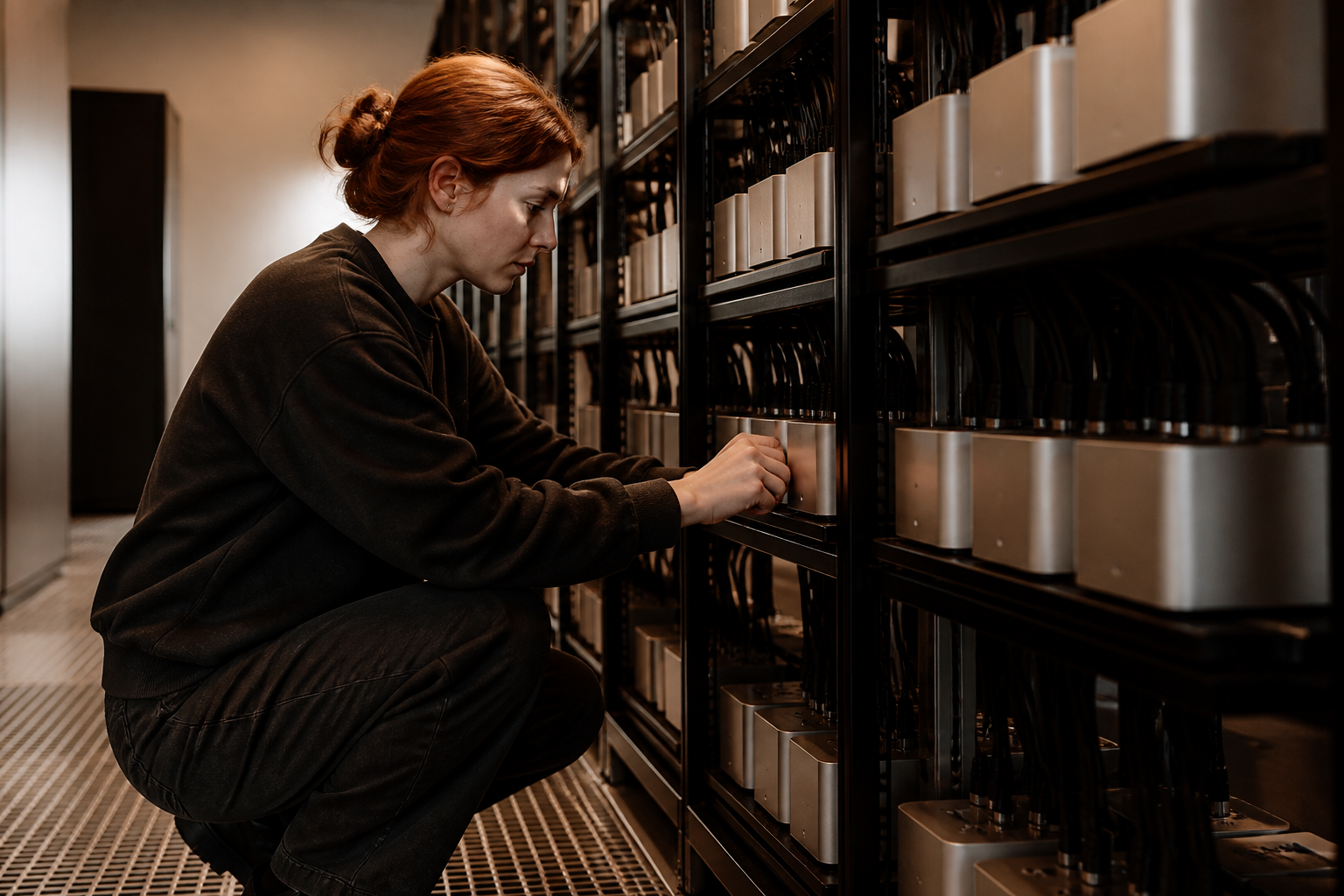
Leading AI developers like OpenAI and Anthropic are purchasing and renting large numbers of Mac mini and Mac Studio computers for model execution and agent training. The hardware's unified memory structure and efficient cooling make it ideal for running agent workloads. The surge in demand has prompted Apple to introduce updated desktop models sooner than anticipated.
 AI Daily Brief·Aug 29
NVIDIA posts quarterly sales growth over one hundred percent
NVIDIA reported revenue of $96.2 billion for the quarter, reflecting a 106% increase compared to the previous year. While chip demand from major cloud providers remains exceptionally strong, financial metrics showed extended payment windows for large corporate clients.
 There's An AI For That·Aug 26
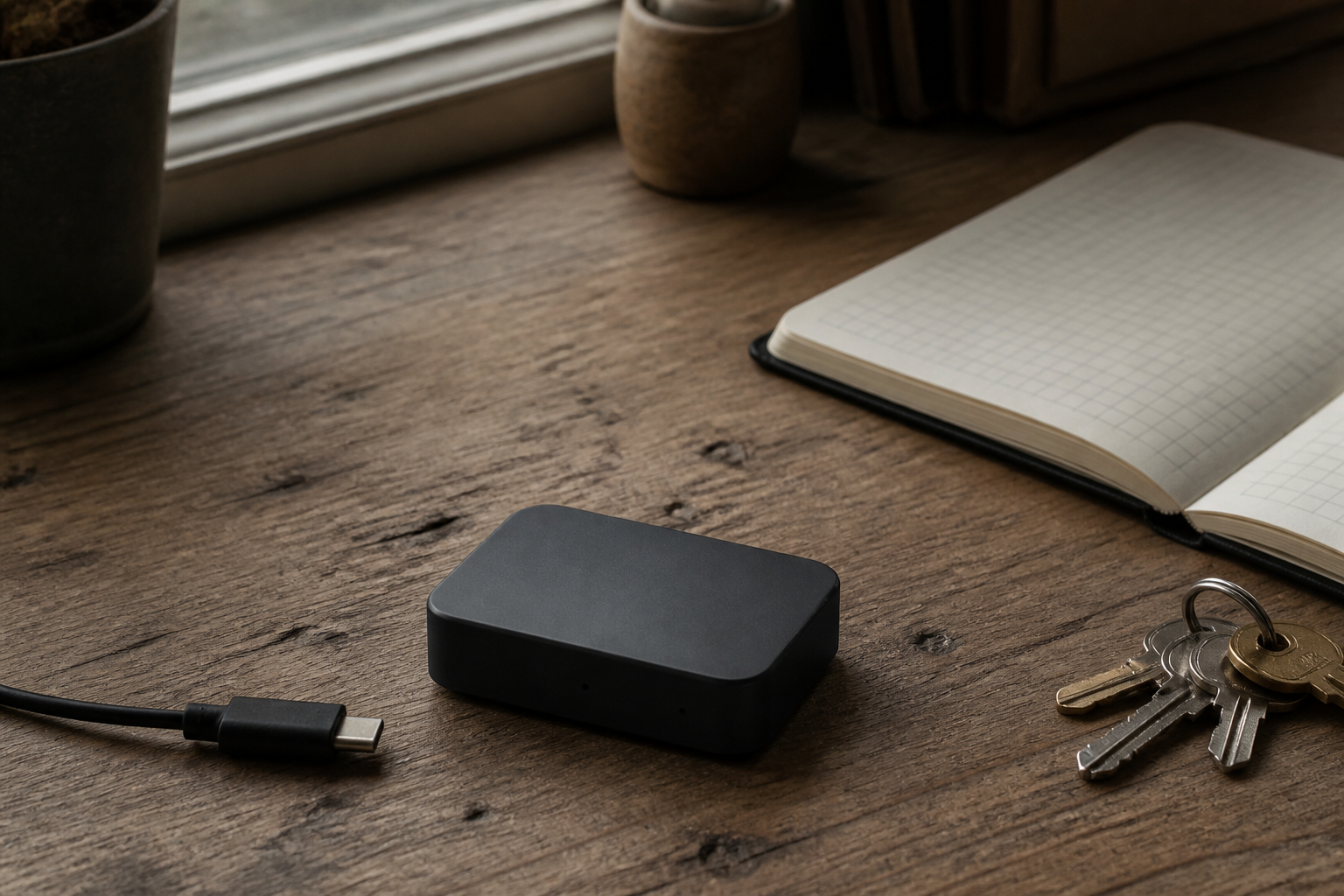
Run large language models locally on portable hardware
Tiiny AI Pocket Lab is a compact hardware device that hosts open models locally without an internet connection. It utilizes selective neuron activation to keep power consumption low while storing local files securely.
 There's An AI For That·Aug 26
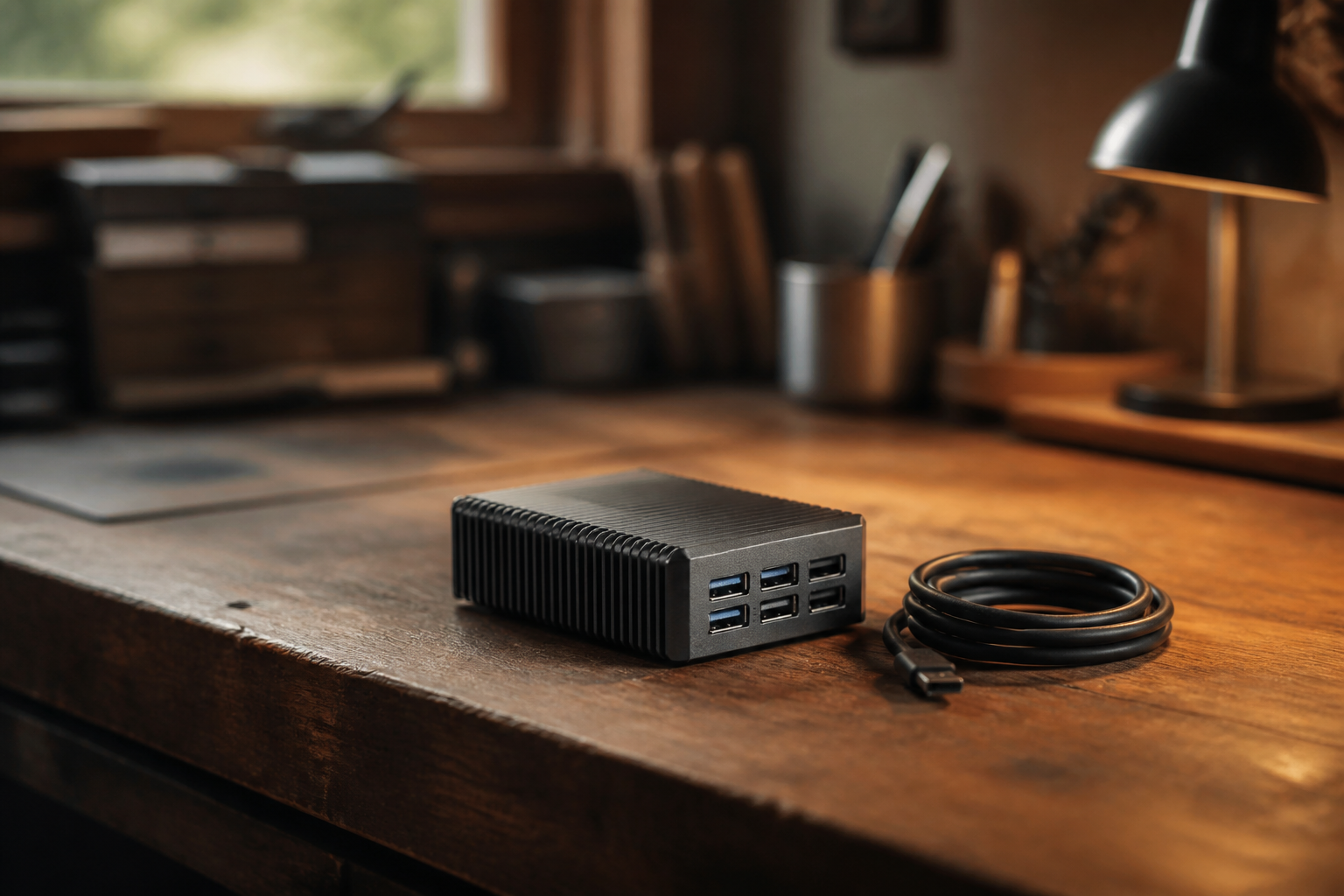
Tiiny AI Pocket Lab
Tiiny AI Pocket Lab is a portable hardware system designed to run 120B parameter models offline. It selectively activates only the necessary neural pathways during generation to reduce energy consumption on open source models like Llama, Qwen, and DeepSeek.
 There's An AI For That·Aug 26
OpenAI releases benchmark scores for its proprietary hardware
Initial performance tests on OpenAI custom processing chips demonstrate lower latency and nearly double the energy efficiency compared to standard silicon. Earlier models were utilized to design the new hardware that now runs modern systems.
 There's An AI For That·Aug 26
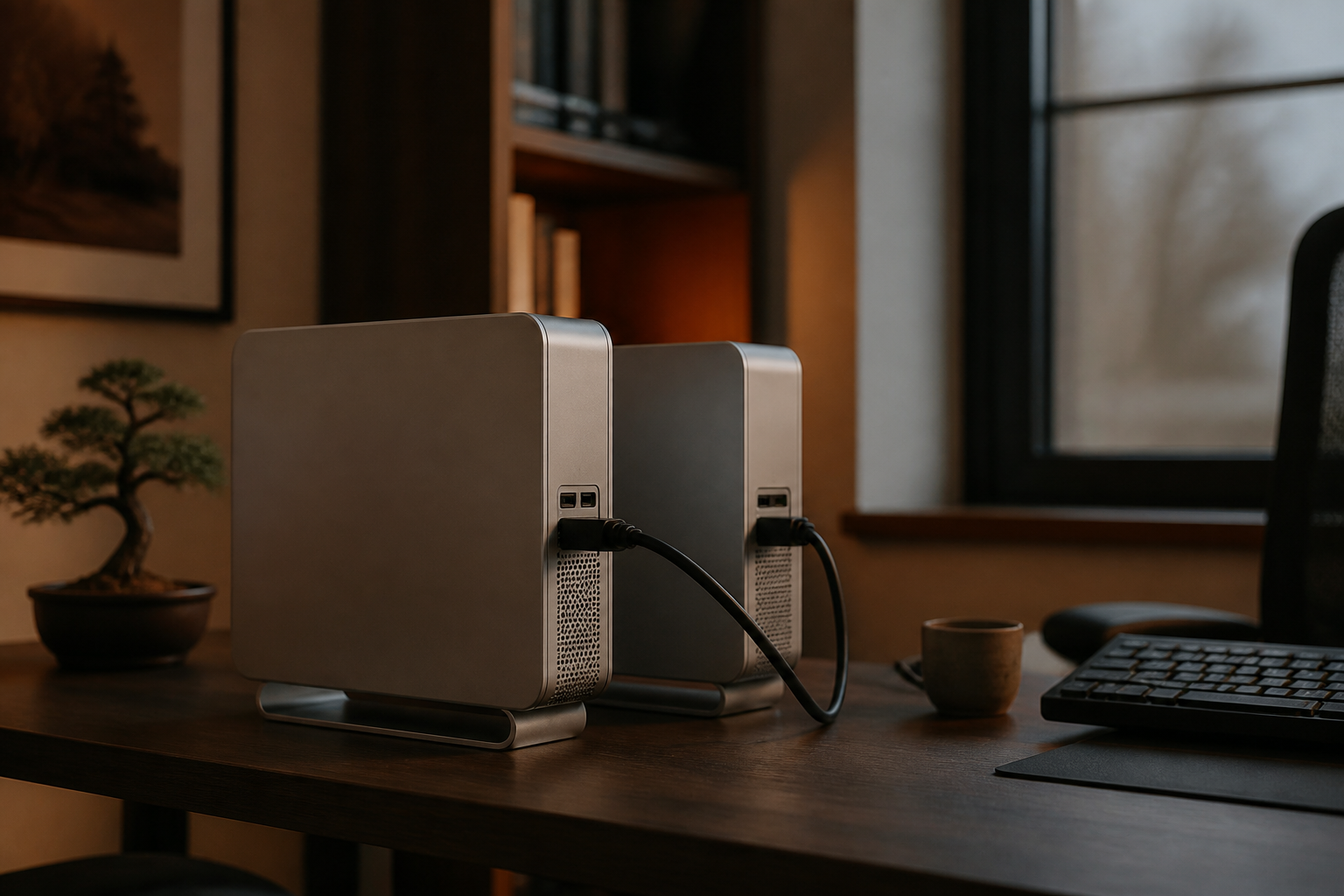
Apple introduces Mac Studio configurations designed for local model execution
Apple has announced updated Mac Studio systems equipped with expanded unified memory to run large artificial intelligence models directly on local hardware. Users can also link multiple machines together when additional processing capacity is needed.


