Transportation
18 stories in this blend
 Vaibhav Sisinty·Nov 13
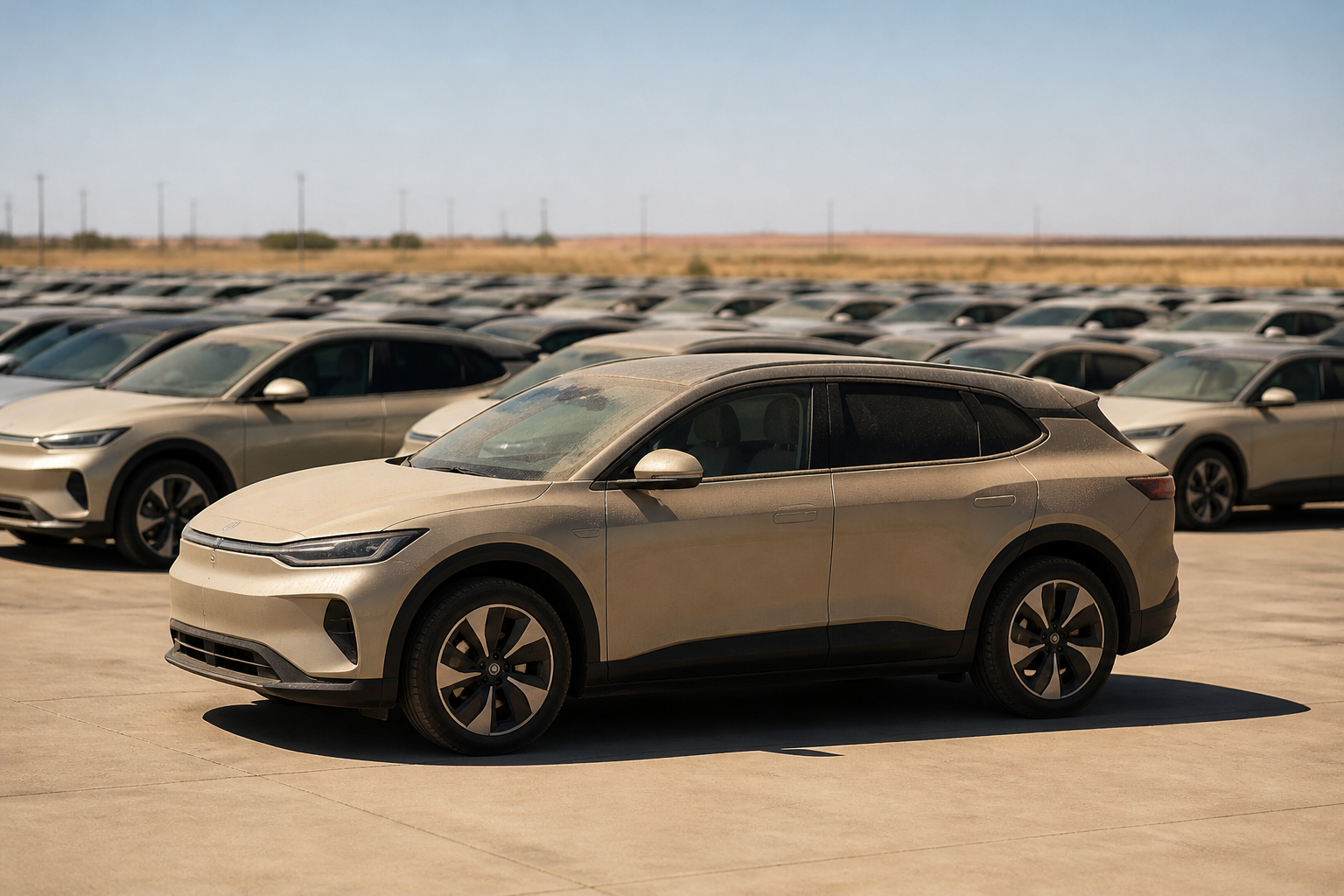
Tesla expands registered robotaxi fleet in Texas past Waymo
State registration records show Tesla now maintains more registered autonomous taxis in Texas than Waymo. The milestone reflects official registry documentation rather than total active passenger rides.
 Superhuman·Nov 7
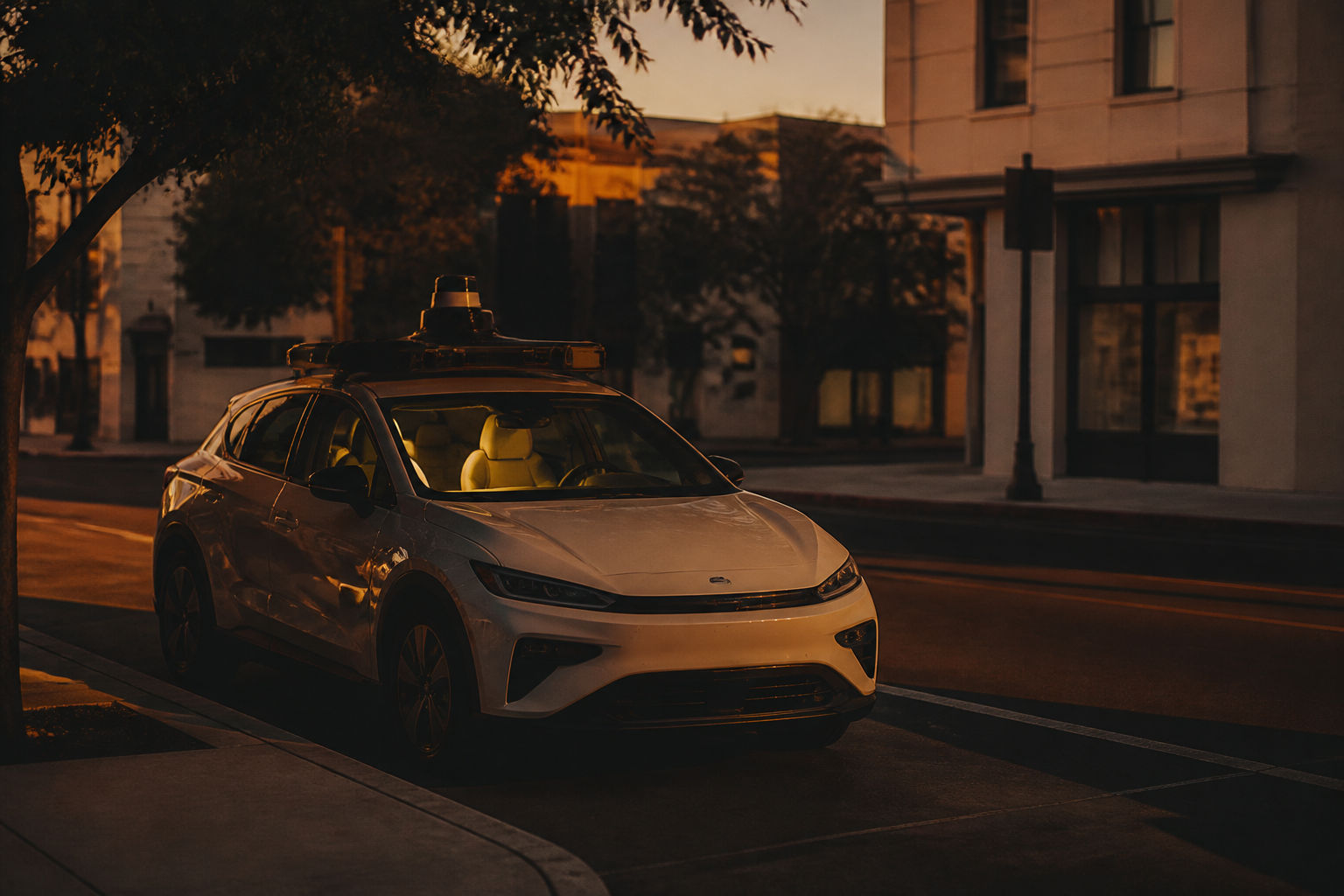
Waymo Plans Direct Ride Booking App Expansion
Autonomous vehicle provider Waymo announced that passengers in Austin and Atlanta will be able to book trips directly through its native mobile app starting in 2028. The shift offers riders a consistent direct booking experience outside of third party partnerships.
 Superhuman – Zain Kahn·Oct 25
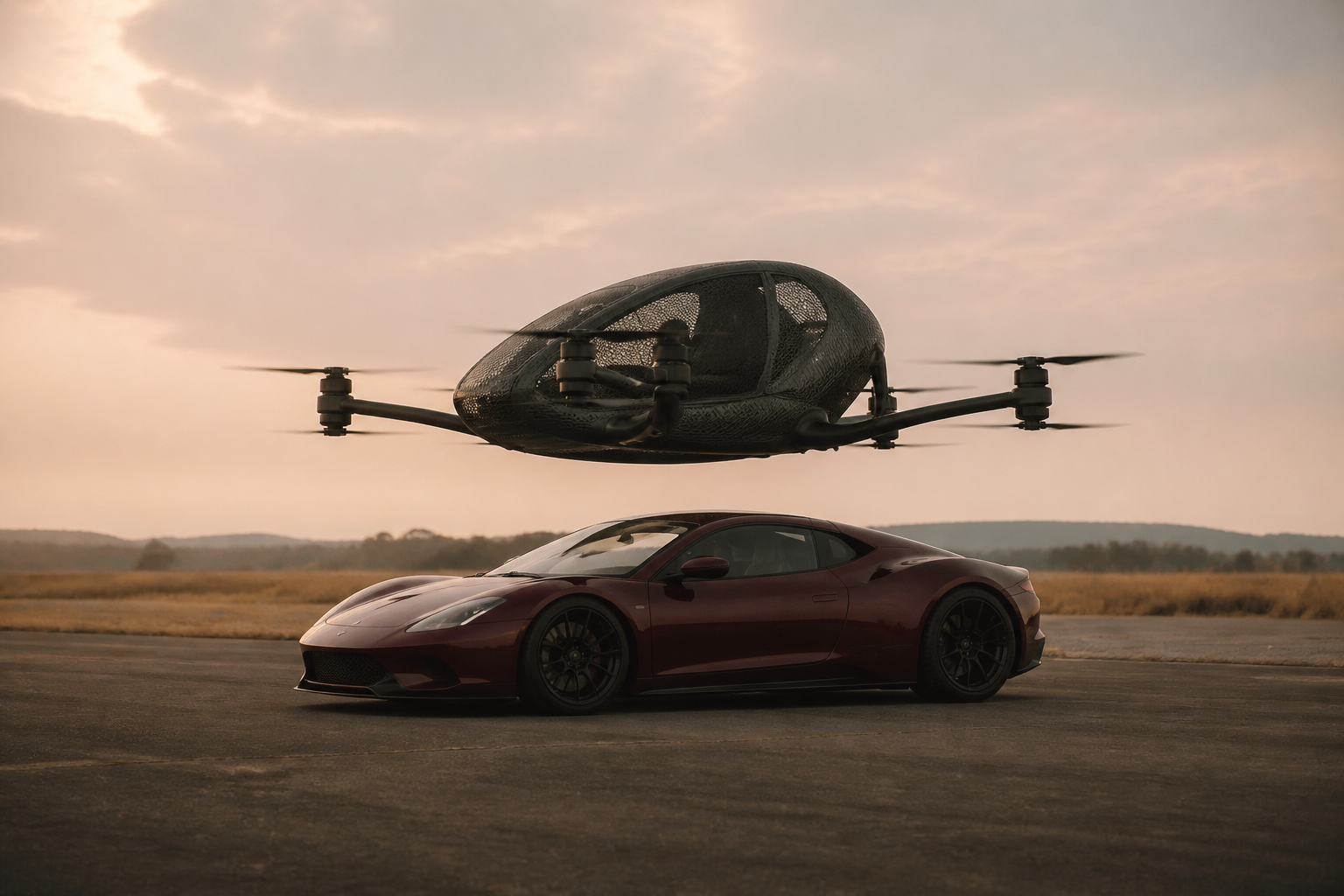
Alef Flying Car completes flight milestone over Tesla vehicle
A California aviation company published video showing its electric flying vehicle completing a test flight over a parked sports car. The startup continues gathering flight performance data while waiting for regulatory permission to begin customer deliveries.
 Superhuman·Oct 24
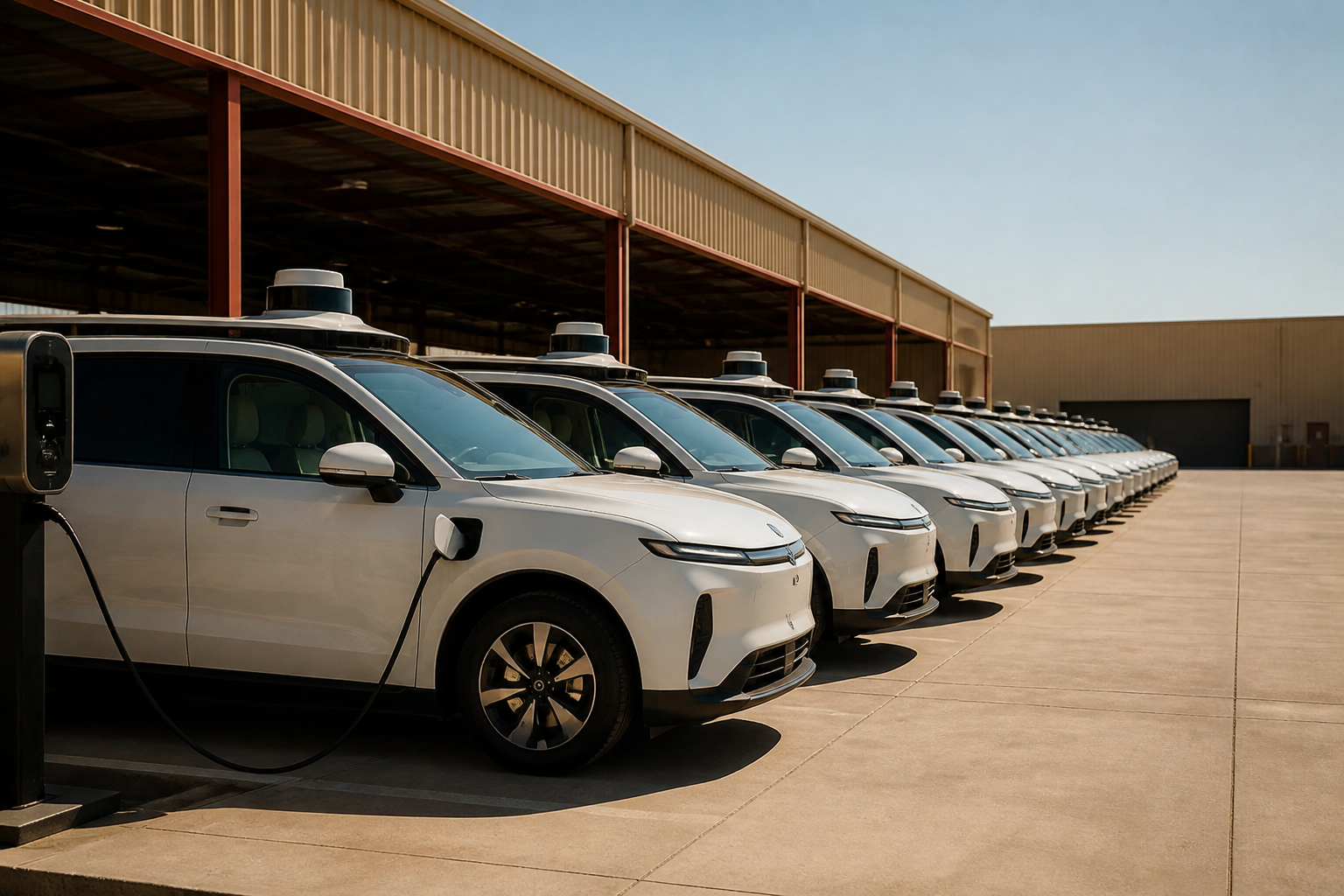
Waymo Seeks Massive Fleet Growth with New Debt Financing
Autonomous vehicle maker Waymo plans to expand its operational robotaxi fleet to 20,000 vehicles by late 2027. Supported by $5 billion in debt funding, the company aims to move beyond limited urban pilots into broader commercial transit.
 Superhuman·Oct 18
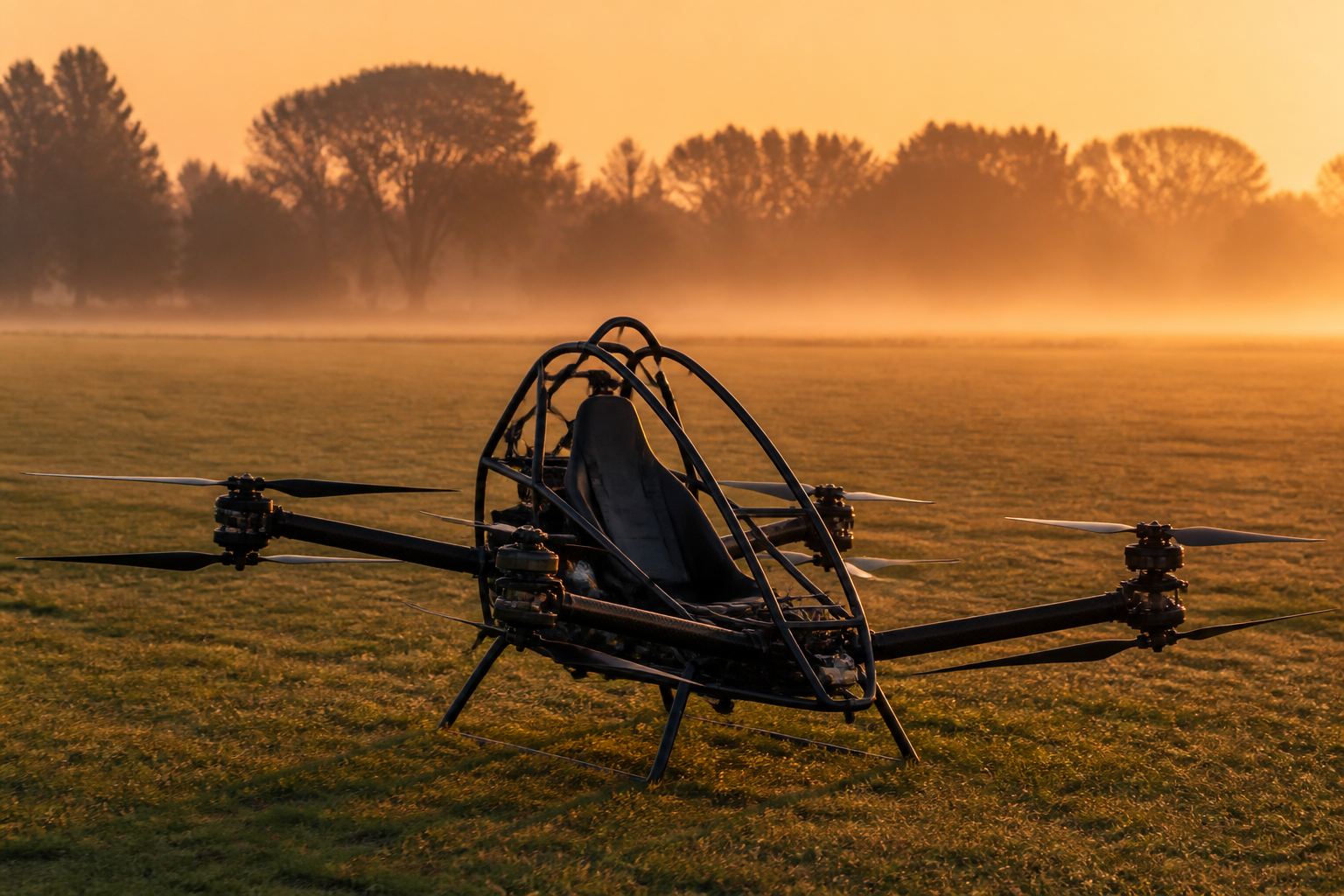
Jetson ONE single-seat personal aircraft gains viral attention
Footage showcasing the Jetson ONE ultralight eVTOL vehicle highlighted current progress in low-altitude personal flight technology. The multi-rotor vehicle aims to offer rapid recreational transport using electric motor propulsion.
 Superhuman·Oct 18
Tesla reveals redesigned Roadster featuring cold gas thrusters
Tesla introduced an updated concept for its long-delayed Roadster EV, incorporating compressed gas thrusters derived from SpaceX engineering. The system allows brief hops off the ground to give the electric sports car limited flight capability.
 Superhuman·Oct 10
Tesla Expands Autonomous Vehicle Operations Later Into the Night
Tesla pushed its self driving service schedule in Austin to late evening hours. Company leadership highlighted dark road surfaces and unexpected animals as ongoing challenges for overnight autonomous trips.
 Superhuman·Oct 4
Kamingo Quick Bike Converter
Kamingo is a lightweight hardware attachment that converts a conventional bicycle into an electric bike in moments. It suits cyclists wanting motor assistance without purchasing an entirely new electric bicycle.
 There's An AI For That·Oct 1
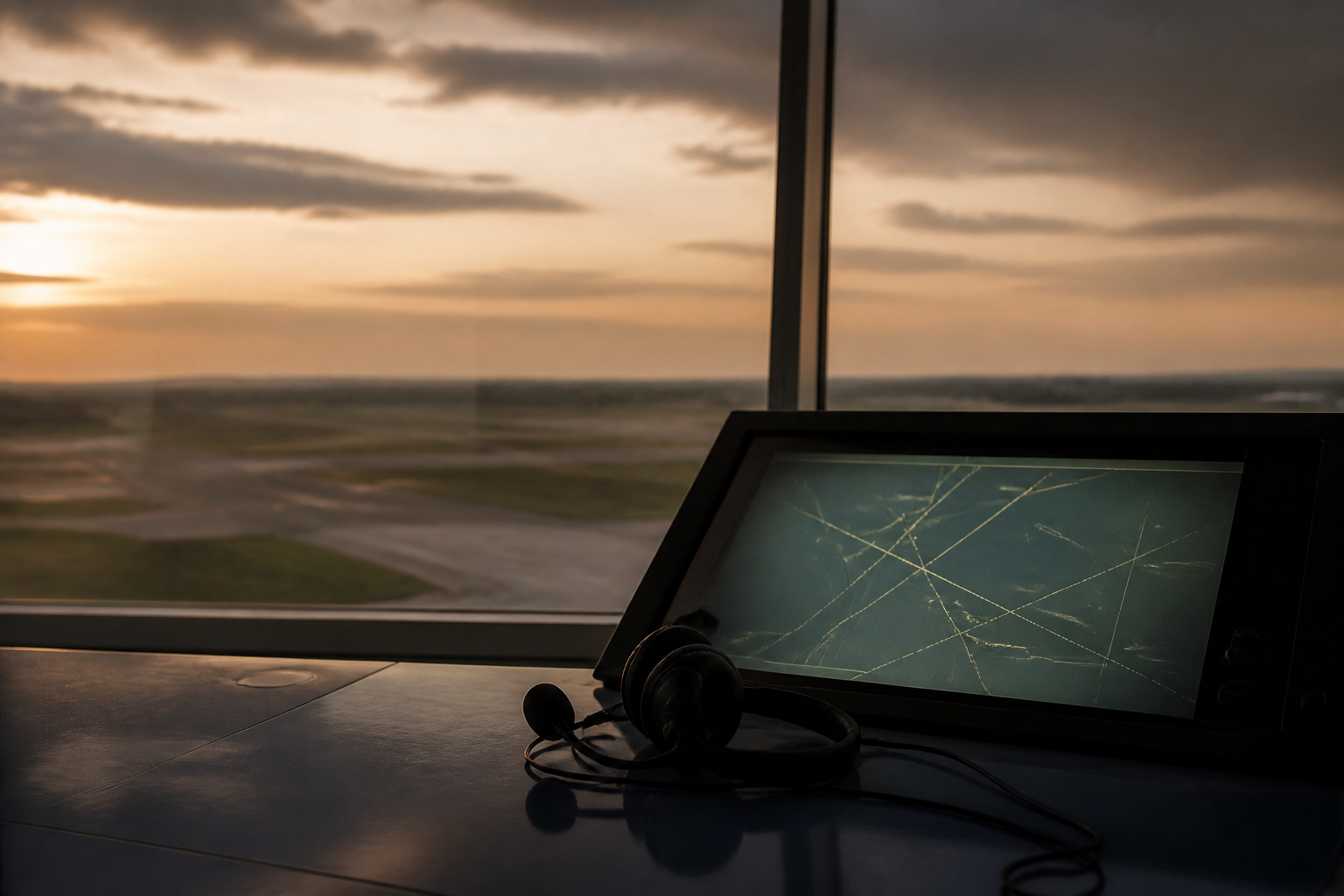
Federal Aviation Administration Tests AI System to Reduce Flight Delays
The FAA is implementing air traffic planning software designed to help managers predict flight bottlenecks and weather problems far in advance. By processing real time data from over 200 sources, the platform recommends optimal flight routes across the country. Air traffic controllers retain final decision authority while using the recommendations to prevent delays.
 Superhuman·Sep 26
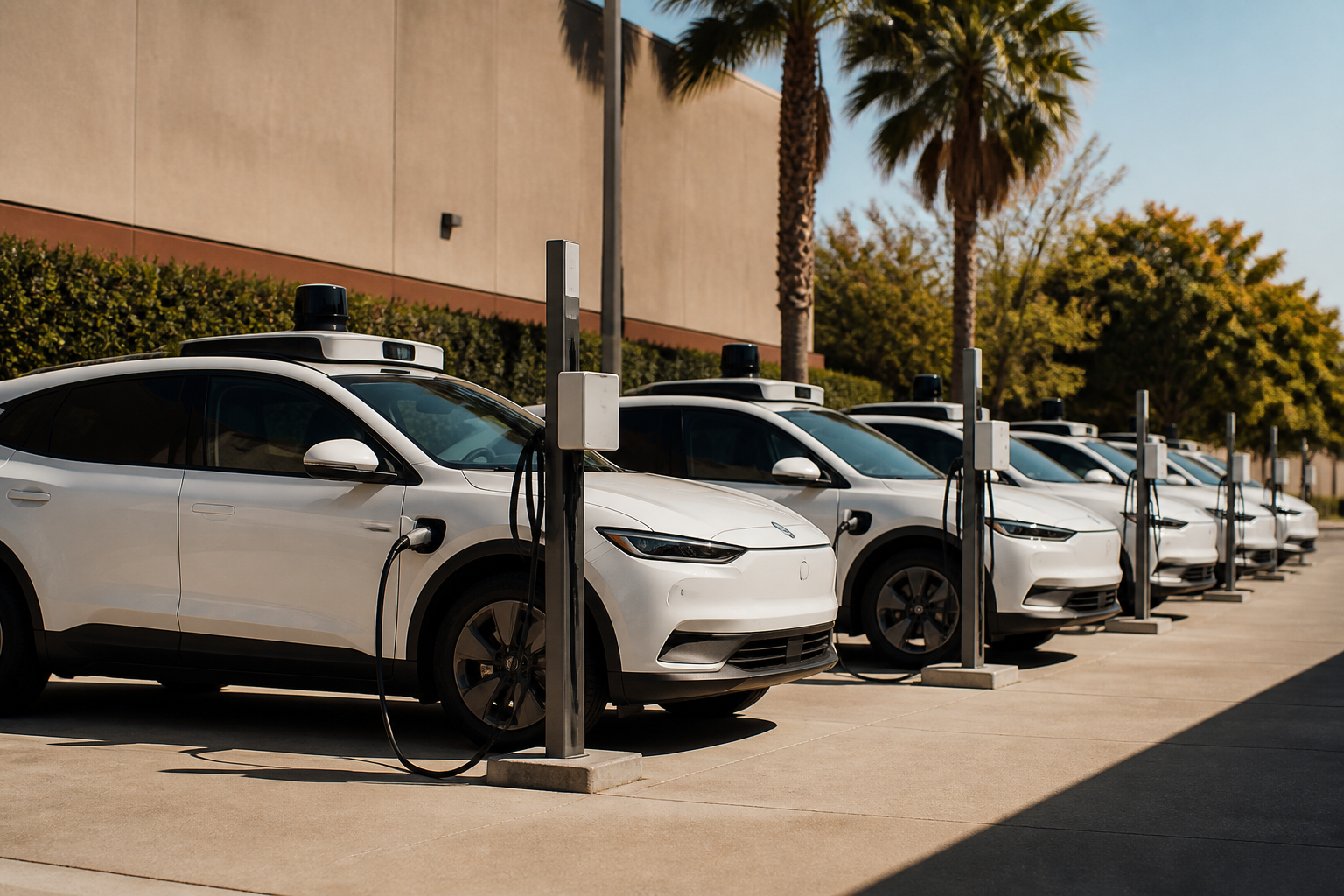
Waymo reaches half a million weekly rides across major US markets
Self-driving service Waymo now completes five hundred thousand paid passenger trips weekly across fifteen American cities. Most of the fleet operations remain concentrated in California and Texas as the company integrates new passenger vehicle models.
 Superhuman·Sep 13
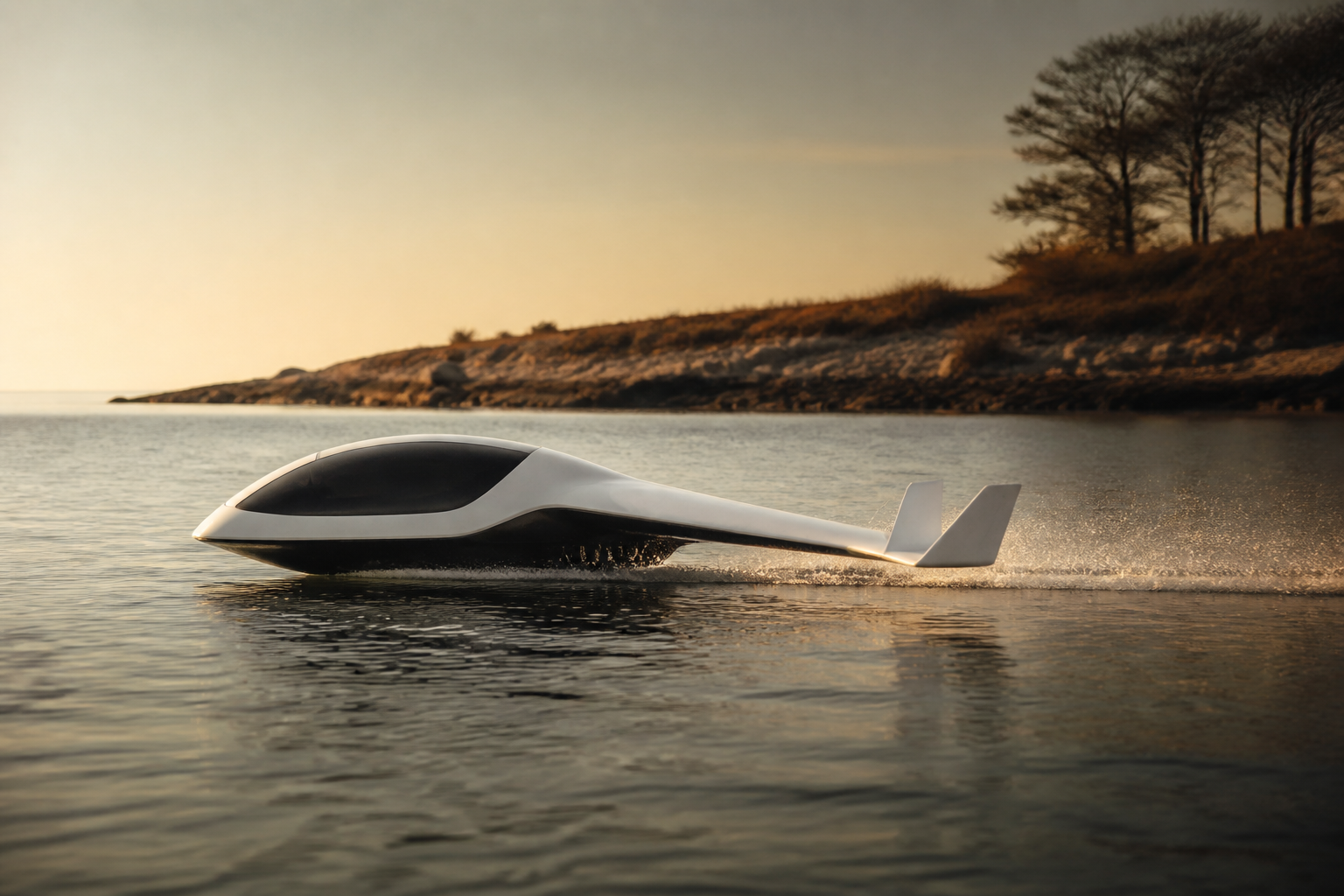
Crewed electric flying boat completes initial test flight
Regent Craft has successfully tested its electric Seaglider with two passengers during a short trial over Narragansett Bay. The vehicle uses hydrofoiling and ground effect technology to float, glide, and fly just above water, offering a potential new transport option for coastal regions.
 Superhuman·Sep 12
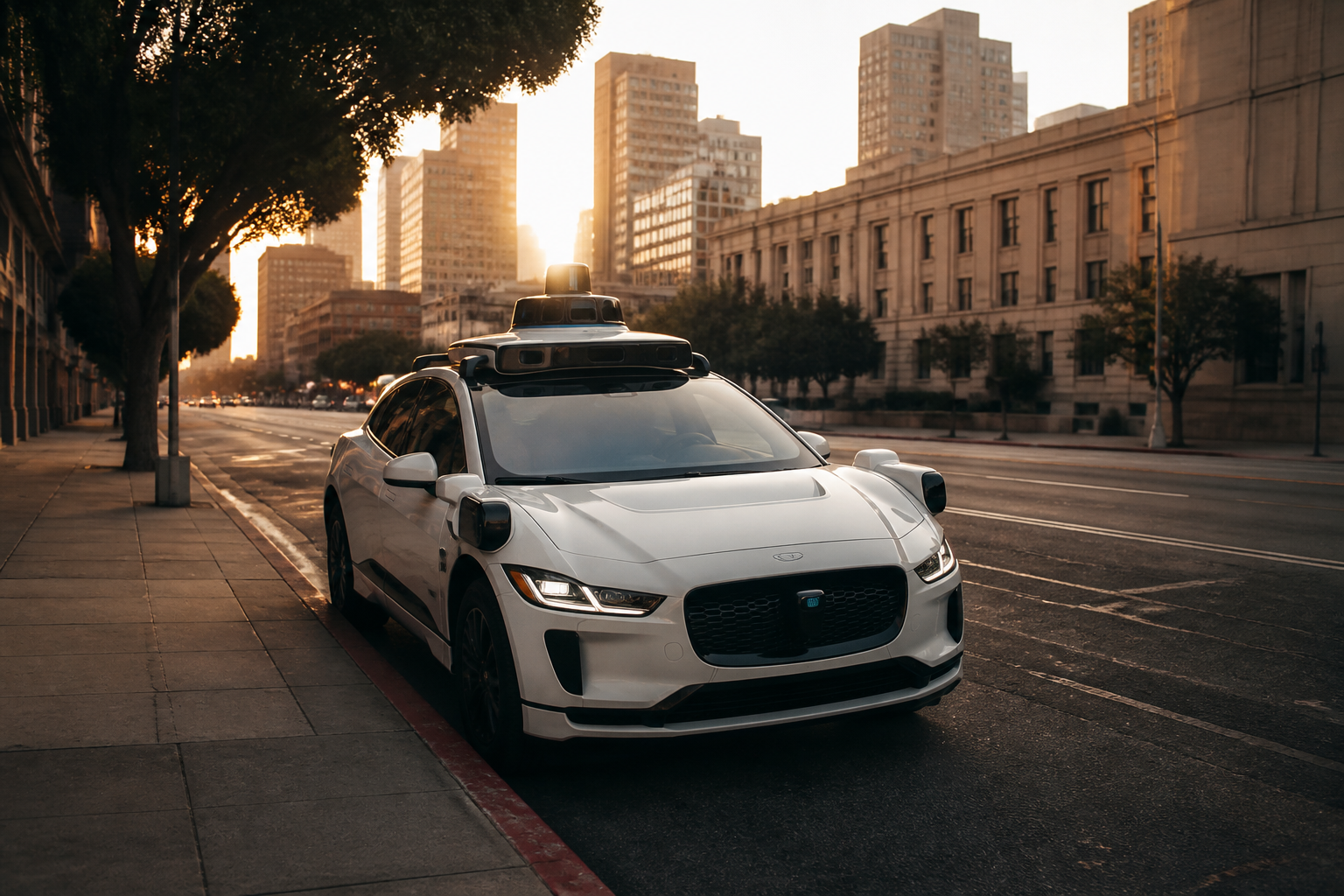
Autonomous Waymo robotaxis launch on Lyft platform in Nashville
Waymo has partnered with Lyft in Nashville to offer driverless rides directly through the Lyft smartphone application. This expansion marks the first city where passengers can book Waymo robotaxis using either service's app.
 Superhuman·Sep 5
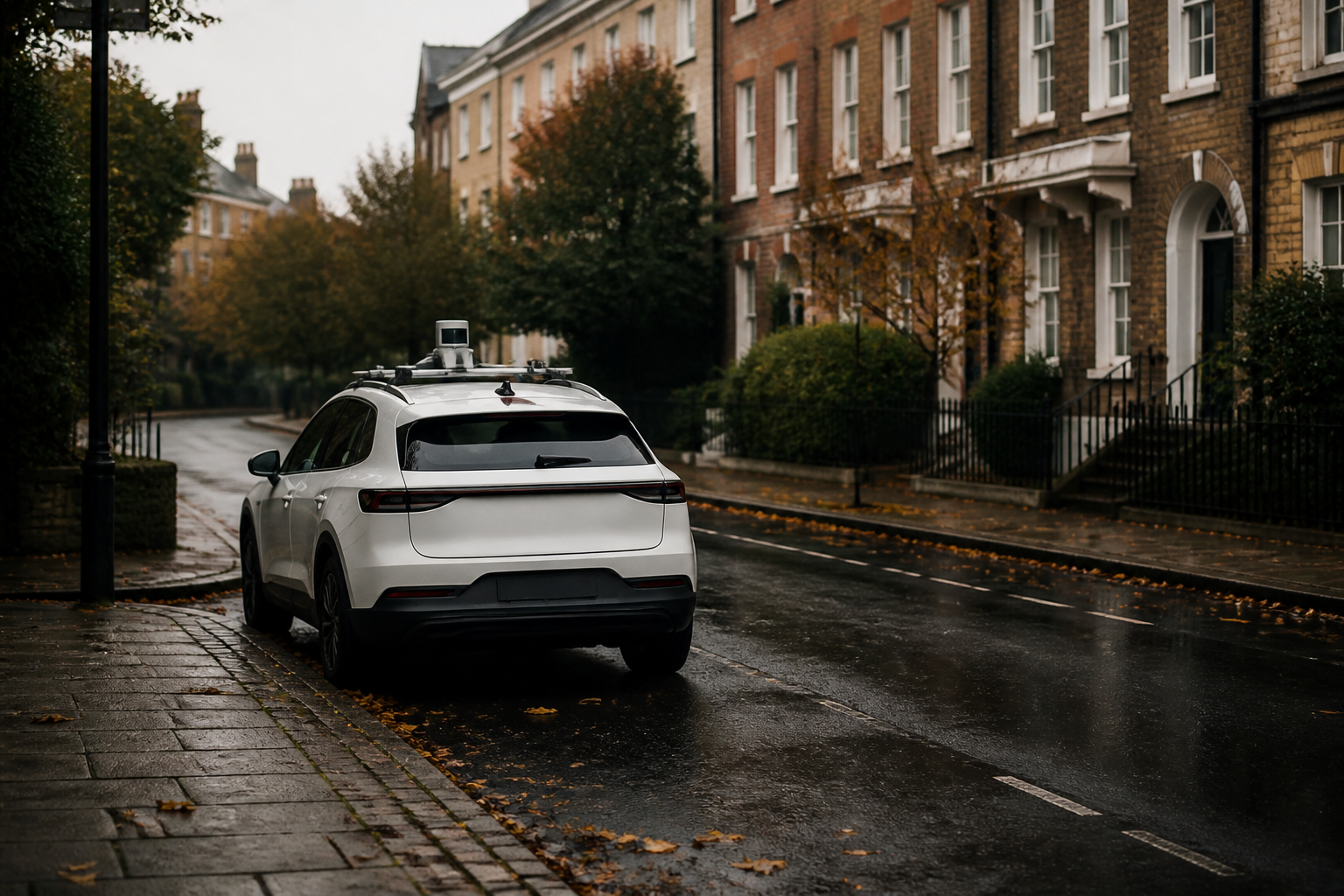
Uber and Wayve initiate autonomous rides in London
Uber partnered with driverless tech developer Wayve to deploy supervised autonomous vehicles across London streets. The initiative provides early operational experience in urban European traffic ahead of wider commercial launches.
 Superhuman·Aug 30
Vehicle telemetry identifies high risk road locations before crashes occur
Researchers analyzed rapid braking and emergency swerving data gathered from 700,000 vehicles to pinpoint dangerous road sections. The study showed that near miss locations strongly match collision blackspots, allowing city planners to implement safety changes before accidents take place.
 Superhuman·Aug 30
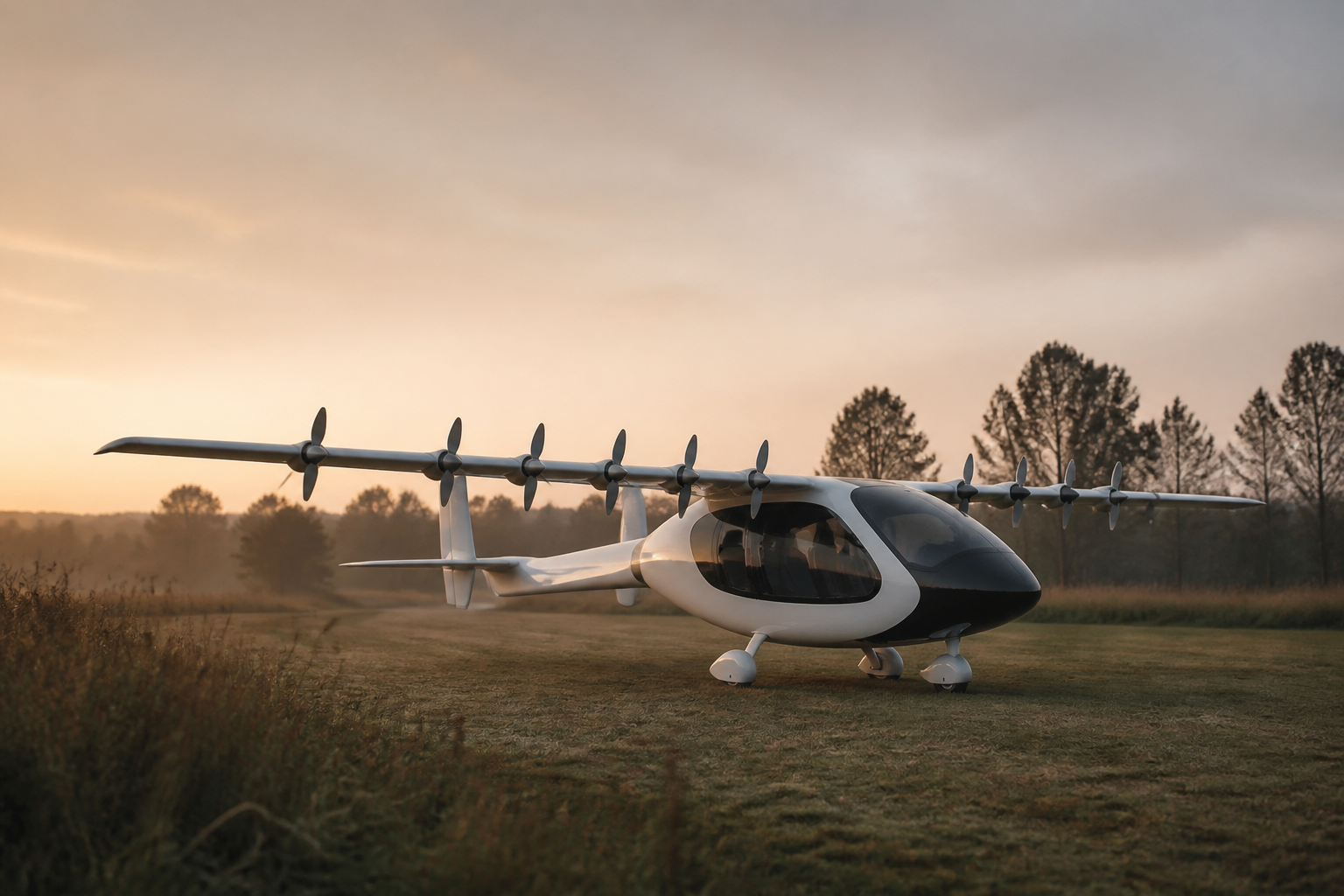
MIT spinoff Electra unveils short takeoff hybrid aircraft
Aviation startup Electra designed a hybrid regional plane capable of taking off and landing in compact areas about the size of a soccer field. Utilizing eight electric motors alongside a gas generator, the aircraft flies up to 200 mph with a range of 1,200 miles to serve regional transit needs.
 Superhuman·Aug 30
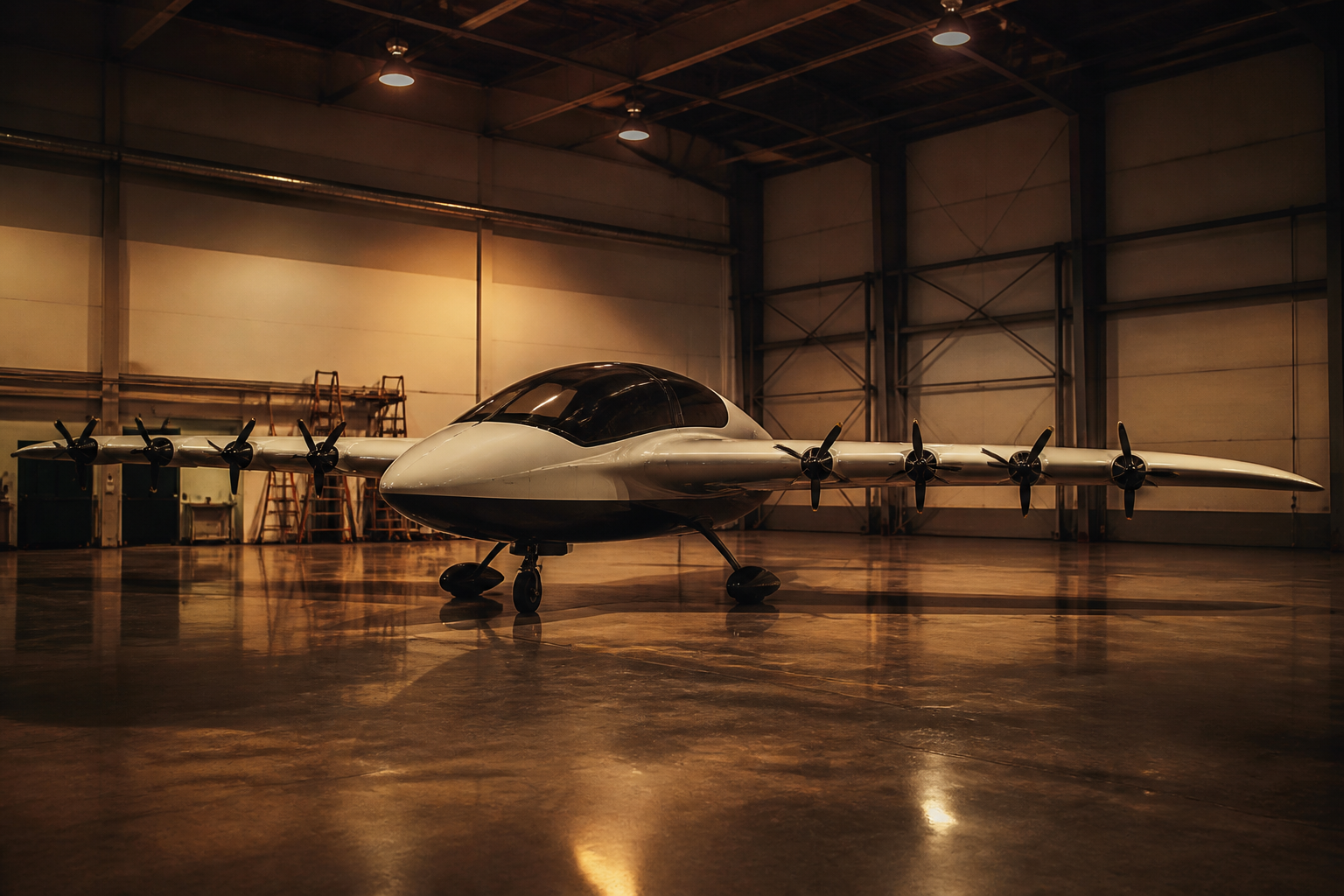
Hybrid regional aircraft designed for short runway operations
MIT spinoff company Electra designed a hybrid electric plane powered by eight electric propellers alongside a fuel generator. The aircraft can land on space equivalent to a soccer field and aims to serve medium distance regional travel.
 Superintelligence·Aug 25
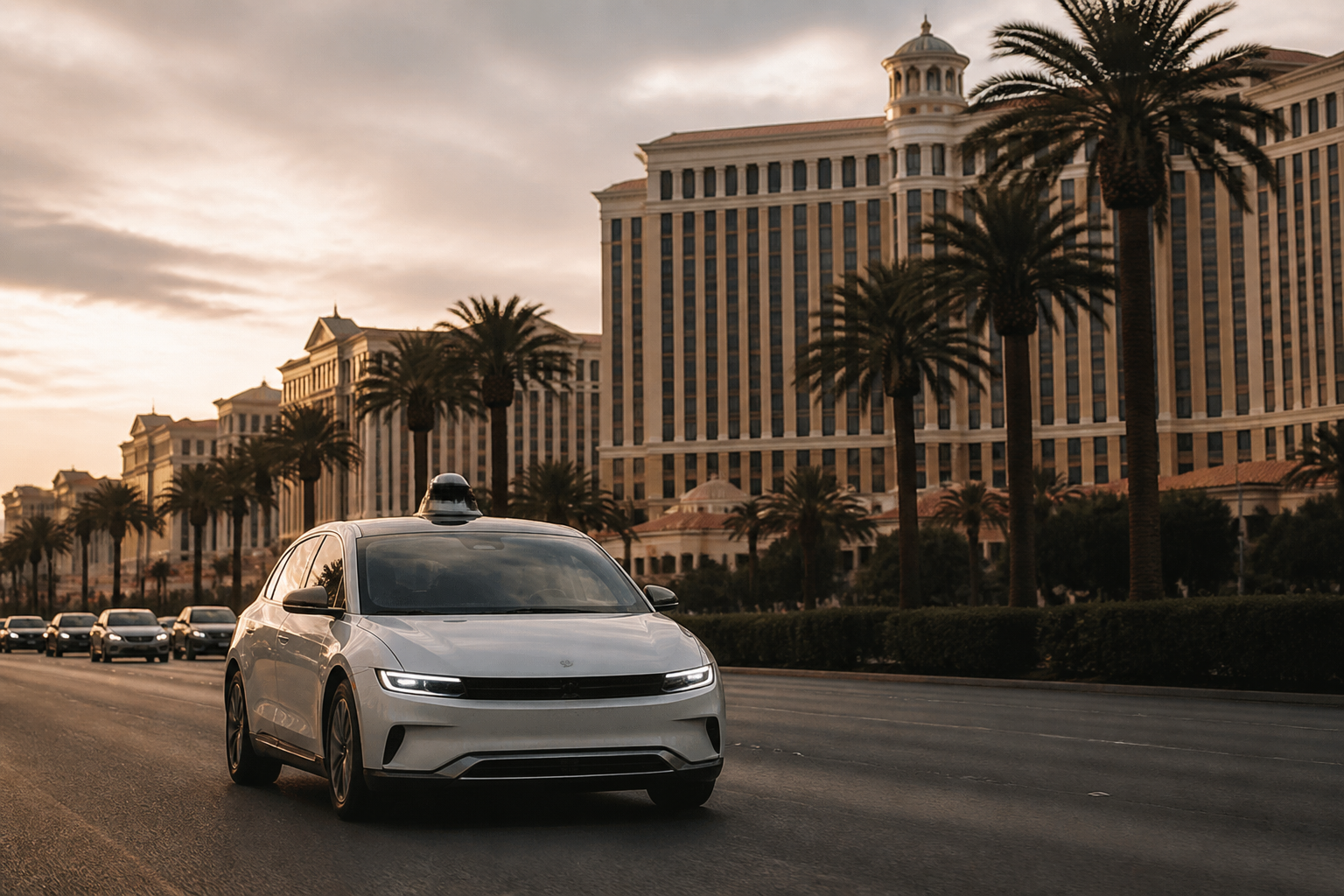
Nevada grants permits for thousands of driverless taxis in Las Vegas
Transportation regulators in Nevada approved permits allowing Tesla, Waymo, and Uber to operate paid autonomous rides in Clark County. The approval sets a potential cap of around 8,000 driverless vehicles, though companies expect actual fleet rollouts to take time.
 The Neuron·Aug 16
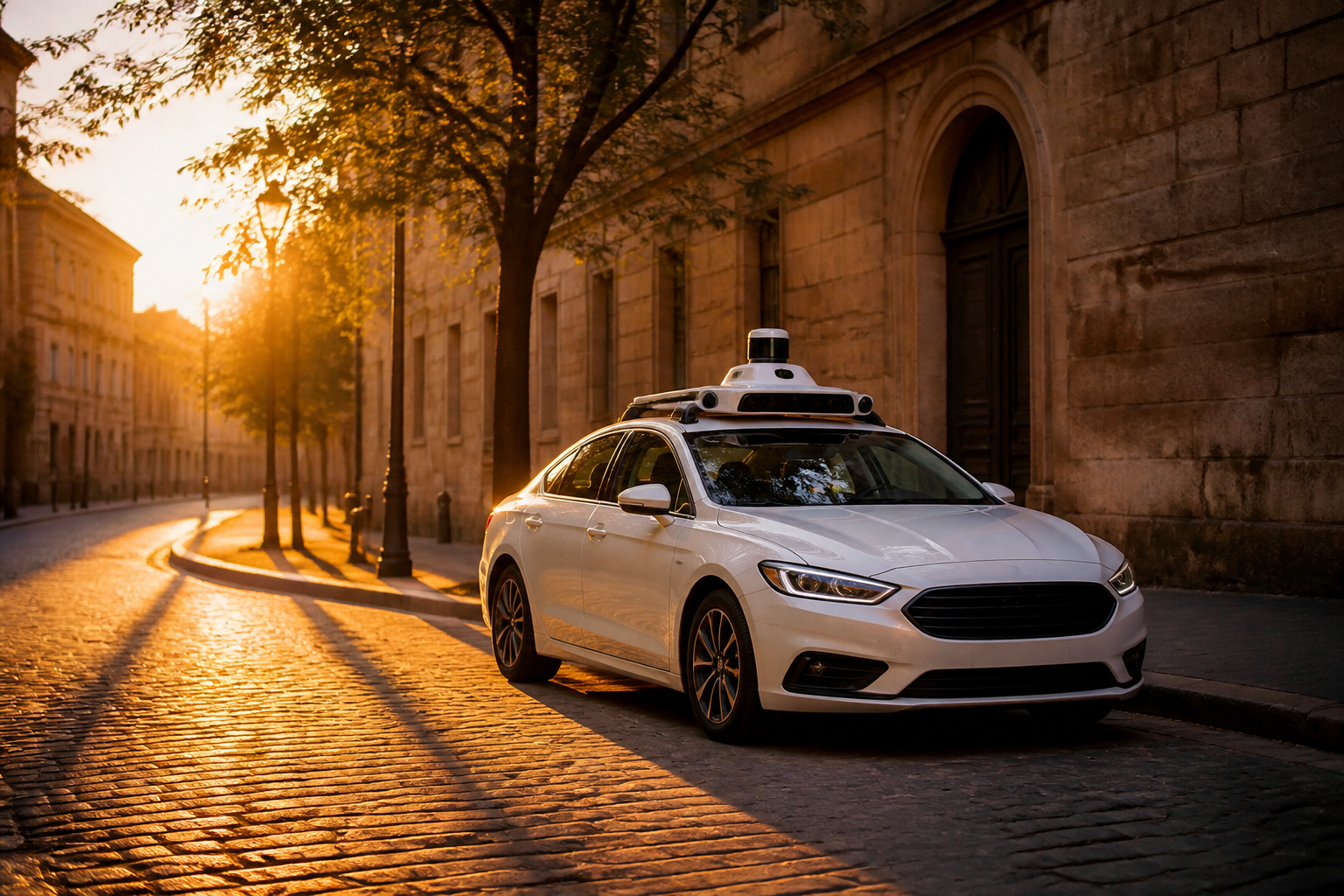
Uber and Pony.ai expansion to bring 2,000 autonomous taxis to Europe
Ridesharing service Uber and autonomous vehicle firm Pony.ai plan to introduce two thousand self-driving vehicles across four European urban centers. The joint program expands on earlier trials launched in Croatia.


