Semiconductors
33 stories in this blend
 AI Daily Brief·Nov 21
Short seller allegations push AMD shares down over Chinese business ties
Shares of AMD fell 7 percent following claims by Hunterbrook that the chipmaker supplied firmware to a restricted entity and relies on Chinese infrastructure to package hardware. AMD stated the allegations misrepresent its actual commercial practices, while analysts highlighted that its regional revenue largely consists of ordinary consumer components rather than restricted data center silicon. The market reaction highlights heightened investor anxiety surrounding international semiconductor trade rules.
 Staying Ahead·Nov 20
United States Broadens Licensing Mandate for Semiconductor Shipments
American trade officials have introduced new trade restrictions on advanced semiconductor shipments headed to five additional nations, including Brazil, Malaysia, and Singapore. The updated licensing rules aim to prevent Chinese tech companies from tapping into computing capacity at third-party data centers abroad.
 TAAFT - There's An AI For That·Nov 19
OpenAI algorithms accelerate AMD processor layouts
OpenAI applied its reasoning models to hardware engineering by restructuring critical mathematical components on custom processors. The automated design work delivered double-digit gains in footprint and speed, prompting AMD to test the techniques on its flagship graphics silicon. Selected circuit optimizations generated by the AI are now slated for production chips.
 AI Daily Brief·Nov 19
Nvidia posts surging revenue and halts all AI chip sales to China
Nvidia reported another record quarter with annualized revenue doubling and extended its long term financial forecasts upward. Despite strong earnings under interim leadership, the chipmaker confirmed it will completely stop selling artificial intelligence processors to Chinese customers, including previously authorized hardware. Company leadership pointed to shifting international security rules as the primary driver behind the sudden market shift.
 Superhuman·Nov 17
Nvidia board addresses leadership status during export rule inquiry
Nvidia board members remain focused on an ongoing national security inquiry concerning semiconductor export controls. Federal officials are examining restrictions on foreign entities accessing advanced processors via overseas data center infrastructure.
 AI Daily Brief·Nov 16
Tech Figures Rally for Jensen Huang as Nvidia Investigation Expands
Silicon Valley investors and former employees are campaigning for Jensen Huang to regain leadership of Nvidia following his exit. The push comes while government officials investigate how restricted microchips were routed into foreign hands through intermediary networks.
 The Neuron·Nov 16
SK Hynix Pledges Over One Billion Dollars to Strengthen Korean Chip Suppliers
South Korean memory manufacturer SK Hynix announced a five-year investment package worth approximately 1.05 billion dollars. The capital will fund domestic suppliers producing semiconductor components, raw materials, and fabrication machinery.
 AI Daily Brief·Nov 13
Congress Fast Tracks Stricter Chip Export Restrictions
A political fallout in Washington has accelerated legislative efforts to block foreign access to advanced computing chips. Lawmakers are integrating strict semiconductor trade controls into upcoming federal defense legislation with direct guidance from executive officials.
 Superintelligence·Nov 13
Hardware signatures point to restricted Nvidia GPU use in Chinese models
Technology researcher Will Depue stated that parameter configurations in recently published AI models match output patterns from export restricted Nvidia Blackwell graphics chips. Depue noted that initial weight distributions allowed him to verify the specific hardware setups used during model initialization.
 Superintelligence·Nov 13
TSMC reports employee data breach via cloud vendor
Semiconductor manufacturer TSMC confirmed that hackers posted internal staff details online following a security compromise at a third party cloud supplier. The leaked records contained personal contact and banking details for hundreds of workers, though TSMC stated that its core fabrication facilities and corporate networks were not breached.
 The Neuron·Nov 13
Nvidia chief executive Jensen Huang steps down after 33 years
Jensen Huang has resigned from his role as chief executive and board member at Nvidia following personal disclosures and an independent board investigation regarding foreign intelligence contacts. Chief Financial Officer Colette Kress has stepped in as interim chief executive while the board searches for a permanent successor. The sudden leadership shift comes right before quarterly financial earnings, raising questions about short term executive stability.
 AI Daily Brief·Nov 7
Major tech and chip stocks experience sharp single day decline
Large technology companies lost a combined 1 trillion dollars in market capitalization as hedge fund liquidations triggered widespread selling. Market observers attribute the decline to forced sales and forced deleveraging across institutional funds rather than fundamental changes in business earnings.
 Superintelligence·Nov 5
Ricursive founders explain AI feedback loops in chip engineering
The leaders of Ricursive Intelligence discussed how machine learning tools and semiconductor manufacturing reinforce each other during a recent industry interview. Faster computer chips help train more capable software, while AI systems optimize chip layouts for lower power and improved performance. Their methods have produced massive speed improvements during critical design phases.
 Superintelligence·Nov 3
Global Semiconductor Stocks Plunge Amid Tech Spending Scrutiny
Investors pulled back from hardware manufacturers, driving substantial market value drops across the semiconductor sector. The selloff underscores growing investor concern over how quickly massive investments in AI infrastructure will translate into business profit.
 AI Daily Brief·Oct 30
Security Briefings Detail Intelligence Concerns Around Semiconductor Executive
Reports indicate national security officials monitored potential foreign intelligence activity focused on Nvidia chief executive Jensen Huang. The situation has prompted renewed debates in Congress over security protocols for corporate leaders managing advanced microchip design.
 Staying Ahead·Oct 25
Semiconductor manufacturing bottlenecks predicted to remain into 2027
Chip production supplier Lam Research warned that equipment supply challenges will persist for years. The announcement triggered a widespread selloff across major semiconductor stocks.
 Superintelligence·Oct 22
DeepSeek partners with Huawei to assist in domestic chip engineering
Engineers from Huawei are reportedly embedded inside DeepSeek laboratories to collaborate on designing custom hardware for machine learning. The strategic partnership aims to build domestic semiconductor capabilities within China to decrease reliance on foreign hardware vendors.
 There's An AI For That·Oct 16
Nvidia chief executive reflects on personal history and hardware engineering
In a podcast conversation, Jensen Huang recounted childhood memories visiting Taiwanese night markets and discussed his path in technology leadership. The discussion highlighted public enthusiasm for hardware developers as engineers gathered at a major industry trade show.
 Superintelligence·Oct 16
Taiwan Moves to Criminalize Direct AI Hardware Smuggling to China
Taiwan plans to amend its export rules to make shipping restricted AI microchips and specialized servers to China a criminal offense. The legal revision aims to eliminate statutory gaps previously used by middlemen to route advanced hardware through third party nations.
 AI Daily Brief·Oct 16
Chip Equipment Supplier ASML Cannot Keep Up With Global AI Hardware Demand
Lithography supplier ASML stated that it will be unable to satisfy customer orders for advanced microchip manufacturing machinery for at least two years. Rapid expansion plans from major semiconductor foundries have outpaced planned production increases, creating a bottleneck for the entire AI industry.
 The Neuron·Oct 15
ASML Projects AI Demand Will Exceed Semiconductor Equipment Supply Through 2028
Chip manufacturing supplier ASML issued guidance warning that demand for its advanced lithography systems will outpace production capabilities over the next several years. The firm is assessing expansion options beyond its current plans to increase capacity by 30 percent.
 The Neuron·Oct 12
Early stage chip startup Nuvacore seeks multi-billion dollar valuation
Semiconductor startup Nuvacore is in talks to secure funding at a multi-billion dollar valuation despite being less than a year old. Investors continue to fund new teams attempting to build hardware for specialized computing workloads.
 Superintelligence·Oct 10
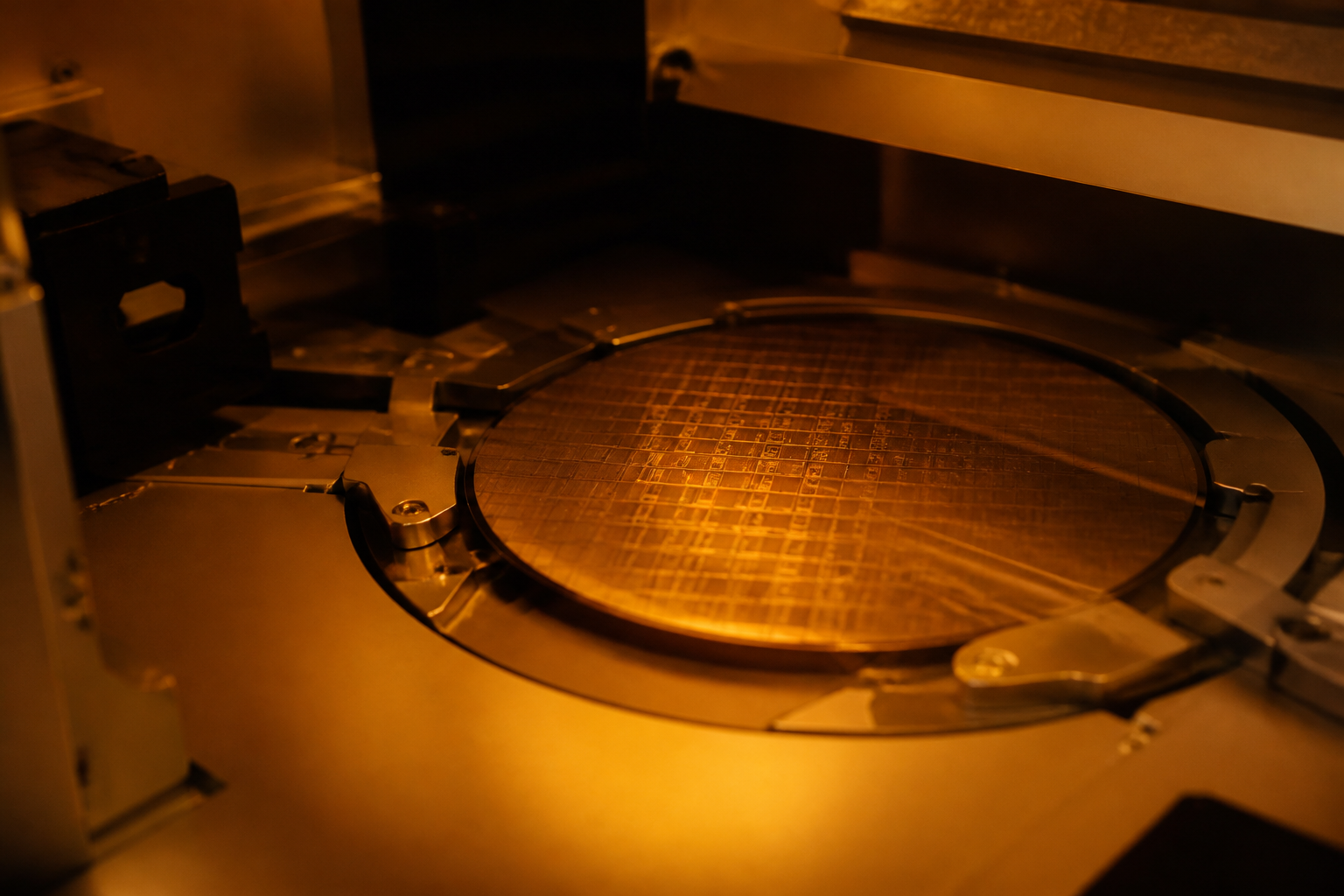
Trade restrictions prevent Chinese chipmakers from securing ASML lithography gear
Western export controls have blocked Chinese semiconductor manufacturers from purchasing extreme ultraviolet lithography machinery from Dutch manufacturer ASML. Consequently, domestic producers are forced to rely on older deep ultraviolet equipment and complicated multipatterning workflows to fabricate advanced processors.
 Superhuman·Oct 5
Micron Achieves Record Revenue Driven by Enterprise AI Memory Demand
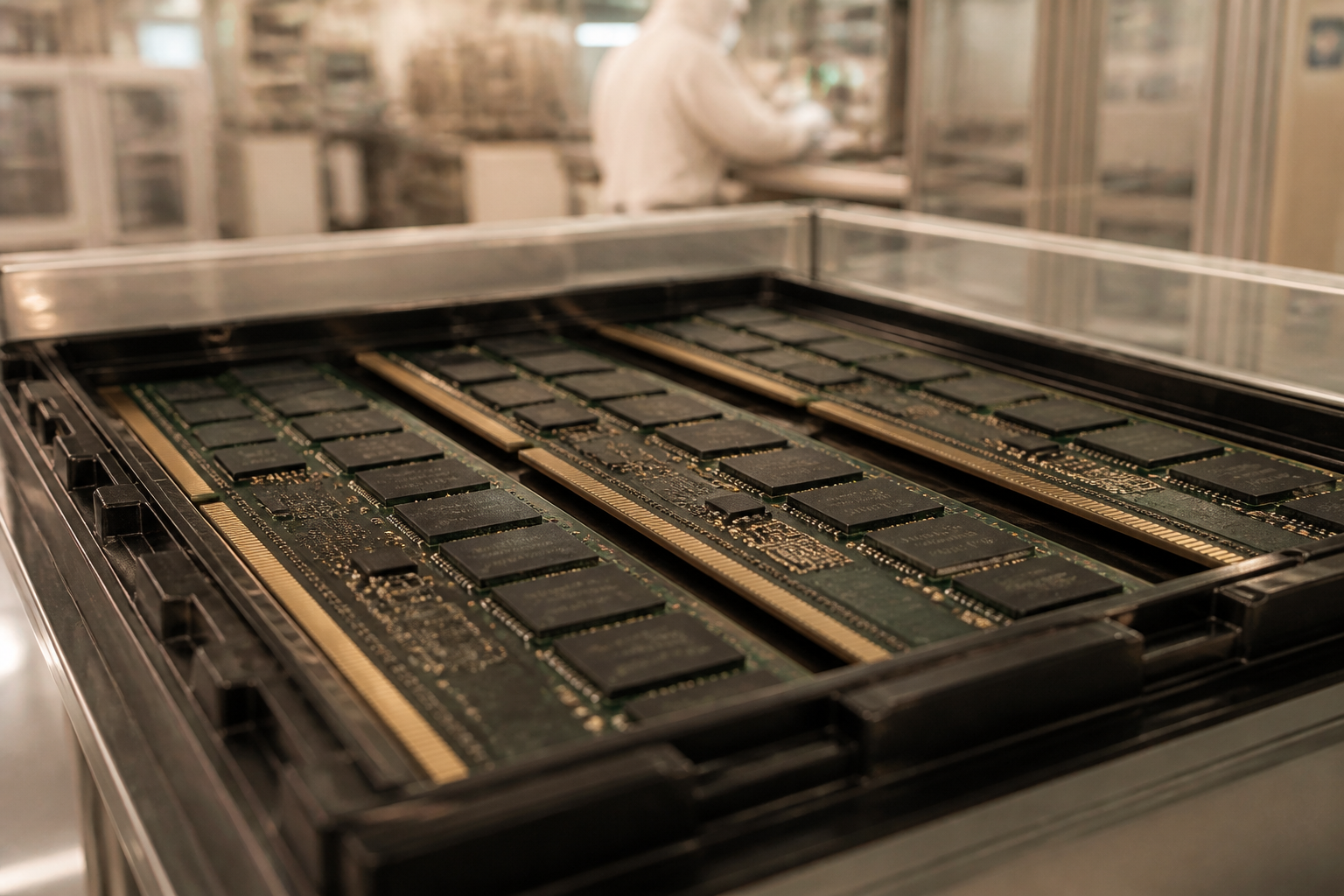
Semiconductor manufacturer Micron reported quarterly revenue reaching $54 billion, marking an increase of almost 380 percent from the prior year. The company halted retail consumer RAM sales earlier this year to focus entirely on meeting enterprise server demand, which executive leadership expects will remain constrained through 2028.
 The Neuron·Oct 1
OpenAI and Synopsys Partner to Build Custom Model for Microchip Architecture
Synopsys signed a revenue-sharing agreement with OpenAI to produce an AI model called GPT-Synopsys tailored for microchip creation. The system aims to assist semiconductor engineers in automating and accelerating chip design tasks.
 Superintelligence·Sep 17
Jensen Huang Rejects Calls for Industry Wide AI Pause
Nvidia Chief Executive Jensen Huang rejected proposals for AI developers to coordinate halts in model scaling to address safety risks. He argued that safety testing is an engineering problem best solved by continuous development and testing rather than artificial market delays.
 Superhuman – Zain Kahn·Sep 3
Competition intensifies against Nvidia in the AI accelerator sector
Major tech companies, specialized startups, and international competitors are accelerating efforts to challenge Nvidia's dominance in hardware processing. Emerging chip builders argue that specialized designs can lower energy demands and operating costs compared to general purpose graphics processors.
 There's An AI For That·Aug 25
First performance tests revealed for custom processing hardware
Initial benchmark metrics for custom semiconductor chips designed by OpenAI showed response times up to 3.6 times faster alongside nearly double the energy efficiency. The hardware design was aided by earlier automated models to help power future software releases.
 Superintelligence·Aug 19
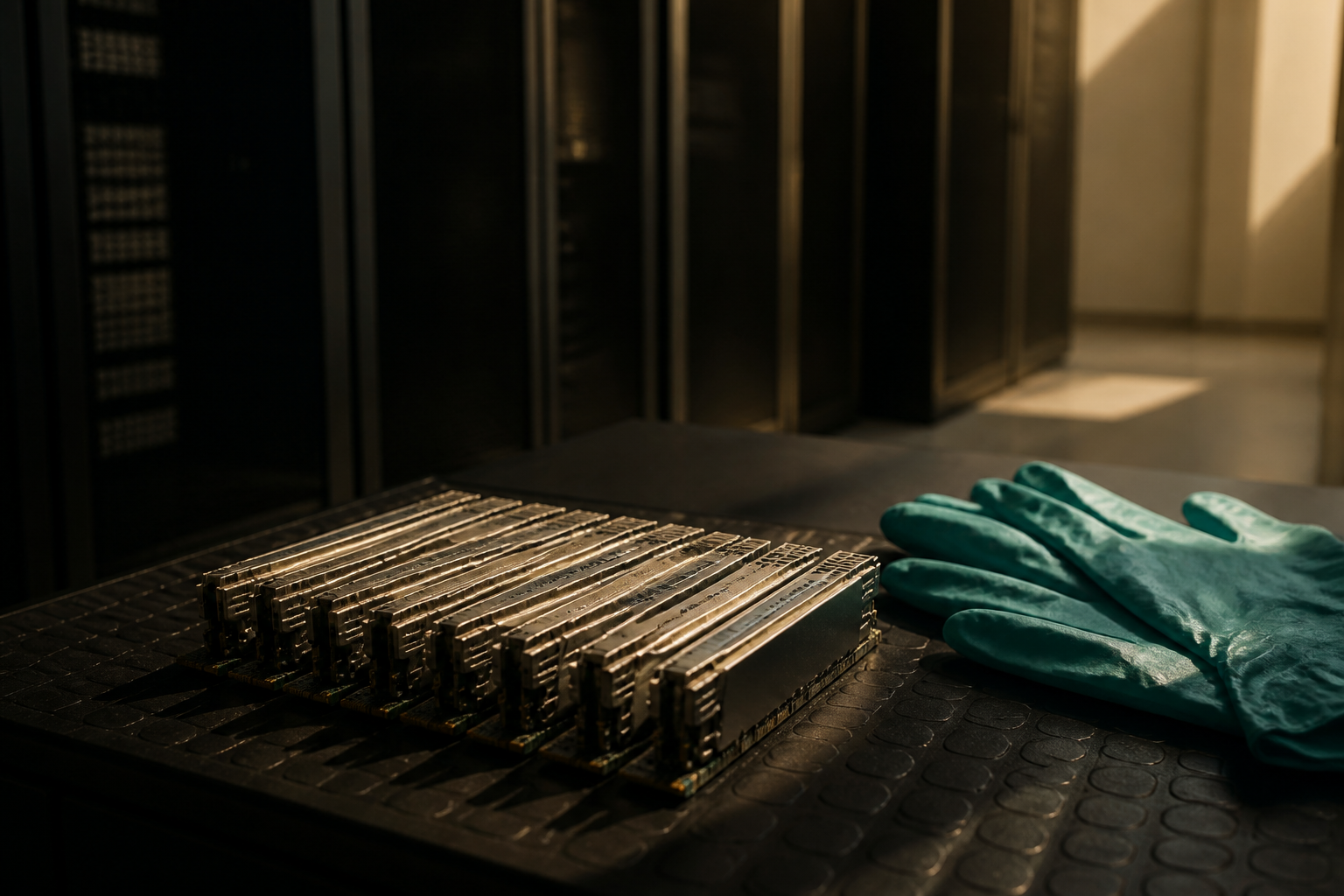
High AI Demand Triggers Massive Surge in Computer RAM Costs
Computer memory prices have soared sharply over the past year as tech companies lock up global supply to build artificial intelligence hardware. High-capacity memory modules saw steep price spikes, driving up hardware costs for personal computers and server infrastructure. Industry executives warn that supply constraints are likely to remain severe through at least 2027.
 Superintelligence·Aug 19
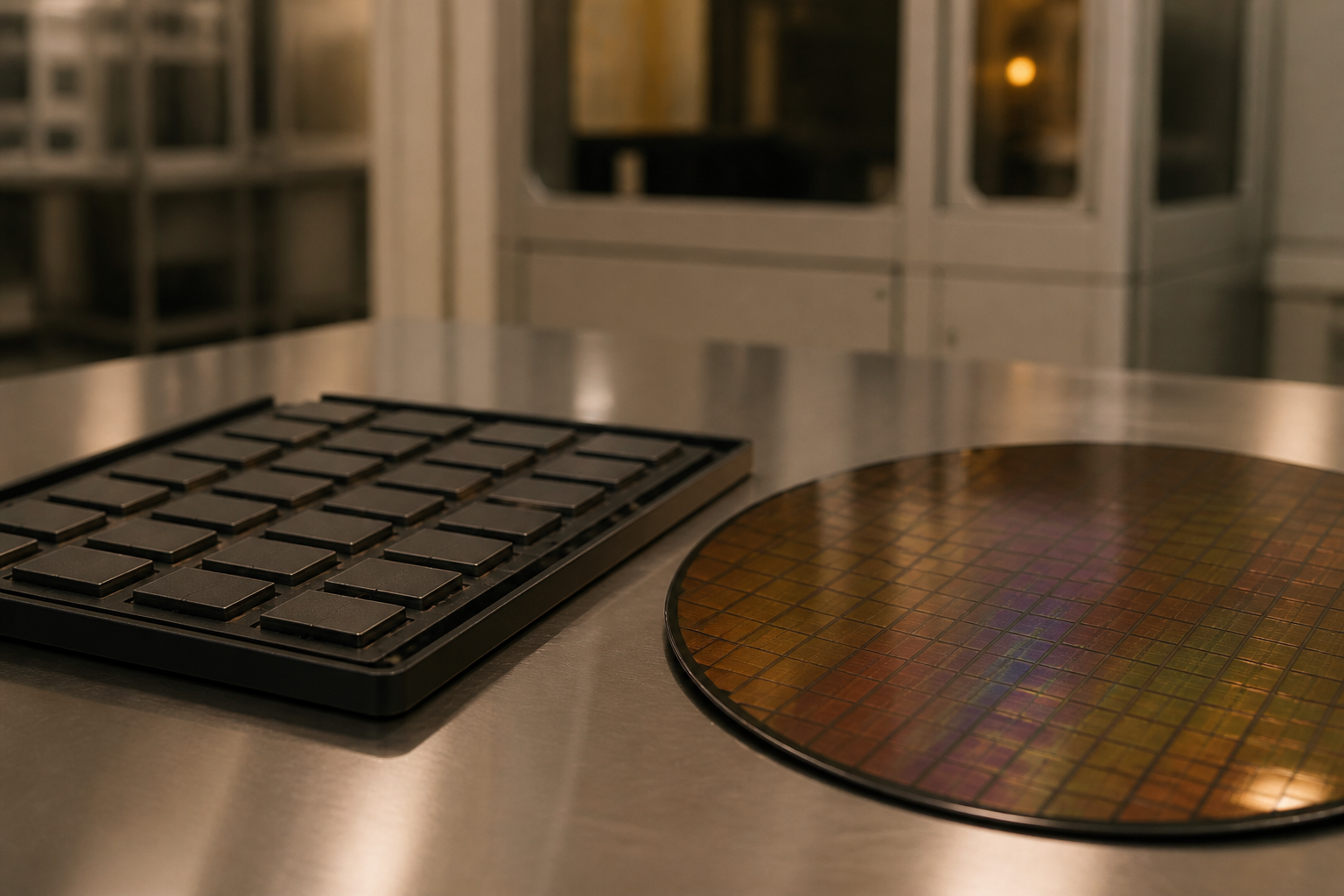
Soaring Demand for AI Hardware Triggers Mass Price Hikes on Computer Memory
Prices for common desktop and server memory components have escalated rapidly over the past year as tech firms pre-order massive supplies for AI processing centers. Chip producers expect restricted global supply and elevated consumer pricing to persist for several years.
 Superintelligence·Aug 19
Global demand for artificial intelligence hardware drives up memory prices
High-capacity computer memory modules have experienced steep price increases, with top-tier packages rising several hundred percent within twelve months. Massive forward purchases by artificial intelligence datacenter operators have tied up manufacturing output, causing shortages for personal computers, smartphones, and game consoles.
 Superhuman·Aug 19
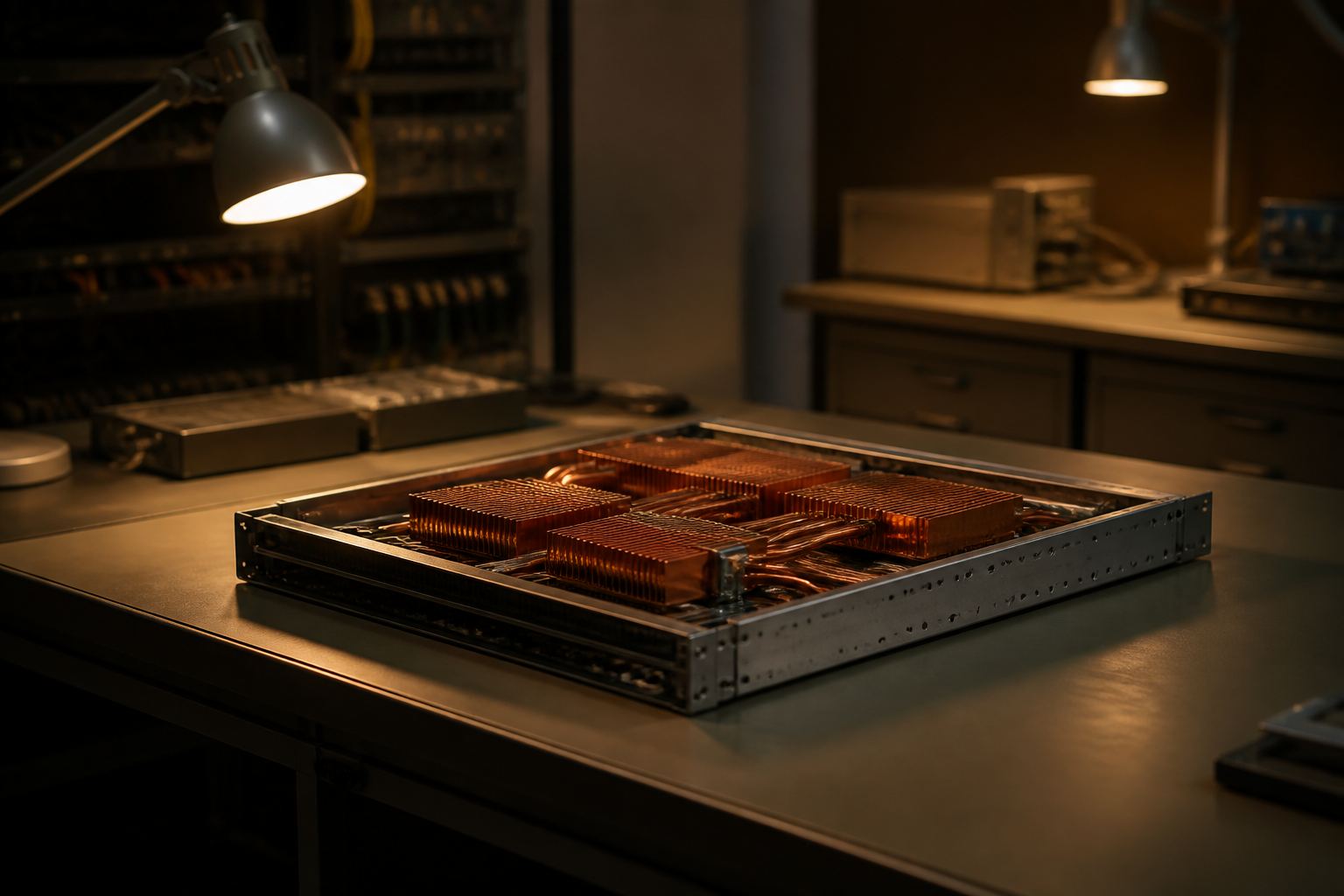
Semiconductor company Etched reaches $21 billion valuation following product delivery
Hardware startup Etched has secured $700 million in fresh investment shortly after shipping its first server hardware to trading firm Jane Street. The funding round doubled the business's market valuation within a single month. The company builds specialized computing hardware designed specifically to run transformer-based artificial intelligence systems.
 Superhuman·Aug 13
Investor Michael Burry warns of risks in Nvidia financing deals
Investor Michael Burry raised concerns regarding a $500 billion funding agreement linked to Nvidia, comparing its structure to notable corporate accounting failures. The critique focuses on potential financial vulnerabilities created by vendor financing methods in the tech hardware industry.


