Infrastructure
24 stories in this blend
 The Neuron·1d ago
Anthropic launches defense program for critical infrastructure
Anthropic introduced a specialized Cyber Mission initiative designed to safeguard vital public and private infrastructure. Participating facilities will receive access to top tier AI models, specialized security research, and dedicated on site engineers. The effort aims to strengthen power grids, water supplies, and manufacturing facilities against digital threats.
 AI Daily Brief·2d ago
Tech Titans Seek Multi Billion Dollar Loans to Acquire AI Hardware
Major technology enterprises including Oracle, Broadcom, and SpaceX are pursuing massive private debt funding packages to purchase Nvidia processing units and custom chips. The borrowing efforts reflect the immense capital requirements currently needed to expand artificial intelligence infrastructure.
 The Neuron·6d ago
Big Tech Spending Surges as Companies Struggle to Measure AI Return
Venture capital firm Andreessen Horowitz released a market analysis showing massive tech companies are pouring hundreds of billions of dollars into data centers and hardware. However, under three percent of large public corporations currently report specific performance metrics tracking their returns on AI investment.
 The Neuron·6d ago
Amazon Commits One Billion Dollars to Data Center Neighborhoods
Amazon announced a five year, multi-billion dollar funding initiative directed at communities hosting its cloud infrastructure. The funds will back local education, job training programs, and regional infrastructure projects across the United States.
 Superhuman·Sep 25
Google prepares to launch its first experimental satellite with AI hardware
Google plans to deploy a refrigerator sized satellite carrying four processing units into orbit on October 1st. The mission tests whether space based infrastructure can capture constant solar power and overcome cooling and connectivity challenges in orbit.
 Superhuman·Sep 24
Solid
Solid equips autonomous agents with dedicated computer environments, user accounts, and financial limits. It helps technical teams run self-directed software operations with controlled permissions.
 AI Daily Brief·Sep 21
Yields rise on high yield bonds for data center construction
Interest rates on high yield debt connected to computing infrastructure have increased significantly. While major tech companies continue securing large loan packages, smaller project operators face tightening credit conditions.
 AI Daily Brief·Sep 19
Chinese lab Z.ai details self-improving infrastructure progress
Z.ai released technical details showing how its GLM model helped build its own processing setup. The system accelerated data processing speeds threefold in under two weeks. The milestone highlights how software optimization by models is accelerating progress outside US laboratories.
 The Neuron·Sep 11
OpenAI pauses new Pro plan signups due to heavy server demand
OpenAI has temporarily suspended new signups for its premium ChatGPT Pro subscription to protect server capacity for current users. High usage volume followed the release of the new GPT 6 Astra model. API services and standard subscription tiers remain accessible.
 Superintelligence·Sep 8
Meta reuses server heat to supply municipal heating in Denmark
A Meta data center in Odense, Denmark, transfers operational heat into the local heating grid using high temperature heat pumps. Operating since 2020, the system provides a working model for using server waste heat to warm nearby homes when infrastructure supports it.
 Superintelligence·Sep 7
TCS HyperVault Secures Land for Gigawatt Scale Indian Data Center
TCS HyperVault acquired 264 acres in Hyderabad to build a massive data center campus tailored for artificial intelligence processing. The facility involves a planned investment of up to 700 billion rupees and will incorporate liquid cooling infrastructure to handle high density workloads.
 Superintelligence·Sep 4
OpenAI issues usage credits to subscribers waiting for GPT-6 Astra access
Severe server demand prevented many paid ChatGPT subscribers from accessing the newly announced GPT-6 Astra model on day one. OpenAI staff confirmed that paying users will receive daily banked usage resets for each day they are locked out during the staggered deployment. Company executives noted that computing resources are being expanded rapidly to accommodate the surge.
 Superintelligence·Sep 3
Nvidia chief discusses artificial general intelligence at G20 event
Speaking with Commerce Secretary Howard Lutnick, Nvidia chief executive Jensen Huang asserted that the technology industry is close to reaching artificial general intelligence. Huang urged governments to establish independent national AI computing systems rather than relying entirely on external providers.
 AI Daily Brief·Sep 1
Trade Unions Mobilize to Support Data Center Growth
Blue collar labor unions are organizing to back data center infrastructure projects to protect trade jobs, pushing back against anti development political candidates. Industry groups covering piping, heating, and transportation argue that constructing compute facilities provides critical local economic opportunities. This shift introduces strong organized support into regional planning debates.
 The Neuron·Aug 27
AWS and Nvidia expand cloud compute partnership with millions of new processors
Nvidia and Amazon Web Services announced plans to add 2 million additional graphics processors across AWS data centers through 2028. The deal sets aside 100,000 chips dedicated to U.S. government workloads. This expands on a previous commitment promising over one million GPUs made earlier this year.
 AI Daily Brief·Aug 26
Nvidia expands dealmaking into data labeling and startup equity
Nvidia is aggressively investing cash into third party AI ventures, licensing technology from Poolside and backing startups like Mercor and Perplexity. Industry observers note that Nvidia is reinvesting capital across the ecosystem to sustain demand for its compute hardware.
 AI Daily Brief·Aug 22
Small municipalities leverage server hub tax revenue for community projects
Cities like Quincy, Washington, and Loudoun County, Virginia, offer clear examples of how technological development can transform municipal finances. High tax yields from computing facilities have funded public schools, recreation centers, and infrastructure projects while consistently keeping residential property taxes low.
 Superintelligence·Aug 21
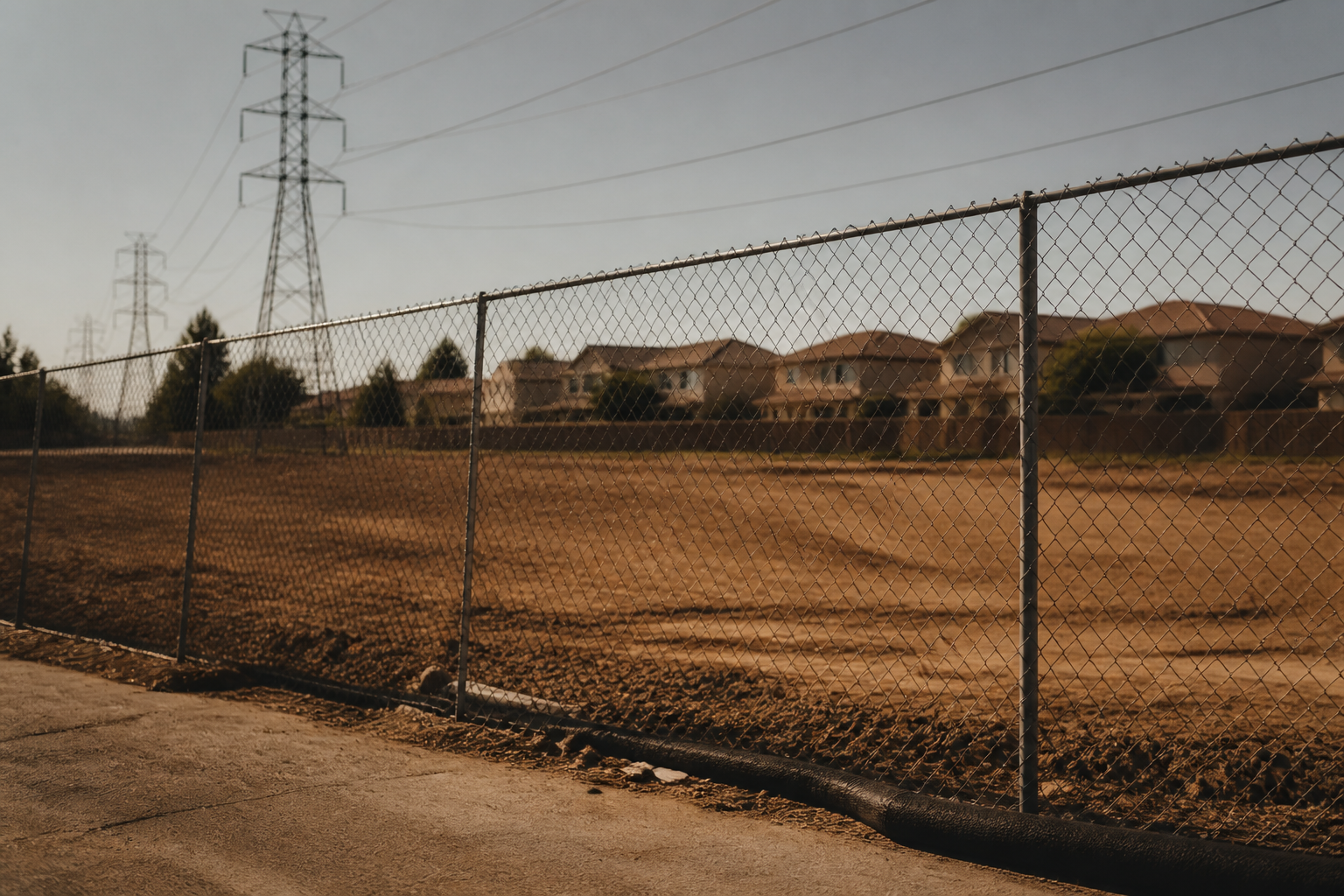
Local pushback delays billions in planned data center construction
Community resistance across the United States has stalled an estimated $130 billion in computing facility developments. Escalating utility rates and power grid demands have turned localized zoning disputes into broader political challenges.
 The Neuron·Aug 21
Government agencies warn of AI-targeted exploits against industrial hardware
Federal intelligence and cybersecurity agencies released a joint alert regarding attackers leveraging artificial intelligence to scan for and compromise exposed Siemens industrial control hardware. Security officials recommend that utility operators isolate control systems from public network access immediately.
 AI Daily Brief·Aug 20
Pennsylvania Sets New Standards for Local Data Center Projects
Governor Josh Shapiro signed an executive order imposing strict environmental and transparency rules on new data center facilities in Pennsylvania. The policy prohibits state non-disclosure agreements and forces tech companies to supply or purchase their own energy grid capacity.
 Superintelligence·Aug 18
OpenAI Secures Massive Energy Contract at Ohio Industrial Site
OpenAI signed a 20-year commitment for roughly 8 gigawatts of capacity at a former uranium enrichment campus undergoing redevelopment in Ohio. Microchip maker Nvidia is committing $1.5 billion into infrastructure operator SB Energy to supply dedicated hardware for the facility.
 Superintelligence·Aug 14
Texas places pause on new data centers to evaluate electrical grid pressure
Governor Greg Abbott ordered a temporary freeze on new data center construction in Texas until state energy regulators audit local grid limits. Federal forecasters responded by sharply reducing projected demand growth for electricity across the state. The decision reflects growing community concern over the heavy power requirements of expanding computing facilities.
 Superhuman·Aug 12
Nvidia partners with Wall Street firms to fund AI data centers
Nvidia teamed up with six major financial institutions, including BlackRock and Goldman Sachs, to organize up to $500 billion for AI hardware infrastructure. The project aims to frame data center development as a standardized, lower-risk investment category for institutional investors.
 AI Daily Brief·Aug 12
Meta Pledges $1 Billion Fund for Data Center Host Communities
Meta announced 'The Future is for Everyone Fund' to address local community concerns about the power and water demands of AI data centers. The initiative promises local trade job training, school funding, public service investments, and clean energy grid contributions where infrastructure is built.


