History
6 stories in this blend
 There's An AI For That·4d ago
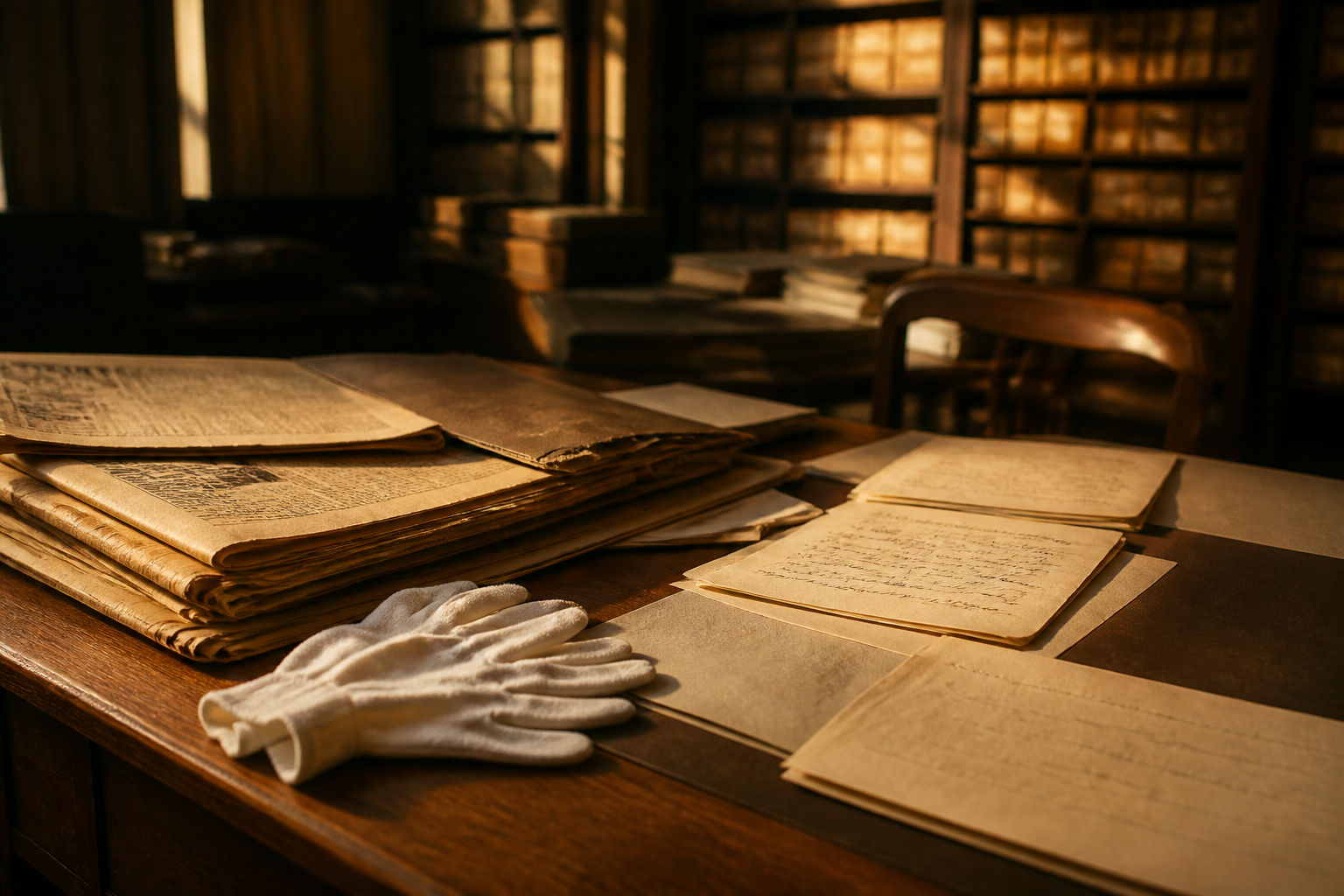
Historical Newspaper and Pension Records Search
Cultural institutions are employing machine learning tools to process millions of archival newspaper pages and military pension documents. By indexing mentioned names, locations, and dates, the project connects disparate historical collections for public research.
 There's An AI For That·Oct 1
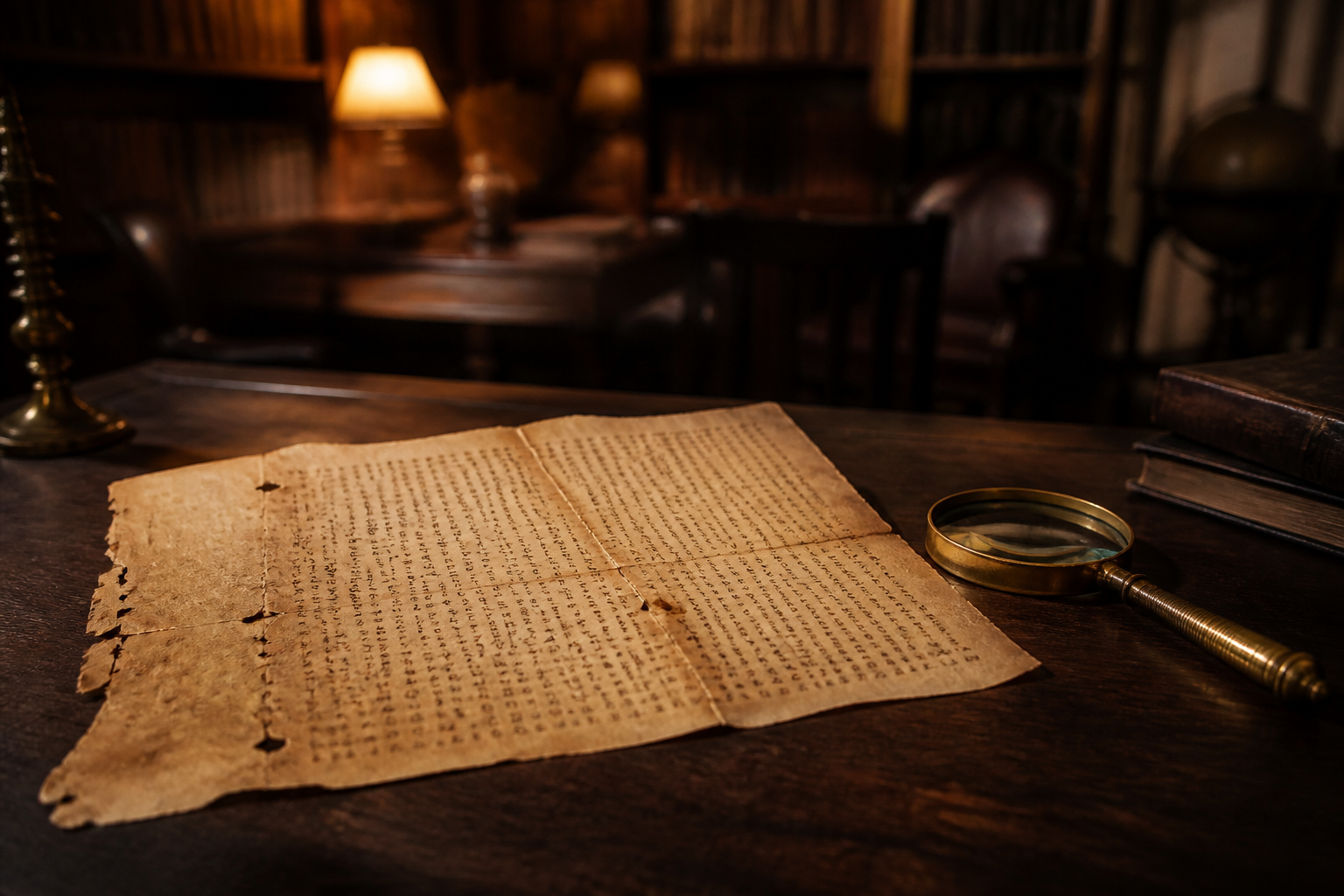
Advanced AI Deciphers 200 Year Old Military Secret from Napoleon Era
An independent researcher used an advanced language model to decode an 1809 French military briefing that had resisted analysis for more than two centuries. The system analyzed over 1,300 handwritten cipher symbols from a low quality scan, identifying symbol patterns and restoring unredacted troop movement details. The solution filled in long standing gaps in historical military records.
 There's An AI For That·Sep 26
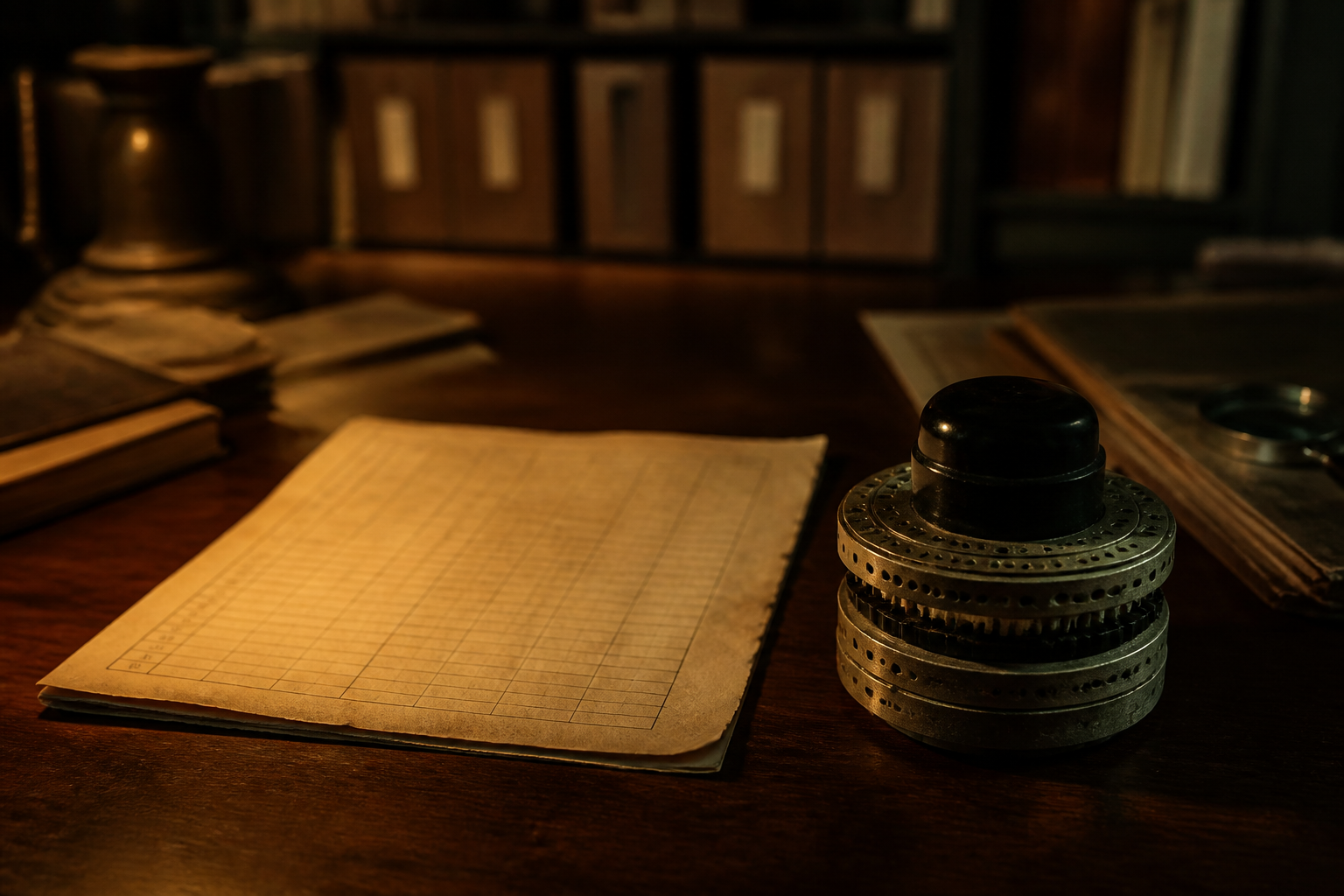
AI decodes an unsolved World War II cipher using automated detective work
Software created by independent developer Carter Leffen analyzed an archive of historical Enigma messages and identified structural similarities between two transmissions from July 1941. The system built its own simulator and codebreaking algorithms to decrypt the text in two days, revealing machine settings that had stumped human researchers for decades.
 TAAFT - There's An AI For That·Aug 26
Archival Audio Shows Early 1980s Vision for AI
Uncovered recordings from 1983 highlight Steve Jobs predicting modern digital assistants and interactive knowledge tools. The presentation discussed conversational interfaces capable of answering complex philosophical questions based on human writings.
 Superhuman·Aug 19
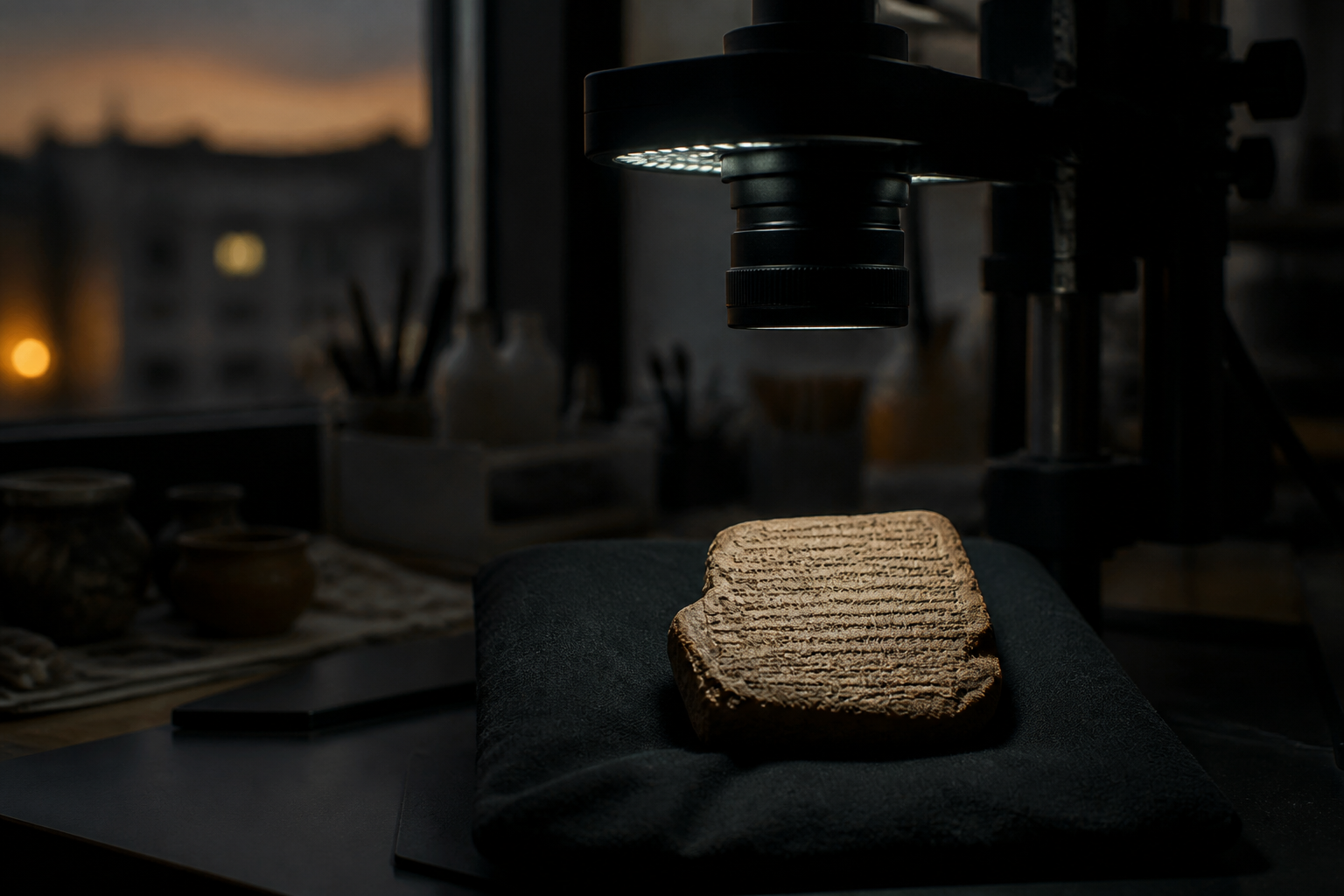
Researchers apply machine learning to translate ancient texts and damaged manuscripts
Historical researchers are using specialized machine learning systems to translate ancient cuneiform languages and read severely damaged ancient documents. New scanning techniques and software tools have enabled academics to digitally reconstruct ancient scrolls buried during historical volcanic eruptions.
 Superhuman·Aug 19
Researchers use machine learning to translate 5,000-year-old Mesopotamian clay tablets
Archaeologists and computer scientists developed a specialized translation tool called TabletCraft to translate ancient Akkadian cuneiform text into English. In a separate project, digital scanning powered by machine learning enabled researchers to reconstruct and read ancient scrolls damaged by the Mount Vesuvius eruption.

