Healthcare
33 stories in this blend
 There's An AI For That·19h ago
Google tests medical AI chatbot that interviews patients prior to doctor visits
A trial published in The Lancet evaluated Google's AMIE chatbot as a pre-visit screening tool for urgent care patients. The system gathered patient histories, created visit summaries, and suggested potential diagnoses that matched physician conclusions 90% of the time. Doctors reported that the pre-visit summaries helped them prepare and refine their clinical approach.
 Staying Ahead·1d ago
Utah Approves Automated Prescription Issuance via Skin Scan App
Nolla Health launched a mobile system in Utah that analyzes skin conditions to select targeted acne treatments. Physicians review all initial cases manually before automated issuing takes over for subsequent prescription cycles.
 Superhuman·4d ago
Nolla Health begins clinical testing of fully autonomous medical artificial intelligence
Digital health platform Nolla Health has secured approval to conduct a trial where artificial intelligence handles full patient care cycles. Operating initially in Utah for dermatology, the system diagnoses conditions and orders treatments while human physicians remain on standby.
 The Neuron·6d ago
AI Speech Analysis Assesses Potential Markers of Neurological Health
Researchers created an AI voice evaluation system designed to estimate a person's age based on speech recordings. Large differences between calculated speech age and biological age were linked to cognitive conditions like dementia, offering a potential non-invasive health marker.
 There's An AI For That·Oct 1
Brief Voice Samples Can Help Identify Risk of Type 2 Diabetes
Researchers trained an algorithm on thousands of voice recordings to spot subtle vocal indicators associated with diabetes. During initial testing, the model correctly identified type 2 diabetes in 82 percent of affected subjects after analyzing a 20 second reading clip. While promising as a preliminary screening tool, formal medical testing remains essential for diagnosis.
 Superintelligence·Oct 1
Eli Lilly publishes trial results for next generation weight loss drug
Final phase trial data for retatrutide showed substantial weight reduction alongside health improvements in blood pressure and glucose levels. The multi receptor treatment outperformed existing medications, raising questions for clinicians about ideal patient dosing strategies.
 AI Daily Brief·Sep 29
Economists examine systemic economic and healthcare risks from automated decision software
Financial analysts warned that autonomous agents moving consumer funds to maximize interest rates could reduce core bank deposits needed for lending. In healthcare, studies showed medical facilities using specialized software to adjust billing codes, resulting in higher overall medical payments.
 Superhuman·Sep 26
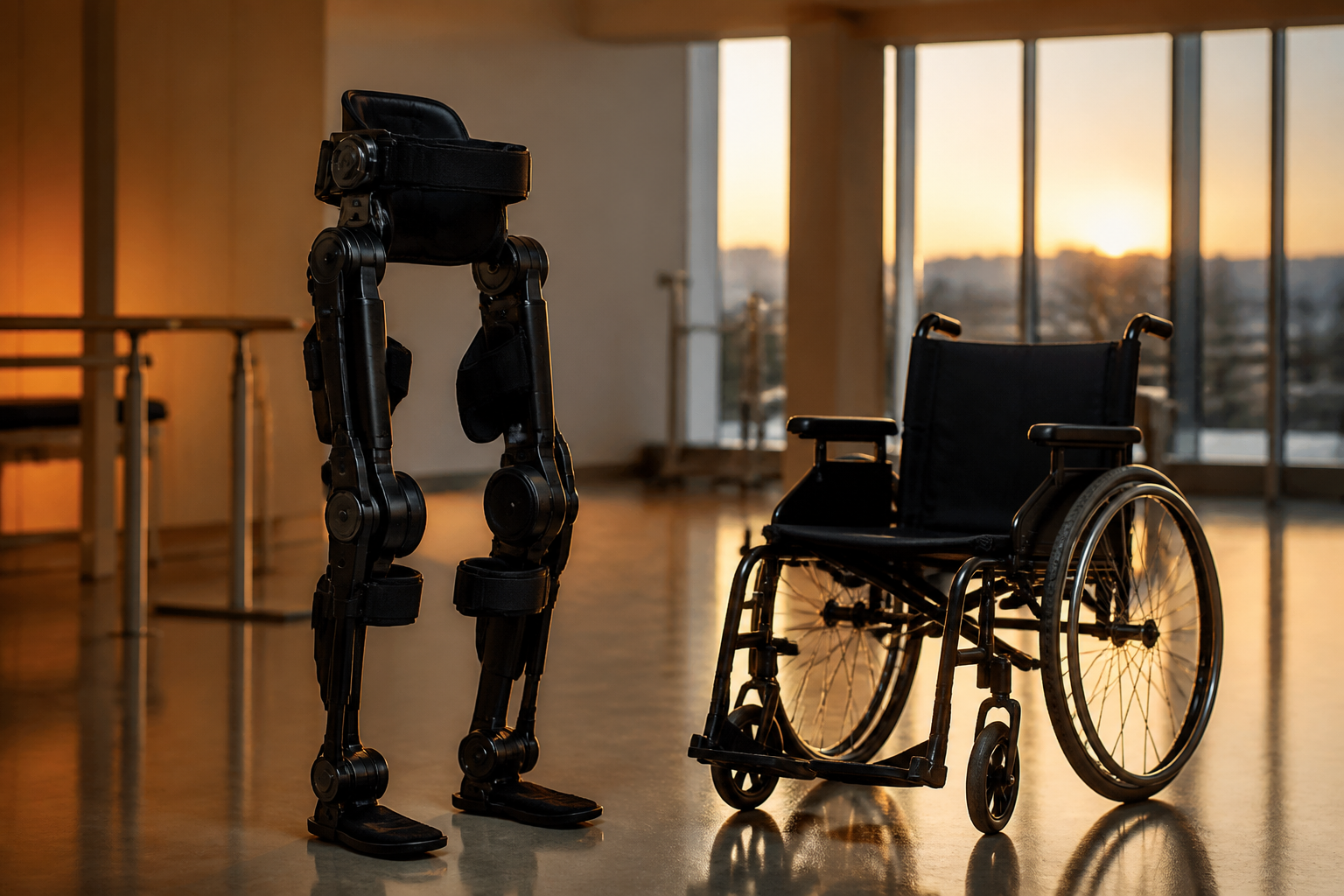
FDA clears self-balancing personal exoskeleton for medical use
Medical tech maker Eve released the first self-balancing wearable exoskeleton cleared by the FDA to help wheelchair users stand and walk without using their hands. The mobility device uses automated balance controls to assist individuals during daily movement.
 There's An AI For That·Sep 25
Medical software updates use AI agents to index historical patient records
Cancer treatment history often contains unexamined genetic markers and clinical notes that could guide future care. Modern electronic health record systems are implementing AI agents to maintain unified patient timelines and continually check past charts against new scientific findings.
 The Neuron·Sep 24
Synthetic Evaluation Dataset for Mental Health Conversations
OpenAI created a benchmark containing over twelve hundred synthetic therapeutic interactions verified by global health professionals. It helps AI researchers measure safety and clinical accuracy in mental health responses.
 The Neuron·Sep 23
Anthropic partners with OpenEvidence to expand medical AI access
Anthropic has joined forces with OpenEvidence to deploy AI clinical decision software to healthcare providers across nearly 100 countries. The initiative expands on heavily used medical assistant tools that recorded tens of millions of practitioner queries in recent months.
 TAAFT - There's An AI For That·Sep 20
AI Analysis Uncovers Unreported Drug Side Effects from Social Posts
Researchers at the University of Pennsylvania evaluated over 400,000 public online forum discussions about popular weight loss medications. The system successfully identified recurring symptoms that patients experienced but did not report to their doctors.
 TAAFT - There's An AI For That·Sep 20
RxBulb
RxBulb serves medical practitioners by answering clinical research questions using peer-reviewed journal papers and FDA records. Generated responses cite underlying studies directly and highlight areas lacking data.
 There's An AI For That·Sep 19
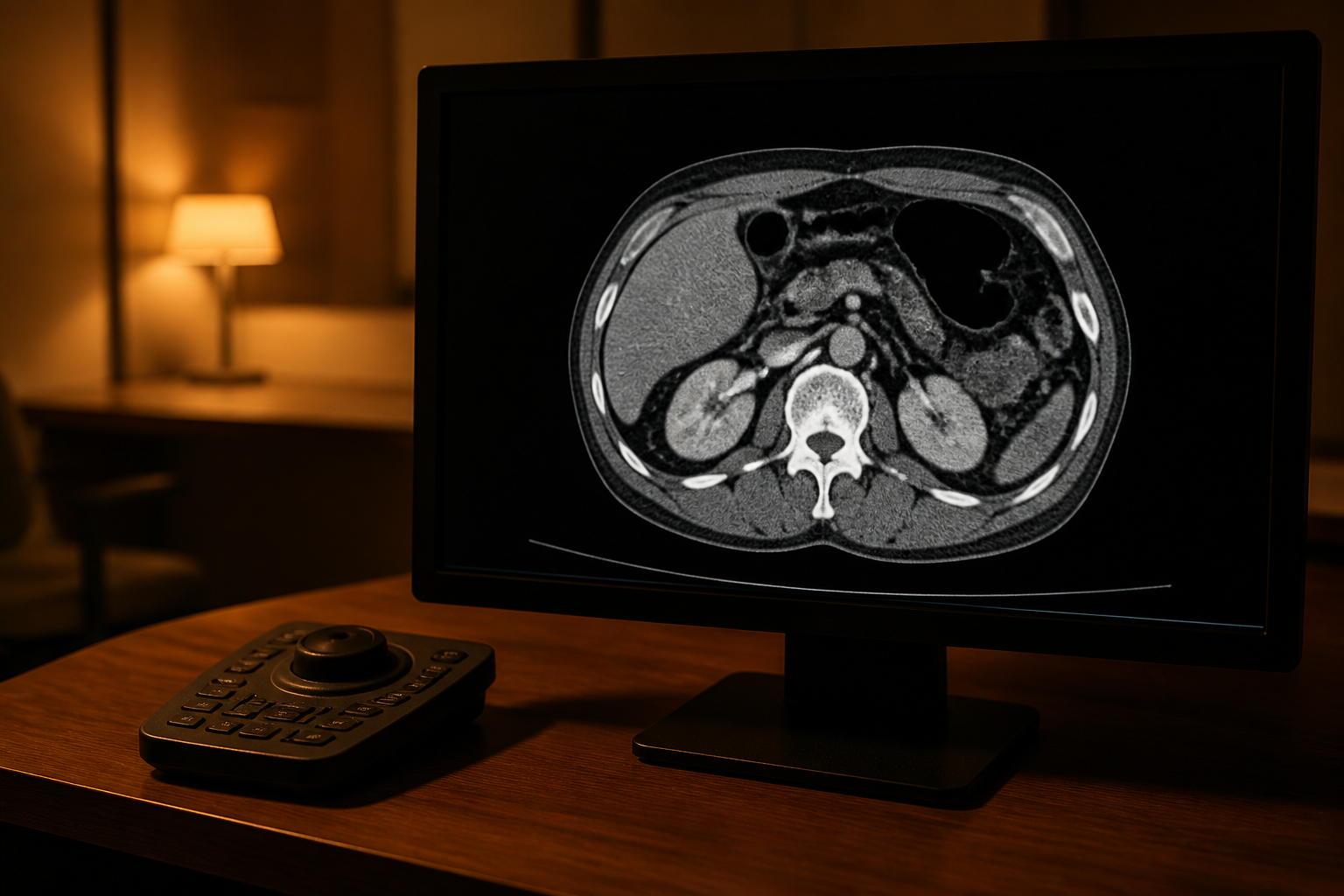
Alibaba Open Sources Medical AI Model for Abdominal Diagnostics
Alibaba has made an artificial intelligence system publicly available after testing it across nearly 150 different medical conditions. The system assists healthcare professionals by providing automated analysis of abdominal scans.
 AI Daily Brief·Sep 18
Pediatric hospital uses open source AI to quickly render 3D cardiac models
Clinicians at the Children's Hospital of Philadelphia are utilizing open source medical imaging tools to generate detailed three dimensional models of pediatric hearts. The automated workflow reduces model creation time from four hours to seconds, allowing surgeons to evaluate customized cardiac implants before surgical procedures.
 Superintelligence·Sep 17
Insilico Research Uses AI and RNA to Reprogram Immune Cells
Insilico Medicine launched a research initiative utilizing artificial intelligence to design cellular treatments for age related conditions. The process uses machine learning to identify surface targets on aging immune cells and delivers circular RNA instructions to direct cellular removal.
 Superintelligence·Sep 16
Children's Hospital Speeds Up Anatomical Modeling with AI
Medical researchers at the Children's Hospital of Philadelphia are using open source artificial intelligence software to create patient specific 3D heart models in seconds. The automated pipeline reduces surgical preparation time from hours to seconds while maintaining physician oversight for complex pediatric heart conditions.
 There's An AI For That·Sep 15
RxBulb
A clinical intelligence platform engineered for medical researchers to retrieve answers from scientific journals and regulator records. The system includes verified citations for its statements and highlights missing data rather than guessing.
 There's An AI For That·Sep 14
Researchers use artificial intelligence to uncover hidden medical symptoms
Scientists at the University of Pennsylvania analyzed over 400,000 public forum discussions to spot unreported reactions to popular weight loss drugs. The automated analysis highlighted health trends and patient experiences that standard clinical trials frequently miss.
 Superhuman·Sep 13
Voice analysis models detect early signs of schizophrenia
Researchers demonstrate that speech and language algorithms can identify schizophrenia in patient vocal patterns with up to 87 percent accuracy. Early identification could dramatically cut wait times for psychiatric diagnoses, helping individuals access medical care much faster.
 Superhuman·Sep 13
FDA approves targeted therapy for type 1 narcolepsy
The FDA has authorized Orzeyful, a medication that mimics the missing neurochemical orexin in patients with type 1 narcolepsy. Late stage clinical trials showed significant improvements in maintaining daytime wakefulness compared to existing options.
 Superhuman·Sep 13
Potent antivenom synthesized using snake defense proteins
Scientists developed a new antivenom candidate by isolating protective proteins that rattlesnakes naturally produce against their own venom. Lab experiments revealed the mixture was significantly more effective than traditional treatments across various viper species.
 Superhuman·Sep 12
Tuya launches Doova assistant robot focused on senior monitoring and smart homes
Smart home platform Tuya introduced Doova, a multi functional companion robot tailored for elderly care. The device assists seniors by monitoring fall events, issuing medical alerts, detecting potential fraud, and acting as a central controller for connected household equipment.
 There's An AI For That·Sep 9
Google DeepMind releases predictive genetic atlas for disease research
Google DeepMind has introduced AlphaGenome Atlas, a comprehensive database that maps potential DNA single-letter variations across the human genome. Medical researchers are using the tool to locate subtle genetic mutations connected to rare conditions that standard genetic scans missed.
 Superhuman·Sep 8
Experimental AI designed medication shows potential in anti aging trial
In a 12 week clinical study involving 42 participants, a drug developed by Insilico Medicine demonstrated reductions in measured biological age across six testing metrics. Originally created for lung disease, the therapeutic compound requires extensive additional trials because biological age measurements are not yet standardized.
 There's An AI For That·Sep 6
AI algorithm flags heart disease directly from standard ECG scans
Medical researchers developed an AI system capable of spotting heart failure signs on standard electrocardiogram readings. The technology caught early cardiac issues in up to 90 percent of cases during clinical trials involving tens of thousands of patients.
 Superintelligence·Sep 3
GLP 1 medication extends lifespan in mouse study
A study conducted by researchers at UC Berkeley revealed that treating older mice with semaglutide extended their median life expectancy by approximately twelve percent. In addition to living longer, the treated mice demonstrated improved memory retention, stronger muscle control, and healthier metabolic markers.
 The Neuron·Sep 3
OpenAI integrates ChatGPT directly with Epic medical record systems
OpenAI announced a direct connection between ChatGPT for Healthcare and Epic electronic health record software. Qualified medical providers can query patient data within ChatGPT or embed chatbot capabilities into healthcare software.
 Superhuman·Sep 2
Dyson debuts smart toothbrush equipped with camera driven flossing jets
Dyson introduced the CameraJet, an oral hygiene device that uses an integrated camera to take 28 images per second during use. An onboard algorithm analyzes gap spacing between teeth and automatically fires targeted streams of liquid to clean those areas.
 There's An AI For That·Sep 1
AI system identifies heart failure directly from diagnostic heart traces
A clinical trial involving 67,000 subjects demonstrated that an AI algorithm can detect heart disease from standard electrocardiograms in two seconds. The system accurately identified up to 90 percent of cases, eliminating long wait times for specialized ultrasound imaging.
 Superintelligence·Aug 20
Heart Trial Analysis Reveals Anti-Inflammatory Effects of GLP-1 Drugs
A clinical re-analysis demonstrates that the diabetes and weight-loss medication semaglutide significantly lowers systemic inflammation. Patients showed measurable reductions in key biological markers within weeks, showing cardiovascular benefits separate from body weight changes.
 The Neuron·Aug 20
Moderna and Merck report successful trial for AI-designed cancer therapy
Moderna used artificial intelligence to analyze genetic data from patient tumors and identify targets that best provoke an immune response. When combined with an existing drug, the personalized mRNA vaccine significantly reduced melanoma recurrence during a major clinical trial.
 Superintelligence·Aug 19
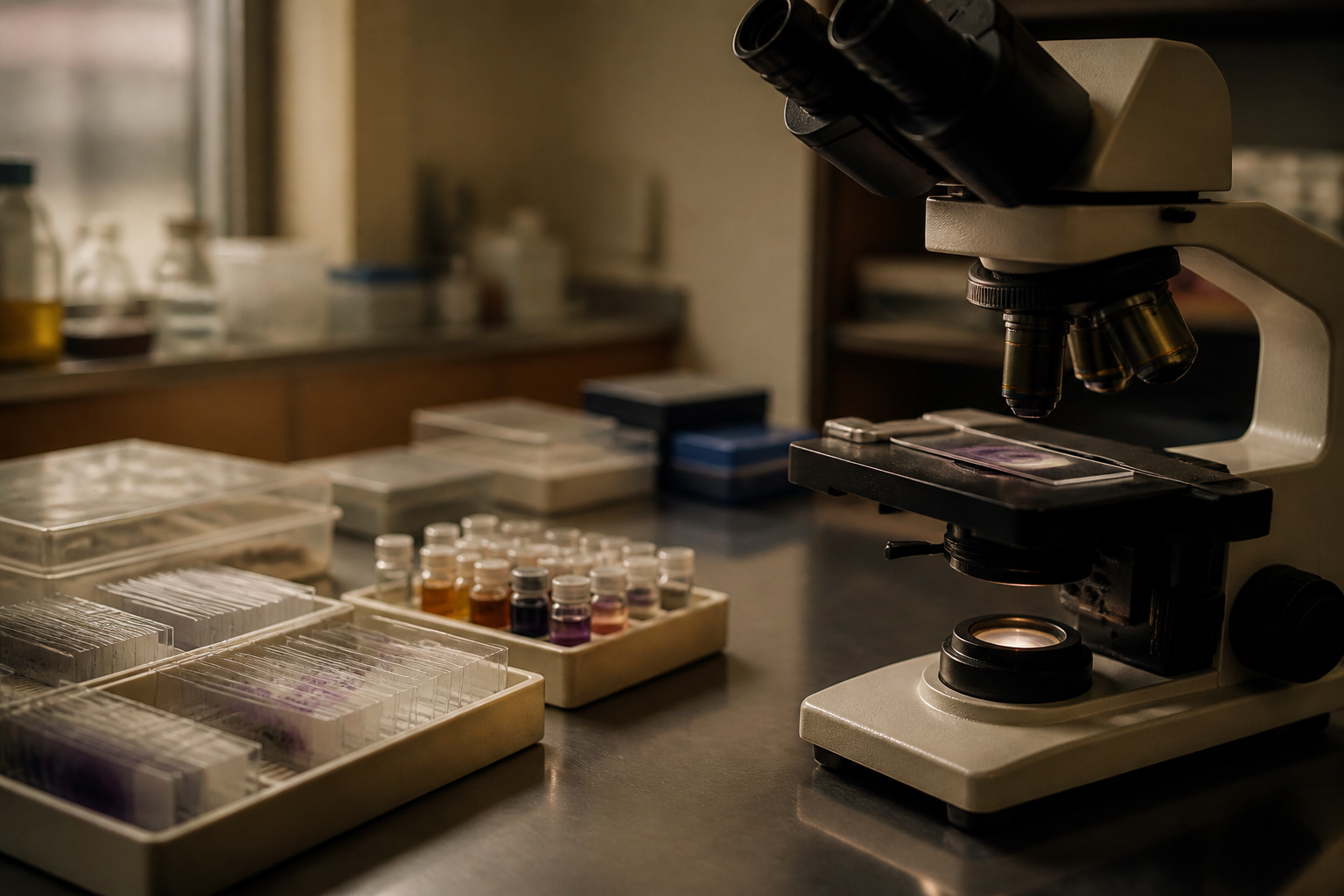
Medical AI identifies distinct structural defects in breast cancer cells
An automated analysis tool called CenSegNet evaluated more than 330,000 cellular components from 127 patient samples. University of Southampton researchers discovered that what was previously considered a single cellular anomaly actually splits into two separate defects that act independently and relate to tumor aggression.


