Computer Vision
16 stories in this blend
 There's An AI For That·Sep 25
Google Photos introduces digital wardrobe inventory and virtual try on
A new feature in Google Photos scans personal image libraries to identify clothing items worn over recent years and organize them into a digital closet. Users can sort outfits by recency and preview virtual clothing combinations within the mobile app.
 The Neuron·Sep 24
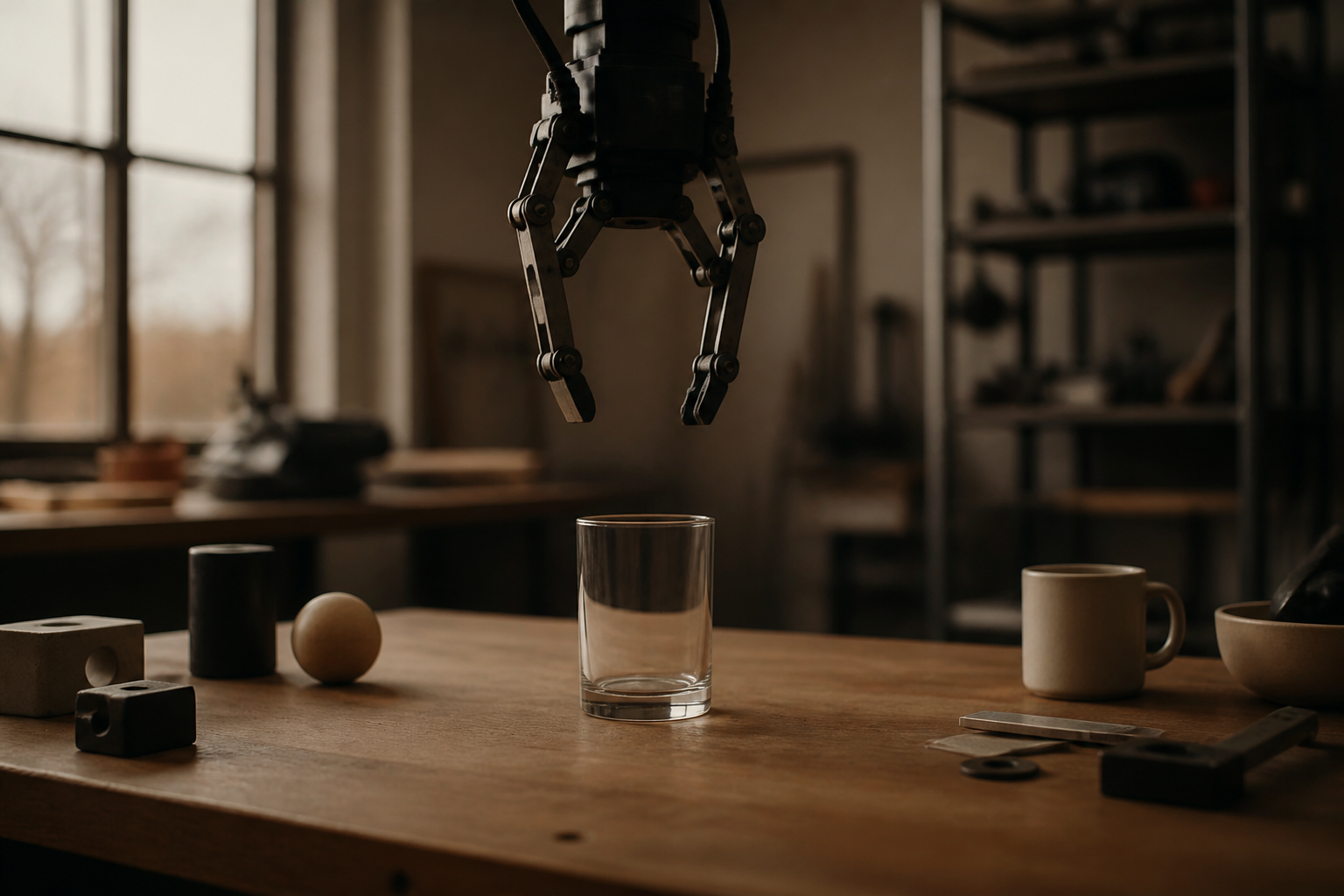
Vision Model for Predictive Robotic Control
FLUX 3 Action is a seven billion parameter open vision model built to assist physical robots. It analyzes sensor data and camera feeds to predict immediate future movements and environment state changes.
 Superintelligence·Sep 21
Alibaba publishes open weights for Qwen Image 2.1 generation model
Alibaba has made weights available for download for its Qwen Image 2.1 generation and image editing system. The 7 billion parameter generator preserves object and subject details across as many as ten reference photos while enabling targeted edits. In benchmark evaluations published alongside the release, it outperformed rival visual models of comparable size.
 The Neuron·Sep 18
Humanoid robot executes chores across dozens of novel environments
Robotics company Figure reported that its Helix 2.5 model successfully completed full body housework across 30 previously unseen home environments. The system performed physical tasks zero shot without requiring pre recorded data for those specific locations.
 There's An AI For That·Sep 16
Google ARTEMIS
ARTEMIS is an open source Android agent controller created by Google. The system uses visual identification to perform mobile application commands given in clear spoken language.
 Staying Ahead·Sep 11
DeepSeek Releases Faster V4.1 Model with Image Capabilities
DeepSeek launched an upgraded AI model offering faster processing times, vision recognition, and lower pricing tiers. Users should keep in mind that data processed through the platform remains subject to local Chinese regulations.
 Superhuman·Sep 2
World Labs unveils Atlas for generating 3D virtual spaces
World Labs has released Atlas, a model capable of converting text, image, or video prompts into navigable 3D environments. The system allows users to freely adjust camera angles and explore generated digital worlds in full spatial dimension.
 TAAFT - There's An AI For That·Aug 30
Designer creates adversarial pattern shirt to evade camera vision systems
A designer based in Berlin created a custom visual pattern engineered specifically to confuse computer vision object detectors. By training the graphic design directly against detection models, the fabric prevents automated security cameras from recognizing the wearer as a human.
 TAAFT - There's An AI For That·Aug 30
Designer creates clothing pattern that blocks artificial intelligence object recognition
An artist in Berlin developed a custom fabric design engineered to confuse automated visual identification models. The pattern tricks surveillance software into failing to recognize the wearer as a human being.
 There's An AI For That·Aug 28
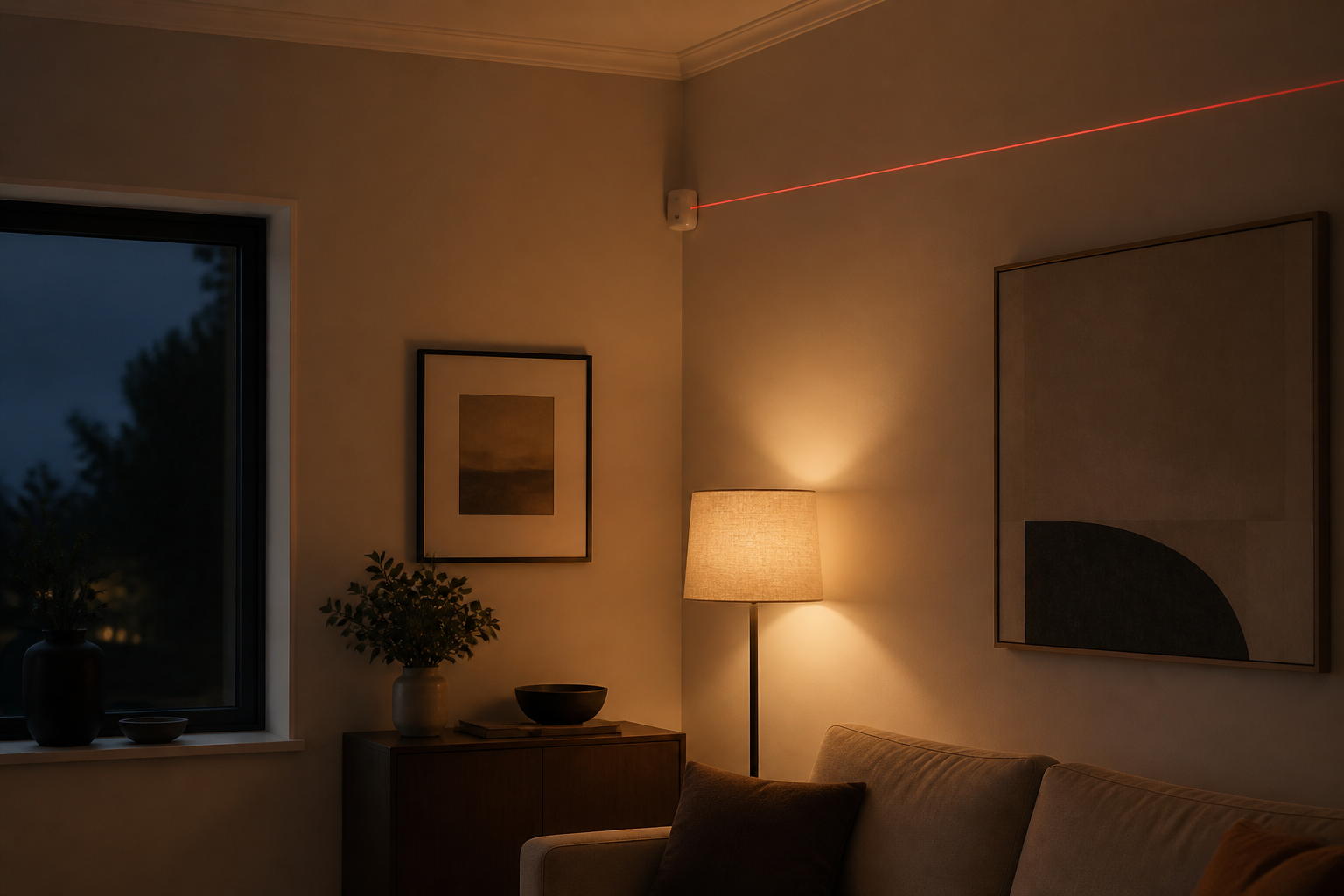
Photon Matrix uses smart wall lasers for target pest elimination
This automated household defense tool monitors room boundaries with invisible lasers to identify and neutralize mosquitoes mid-flight. It suits homeowners looking for chemical free indoor pest control solutions that function continuously day or night.
 There's An AI For That·Aug 28
Satellite analytics platform translates daily orbital imagery into automated action
Continuous orbital photography of Earth yields limited value without real time automated interpretation. Integrating computer vision algorithms with satellite feeds allows systems to detect rapid changes on the ground and initiate targeted responses automatically.
 There's An AI For That·Aug 27
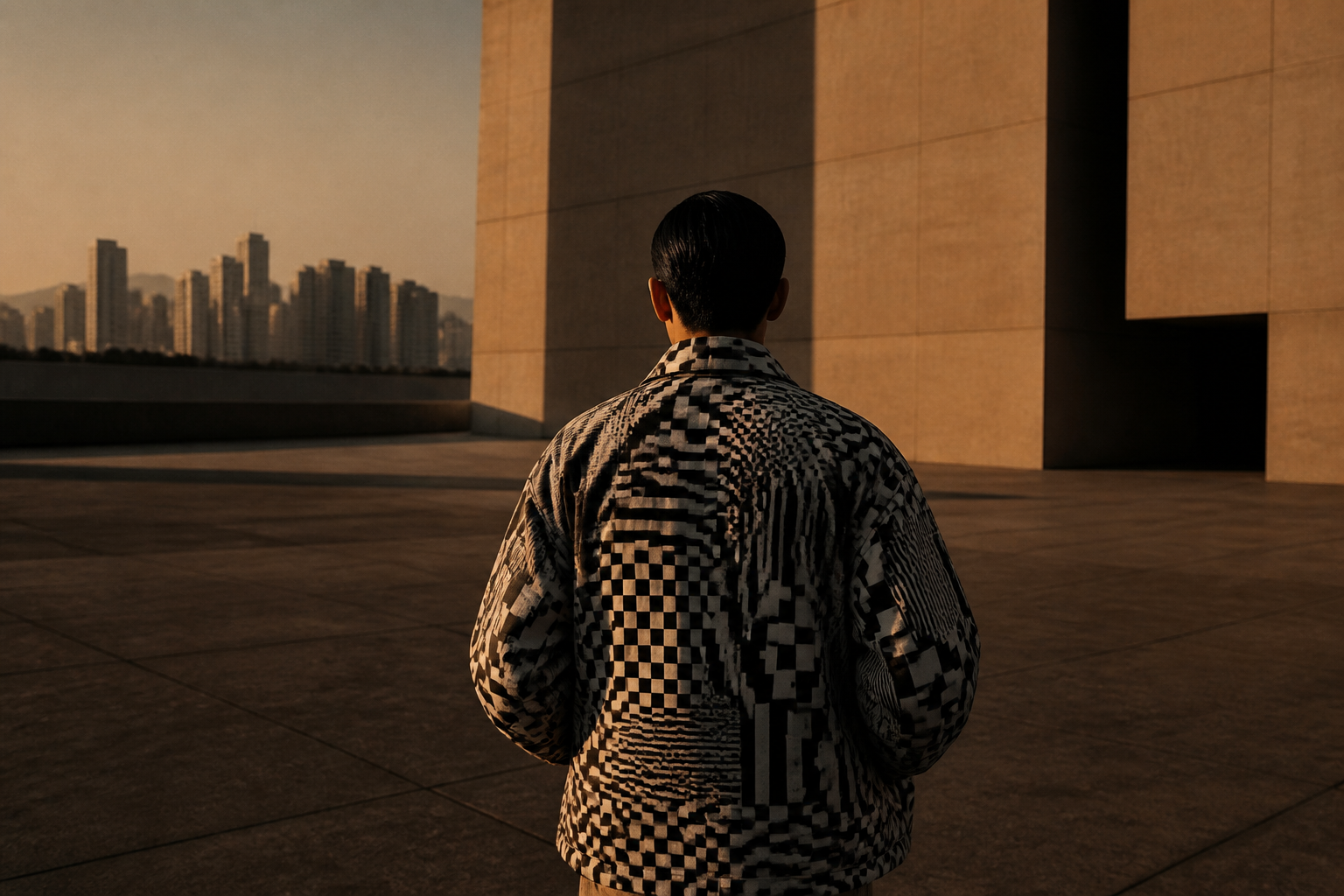
Camouflage fabric design prevents computer vision models from detecting humans
A Berlin artist created a custom textile pattern tuned against surveillance algorithm training data. When worn, the pattern prevents automated security cameras from recognizing the wearer as a human target.
 Staying Ahead·Aug 26
CoachAI
A smartphone fitness assistant that utilizes your device camera to monitor workout movement, tally reps, and critique physical technique. It is built for fitness enthusiasts training without an in-person coach.
 Vaibhav Sisinty·Aug 26
CoachAI
A workout assistant that uses your smartphone camera to count exercise reps and highlight improper movement form. Great for users doing fitness routines at home or in the gym.
 The Neuron·Aug 23
DeepSeek Adds Vision Features to Entry-Level Model
Artificial intelligence developer DeepSeek upgraded its low-cost V4 Flash model by adding computer vision processing capabilities. The update allows the budget system to process image inputs alongside text for automated tasks.
 Superhuman·Aug 13
Google DeepMind develops sign language translation system
Researchers at Google DeepMind constructed an artificial intelligence model that converts American Sign Language into readable text. The software reads visual hand gestures recorded on video and converts them into written sentences.


