Chips
9 stories in this blend
 The Neuron·Nov 16
Nvidia Advanced Hardware Rented to Chinese Companies via Asian Data Centers
Reports indicate Nvidia data center partners in Southeast Asia rented compute access to Chinese clients, bypassing physical export limits because hardware never crossed national borders. US Treasury officials have requested explanations regarding these distribution structures.
 Superhuman·Nov 10
Google reveals next generation TPU chips to compete with Nvidia
Google introduced two new versions of its eighth-generation Tensor Processing Units designed to train and run large AI models like Gemini. Expected to ship in 2027, the custom hardware initiative aims to expand Google's market share as analysts project TPU sales to grow significantly by 2028. The news coincides with shifting stock performance for competing GPU manufacturers.
 There's An AI For That·Nov 4
Orbital AI Chip Transmits First Generated Response to Ground Station
Google successfully processed an AI text request in space using a satellite-mounted processor as part of Project Suncatcher. The open source Gemma model authored a custom haiku in orbit and transmitted the poem back down to Earth. This test demonstrates that standard data center hardware can execute AI tasks directly in space using solar power.
 Superhuman·Oct 28
Apple launches updated hardware line powered by faster AI processing chips
Apple introduced refreshed editions of the iPad mini, 14 inch MacBook Pro, and iMac featuring updated hardware chips built to speed up local AI execution. The flagship laptops and desktop units incorporate M6 processors that drastically accelerate on-device artificial intelligence features compared to previous generations. The updated iPad mini features a brighter OLED panel alongside acoustic display audio technology.
 AI Daily Brief·Oct 28
Specialized debt agreements support Anthropic custom hardware and chip financing plans
Anthropic is using structured credit vehicles to fund expensive chip acquisitions without immediate equity dilution. Multi-billion dollar financing facilities backed by private investment firms support hardware deals with vendors such as Broadcom. The credit arrangements help finance expansion while keeping operational flexibility intact.
 Superintelligence·Oct 21
Chinese Tech Firms Place Massive Orders for Compliant Nvidia Processors
ByteDance, Alibaba, and Tencent have placed orders for more than 3 million RTX PRO 5500 graphics processing units from Nvidia. Because of severe supply constraints and prioritized production for future microchips, Nvidia expects to fulfill only a fraction of these requests.
 Superhuman·Oct 13
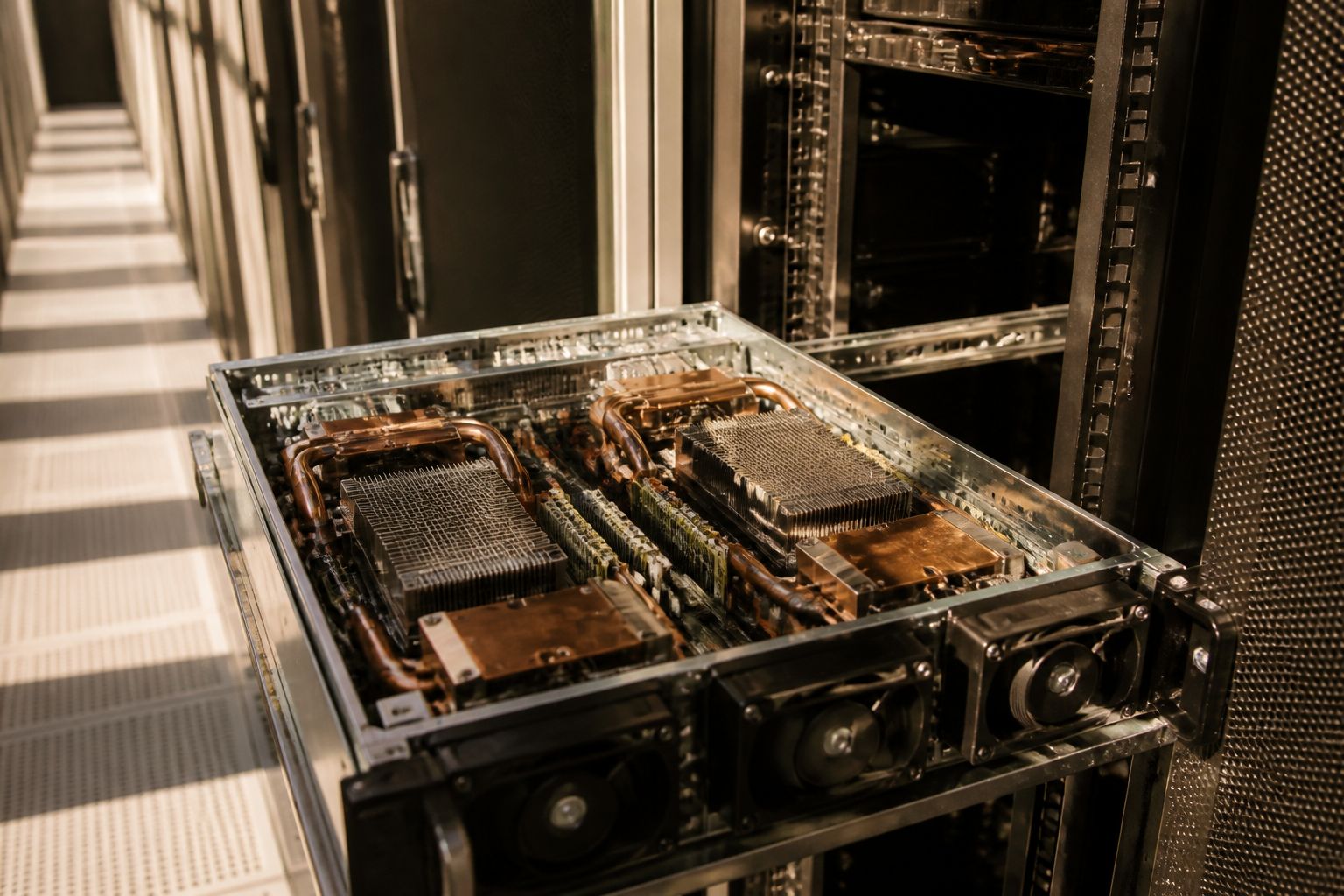
Microsoft launches custom Maia 300 silicon to power internal workloads
Microsoft revealed its third generation artificial intelligence chip designed to handle system inference for internal enterprise services. The new silicon aims to decrease reliance on external GPU hardware while achieving forty percent better power efficiency per token. Company leadership framed the deployment as a central effort in scaling their proprietary hardware operations.
 Superintelligence·Sep 30
DeepSeek and Huawei release open software tools for AI hardware
DeepSeek published open source programming software created alongside Huawei for Huawei Ascend computing hardware. The release features TileLang, an open alternative to Nvidia CUDA technology designed to support domestic data center operations in China.
 Superintelligence·Aug 19
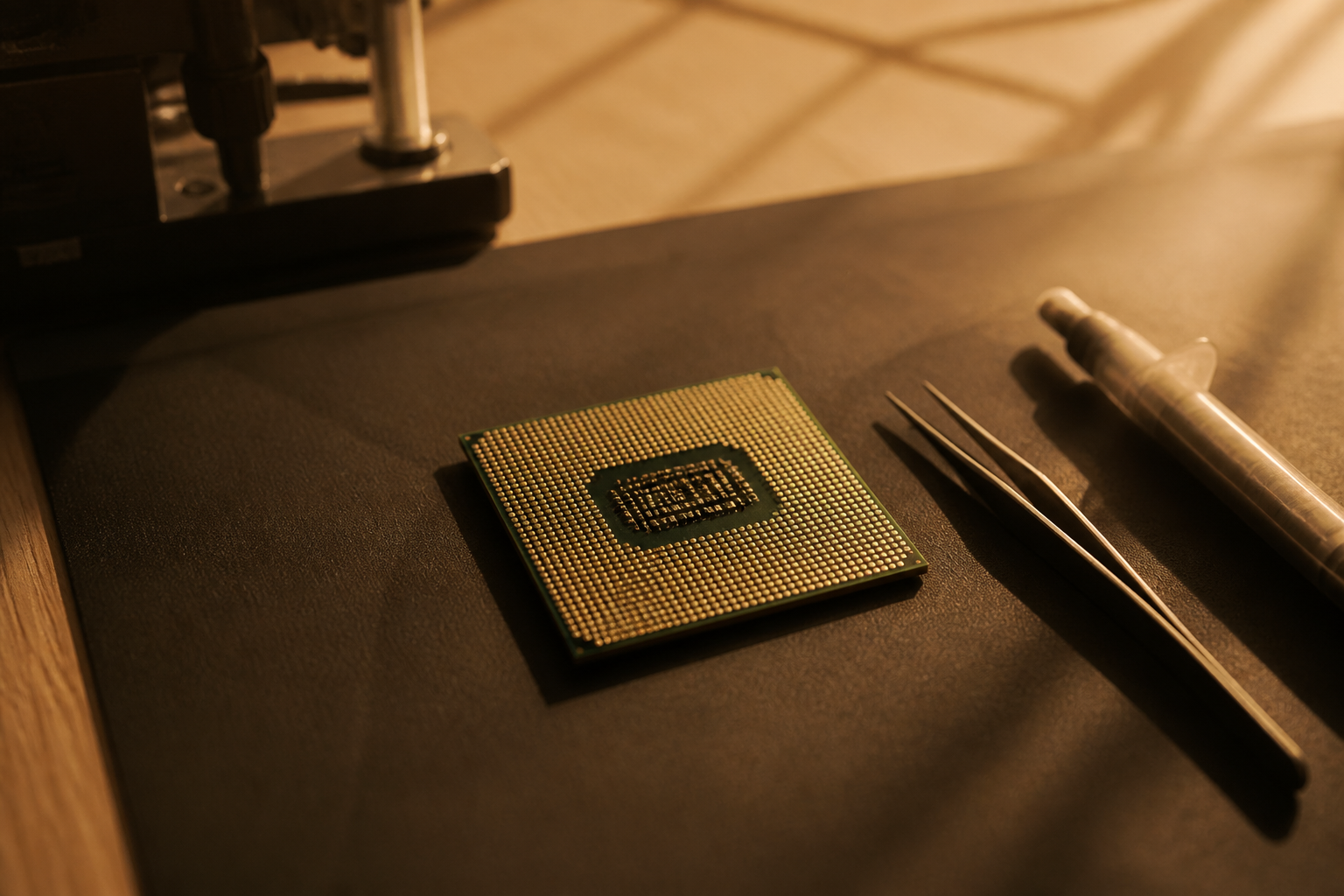
Alibaba demonstrates language model running directly on proprietary processor
Alibaba successfully executed its Qwen-3.8 artificial intelligence model using its internal XuanTie server processor rather than relying on external graphics cards. The setup processed 30 tokens per second, allowing the enterprise to control its complete stack across hardware, software, and cloud hosting.


