Archaeology
5 stories in this blend
 There's An AI For That·Nov 12
Hobbyist uses dozens of automated agents to discover lost ruins under dense jungle
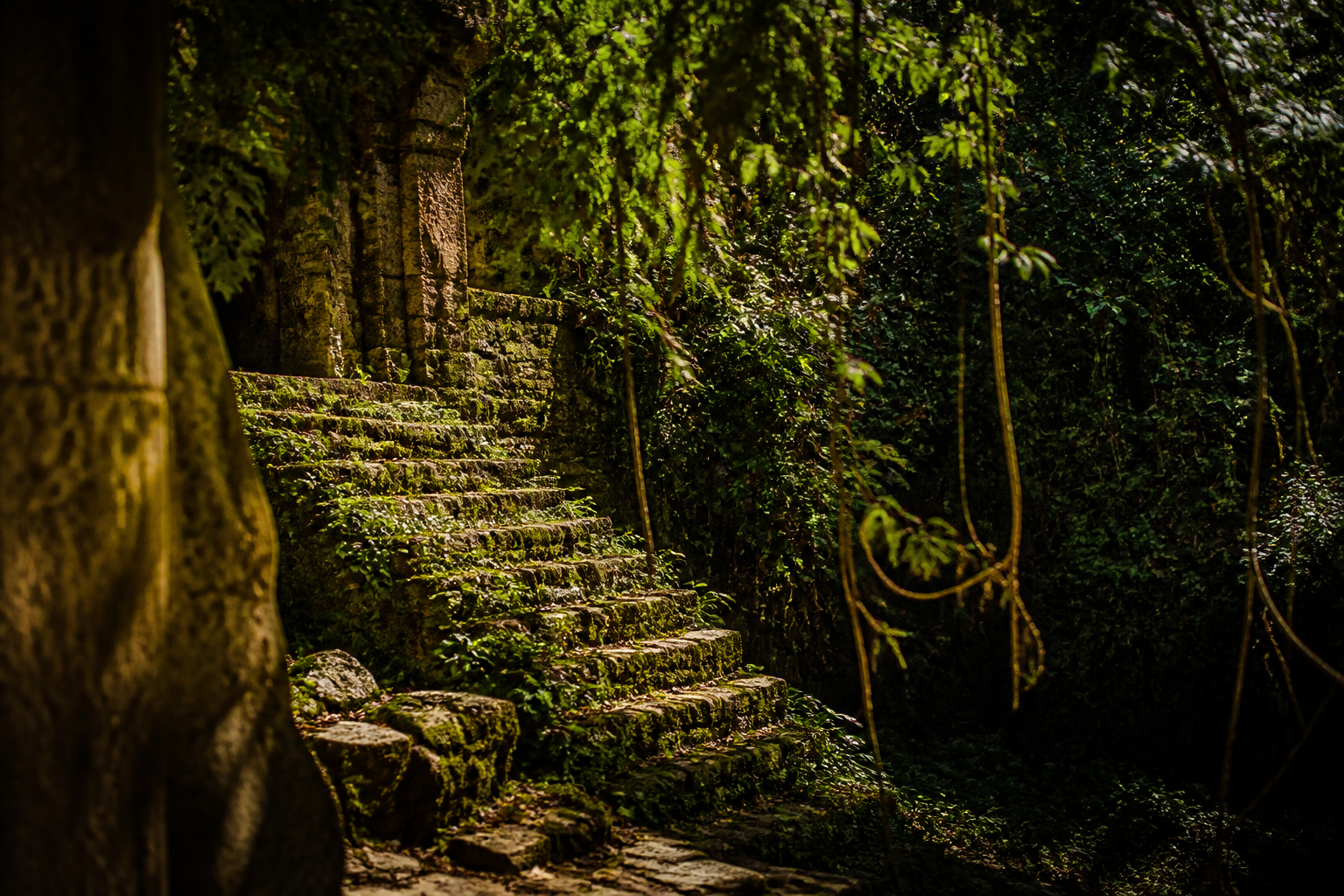
An independent researcher analyzed free satellite and lidar datasets across hundreds of square miles of forest using 48 automated AI agents overnight. The digital agents highlighted previously unmapped structures that were later confirmed to match an academic survey of a historical Maya settlement.
 There's An AI For That·Nov 12
AI Agents Help Uncover Ancient Maya Pyramid Under Dense Jungle Canopy
An independent researcher deployed nearly fifty artificial intelligence agents to analyze over four hundred square miles of public lidar scan data overnight. The agents successfully flagged an unmapped Maya site featuring an elevated pyramid and plaza structure. Although an academic team had recently documented the location, the project demonstrated how automated tools can assist non specialists with complex historical discovery.
 The Neuron·Oct 11
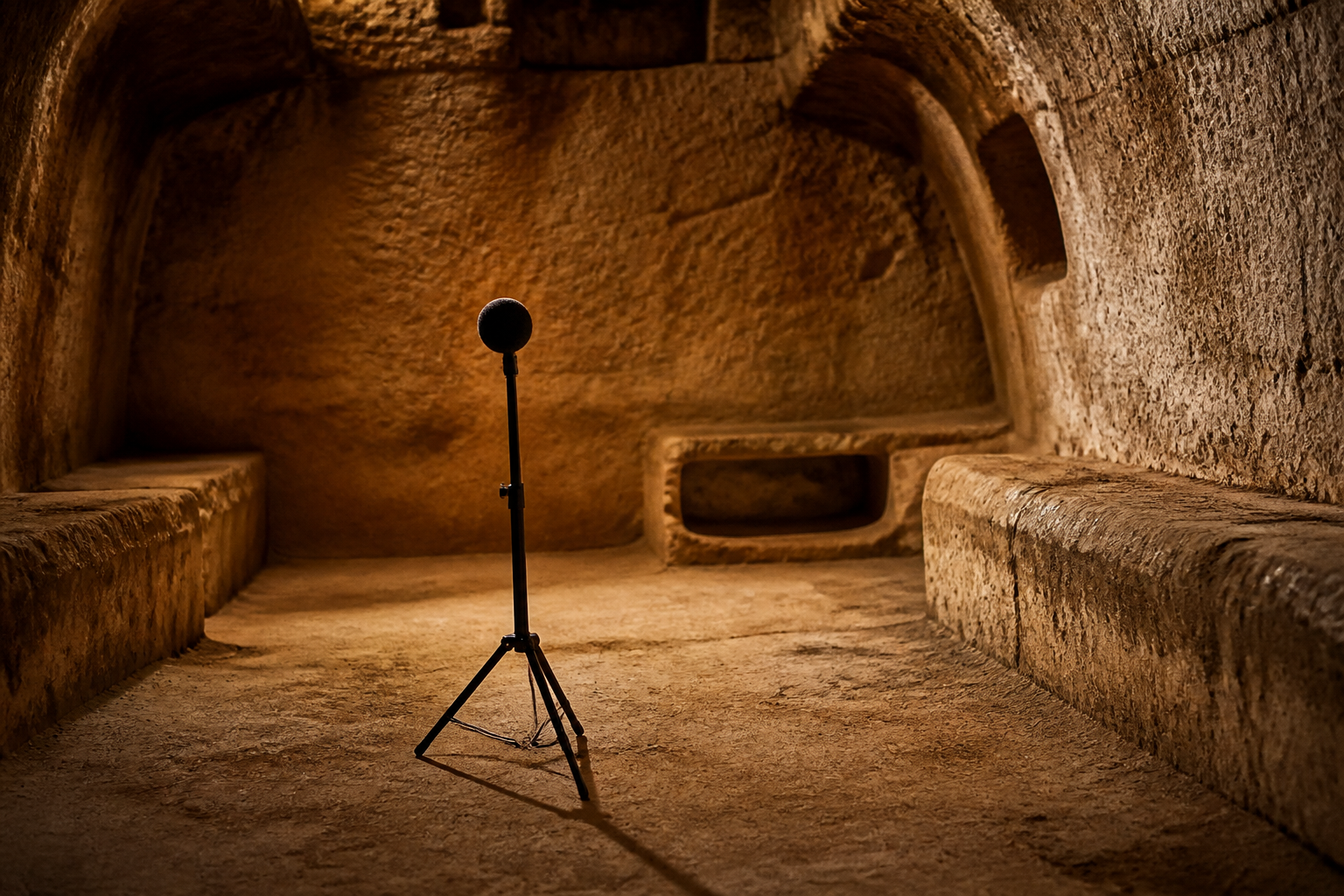
Researchers use AI and acoustics to explore ancient Italian tombs
Scientists analyzed 2,500 year old Etruscan burial sites in Italy using artificial intelligence models paired with acoustic testing. The simulations showed how torch light and visual layouts guided visitor attention while room geometry amplified sound.
 Superhuman·Oct 11
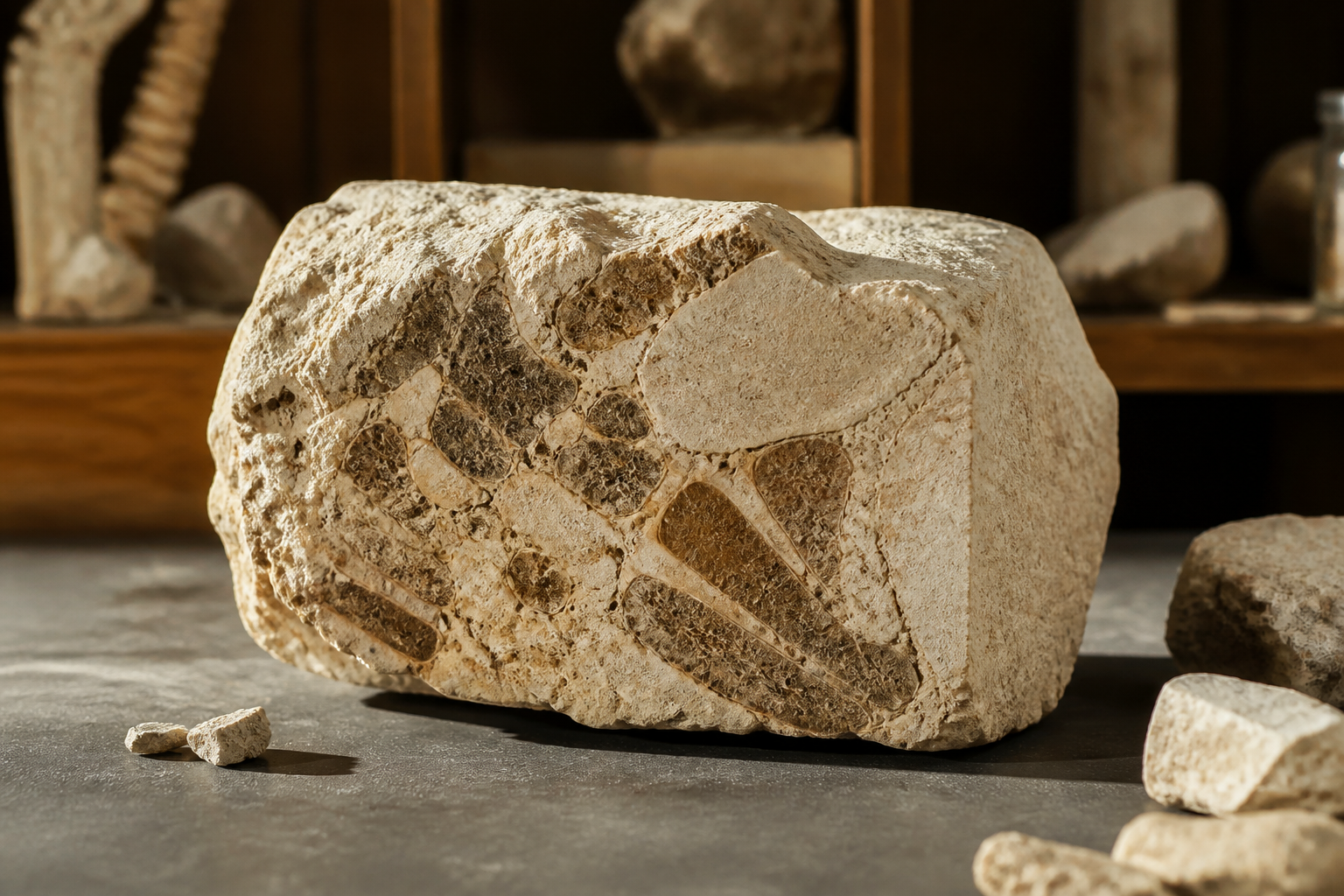
Researchers discover ancient predator fossil inside Egyptian limestone
Advanced 3D X ray scans of a 45 million year old skull found in limestone used for Egyptian monuments revealed a new extinct crocodilian genus. The species, named Herugavialis, belongs to a family of long snouted aquatic predators.
 There's An AI For That·Aug 24
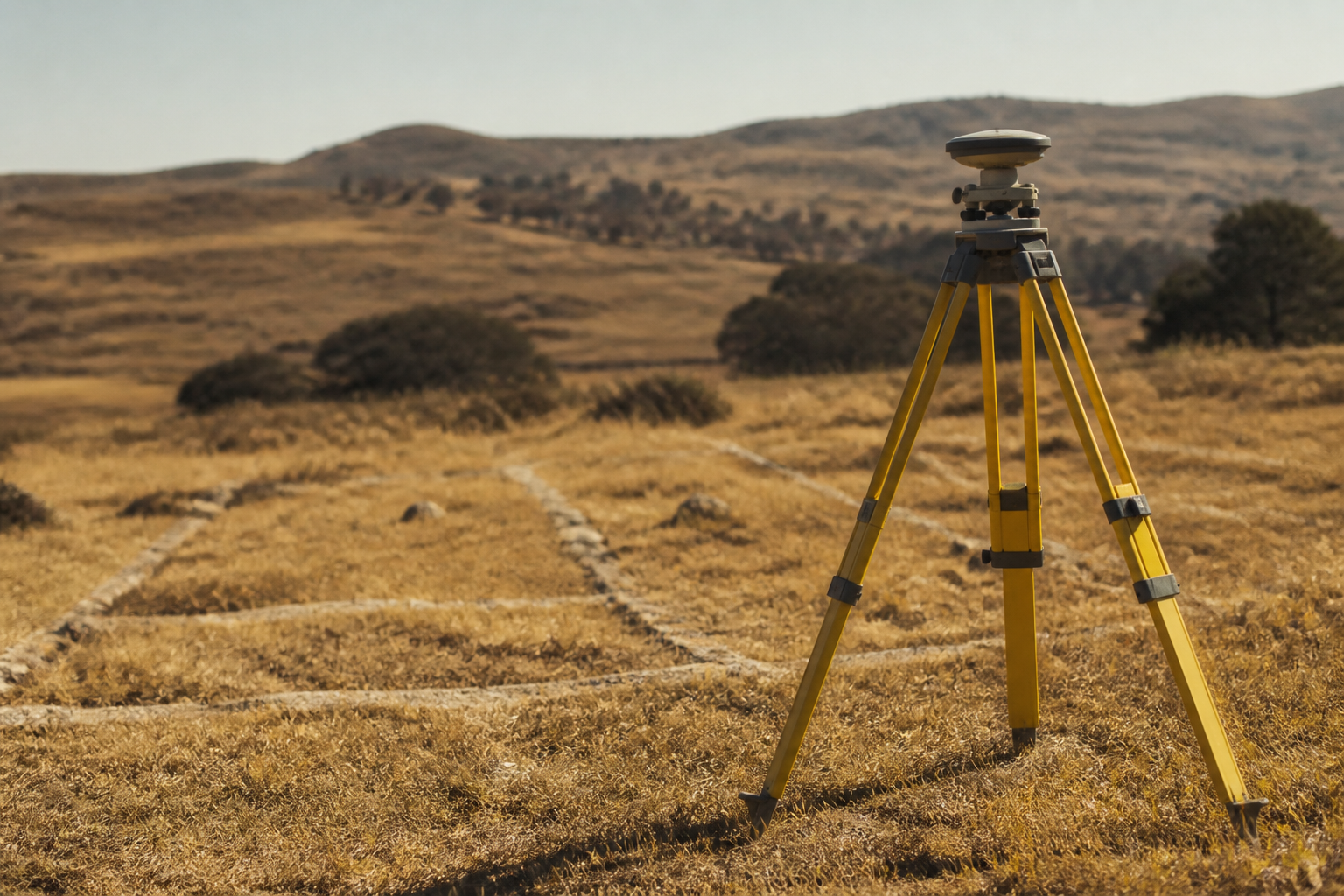
Archaeologists Train AI on Synthetic Ruins to Locate Hidden Historical Sites
Faced with a limited dataset of confirmed historical locations, researchers created simulated ruin models embedded within real topographical scans. The trained artificial intelligence was able to detect previously undiscovered ancient structures beneath actual ground surfaces.