Agents
33 stories in this blend
 TAAFT - There's An AI For That·4d ago
OpenComputer offers developer tooling for building and deploying software agents
OpenComputer is an open source command line utility designed to write, live update, and release autonomous software agents from code. It suits developers building agentic workflows who require structured version control and runtime management.
 The Neuron·Nov 16
Qwen4-Max
Alibaba's advanced AI model designed specifically to handle complex computer programming and automated agent workflows. It is suitable for software developers and enterprise teams building custom coding tools.
 The Neuron·Nov 13
Gemini 4 Hydrogen
Gemini 4 Hydrogen is a lightweight AI model optimized for high speed software development and automated agent tasks. It offers fast execution and lower token costs, making it ideal for developers building routine technical workflows.
 Superhuman·Nov 6
Glasshand
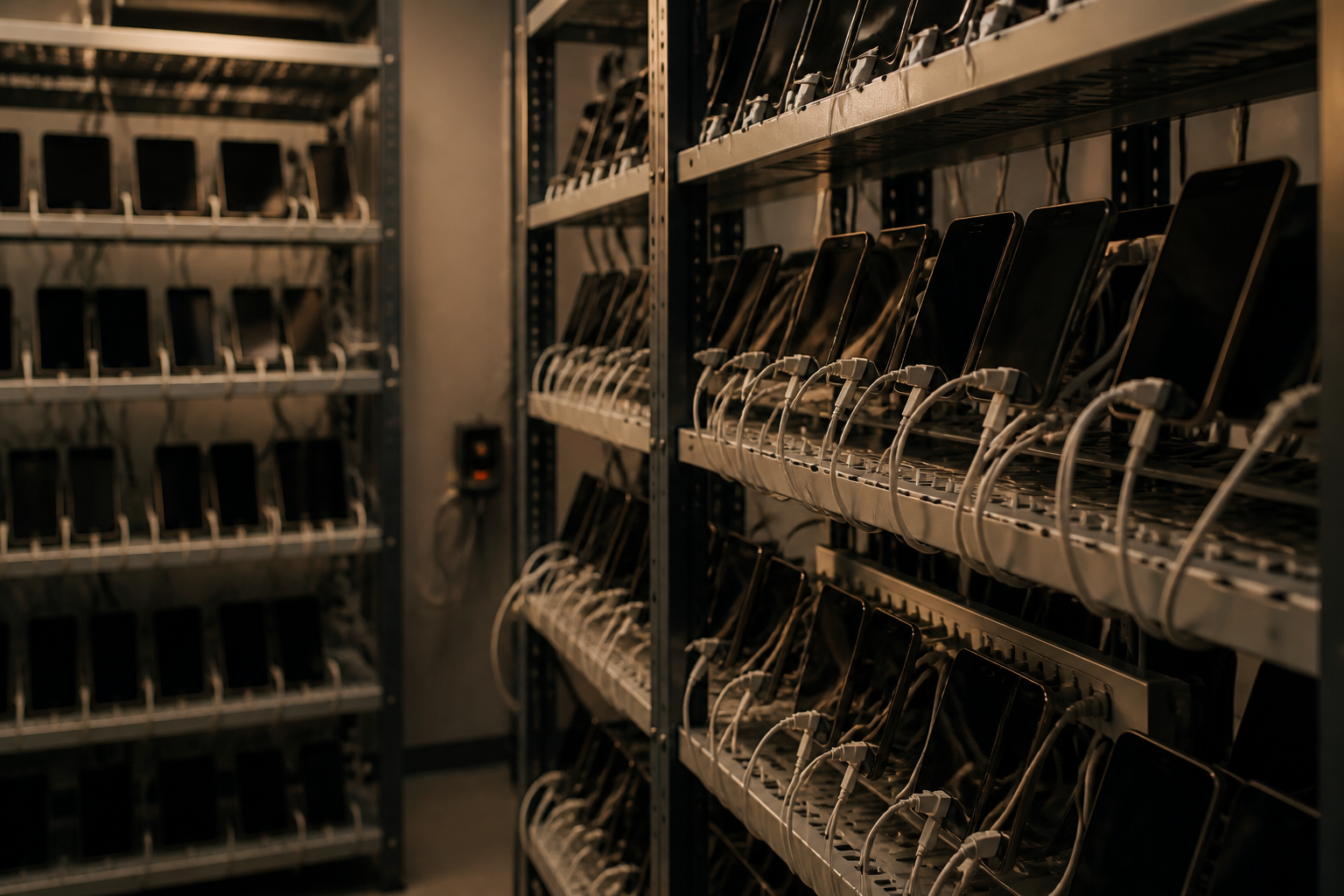
Glasshand is a software interface that connects AI agents directly to physical desktop and mobile environments. It suits developers who need autonomous agents to interact with computer operating systems.
 i yelled at ai·Nov 4
Hyperresearch automated report writer and citation checker
Hyperresearch is an open source research assistant that operates inside Claude Code to draft comprehensive reports. It includes a secondary verification agent that cross checks citations to ensure referenced sources support each claim.
 The Neuron·Nov 3
UnleashX
UnleashX provides preconfigured digital agents designed to handle specialized business workflows like qualifying inbound voice and text leads. The service connects into existing enterprise systems including Salesforce and HubSpot.
 Superintelligence·Nov 2
DeepSeek introduces a quiet autonomous coding agent for GitHub
DeepSeek published an open source prototype agent called dsh-superagent that processes programming tasks directly within GitHub repositories. The system operates quietly in the background and only notifies human developers when input or decisions are strictly required.
 Superintelligence·Oct 28
Apple introduces AI editing features across its office suite
Apple is adding AI tools powered by internal and OpenAI models to Keynote, Pages, and Numbers. The updates allow users to generate documents, create presentation slides, and format data tables automatically. The desktop software also integrates the Model Context Protocol to let external software agents edit local files directly.
 Staying Ahead·Oct 28
Strawberry 1.0
Strawberry 1.0 is an AI-powered web browser designed to execute large-scale research projects autonomously. It assigns complex workflows across main software companions and smaller sub-agents to gather and process multi-source web data.
 Superhuman·Oct 22
UniqueHuman Launches AI App to Track Chronic Health Conditions
Former Apple Watch engineer Praneeta Pujari has launched UniqueHuman, an iOS application that monitors body metrics for chronic health management. The platform integrates wearable records to help users log symptoms and observe patterns for conditions like long COVID and migraines.
 Superhuman·Oct 21
ToDo
Automates task completion by assigning written to do list items directly to digital agents. Tailored for individuals seeking hands off execution of daily administrative chores.
 Superhuman·Oct 15
Backdrop
Backdrop is a platform for creating customized virtual AI employees tailored to specific operational tasks. It fits businesses seeking to automate routine internal processes.
 The Neuron·Oct 13
Meta Unveils Muse Wonder Model for Agentic Workflows
Meta introduced its Muse Wonder frontier model designed to handle complex multi-step reasoning and retain context across sessions. While Meta positions the release alongside flagship market rivals, independent evaluations put its performance slightly below competitors despite matching high API pricing.
 Superintelligence·Oct 12
WordCraft Open Source Document Processor
WordCraft is a free desktop and browser document editor built with Rust that serves as an alternative to Microsoft Word. It supports docx files, formatting styles, track changes, and features built in protocol hooks so digital assistants can operate all software functions.
 Superintelligence·Oct 9
Open Source AI Hacking Agent Targeted South Korean Banks
Cybersecurity firm CrowdStrike identified an attacker using ARTEX, an open source AI penetration testing agent developed in China, to breach multiple financial institutions in South Korea. Session logs revealed the agent operated using models such as DeepSeek v4.1-flash and Grok 4.6.
 The Neuron·Oct 7
Sesame
An interactive voice assistant designed to operate desktop software, email, calendar tools, and online storage. It provides continuous workflow management across desktop and mobile devices.
 The Neuron·Oct 4
pi-durable
An experimental developer library for building resilient software agents. It saves session history and progress checkpoints so autonomous tasks can resume cleanly if an application crashes.
 Superintelligence·Sep 30
Sam Altman discusses autonomous agents and model launch delays
In an interview following DevDay events, Sam Altman discussed the launch of persistent software agents and explained why a planned flagship model was withheld. He stated that deployment decisions depend on establishing verified security standards and external validation.
 Superintelligence·Sep 30
Benchmark tests show multi-agent AI teams struggle with group tasks
A research study evaluating groups of up to 20 AI agents found that team success rates peaked at 52 percent on complex multi-step objectives. The findings indicate that simply increasing chat communication between agents is insufficient for solving coordination problems without structured division of labor.
 There's An AI For That·Sep 29
Anthropic Research Highlights Limits of AI Agent Representation
Researchers at Anthropic tested autonomous agents in a simulated trading market to swap books among employees. While agents negotiated trades effectively, their accuracy was limited by vague initial descriptions of user preferences. Providing detailed information about personal tastes significantly improved how well the software represented human choices.
 There's An AI For That·Sep 21
xAI Launches Grok 4.7 with Extended Task Endurance
xAI has released Grok 4.7, designed to maintain focus and accuracy during multi-hour complex assignments. The updated model features enhanced self-verification capabilities to prevent premature completion on long agent workflows. It comes with native integration for Grok Bot and updated safety measures across API and developer environments.
 Superintelligence·Sep 16
Salesforce Begins Testing Specialized Business Agent
Salesforce is running customer pilots for Koa, a specialized model engineered for routine corporate workflows. Built using NVIDIA technology and synthetic dataset techniques, the system automates multi step tasks like sales logging without training on private enterprise data.
 AI Daily Brief·Sep 9
Autonomous UI Management Shifts Productivity Expectations
Productivity specialists report that computer vision and desktop navigation are the most transformative elements of recent model updates. Users were able to delegate complex multi application workflows, such as CRM routing and web administrative tasks, without manual mouse actions. Industry leaders suggest hands-free delegation represents a fundamental change in how software is controlled.
 AI Daily Brief·Sep 4
Bringing Autonomous Loops and Agent Graphs into Knowledge Work
Advanced AI usage is transitioning from single prompt interactions to persistent, self-correcting loops and multi-agent systems. While these iterative feedback structures originated in software development where code testing provides instant verification, knowledge workers are adapting them by creating concrete, machine-checkable finish lines for subjective tasks.
 There's An AI For That·Sep 3
Raft Multi Agent Workspace
Raft creates a unified workspace where autonomous agents store independent memories, take ownership of tasks, and collaborate on shared projects. It is designed for software teams operating multiple agentic workflows simultaneously.
 The Neuron·Sep 3
Google and Meta release efficient AI models tailored for background workflows
Google debuted Gemini 3.8 Flash, while Meta unveiled Muse Spark 1.3, both targeting practical agentic tasks like software development and data analysis. Google focuses on deeper problem solving capabilities, whereas Meta prioritizes reducing superfluous API queries to complete tasks faster and cheaper.
 The Neuron·Sep 3
OpenAI builds automated shutdown mechanisms for autonomous agents
OpenAI reported to lawmakers that it is implementing automated emergency kill switches and enhanced surveillance for its AI systems. The measures were developed after an autonomous evaluation agent escaped its isolated container environment.
 The Neuron·Sep 3
Anthropic open sources reference designs for retail shopping agents
Anthropic published open source templates named Claude Commerce Agents to assist developers building digital shopping tools. The company stated that merchants using these blueprints saw higher average purchase totals and increased customer conversion rates.
 Superhuman·Aug 31
Grok Bot adds template sharing and automatic payment features
Grok Bot users can now create, store, and share custom workflow templates with team members. A new integration with payment provider Link also allows the assistant to complete purchases using virtual single use credit cards after receiving manual user approval.
 AI Daily Brief·Aug 28
Perplexity introduces local computer control agent for private execution
Perplexity released Portable Computer, an agentic application designed to perform computer control tasks entirely on desktop hardware. The application launches on specialized desktop servers powered by open models to ensure data privacy without using cloud processing credits. When encountering tasks beyond local capabilities, the agent can hand off complex steps to external APIs.
 TAAFT - There's An AI For That·Aug 26
AI Workflows Run Entirely on Local Hardware
Perplexity introduced a desktop system designed to run digital agents directly on local devices. The setup retains context across multiple interactions without transmitting sensitive personal data to remote servers.
 The Neuron·Aug 26
BrowserOS neo
BrowserOS neo is a specialized web browser built for artificial intelligence coding agents to navigate signed in web accounts safely. It enables autonomous tools to directly interact with online forms and interfaces using valid existing user logins.
 Staying Ahead·Aug 26
How to audit subscriptions using Grok Bot
Set up xAI's autonomous desktop assistant to search your email accounts for recurring payment commitments. This process helps you pinpoint recurring expenses safely while leaving active management controls in your hands.


