MIT System Helps Autonomous Robots Correct Memory Errors
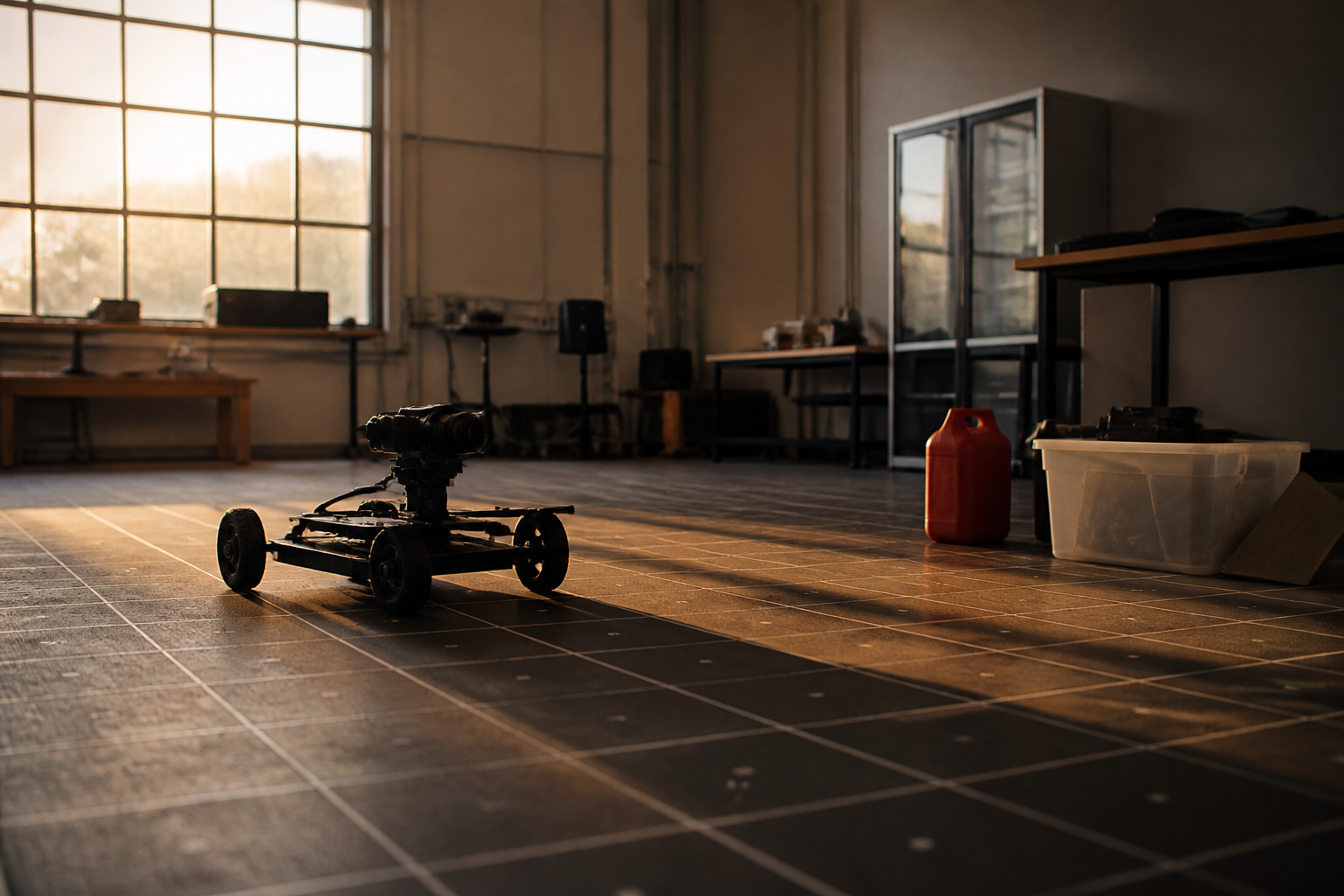
Engineers at MIT created a method for robots to spot inaccuracies in stored visual data. The software evaluates objects from multiple camera viewpoints to correct mistaken entries, resolving over ninety percent of visual ambiguities in experiments.
The Blend
Engineers at MIT have built software designed to help autonomous robots recognize when their own internal visual catalog is incorrect. As a machine travels through an area, it takes photos from various vantage points to build a digital map of its environment. The new system checks these different visual perspectives against one another to figure out how confident the robot should be in its descriptions, allowing it to re-examine objects and fix bad labels in real time.
For everyday consumers, this capability could make home and workplace assistant machines far more trustworthy. If a helper robot misinterprets a vital object, such as mistaking a medical device for a piece of fire equipment, the mistake could cause major delays during an emergency. By enabling machines to catch their own confusion and gather extra visual evidence, robots become significantly safer to deploy alongside humans for complex physical chores.
As associate professor Luca Carlone told MIT News, teaching a physical AI system "to know what it doesn’t know" is vital for safety. However, it remains unclear how well this software will operate in dynamic settings with moving people or rapidly shifting light. It also remains to be seen whether constantly re-checking past visual memories will slow down a robot's reaction time during fast-moving tasks.
Written independently by AI News Smoothie from the reporting listed below. Facts belong to the original publishers. Follow the links for their full coverage.
Ingredients
- Clearing up a robot’s fuzzy memory | MIT News | Massachusetts Institute of Technology
MIT researchers created a software system that allows robots to detect and correct errors in their visual memory by comparing multiple angles of the same object.