Microscopic optical sensor offers blood testing capability for wearable devices
Engineers at the University of Cambridge created an inexpensive sensor that identifies chemicals by measuring light patterns. The component demonstrated perfect accuracy in preliminary tests identifying blood glucose, alcohol, and lactate levels.
The Blend
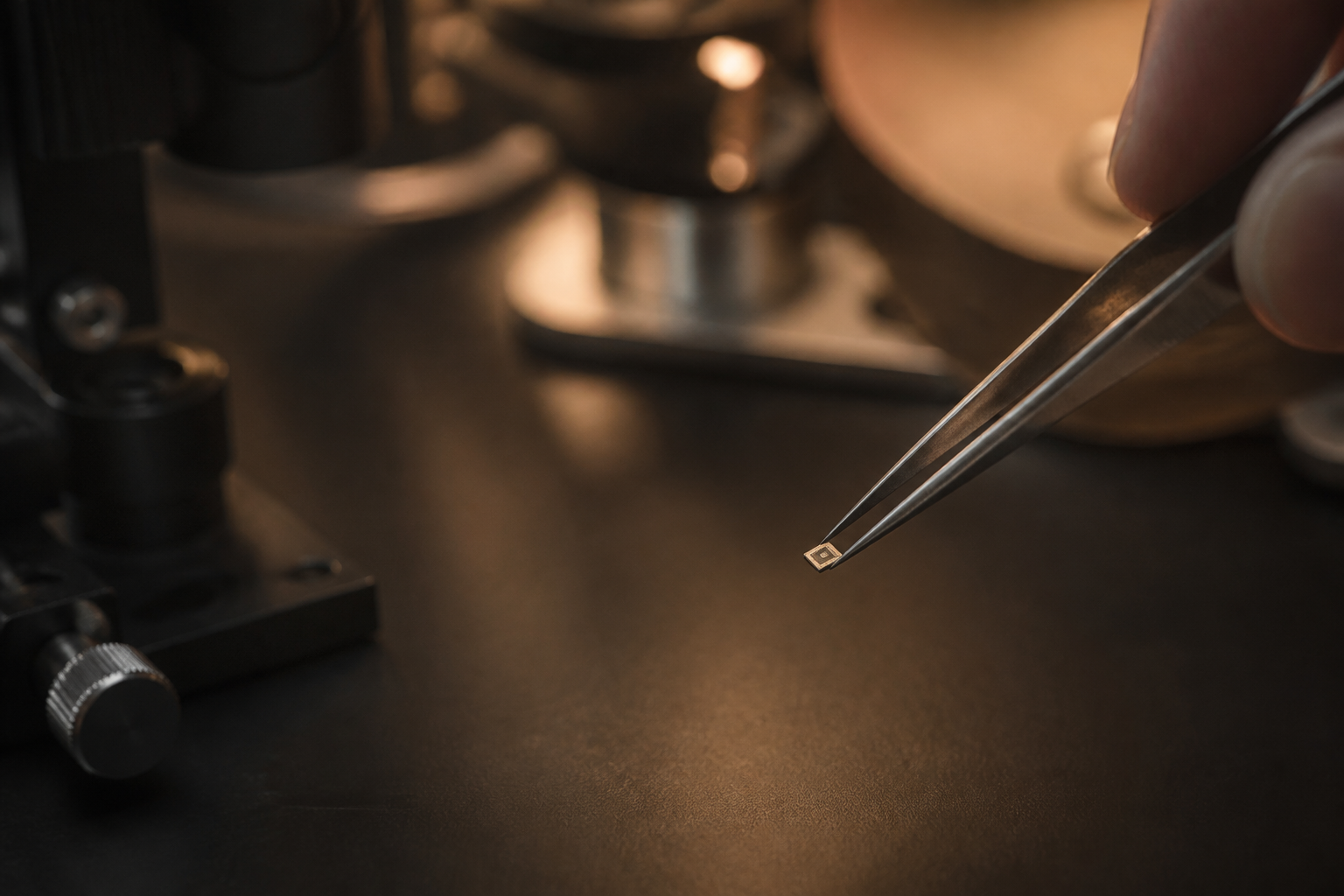
Researchers at the University of Cambridge have designed a compact optical sensor that costs about 10 dollars to manufacture while offering the measurement precision of heavy lab equipment. According to a report by ScienceDaily, the tiny component analyzes light patterns to identify chemical compositions in under a second. In early trials, the hardware successfully identified everyday items like medicines and foods with 100% accuracy.
The development could alter consumer health monitoring by bringing noninvasive medical testing directly to smartwatches and other portable devices. During preliminary tests, the sensor measured biological markers including glucose, alcohol, and lactate without requiring needle sticks. If tech manufacturers adopt this hardware, individuals managing conditions like diabetes might eventually track their blood sugar continuously without painful skin punctures.
However, bringing these lab results to store shelves requires several more steps. The initial biomedical demonstrations relied on very limited human testing, so extensive clinical trials are still needed to confirm performance across diverse skin tones and physical environments. It also remains unclear whether incorporating these optical sensors into consumer gadgets will require compromises on battery life or total device thickness.
Written independently by AI News Smoothie from the reporting listed below. Facts belong to the original publishers. Follow the links for their full coverage.
Ingredients
- Cambridge scientists create a $10 chip that could put a medical lab on your wrist | ScienceDaily
Cambridge scientists created a low cost optical sensor capable of tracking blood markers without needles.