Biotech
18 stories in this blend
 AI Daily Brief·2d ago
Public and Private Sector Launch Massive Cellular AI Mapping Initiative
Biohub has partnered with Google and federal agencies on a 1.8 billion dollar project to map cellular biology using artificial intelligence. The effort aims to enable virtual biological testing, accelerating scientific discovery by reducing the need for physical laboratory trials.
 Superintelligence·2d ago
AI biological clocks indicate popular weight loss medications may slow human aging
Pharmaceutical research presented at a longevity conference indicates that GLP-1 weight loss drugs may reduce biological age markers. Researchers used machine learning models trained on blood sample datasets to estimate cellular age across thousands of trial subjects. Results showed patients taking active medication scored several years younger biologically than those on placebo, though benefits for non diabetic adults remain unproven.
 Superintelligence·2d ago
Tech leaders and US agencies collaborate to build AI models of living cells
Mark Zuckerberg's Biohub has joined Google DeepMind, Meta, Isomorphic Labs, and US research institutes to create a universal virtual biological cell using artificial intelligence. The initiative pools 1.8 billion dollars in data, compute, and instrumentation to model cellular behavior on computers. Commercial partners will gain exclusive access to the generated datasets for one year before public release.
 Superintelligence·Oct 1
Eli Lilly publishes trial results for next generation weight loss drug
Final phase trial data for retatrutide showed substantial weight reduction alongside health improvements in blood pressure and glucose levels. The multi receptor treatment outperformed existing medications, raising questions for clinicians about ideal patient dosing strategies.
 The Neuron·Sep 30
Isomorphic Labs applies automated agents to drug discovery
Isomorphic Labs used an autonomous research agent to search expansive chemical libraries for balanced drug candidates. The system evaluated structural tradeoffs, though the firm has not yet designated specific medical targets for clinical trials.
 Superintelligence·Sep 24
Machine learning model identifies oral microbe associated with extended biological lifespan
Researchers used an artificial intelligence platform called AURORA to analyze biological aging markers and identify a common tongue bacterium that extends lifespan in test organisms. Laboratory validation confirmed that subjects given the microbe demonstrated improved longevity and healthier cellular metrics.
 There's An AI For That·Sep 21
MIT and Mass General Use AI to Spot Aging Cells Non-Destructively
Researchers have combined laser measurements of chemical signals with genetic data to train AI to identify non-dividing senescent cells. This light based barcode method allows scientists to detect aging cells in tissue samples without damaging them. The approach could help evaluate new anti-aging therapies and improve diagnostic methods for age related conditions.
 There's An AI For That·Sep 18
Anthropic establishes San Francisco biology lab for AI research
Anthropic has reportedly opened a physical laboratory in the San Francisco Bay Area to test AI-driven biological hypotheses. The facility aims to address under-researched medical conditions without running human clinical trials.
 Superintelligence·Sep 10
AI created therapeutic demonstrates secondary effects on biological aging markers
A trial evaluating rentosertib, a drug designed by artificial intelligence for lung disease, showed significant reductions in blood protein indicators associated with biological age. Across six measurement models, treated patients showed profile changes resembling younger cellular states.
 The Neuron·Sep 9
Google DeepMind maps genetic mutation impacts across the human genome
Google DeepMind introduced AlphaGenome Atlas, an AI system that predicts the biological effects of all 9 billion possible single letter DNA variations in humans. The initiative gives biological researchers a comprehensive map for analyzing genetic mutations.
 Superhuman·Sep 8
Experimental AI designed medication shows potential in anti aging trial
In a 12 week clinical study involving 42 participants, a drug developed by Insilico Medicine demonstrated reductions in measured biological age across six testing metrics. Originally created for lung disease, the therapeutic compound requires extensive additional trials because biological age measurements are not yet standardized.
 The Neuron·Sep 8
AI designed lung drug shows signs of reversing biological age markers
Blood samples from a clinical trial for lung disease drug rentosertib were evaluated using six proteomic aging clocks. Results showed that participants taking the AI designed medication lowered their biological age estimates by three to six years depending on the measurement system used.
 There's An AI For That·Sep 3
AI Creates Synthetic Virus Genomes Capable of Destroying Bacteria
Researchers used an AI model trained on billions of DNA letters to generate 300 custom virus genomes. Laboratory tests revealed that 16 of the synthetic viruses successfully infected and eliminated drug-resistant bacteria strains.
 Superhuman·Aug 30
Experimental gene therapy yields long term cholesterol reduction
In a human trial, the experimental gene therapy VERVE-102 lowered bad LDL cholesterol levels by up to 62 percent with a single dose. By disabling a targeted liver gene, the therapy maintained reduced cholesterol for a full year without requiring daily medication.
 Superhuman·Aug 30
FDA approves drug targeting mutated KRAS proteins for pancreatic cancer
The Food and Drug Administration granted regulatory approval for daraxonrasib, a oral medication targeting mutated KRAS proteins in pancreatic cancer. In clinical trials, the drug extended median survival times beyond 13 months, effectively doubling the life expectancy compared to conventional chemotherapy.
 The Neuron·Aug 20
Moderna and Merck report successful trial for AI-designed cancer therapy
Moderna used artificial intelligence to analyze genetic data from patient tumors and identify targets that best provoke an immune response. When combined with an existing drug, the personalized mRNA vaccine significantly reduced melanoma recurrence during a major clinical trial.
 The Neuron·Aug 20
Personalized mRNA skin cancer therapy achieves success in late-stage clinical trial
Pharmaceutical companies Merck and Moderna announced positive Phase 3 trial results for an individualized melanoma treatment designed with artificial intelligence. Algorithms examine each patient's blood and tumor mutations to target specific proteins, creating a tailored vaccine administered alongside standard immunotherapy.
 The Neuron·Aug 18
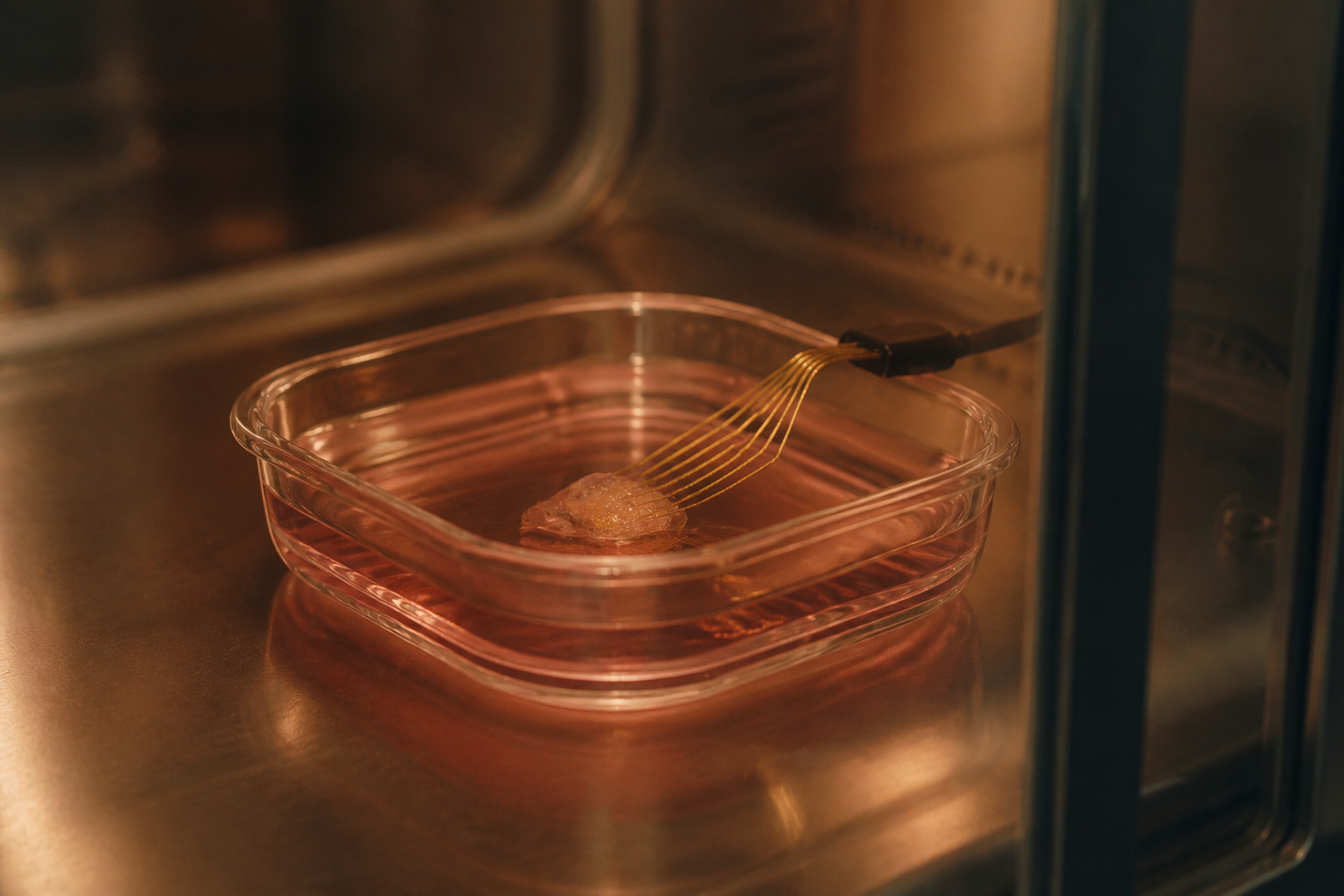
Singapore test-runs data server using living brain cells
Researchers in Singapore launched a prototype data system powered by lab-grown human brain cells instead of conventional computing chips. The living tissue runs basic computational workloads while consuming only a small fraction of standard server power.


