
LTX Open Source Repository
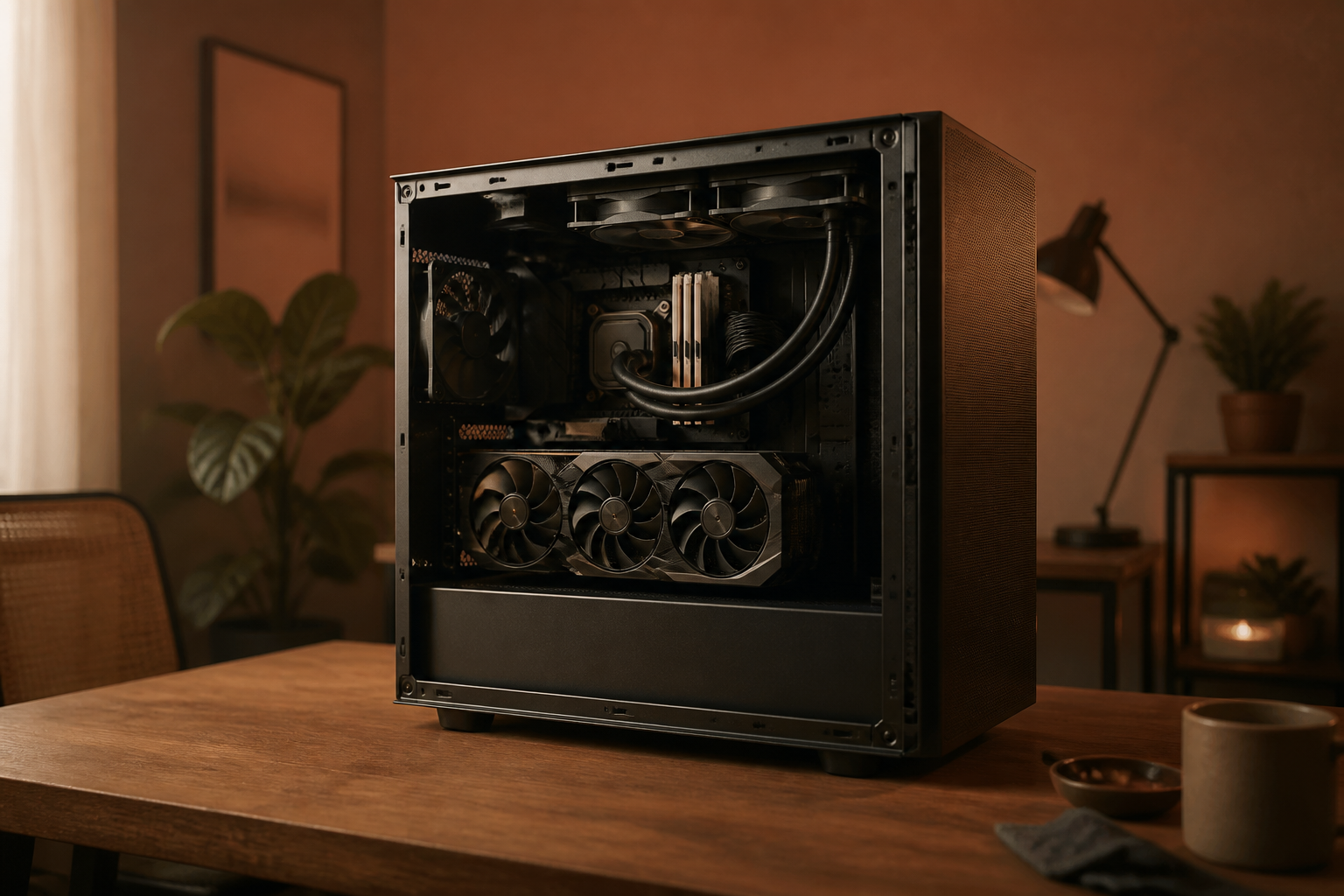
A public code repository containing model weights, custom inference kernels, LoRA fine tuning tools, and low memory streaming modes for LTX video models. It enables creators to run fast video generation locally on consumer graphics cards or scale across cloud infrastructure.
The Blend
App developer Lightricks has publicly released the source code and underlying weights for its LTX video generation technology on GitHub. The repository provides tools that allow creators to generate short video clips with synchronized sound directly on personal computers or cloud servers. It also includes specialized software features to fine-tune the system and lower the amount of hardware memory needed during operation.
This release matters because most top-tier media creation tools are held behind commercial paywalls or web subscriptions controlled by major technology companies. By opening up a model that builds both visuals and matching audio simultaneously, individual artists and developers gain the ability to experiment with visual effects offline without paying per-minute generation fees.
Running these systems at home still requires substantial hardware investment, as the model files alone demand approximately 66 gigabytes of storage along with a high-end graphics card. It is still unclear whether community-supported open models can match the continuous quality upgrades of massive proprietary cloud tools, or if local control will win over budget-conscious creators.
Written independently by AI News Smoothie from the reporting listed below. Facts belong to the original publishers. Follow the links for their full coverage.
Ingredients
- GitHub - Lightricks/LTX-2: Official Python inference and LoRA trainer package for the LTX-2 audio–video generative model. · GitHub
Lightricks published the open-source software and model files for LTX-2, enabling local generation of synchronized video and audio.