Scientific Research
6 stories in this blend
 Superintelligence·1d ago
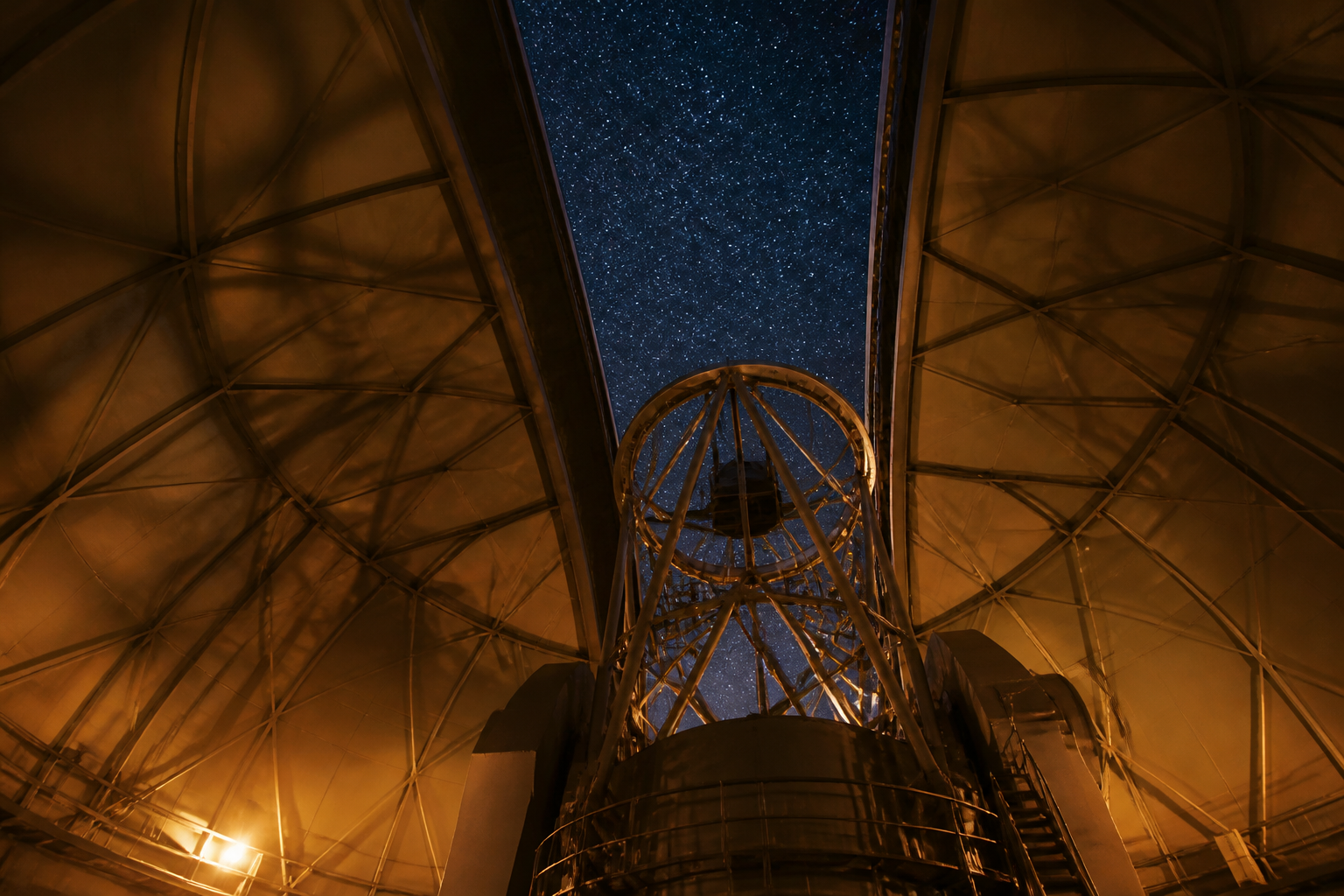
Claude Agents Complete Full Ultraviolet Map of the Sky
Astrophysicist Brice Ménard utilized AI agents running on Claude Science to map missing sections of the ultraviolet sky. The AI collected public survey datasets and predicted unmeasured areas based on visible, infrared, and radio data with high accuracy.
 AI Daily Brief·2d ago
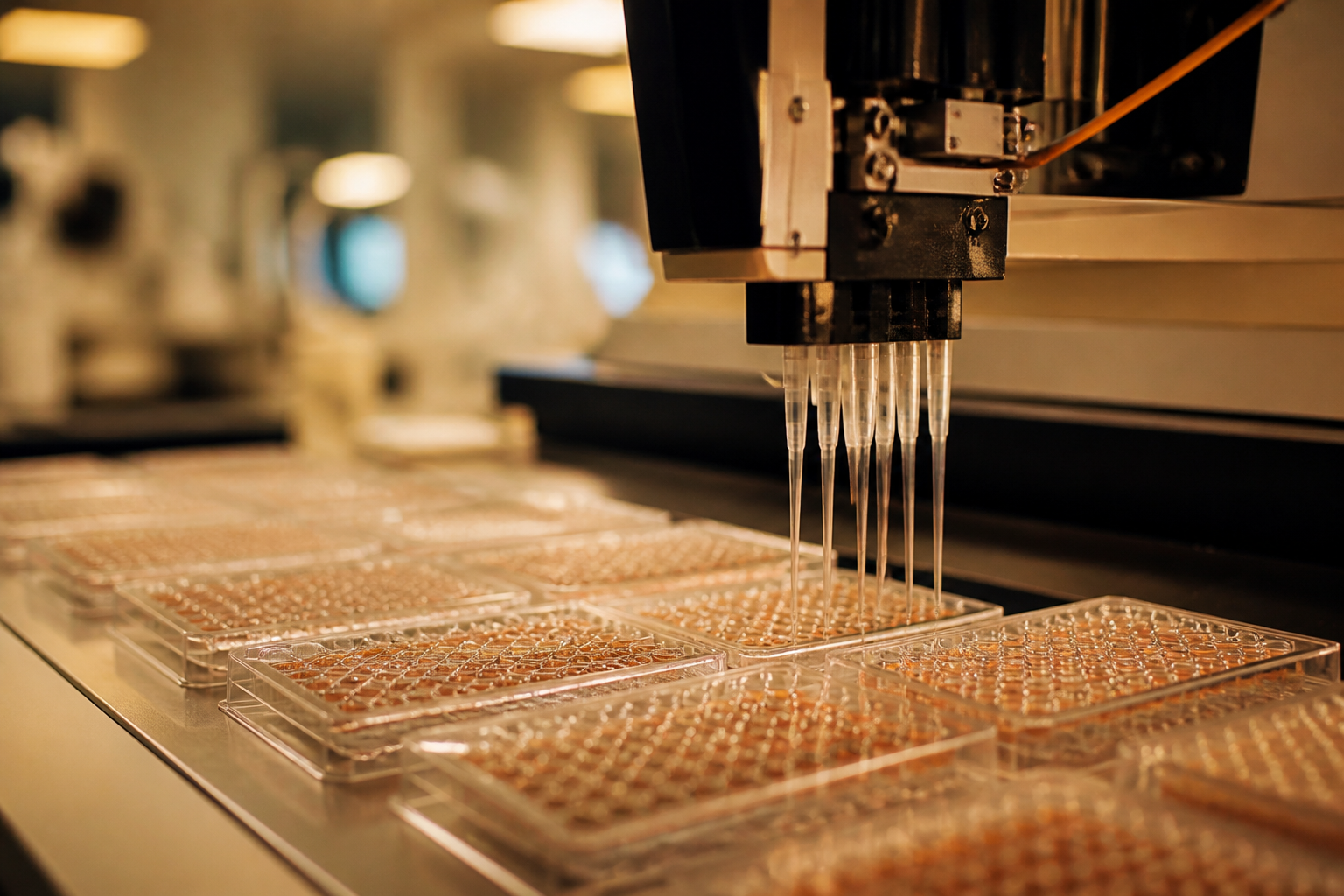
Public and Private Sector Launch Massive Cellular AI Mapping Initiative
Biohub has partnered with Google and federal agencies on a 1.8 billion dollar project to map cellular biology using artificial intelligence. The effort aims to enable virtual biological testing, accelerating scientific discovery by reducing the need for physical laboratory trials.
 Superhuman·3d ago
OpenAI Models Generate Hundreds of New Advanced Mathematics Manuscripts
OpenAI published over seven hundred draft papers tackling unsolved problems in theoretical physics, mathematics, and computer science created by an internal AI system. The announcement highlights AI's growing role in academic research while fueling debates over human authorship and research credit.
 Superhuman·Sep 24
Anthropic reports novel biological discovery made by automated AI agents
Anthropic announced that a swarm of nearly one thousand Claude instances identified a previously unknown enzyme structure resembling CRISPR after running continuously for nearly a full day. The company noted that additional laboratory research is required to evaluate what practical applications the biological system might offer.
 There's An AI For That·Sep 4
Deep learning algorithm discovers six structures near Earth's core
Researchers applying deep learning to historical seismic archives identified six unmapped geological structures deep near Earth's core. The machine learning model highlighted physical anomalies that human geophysicists had missed during manual reviews.
 Superintelligence·Aug 26
Economic Model Suggests Faster AI Writing Can Reduce Research Depth
A team of academic researchers developed a mathematical framework demonstrating how generative tools might negatively affect scientific output. When automated assistants reduce the time needed to draft papers, scholars tend to initiate more superficial projects rather than completing deeper analytical steps. The authors advocate directing automation toward complex experimentation rather than high speed content production.


