Scientific AI
2 stories in this blend
 There's An AI For That·Oct 8
Machine learning assists Nobel laureate in cosmic particle mapping
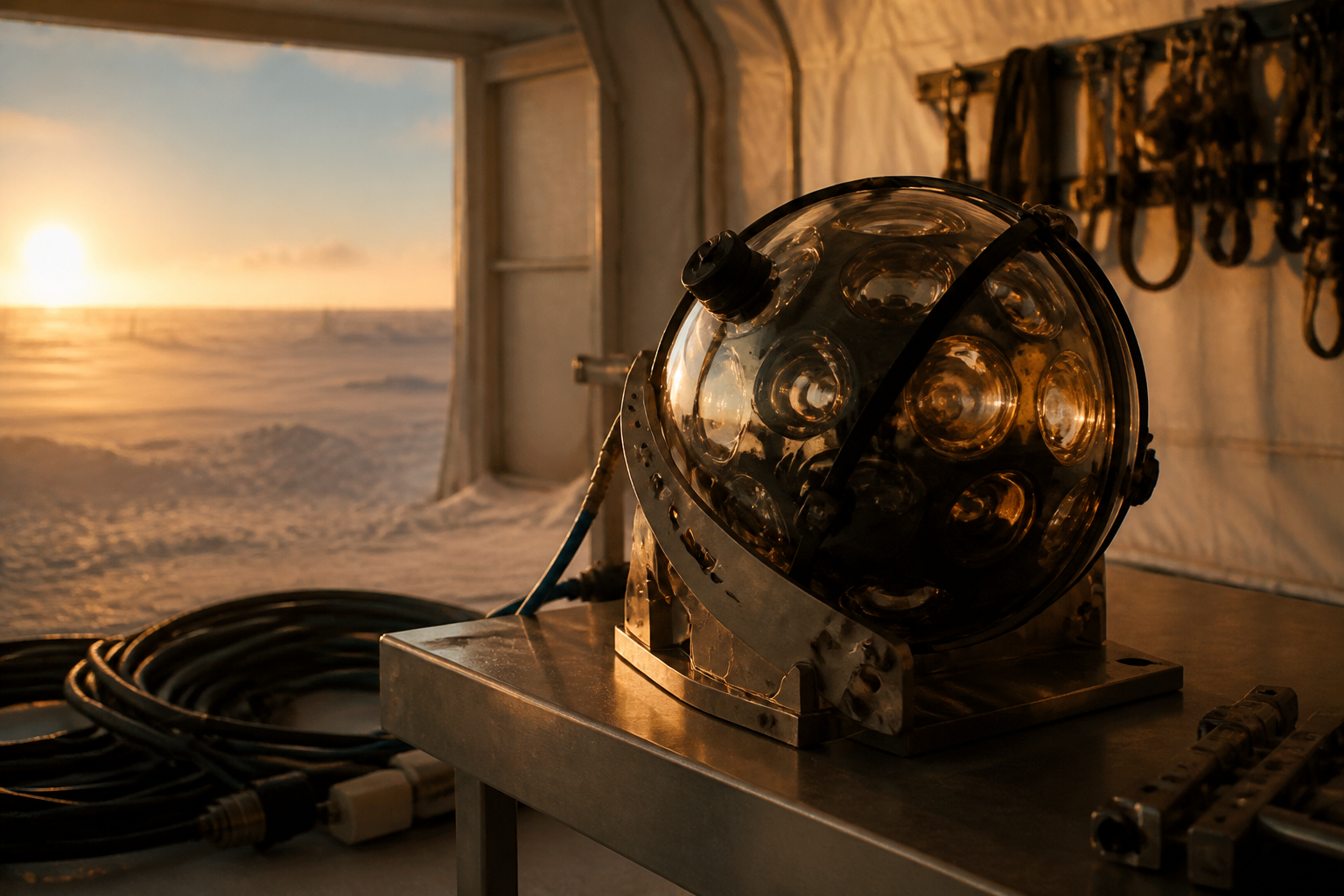
Physicist Francis Halzen used machine learning algorithms to identify subatomic cosmic particles recorded at the South Pole IceCube observatory. By interpreting obscure sensor flashes previously dismissed as visual noise, AI enabled scientists to construct the first neutrino map of the Milky Way galaxy.
 Superintelligence·Sep 25
Science Evaluation Reveals Performance Gap in Autonomous Research Tasks
A benchmark evaluating AI agents on seventy complex scientific problems found that only top systems completed more than half of their assignments without human help. Leading commercial models successfully resolved over sixty percent of tasks, while open source alternatives completed fewer than ten percent.
