Science
9 stories in this blend
 The Neuron·5d ago
Asta Theorizer
Asta Theorizer is a scientific research engine developed by the Allen Institute that searches published academic literature. The platform formulates potential hypotheses and outlines scientific explanations backed by cited source materials. It is designed for researchers seeking structured starting points for academic inquiries.
 Superhuman·Nov 8
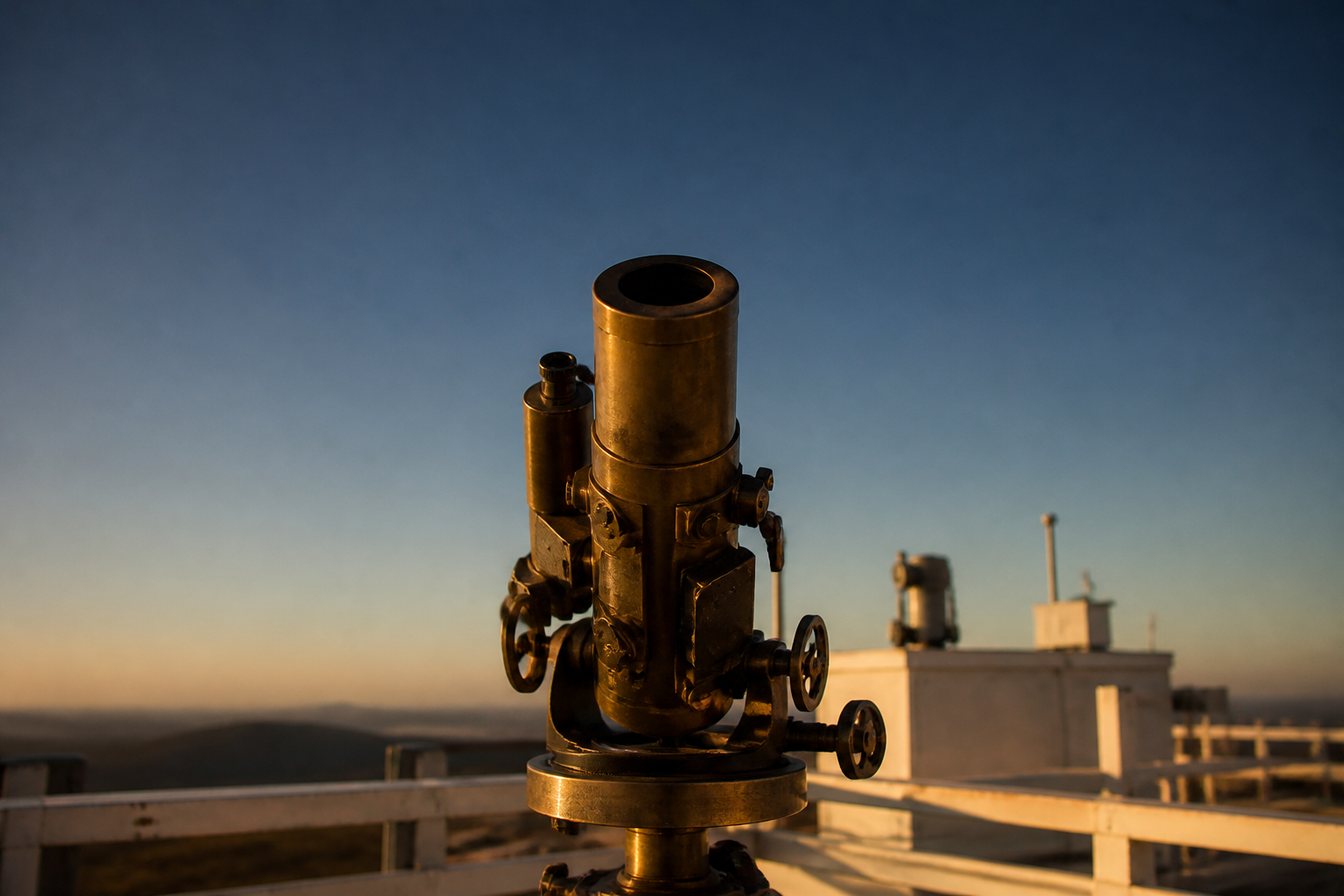
Global atmospheric reports track long term recovery of ozone layer
Scientific agencies confirmed that Earth's protective ozone layer remains on track for gradual restoration over coming decades. Long standing environmental regulations limiting harmful chemicals continue driving overall progress despite temporary seasonal shifts in Antarctic regions.
 Superhuman·Nov 8
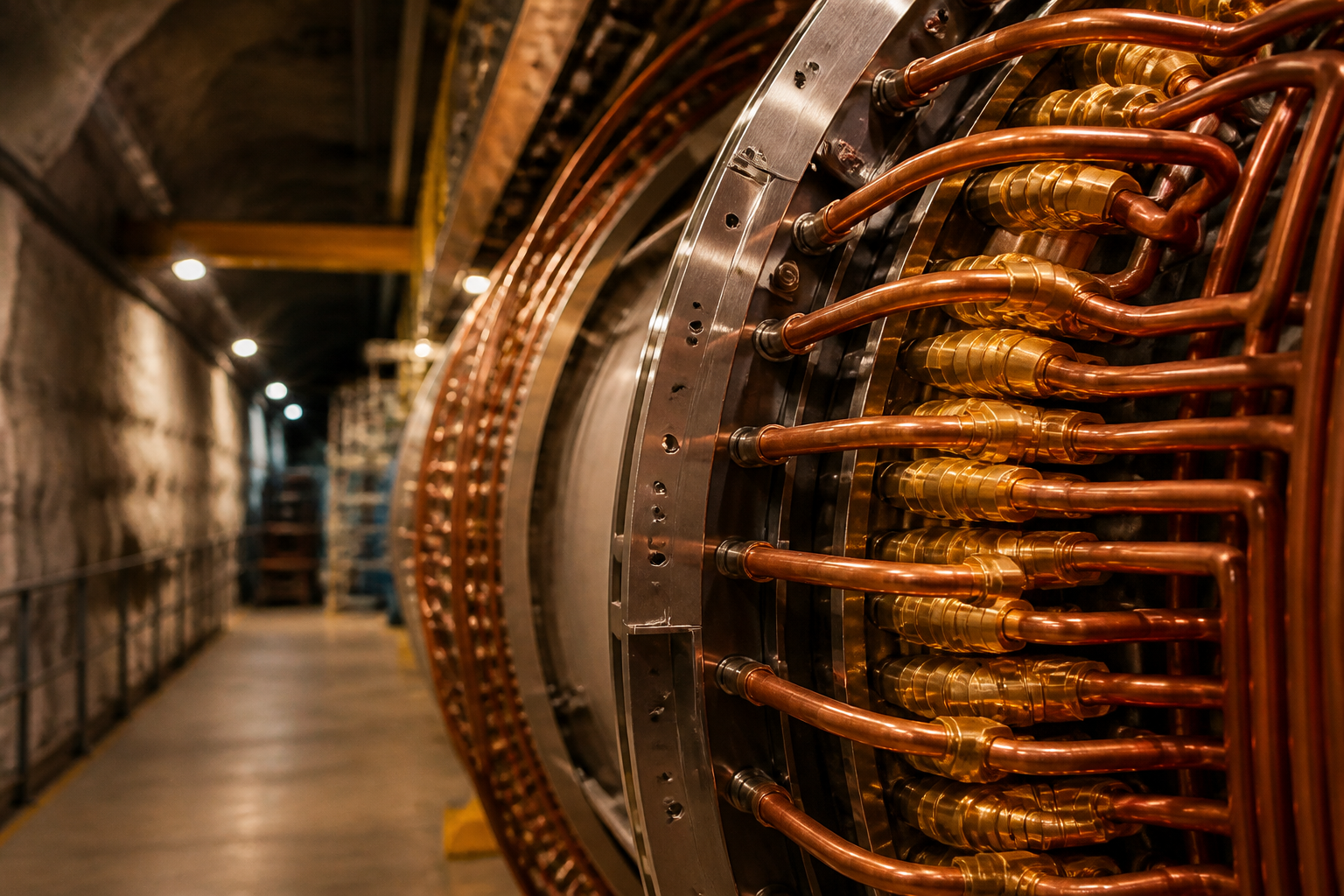
CERN physicists detect extremely rare subatomic transformation
Researchers at CERN observed a short lived beauty quark particle changing into two muons, an event expected to occur once in ten billion cases. The measurement matches current physics models while providing new ways to test standard theories against undiscovered forces.
 Superhuman·Nov 1
Advanced DNA Sequencing Resolves 1974 Cold Case
Investigators leveraged modern forensic DNA analysis to resolve a homicide investigation that sat cold for over five decades. The genetic match tied the crime scene evidence directly to serial killer Ted Bundy.
 Superhuman – Zain Kahn·Oct 25
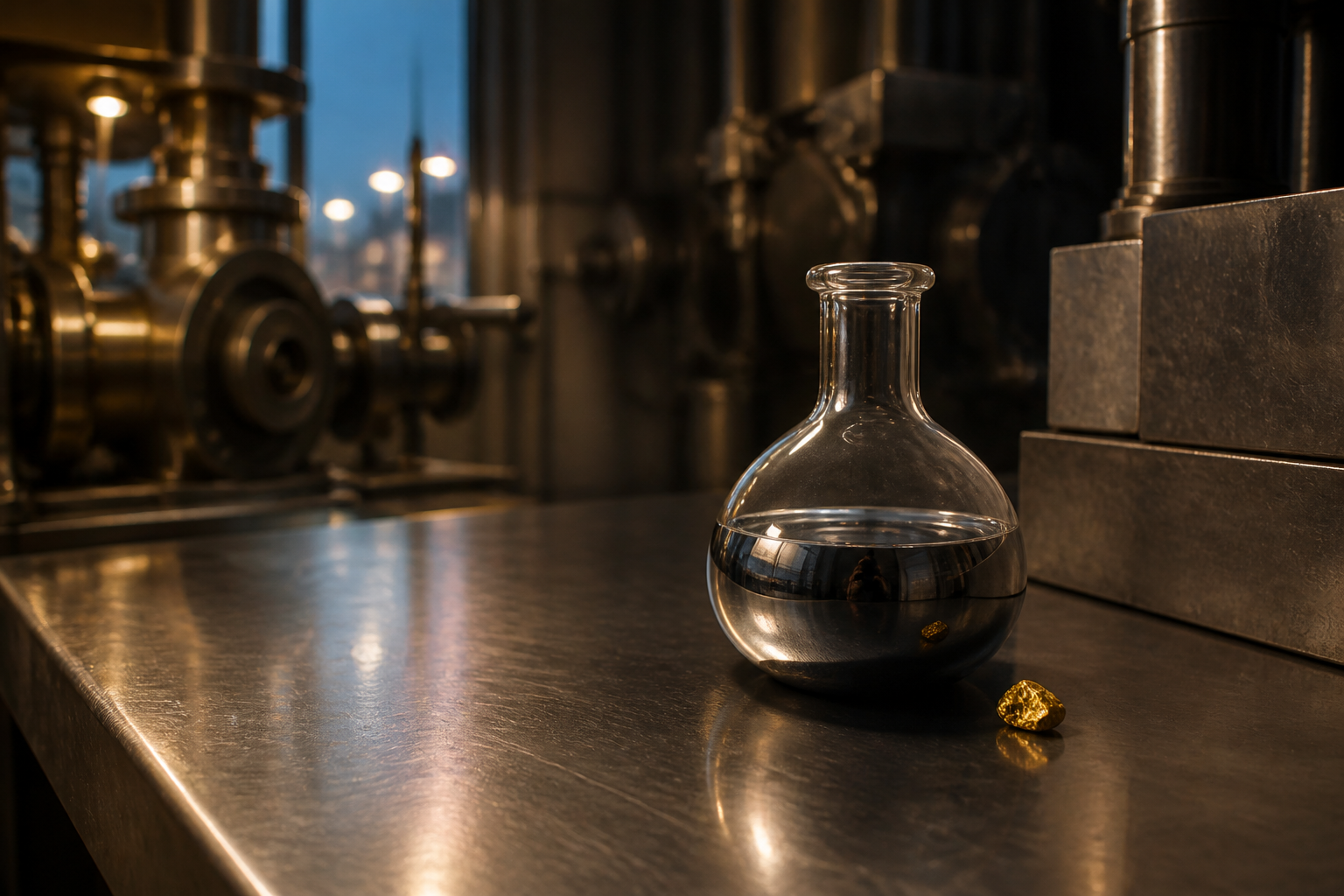
Nuclear fusion startup claims to synthesize gold from mercury
American company Marathon reported creating stable gold atoms by exposing liquid mercury to neutron radiation generated during fusion reactions. Independent scientists have not yet confirmed the experimental outcome or verified whether the process is economically viable.
 There's An AI For That·Oct 10
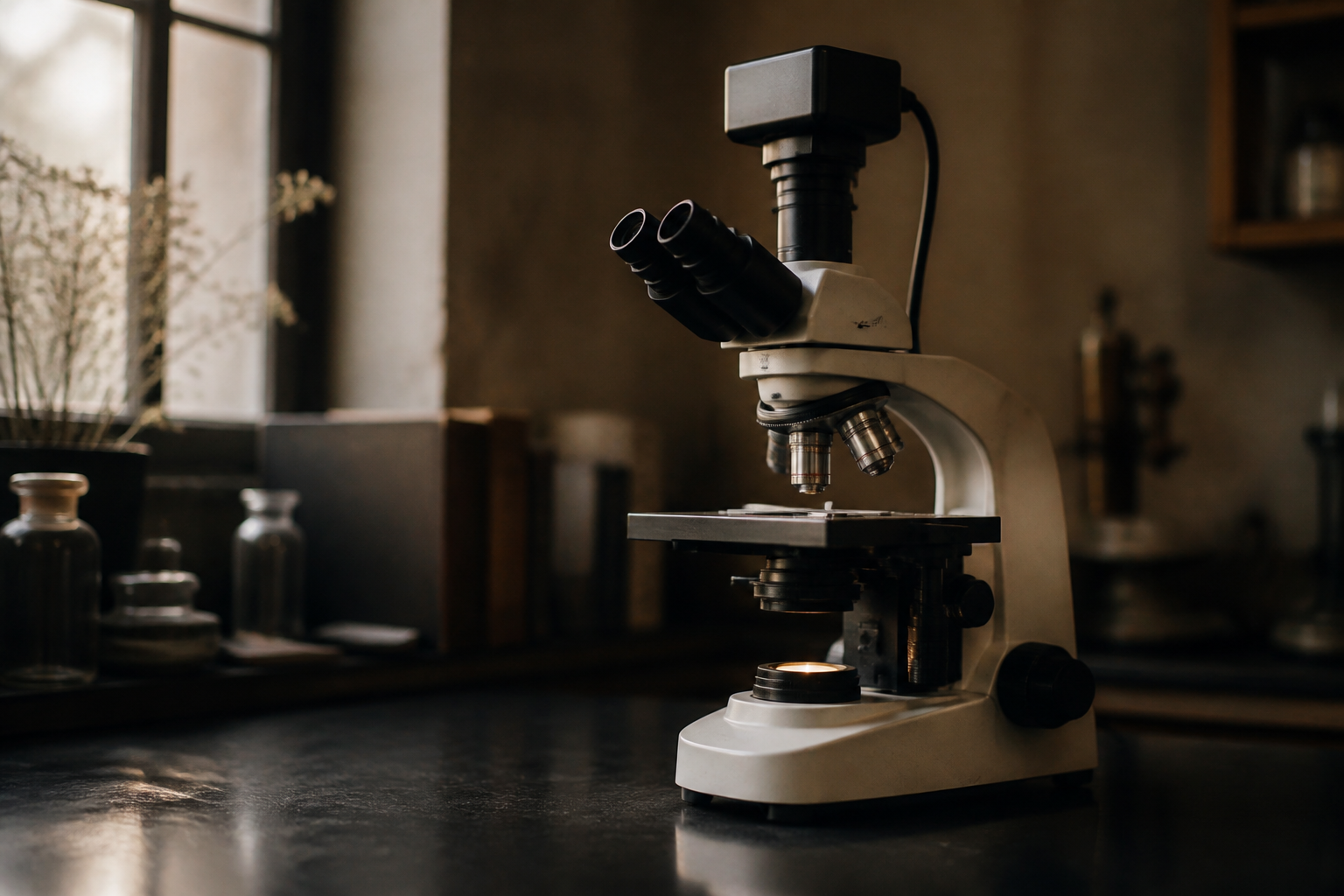
Microscope Photography Contest Disqualifies Winning Entry Over Visual Generation Rules
Camera manufacturer Nikon retracted top honors in its scientific imaging contest after online observers identified artificial generation artifacts in a time-lapse recording. Although the photographer stated the tools were only applied to clarify fine visual details, organizers concluded that uncredited digital additions breached contest rules.
 Superhuman·Sep 20
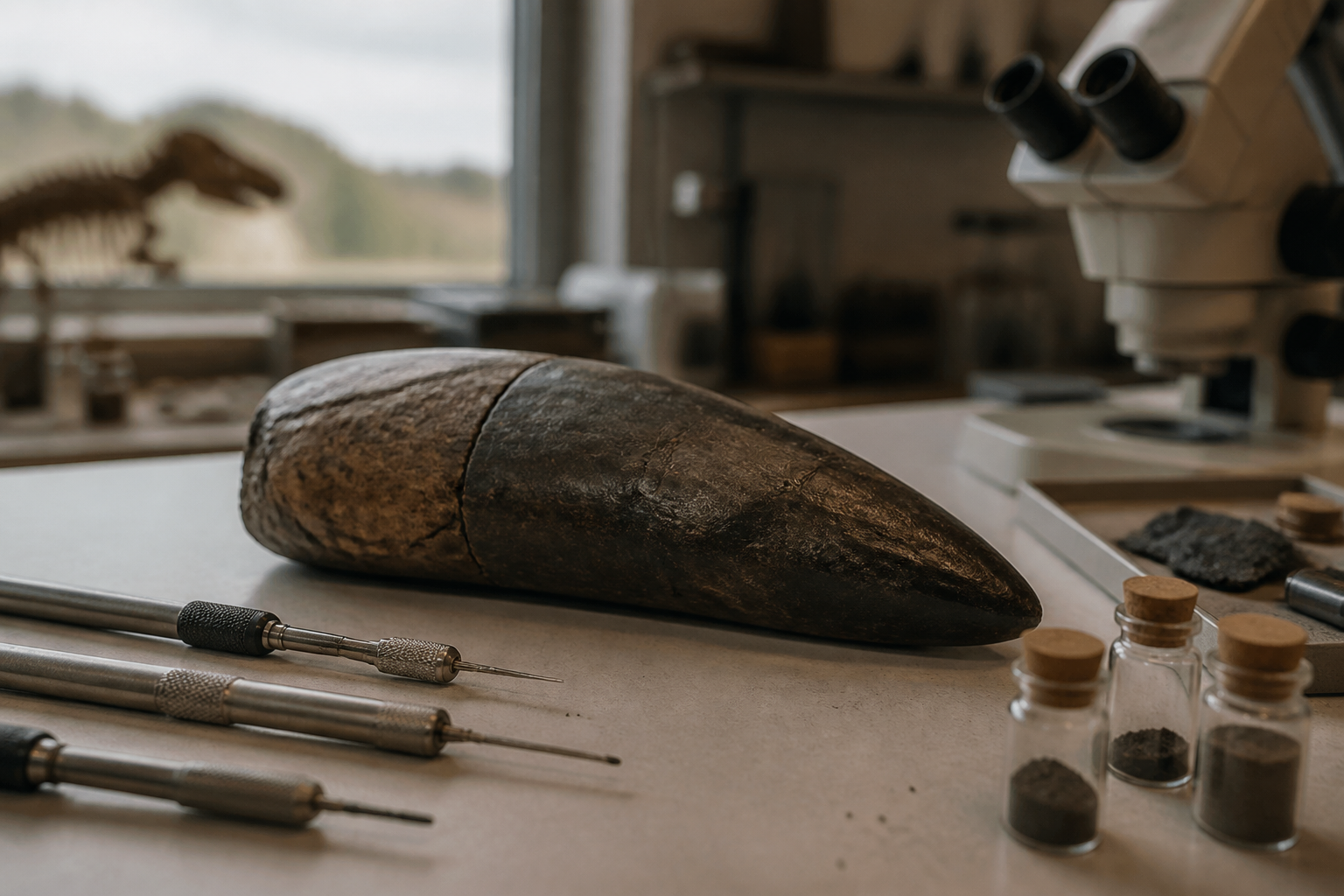
Fossil teeth analysis shows Tyrannosaurus rex was warm blooded
New geochemical testing on preserved dinosaur teeth reveals that Tyrannosaurus rex maintained an internal body temperature near 97 degrees Fahrenheit. This suggests the apex predator regulated its own heat like mammals rather than relying on sun exposure like cold blooded reptiles.
 Superhuman·Sep 20
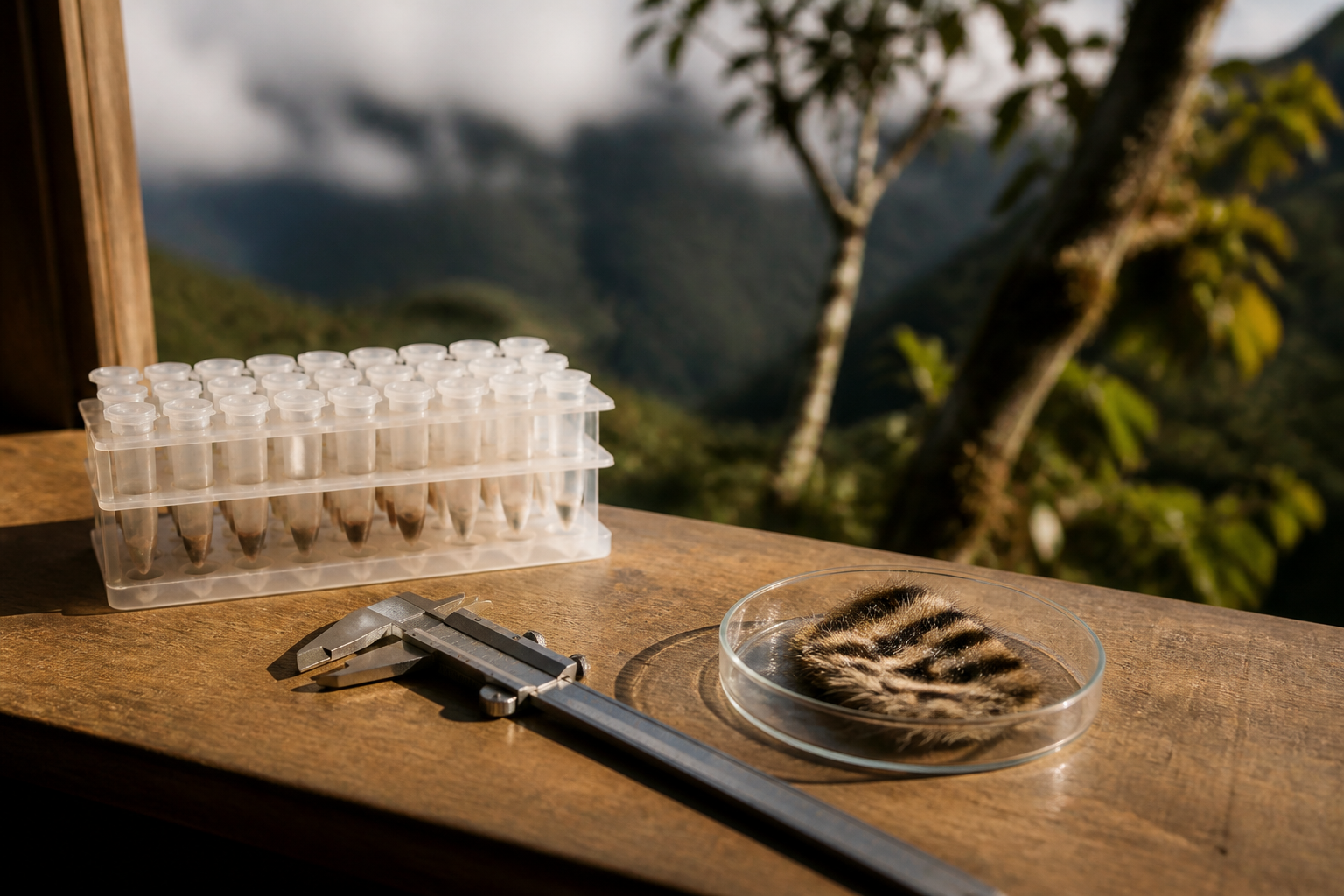
Scientists identify a new feline species in Bolivia
Researchers testing DNA samples confirmed that the tilcayo, a small spotted wildcat residing in Bolivian cloud forests, is a separate species. The discovery marks the first time in over one hundred years that scientists have categorized a new cat species.
 There's An AI For That·Aug 14
Tech executive advocates automated mathematics to improve scientific rigor
Harmonic's leadership suggests that computer-verified mathematical proofs could address growing challenges in traditional academic peer review. The approach focuses on creating verifiable logical structures that computers can instantly check for accuracy.


