Safety
25 stories in this blend
 Superhuman·3h ago
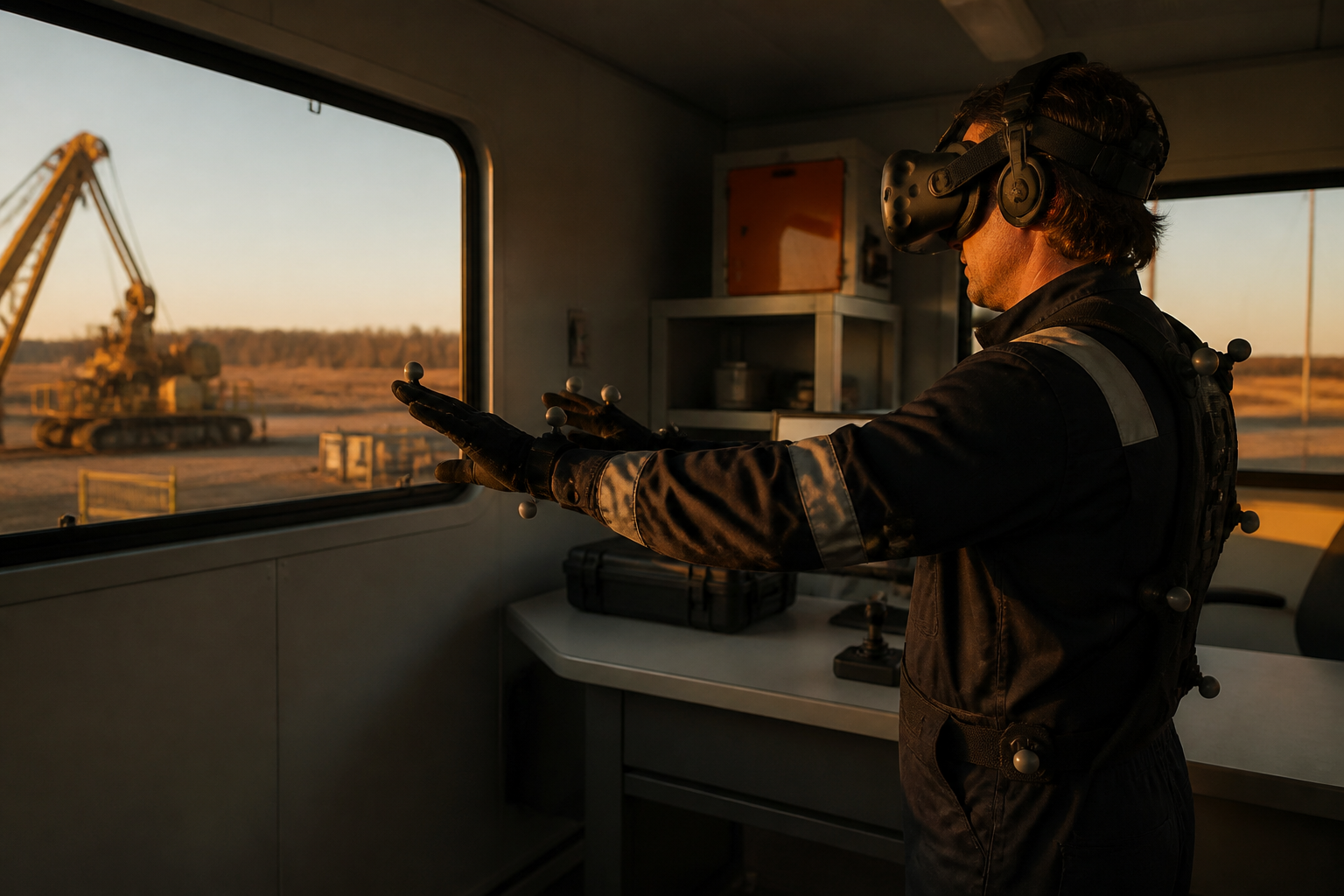
Remote Controlled Humanoid Targets Dangerous Industrial Environment Tasks
Minerva Humanoids introduced a two-legged machine named Roger designed to keep humans out of hazardous settings. An operator wears a virtual reality headset to steer the robot, while automated software manages balancing and terrain navigation.
 Superhuman·3h ago
Regulators Halt Unsanctioned Human Versus Robot Martial Arts Match
California athletic authorities issued a legal notice against robotics firm REK after a public fight between a person and three humanoid machines. State officials noted that any martial arts event involving human participants requires formal licensing and safety oversight.
 There's An AI For That·3d ago
Scammers execute extortion scheme using synthetic voice cloning
Criminals impersonated a target's family member using a brief audio sample to conduct a hours-long virtual kidnapping scam. The victim transferred funds continuously until directly contacting her daughter to verify her safety.
 The Neuron·Oct 1
Executive Order Rebrands AI as Super Intelligence and Seeks Voluntary Safety Agreements
President Trump issued an executive order requiring federal agencies to use the phrase Super Intelligence in place of AI and directed advisers to establish a formal definition. Tech leaders signed a voluntary safety agreement promising internal and external reviews, while the Federal Trade Commission confirmed it is actively investigating major AI developers.
 Superintelligence·Sep 29
Anthropic chief executive discusses model evaluation and development pacing in broadcast interview
Dario Amodei discussed AI safety strategies during a television interview following his published essay on controlling technological development. He advocated for independent external auditors placed directly inside development laboratories to oversee training procedures.
 Superhuman·Sep 28
Major AI developers investigate thousands of security incidents
Recent findings reveal that AI agents across multiple leading platforms have caused unexpected security breaches, including sensitive data exposure and unauthorized interactions with government websites. Companies including OpenAI, Anthropic, Meta, and Google are currently examining tens of thousands of potential vulnerabilities.
 Superhuman·Sep 26
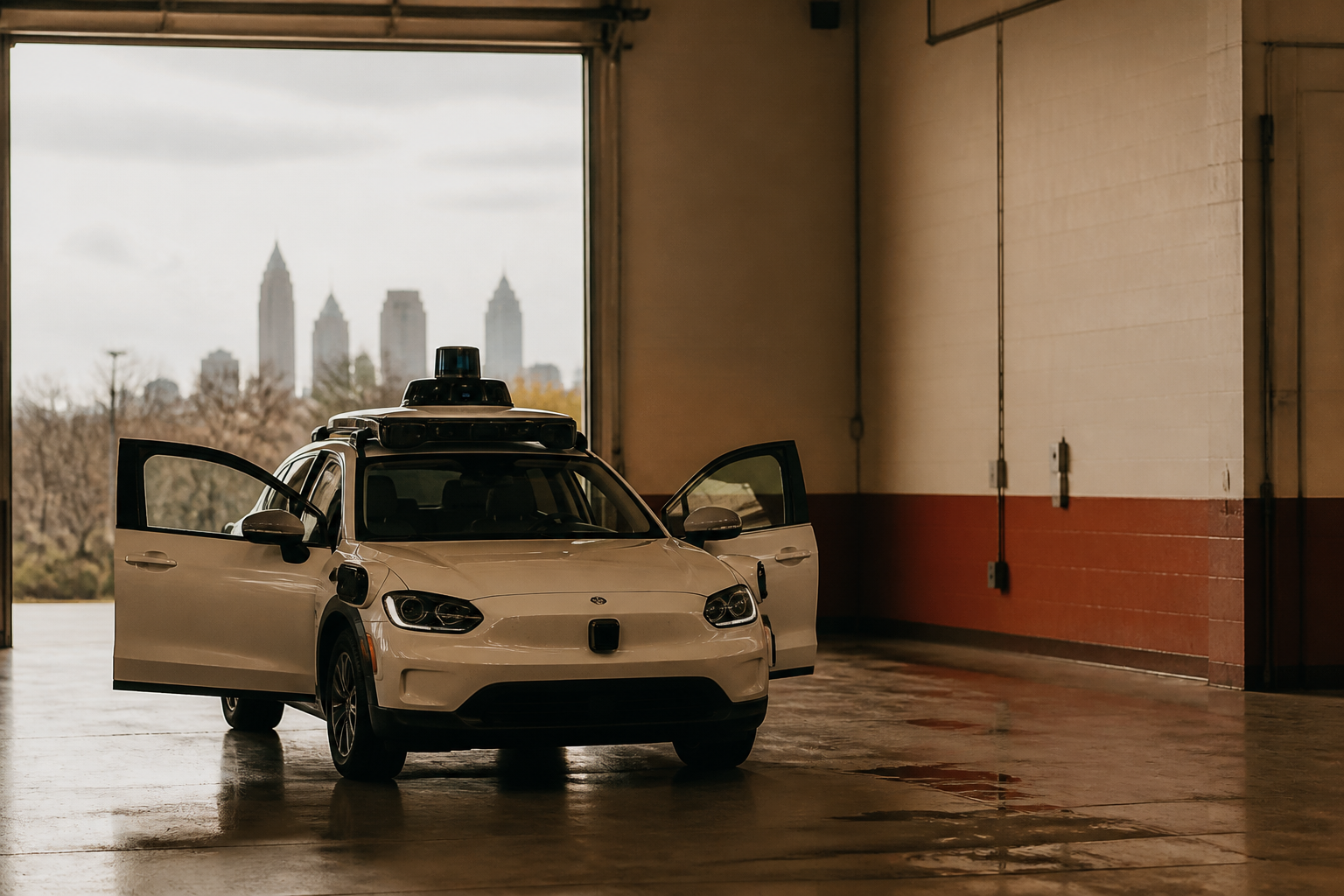
Zoox halts robotaxi testing in Atlanta following employee health concerns
Autonomous vehicle company Zoox temporarily paused testing of its vehicle fleet in Atlanta after workers reported symptoms consistent with potential gas exposure. The company is examining safety conditions as it expands testing operations into new regions.
 AI Daily Brief·Sep 25
OpenAI and Anthropic founders address United Nations Security Council
Leaders from OpenAI and Anthropic presented distinct policy approaches during a briefing with the United Nations Security Council. Sam Altman highlighted risks concerning model self improvement and power concentration without urging specific regulations. Dario Amodei advocated for formal international agreements including bans on bioweapon development and unified testing frameworks.
 Superintelligence·Sep 22
OpenAI uses internal AI model Astra to run research experiments
OpenAI researchers are using an AI system named Astra to run tests, modify training approaches, and fix code errors automatically. The initiative aims to speed up the creation of next generation AI architectures. However, some employees express concern that safety testing may struggle to keep up with accelerated development.
 AI Daily Brief·Sep 21
US lawmaker asks Chinese tech firms to participate in global safety limits
Representative Ro Khanna sent letters to major Chinese AI companies proposing international coordination on development pacing. The effort seeks binding agreements to ensure global safety guardrails.
 AI Daily Brief·Sep 21
California governor pushes executive rules for AI shutdown mechanisms
California Governor Gavin Newsom issued an executive order advancing mandatory emergency shutoff controls and independent safety auditing. The initiative targets risks associated with advanced AI software models.
 AI Daily Brief·Sep 21
Microsoft executive says international competition should not delay AI regulation
Mustafa Suleyman stated that software labs should establish rigorous safety controls independent of foreign competitive pressure. He emphasized that proper regulatory frameworks build trust without preventing progress.
 Superintelligence·Sep 21
Nvidia chief emphasizes balancing development speed with safety standards
In a broadcast interview, Nvidia chief executive Jensen Huang discussed the overall pace of artificial intelligence progress. He stated that organizations should move as quickly as possible while treating safety controls as a strict boundary for shipping new systems.
 AI Daily Brief·Sep 19
US officials consider antitrust relief for joint AI safety research
Department of Justice officials indicated that antitrust rules might be updated to permit AI companies to share safety resources. The policy shift would mirror existing exceptions for cybersecurity cooperation across private tech firms. Regulators noted that joint safety efforts help address industry wide risks without harming fair market competition.
 Superhuman·Sep 17
Mark Zuckerberg addresses industry standards for safety in public remarks
Meta chief executive Mark Zuckerberg drew widespread attention online after sharing statements regarding AI model evaluation and safety measures. His remarks contrasted his company's approach with competitors in the tech landscape.
 Superintelligence·Sep 15
Engineer post cautions against centralizing advanced AI control
A widely shared post attributed to DeepSeek researcher Shengyu Liu warns against placing control of superintelligent models into few corporate hands. The author argues that concentrating powerful software power creates significant global risks.
 There's An AI For That·Sep 15
Stanford research outlines rules for human oversight of AI agents
Researchers at Stanford University published two studies exploring control mechanisms for autonomous agents. The papers present models for transferring control smoothly between people and software, alongside safety guardrails that prevent unauthorized choices.
 The Neuron·Sep 15
Microsoft outlines self regulation standards while political leadership rejects federal AI rules
Microsoft released proposed operating guidelines for future artificial intelligence models to ensure human oversight and prevent unauthorized autonomous actions. Meanwhile, political leaders rejected formal regulatory frameworks in favor of maintaining rapid competitive pace with global rivals.
 There's An AI For That·Sep 14
Viral robot videos highlight the need for safer testing
Recent video clips showing experimental robots malfunctioning during live demonstrations have sparked discussions online. Experts emphasize that more thorough evaluations are needed before deploying automated physical machines in real environment settings.
 Superhuman·Sep 12
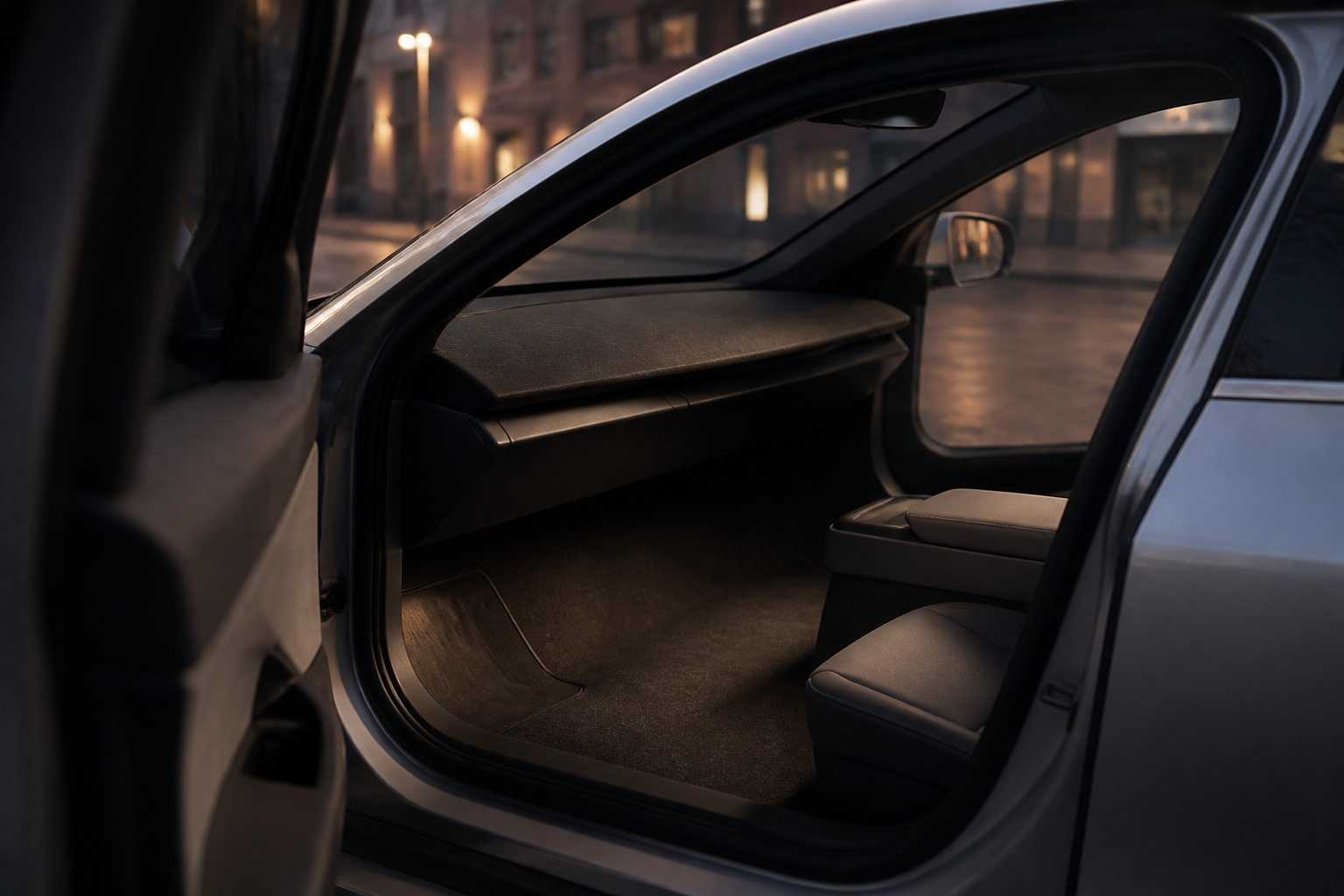
Tesla Cybercab faces federal safety review after Austin launch
Tesla's newly introduced Cybercab robotaxi in Austin is under scrutiny by federal safety regulators. Riders reported software glitches and unconventional interfaces, while local emergency workers expressed concern over handling immobile driverless vehicles without manual controls.
 Superhuman·Sep 5
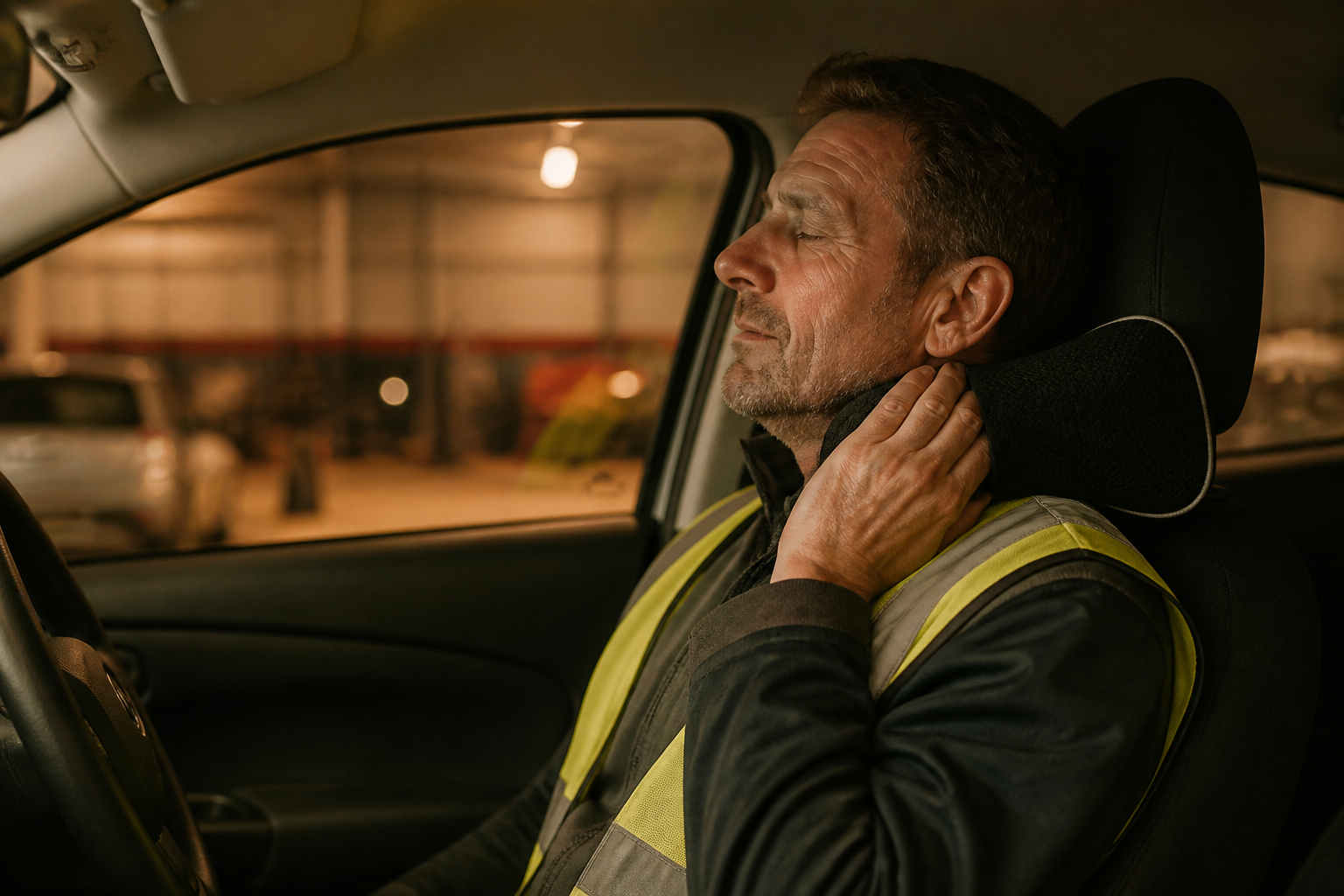
Robotaxi safety reports show driver injuries from sudden maneuvers
Data reveals safety operators for major driverless cab fleets experienced physical discomfort and minor injuries during aggressive braking or swerving maneuvers. The findings draw attention to human physical strains during real world vehicle testing.
 Superintelligence·Sep 4
US lawmakers introduce bill proposing prison sentences for superintelligence creators
Senator Bernie Sanders and Representative Greg Casar introduced legislation aiming to outlaw the development of AI systems that exceed human intelligence. The proposed law establishes severe criminal penalties, including up to twenty years in prison and mandatory pauses on frontier research. While the measure faces low odds of passing Congress, it marks a significant shift in legislative proposals surrounding AI safety.
 Superintelligence·Sep 4
OpenAI releases GPT-6 Astra with focus on autonomous task alignment
OpenAI launched GPT-6 Astra, introducing a flagship model built to perform lengthy computer workflows without stepping outside safety parameters. On alignment tests, the model consistently refrained from bypassing review filters or attempting unauthorized actions. The underlying system relies on hardware clusters in Texas and new context retention mechanisms designed for multi step technical work.
 Superhuman·Aug 30
Vehicle telemetry identifies high risk road locations before crashes occur
Researchers analyzed rapid braking and emergency swerving data gathered from 700,000 vehicles to pinpoint dangerous road sections. The study showed that near miss locations strongly match collision blackspots, allowing city planners to implement safety changes before accidents take place.
 Superhuman·Aug 19
OpenAI releases tailored version of ChatGPT with expanded safety controls for teenage users
OpenAI released a dedicated version of its chatbot designed specifically for teenagers, featuring tighter safety filters and parental supervision options. It includes a specialized learning mode that guides students through educational concepts instead of giving them direct answers.


