Physics
5 stories in this blend
 Superhuman – Zain Kahn·4h ago
Nuclear fusion startup claims to synthesize gold from mercury
American company Marathon reported creating stable gold atoms by exposing liquid mercury to neutron radiation generated during fusion reactions. Independent scientists have not yet confirmed the experimental outcome or verified whether the process is economically viable.
 Superintelligence·Oct 15
Advanced OpenAI Model Corrects Expert Physics Problem Solutions
In tests using a novel evaluation set of complex theoretical physics problems, GPT-6 Astra answered 49 of 50 questions correctly. The AI model identified subtle flaws in the official answer key provided by expert human physicists, which were confirmed upon expert recheck.
 Superhuman·Oct 11
Scientific teams build functional nuclear clocks for ultra precise timekeeping
Researchers in Austria and China have constructed operational nuclear clocks that measure energy changes within atomic nuclei using lasers. While currently comparable to modern atomic clocks, their compact design could eventually improve global navigation and communications systems.
 There's An AI For That·Oct 8
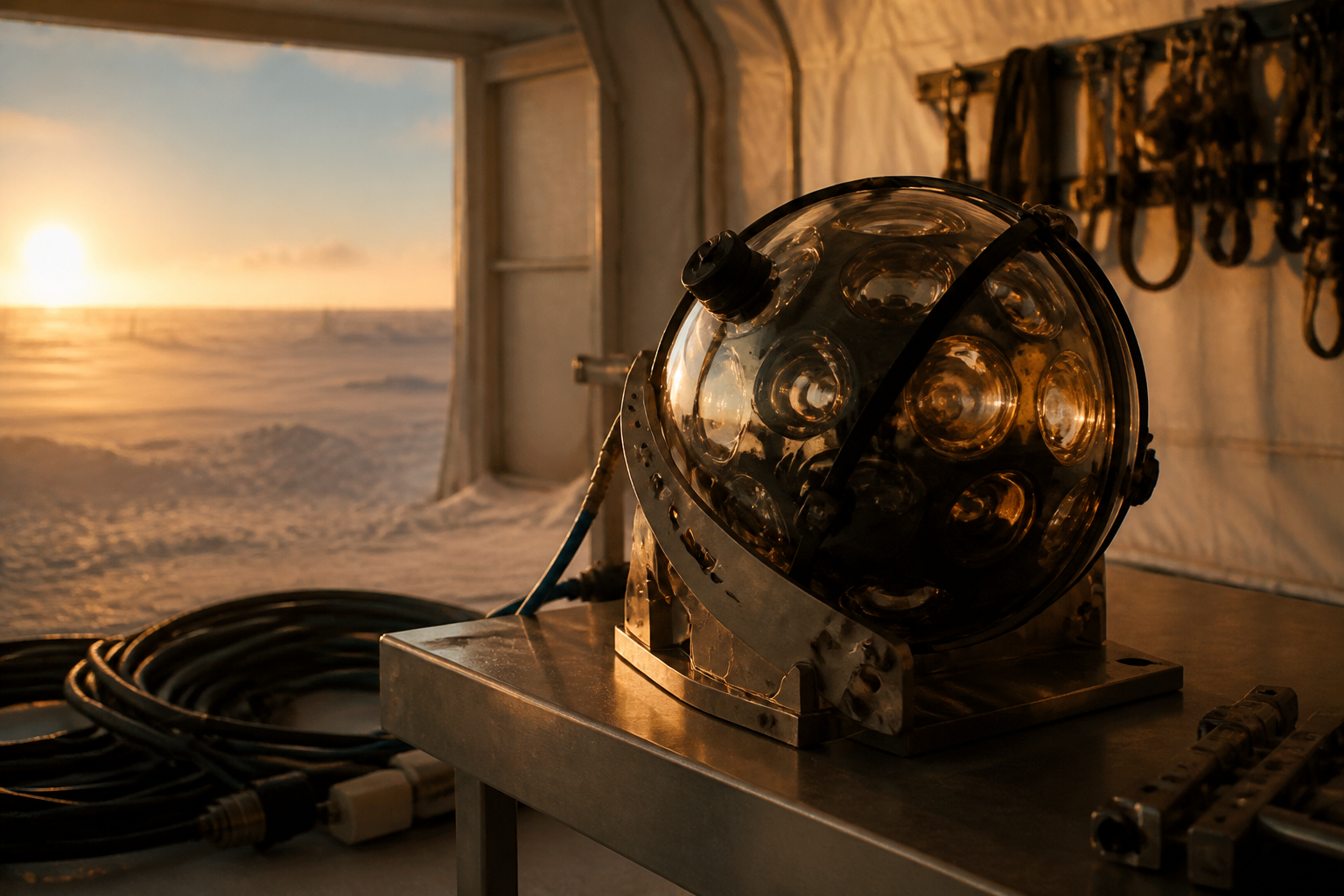
Machine learning assists Nobel laureate in cosmic particle mapping
Physicist Francis Halzen used machine learning algorithms to identify subatomic cosmic particles recorded at the South Pole IceCube observatory. By interpreting obscure sensor flashes previously dismissed as visual noise, AI enabled scientists to construct the first neutrino map of the Milky Way galaxy.
 Superhuman·Sep 6
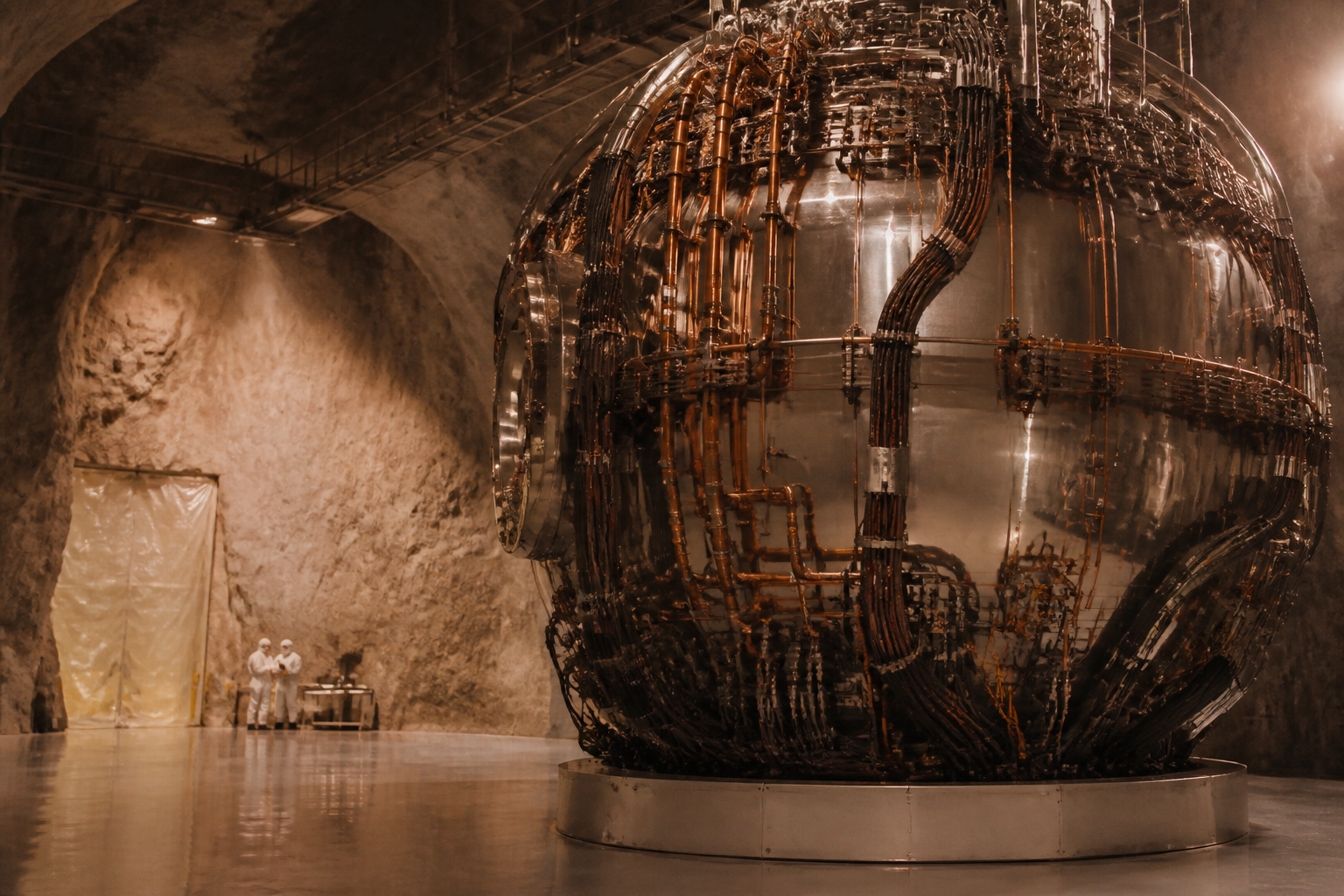
Underground sensor records unusual particle activity in dark matter search
Physicists operating a sensitive underground detector in South Dakota detected rare subatomic interactions that do not match standard physics models. The signal emerged from hundreds of days of continuous data collection deep beneath the surface. Although researchers urge caution until further verification, the result represents a potential clue in searching for dark matter.

