Nvidia
16 stories in this blend
 The Neuron·2h ago
Nvidia suspends AI server deliveries to Southeast Asian destinations
Nvidia instructed distribution partners to hold back high-end AI server hardware destined for Malaysia, Singapore, Thailand, and Indonesia. The decision follows tighter trade guidelines introduced by the United States government to monitor international distribution channels. Regulators remain focused on preventing advanced computing gear from being redirected into restricted regions.
 Superhuman·Nov 20
Nvidia board confirms former CEO Jensen Huang will not be reinstated
An online petition supporting Jensen Huang gathered more than 200,000 signatures from the tech community, but the corporate board reaffirmed that he will not return to lead the firm. Leadership cited multiple ongoing internal inquiries as the primary reason for maintaining their stance. The decision leaves the chipmaker focused on navigating corporate governance challenges amid persistent executive scrutiny.
 AI Daily Brief·Nov 18
Sam Altman Expresses Confidence in AI Sector Stability
Sam Altman stated that expanding customer demand and growing revenues will allow the tech industry to perform well regardless of shifts at Nvidia. While analysts caution that reduced financial guarantees could hurt smaller specialized cloud providers, interim leadership is expected to curb large financial backstops.
 AI Daily Brief·Nov 18
White House Plans National Champion Designation for AI Firms
The administration intends to designate several prominent technology firms as national champions to accelerate their international growth. Companies such as Nvidia, Microsoft, Amazon, OpenAI, and Anthropic will benefit from faster export licensing and access to federal financial support.
 AI Daily Brief·Nov 16
Tech Figures Rally for Jensen Huang as Nvidia Investigation Expands
Silicon Valley investors and former employees are campaigning for Jensen Huang to regain leadership of Nvidia following his exit. The push comes while government officials investigate how restricted microchips were routed into foreign hands through intermediary networks.
 Superhuman·Nov 16
Public campaign petitions Nvidia to reinstate former CEO Jensen Huang
More than 160,000 supporters have signed an open letter asking Nvidia's board of directors to restore Jensen Huang to his role as chief executive. High profile business figures including Elon Musk and Travis Kalanick have backed the initiative. The petition demands full transparency regarding the internal investigation that led to his exit.
 AI Daily Brief·Nov 13
Former Nvidia Chief Executive Agrees to Congressional Hearing
Ex-Nvidia chief executive Jensen Huang will testify under oath before members of Congress in a closed-door session. Lawmakers intend to question him about foreign intermediaries obtaining unauthorized access to high performance computing processors.
 The Neuron·Nov 13
Nvidia chief executive Jensen Huang steps down after 33 years
Jensen Huang has resigned from his role as chief executive and board member at Nvidia following personal disclosures and an independent board investigation regarding foreign intelligence contacts. Chief Financial Officer Colette Kress has stepped in as interim chief executive while the board searches for a permanent successor. The sudden leadership shift comes right before quarterly financial earnings, raising questions about short term executive stability.
 AI Daily Brief·Oct 30
US Regulators Expand Antitrust Scrutiny into Nvidia Transactions
The United States Department of Justice is evaluating whether Nvidia's planned acquisition of Hugging Face creates unfair market dominance over model distribution. The inquiry is part of an expanding antitrust investigation covering Nvidia's past corporate purchases, venture startup funding, and sales practices.
 Superintelligence·Oct 21
Chinese Tech Firms Place Massive Orders for Compliant Nvidia Processors
ByteDance, Alibaba, and Tencent have placed orders for more than 3 million RTX PRO 5500 graphics processing units from Nvidia. Because of severe supply constraints and prioritized production for future microchips, Nvidia expects to fulfill only a fraction of these requests.
 Superintelligence·Oct 16
Nvidia Introduces Multimodal Open Model Nemotron 3.5 Super VL
Nvidia has launched a 120-billion parameter vision-language model designed to process images, documents, and videos alongside text inputs. The release includes downloadable weights and training recipes, allowing developers to inspect and adapt it for AI coding agents.
 The Neuron·Oct 14
Nvidia Announces Two Billion Euros in European Artificial Intelligence Deals
Nvidia plans to roll out significant new investments across Europe totaling approximately two billion euros over the coming week. The effort builds on eight billion dollars the company invested in European technology infrastructure over the past year.
 AI Daily Brief·Sep 12
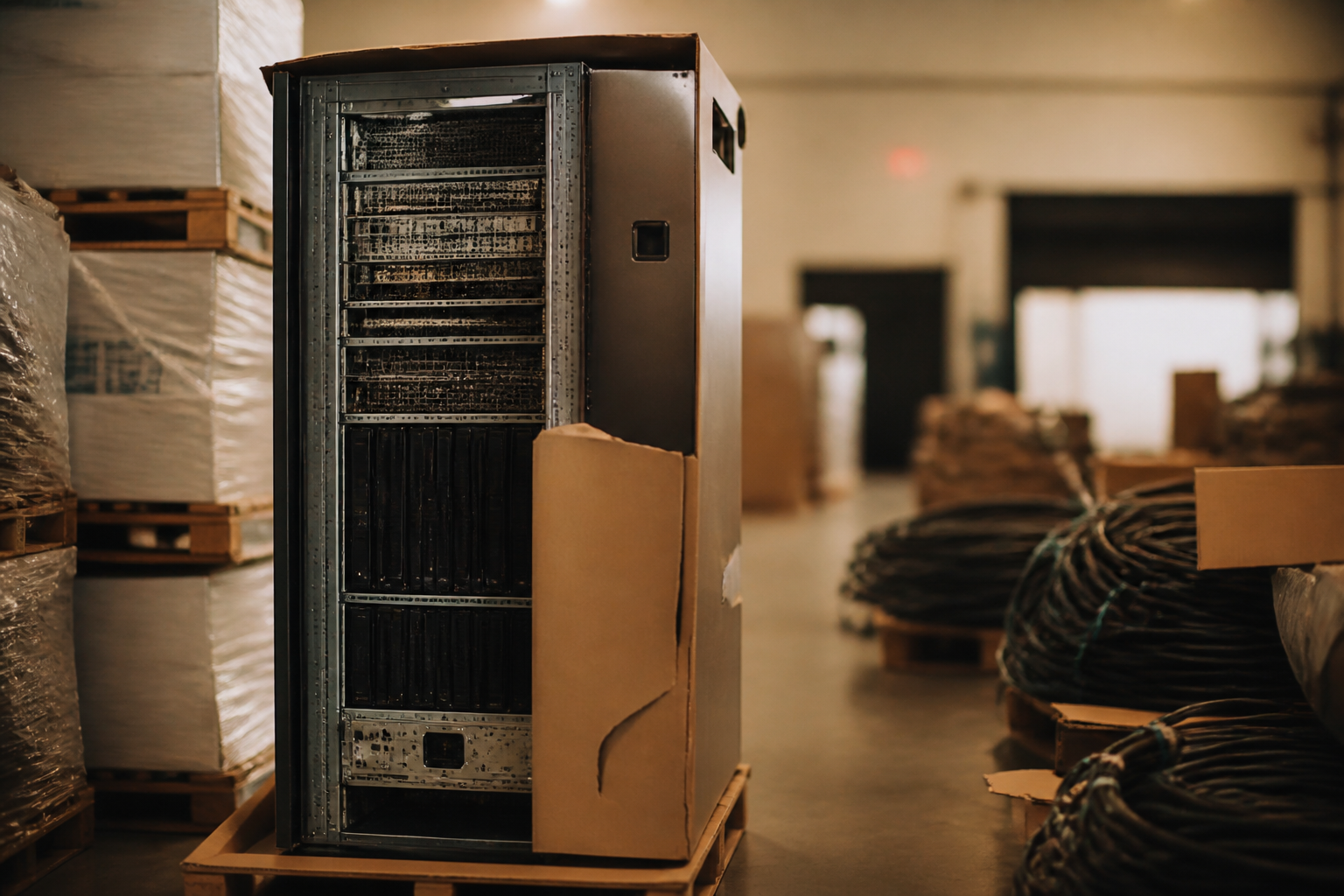
Nvidia Chief Executive projects continued 70 percent growth rate
Jensen Huang stated that sales of server racks and hardware systems continue to grow rapidly month over month. He emphasized that overall financial growth remains limited by supply chain availability rather than market demand.
 Superhuman – Zain Kahn·Sep 3
Competition intensifies against Nvidia in the AI accelerator sector
Major tech companies, specialized startups, and international competitors are accelerating efforts to challenge Nvidia's dominance in hardware processing. Emerging chip builders argue that specialized designs can lower energy demands and operating costs compared to general purpose graphics processors.
 AI Daily Brief·Aug 26
Nine people charged in Taiwan over hardware smuggling scheme
Authorities in Taiwan filed criminal charges against nine individuals for illegally exporting advanced Nvidia server hardware to customers in China. The group included employees linked to Nvidia distribution networks and hardware manufacturer Supermicro. Law enforcement intercepted dozens of servers, though dozens were successfully sent overseas prior to the arrests.
 AI Daily Brief·Aug 26
Taiwanese authorities charge group accused of shipping advanced chips to China
Taiwanese prosecutors have indicted nine people for allegedly smuggling high-end Nvidia Blackwell processor systems to Chinese entities. The suspect list includes an employee from an Nvidia distributor along with workers from server supplier Supermicro. Officials managed to block part of the shipment, though dozens of server racks were reportedly exported before intervention.

