Medicine
10 stories in this blend
 Superhuman·4d ago
Nolla Health begins clinical testing of fully autonomous medical artificial intelligence
Digital health platform Nolla Health has secured approval to conduct a trial where artificial intelligence handles full patient care cycles. Operating initially in Utah for dermatology, the system diagnoses conditions and orders treatments while human physicians remain on standby.
 Superhuman·6d ago
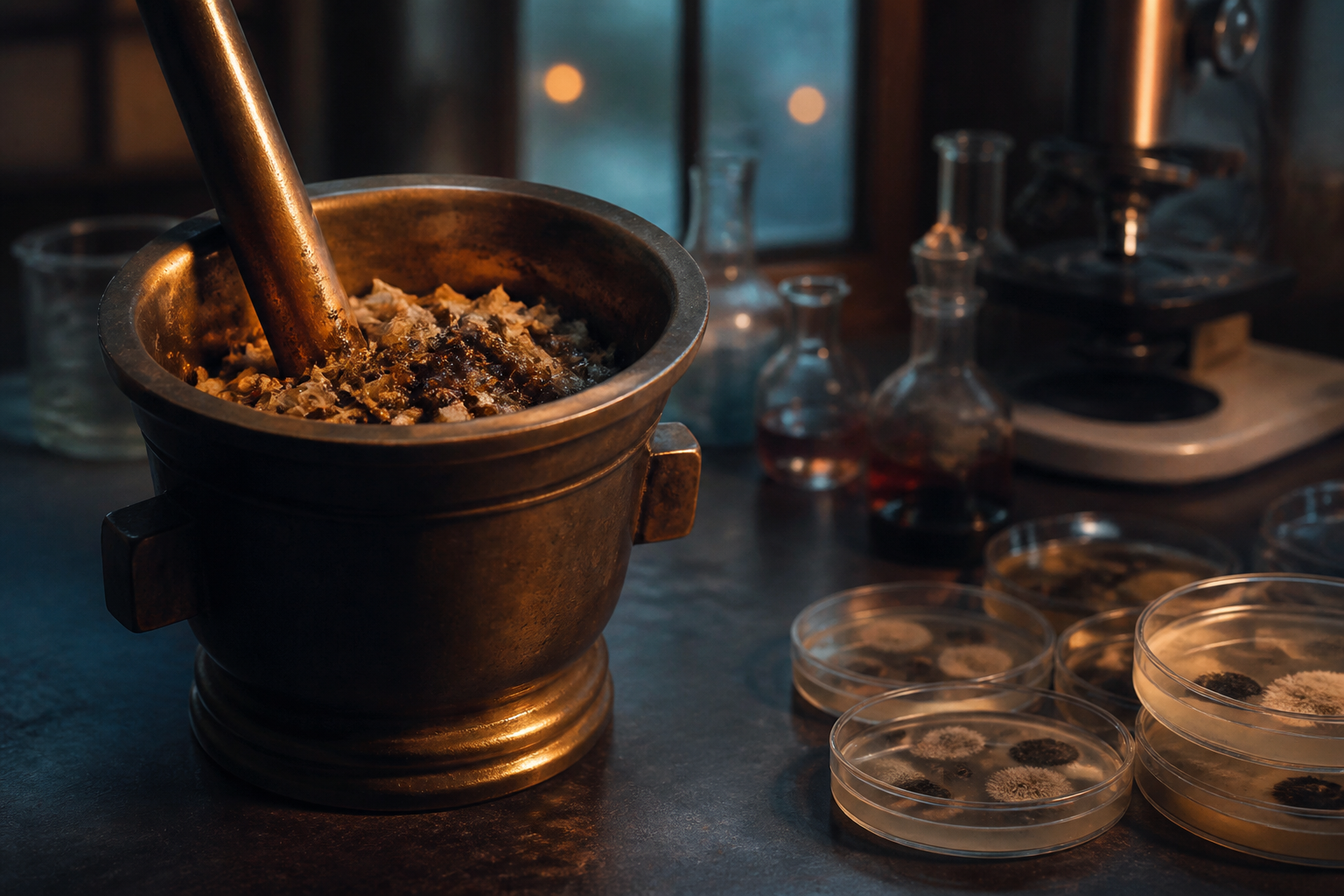
Medieval Recipe Inspires New Drug Resistance Strategies
Laboratory testing of a tenth century eye salve revealed that its natural ingredients disrupt bacterial membranes and biofilm defenses. Bacteria resisted adapting to the ancient mix longer than modern treatments, prompting researchers to study its components for new antibacterial formulations.
 Superhuman·Sep 27
Medical researchers advance techniques for diagnosing CTE in living patients
Scientists are evaluating specialized brain imaging and blood biomarker tests to identify chronic traumatic encephalopathy before death occurs. Establishing non invasive diagnostic tools could accelerate clinical trials for early intervention therapies.
 Superhuman·Sep 13
FDA approves targeted therapy for type 1 narcolepsy
The FDA has authorized Orzeyful, a medication that mimics the missing neurochemical orexin in patients with type 1 narcolepsy. Late stage clinical trials showed significant improvements in maintaining daytime wakefulness compared to existing options.
 Superhuman·Sep 6
Modified animal organ transplant sustains human renal function for extended period
Surgeons successfully transplanted a genetically modified pig kidney into a human patient who then avoided dialysis for nine months. Although a later infection required organ removal, the case demonstrated that modified animal organs can act as long term bridging treatments. The breakthrough highlights potential solutions to global donor organ shortages.
 Superhuman·Sep 6
Clinical trial demonstrates significant hair regrowth using daily oral medication
A global trial evaluated the arthritis drug upadacitinib in patients suffering from extensive hair loss. By suppressing specific immune responses targeting hair follicles, approximately half of the participants regained at least eighty percent of their scalp hair over twenty four weeks. The findings offer a potential therapeutic path for severe alopecia.
 Superhuman·Sep 6
Injectable biomaterial supports tissue regeneration following stroke damage
Scientists at Duke University created an injectable hydrogel scaffold that aids brain repair after stroke events. The structure attracts host immune cells to stimulate vascular growth and support neural reconnection in affected areas. Animal testing showed improved motor coordination and physical movement following treatment.
 Superhuman·Aug 30
UCSF researchers construct brain protein interaction map for autism
Scientists mapped 100 key proteins linked to severe autism alongside more than 1,000 cellular proteins with which they interact. The mapping clarifies how genetic mutations disrupt cellular binding during early brain cell division, creating targeted pathways for future pharmaceutical development.
 Superhuman·Aug 30
FDA approves drug targeting mutated KRAS proteins for pancreatic cancer
The Food and Drug Administration granted regulatory approval for daraxonrasib, a oral medication targeting mutated KRAS proteins in pancreatic cancer. In clinical trials, the drug extended median survival times beyond 13 months, effectively doubling the life expectancy compared to conventional chemotherapy.
 Superintelligence·Aug 20
Heart Trial Analysis Reveals Anti-Inflammatory Effects of GLP-1 Drugs
A clinical re-analysis demonstrates that the diabetes and weight-loss medication semaglutide significantly lowers systemic inflammation. Patients showed measurable reductions in key biological markers within weeks, showing cardiovascular benefits separate from body weight changes.

