Medical Research
10 stories in this blend
 There's An AI For That·Nov 11
Daily Voice Recordings Help Detect Heart Failure Complications Early
A clinical trial involving over five hundred patients demonstrated that daily vocal monitoring on a smartphone can spot fluid buildup before breathing difficulties occur. Vocal changes caused by airway swelling alerted clinicians to heart failure issues over three weeks before hospital visits.
 There's An AI For That·Nov 5
AI Model Analyzes Pediatric Tumors to Personalize Radiation Exposure
Researchers at Dana-Farber have designed an AI system that evaluates chemical markers on pediatric brain tumor DNA to tailor radiation treatment doses. Preliminary findings indicate over half of average risk medulloblastoma patients could safely receive lower radiation doses without compromising treatment efficacy. Lowering overall radiation exposure helps safeguard long term memory and cognitive function in children.
 There's An AI For That·Oct 30
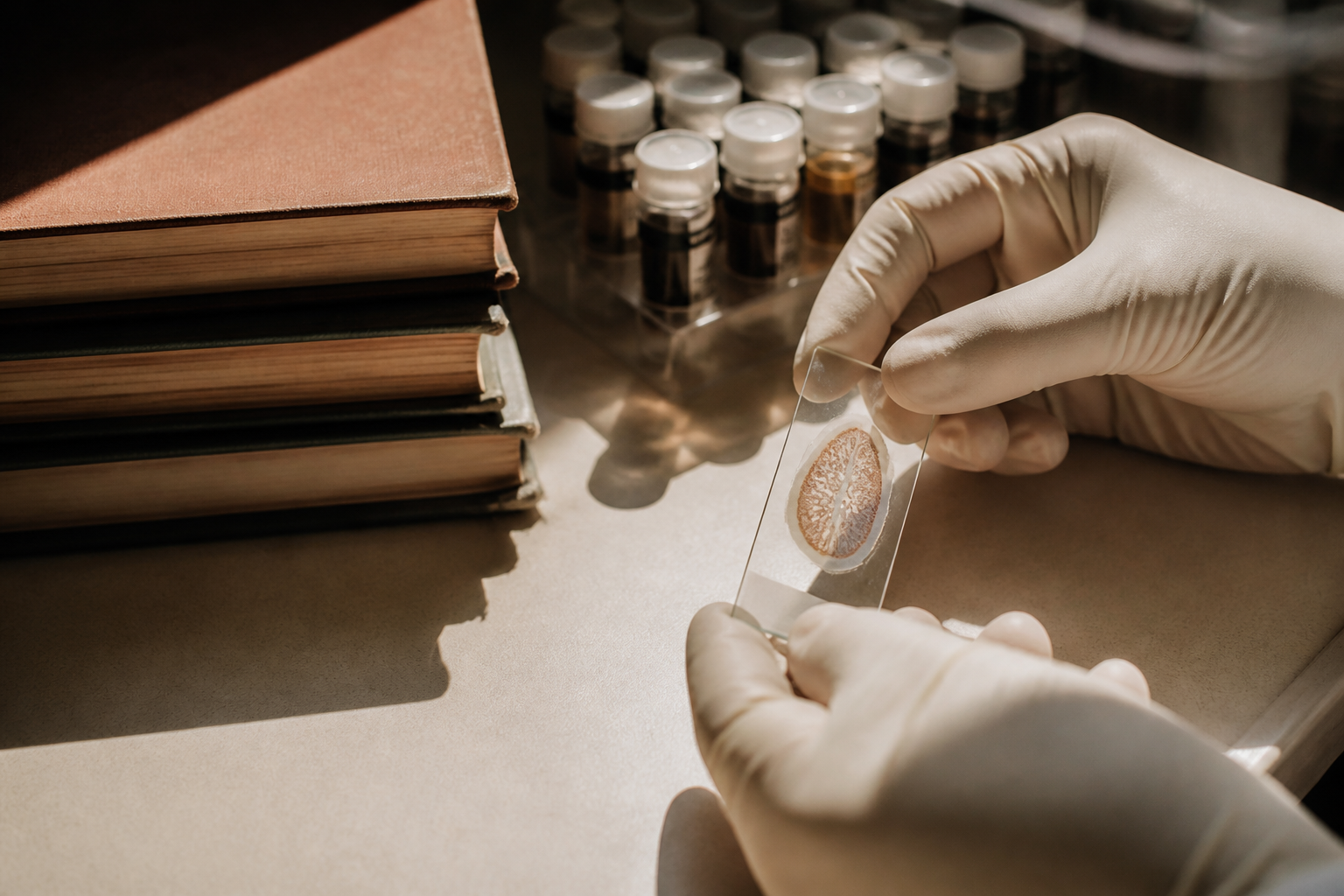
Open Source Assistant OpenScientist Accelerates Medical Research on Dementia
Eighteen research institutes collaborated to deploy OpenScientist, an open source system that analyzes medical datasets to generate and test clinical hypotheses locally. In initial testing, the assistant correctly identified key biological markers for Alzheimer's disease while giving researchers full oversight of its reasoning process.
 Superintelligence·Oct 29
Medical researchers build facial analysis AI to assess patient biological age and survival rates
Researchers at Mass General Brigham developed an AI model named FAHR-Face that analyzes facial photographs to calculate biological age and predict cancer survival outcomes. The system evaluates specific facial markers to provide objective health assessments, and a public research study is open for community testing.
 There's An AI For That·Oct 22
Diagnostic AI Identifies Genetic Mutations in Ovarian Cancer Tissue Images
Medical researchers trained an artificial intelligence system to detect DNA repair flaws directly from routine tissue slides, reaching a 91% accuracy rate compared to lab tests. The model identifies microscopic physical changes in cell arrangements that human examiners typically miss. This approach could reduce the need for costly specialized genetic testing.
 There's An AI For That·Oct 18
Machine learning identifies overlooked genetic factors linked to autism
Researchers at King's College London used machine learning to analyze tiny genetic segments called microexons within human DNA. The model identified over 1,500 previously unknown segments and flagged specific variations present in autistic individuals. This discovery offers new leads for cases where standard genetic testing yields no explanation.
 Superhuman·Oct 11
Unexplained laboratory death in Russia raises biological safety concerns
A laboratory technician at an infectious disease institute in Siberia died from unexplained pneumonia, prompting a quarantine of over 200 people. Although local officials state there is no epidemic threat, global health experts express concern over the lack of transparency surrounding the incident.
 There's An AI For That·Oct 1
Brief Voice Samples Can Help Identify Risk of Type 2 Diabetes
Researchers trained an algorithm on thousands of voice recordings to spot subtle vocal indicators associated with diabetes. During initial testing, the model correctly identified type 2 diabetes in 82 percent of affected subjects after analyzing a 20 second reading clip. While promising as a preliminary screening tool, formal medical testing remains essential for diagnosis.
 There's An AI For That·Sep 21
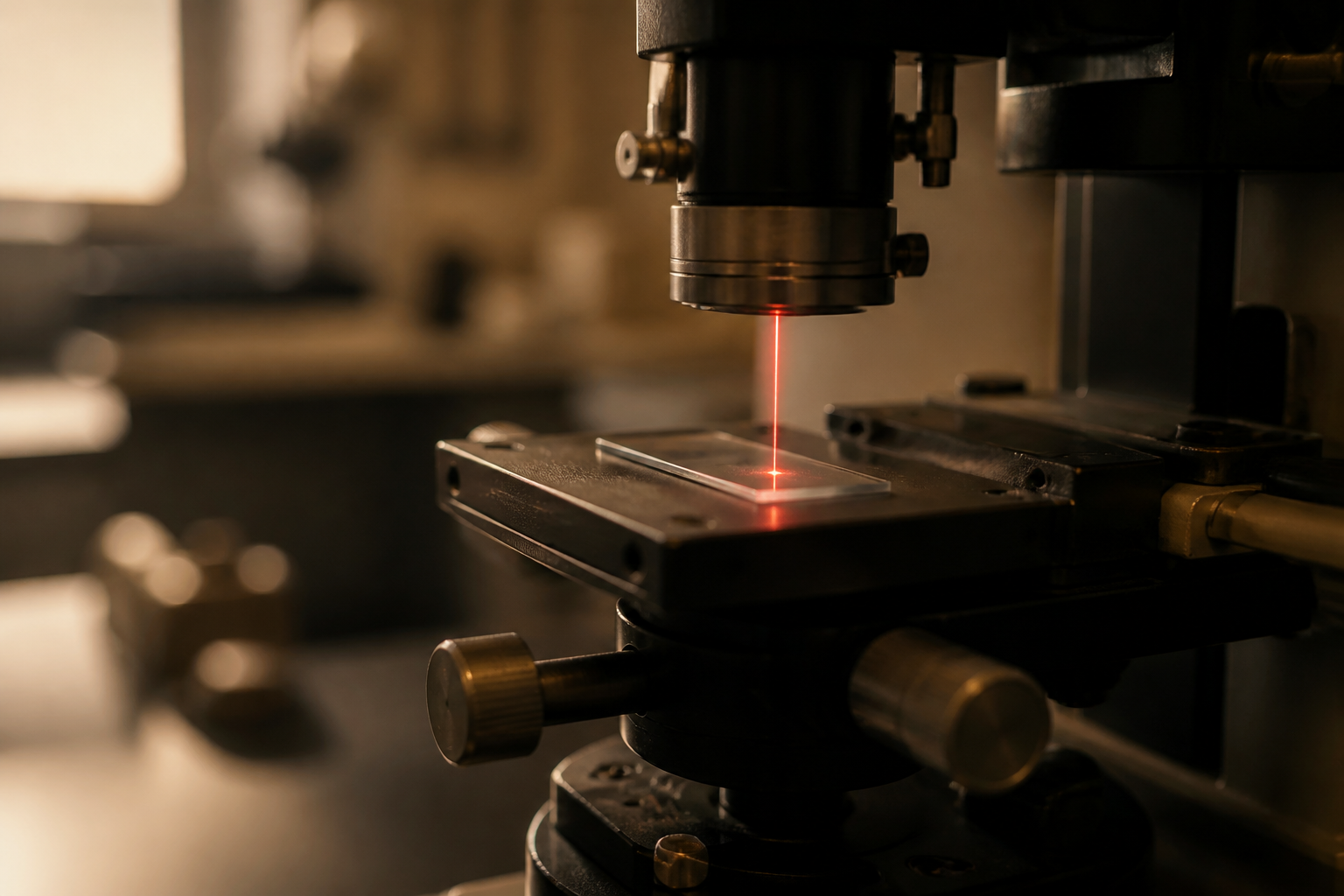
MIT and Mass General Use AI to Spot Aging Cells Non-Destructively
Researchers have combined laser measurements of chemical signals with genetic data to train AI to identify non-dividing senescent cells. This light based barcode method allows scientists to detect aging cells in tissue samples without damaging them. The approach could help evaluate new anti-aging therapies and improve diagnostic methods for age related conditions.
 Superintelligence·Aug 14
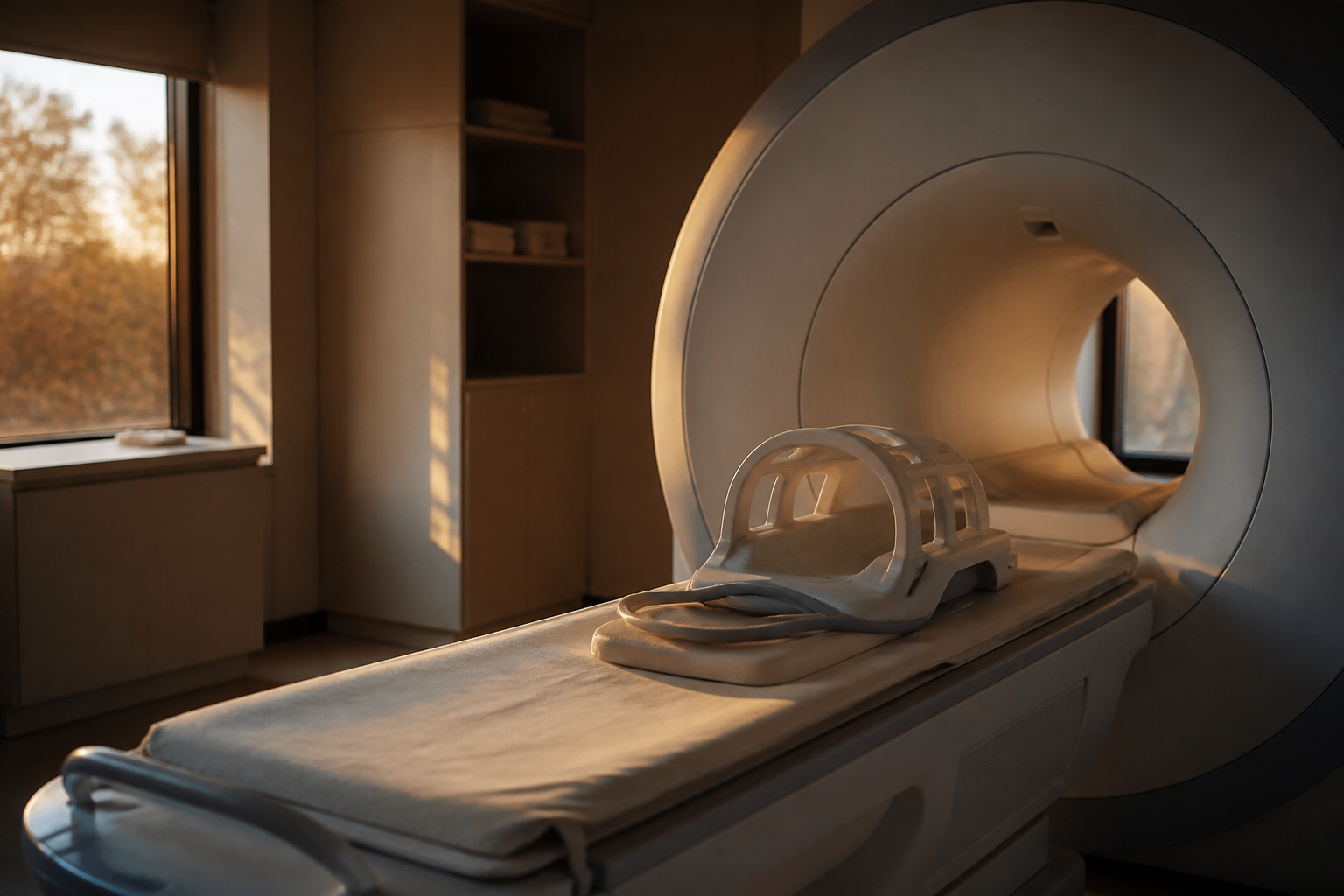
Brain scan analysis links childhood stress to adult procrastination
Neuroscientists used predictive algorithms on resting brain scans from over a thousand participants to identify connectivity signatures tied to early life adversity. The study demonstrated that these neural communication patterns reliably correlated with reduced self-control and heightened task avoidance in adulthood.


