Longevity
6 stories in this blend
 Superhuman·5h ago
Centuries old giant tortoise reveals genetic markers linked to long life
Genetic analysis of a 194 year old giant tortoise revealed enhanced cellular mechanisms for DNA repair and tumor resistance. Researchers observed that parts of the tortoise epigenome resemble younger specimens, offering potential insights for human longevity research.
 Superhuman·Sep 13
Comprehensive study reveals mixed biological markers in supercentenarian
A detailed biological examination of a woman who lived beyond age 117 showed both advanced immune aging and remarkably low systemic inflammation. Scientists believe these contrasting cellular traits explain her exceptional lifespan and may provide clues for age related illnesses.
 Superintelligence·Sep 10
AI created therapeutic demonstrates secondary effects on biological aging markers
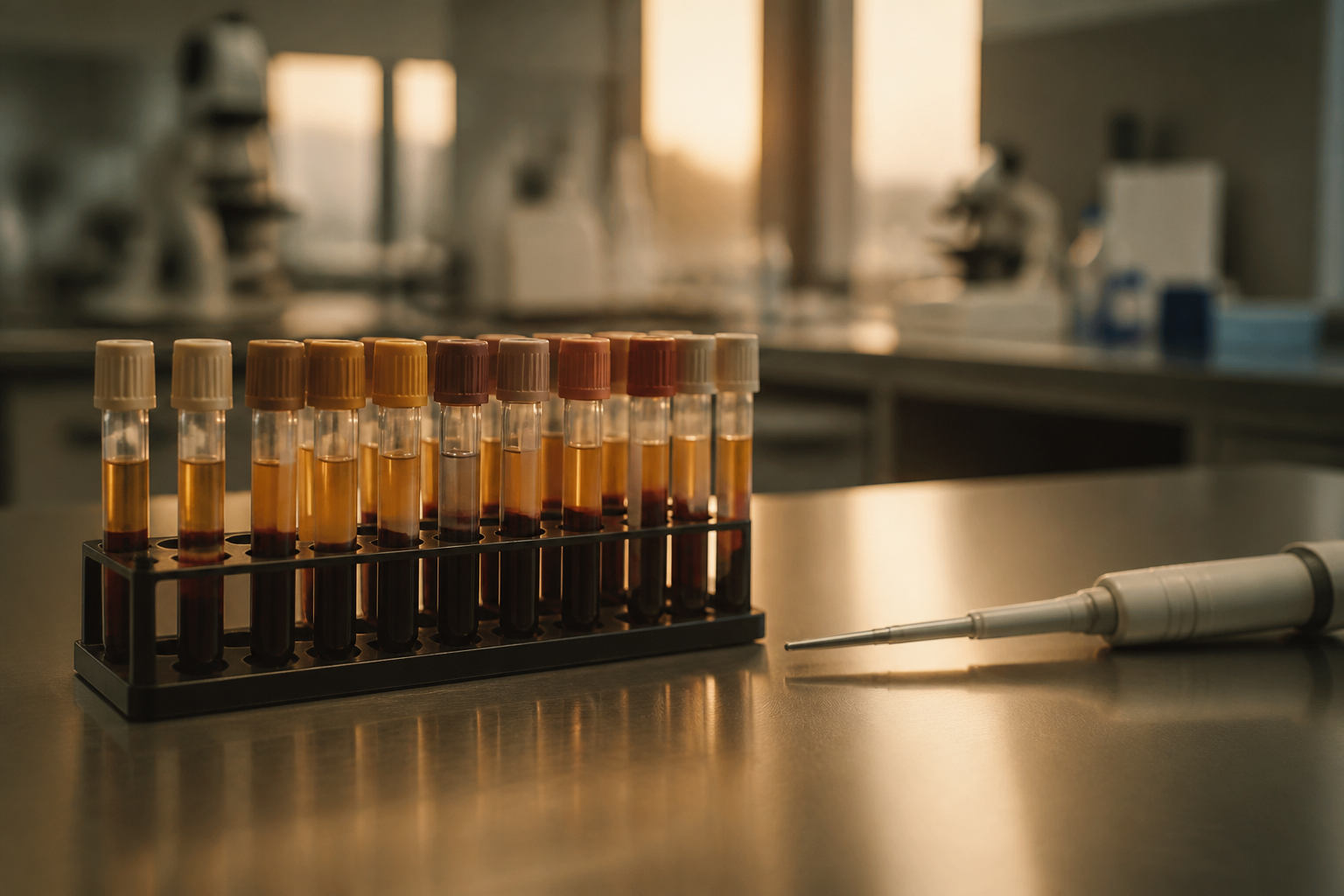
A trial evaluating rentosertib, a drug designed by artificial intelligence for lung disease, showed significant reductions in blood protein indicators associated with biological age. Across six measurement models, treated patients showed profile changes resembling younger cellular states.
 The Neuron·Sep 8
AI designed lung drug shows signs of reversing biological age markers
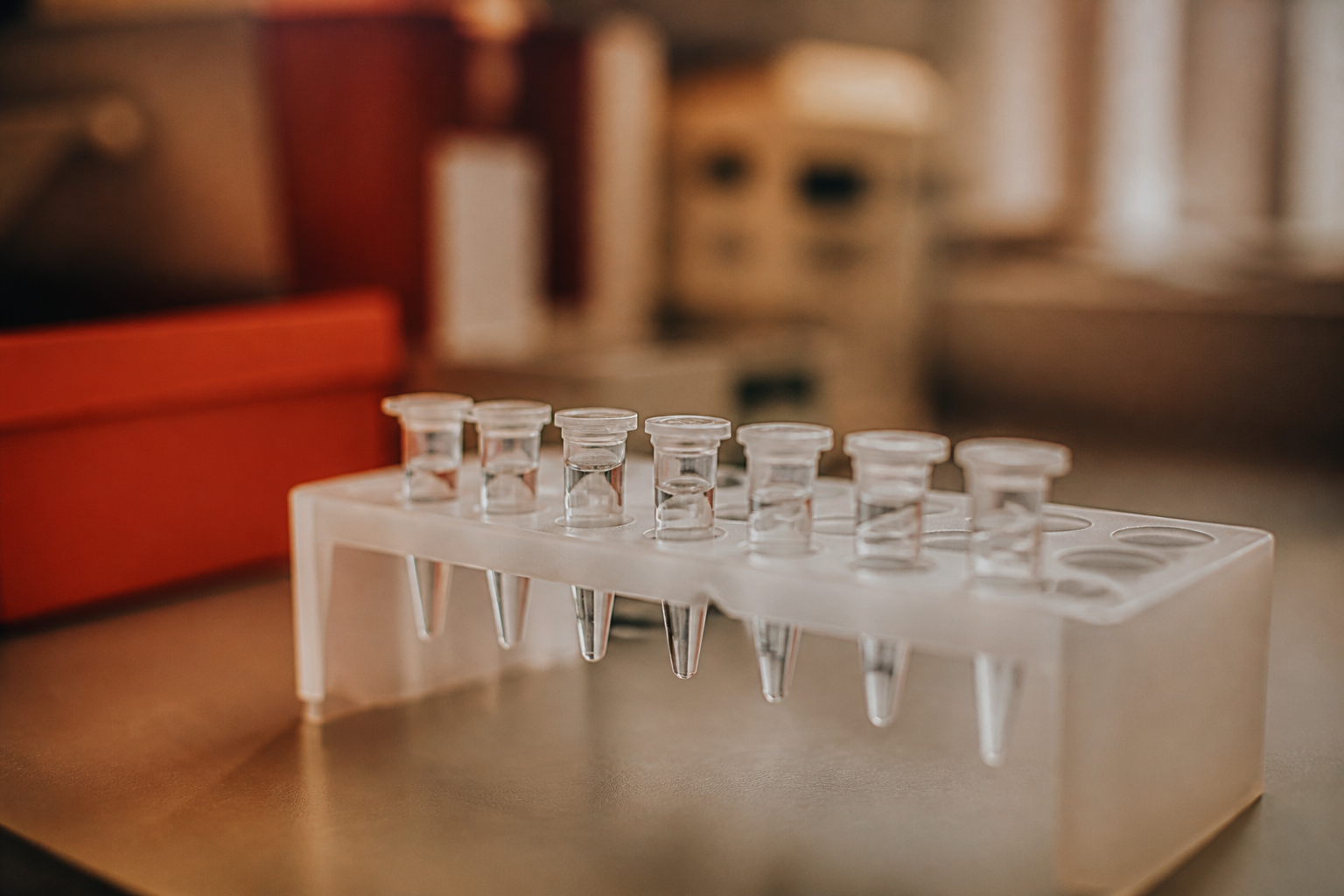
Blood samples from a clinical trial for lung disease drug rentosertib were evaluated using six proteomic aging clocks. Results showed that participants taking the AI designed medication lowered their biological age estimates by three to six years depending on the measurement system used.
 Superintelligence·Sep 3
GLP 1 medication extends lifespan in mouse study
A study conducted by researchers at UC Berkeley revealed that treating older mice with semaglutide extended their median life expectancy by approximately twelve percent. In addition to living longer, the treated mice demonstrated improved memory retention, stronger muscle control, and healthier metabolic markers.
 Superintelligence·Aug 27
Medical professor lowers biological age markers using personal AI tracking
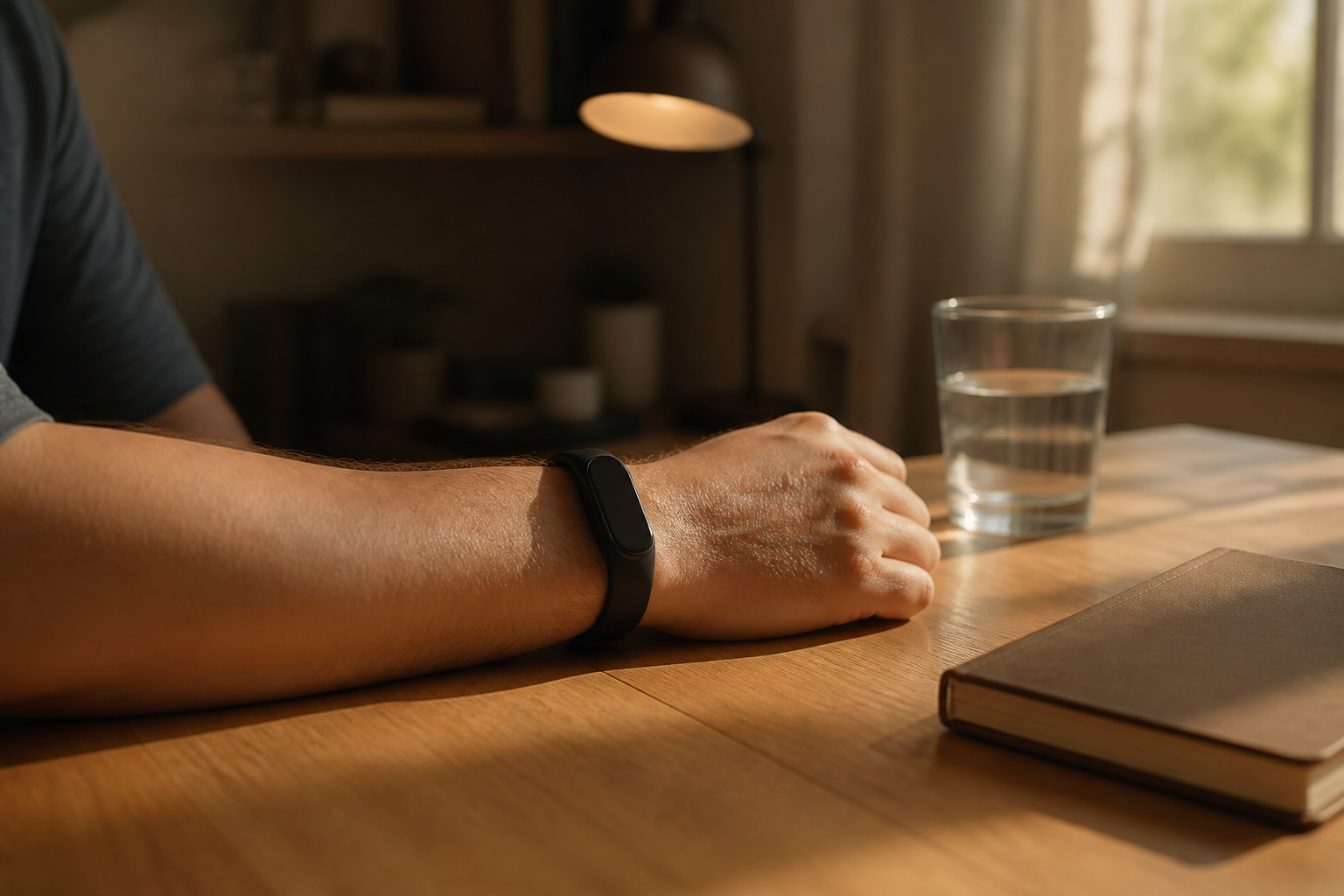
A researcher utilized a customized AI health copilot to track biological stress responses and optimize daily lifestyle habits over eight months. Continuous biometric feedback enabled personalized adjustments that significantly improved longevity metrics.
