Genetics
6 stories in this blend
 Superhuman·4d ago
Centuries old giant tortoise reveals genetic markers linked to long life
Genetic analysis of a 194 year old giant tortoise revealed enhanced cellular mechanisms for DNA repair and tumor resistance. Researchers observed that parts of the tortoise epigenome resemble younger specimens, offering potential insights for human longevity research.
 There's An AI For That·Oct 6
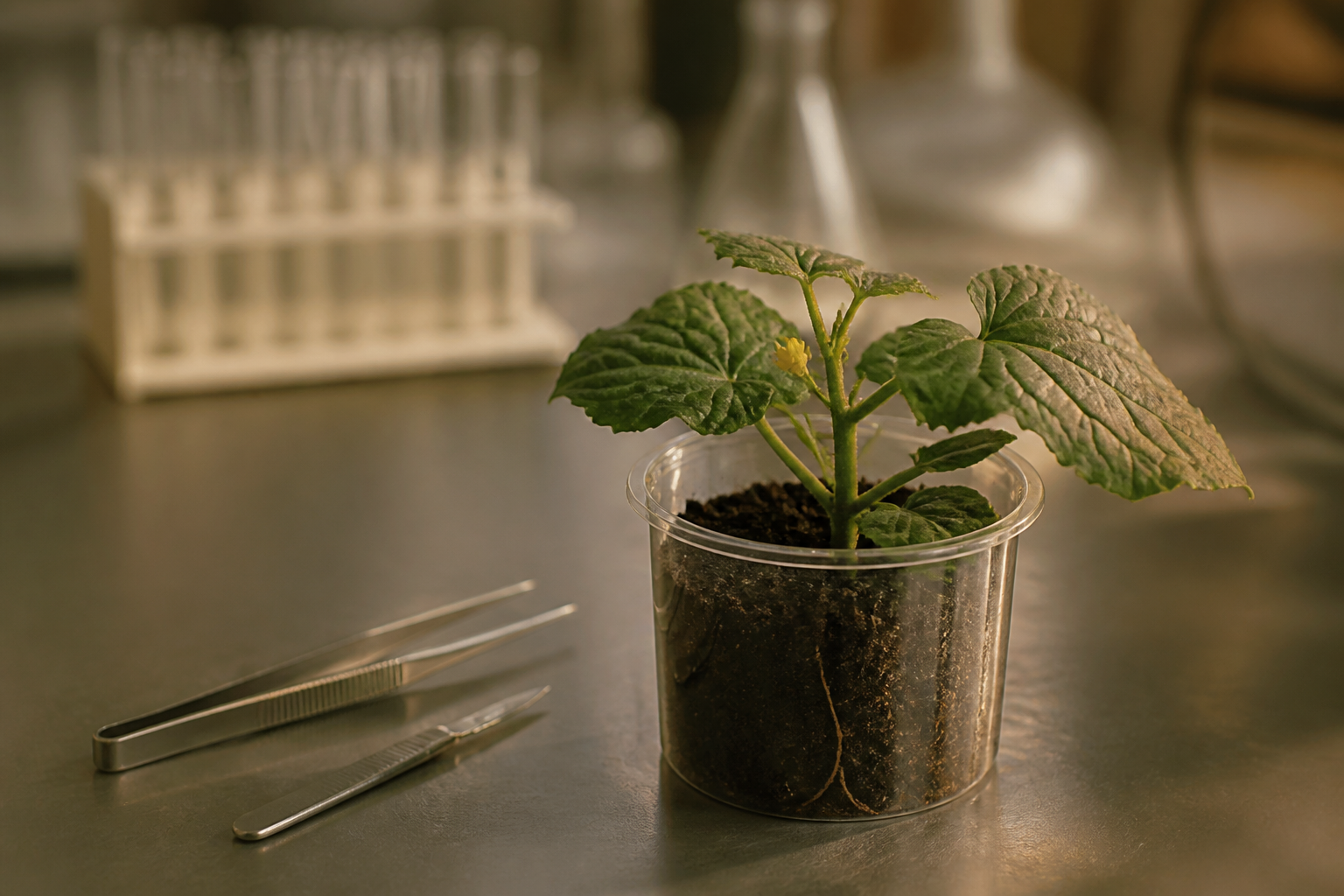
DeepMind AI system pinpoints specific DNA mutation causing flower structure changes in plants
Google DeepMind combined the Gemma language model with a specialized plant genetics model called BOTANIC-1 to identify target genetic variations. By analyzing evolutionary conservation across plant species, the system successfully picked out a single target mutation out of thousands of candidates in a melon plant test. The method could accelerate crop breeding programs designed to withstand changing environmental conditions.
 Superhuman·Oct 4
Study Links Key Alzheimer's Gene to Blood Vessel Damage
New scientific findings demonstrate that a prominent genetic risk factor for Alzheimer's damages cerebral blood vessels by converting helper cells into scarring tissue. Addressing this mechanism could help preserve brain circulation and slow protein buildup in neurodegenerative conditions.
 Superhuman·Sep 20
Ancient gene editing system VIPR discovered by researchers
Scientists uncovered an ancient gene editing mechanism named VIPR that originated over 4 billion years ago. Utilizing smaller proteins than CRISPR, VIPR could offer broader genome targeting and easier therapeutic delivery into human cells.
 Superhuman·Aug 30
UCSF researchers construct brain protein interaction map for autism
Scientists mapped 100 key proteins linked to severe autism alongside more than 1,000 cellular proteins with which they interact. The mapping clarifies how genetic mutations disrupt cellular binding during early brain cell division, creating targeted pathways for future pharmaceutical development.
 Superhuman·Aug 30
Single dose gene treatment produces lasting cholesterol reduction
University College London researchers tested a gene therapy named VERVE-102 that deactivates a liver gene responsible for regulating LDL levels. Trial results showed a 62 percent reduction in bad cholesterol that persisted for a year.

