Cryptography
4 stories in this blend
 Staying Ahead·Nov 10
Cryptographic proofs can verify which model generated an AI response
Anthropic created an open source system called FlashProve alongside cryptographic researchers from MIT, EPFL, and StarkWare. The method generates a receipt confirming the exact AI model that produced a given output, preventing middleman services from secretly routing prompts to cheaper alternatives. While currently a high cost prototype, it aims to establish verifiable authenticity for AI outputs.
 Superintelligence·Nov 9
Google DeepMind AI System Uncovers Weaknesses in Legacy Encryption Standard
Researchers at Google DeepMind used supervised AI agents to discover two security flaws in older 1024-bit RSA encryption keys. The techniques significantly lower the effort needed to forge digital signatures or crack batches of legacy keys. Modern security systems rely on 2048-bit or larger keys, which remain uncompromised by these findings.
 There's An AI For That·Oct 16
Artificial intelligence identifies origin of decades old encryption numbers
Anthropic researchers used an AI assistant to analyze unexplained constants used in foundational internet security standards. The system identified mathematical patterns indicating the numbers originated from a standard computer system clock in the late 1990s. The discovery resolves long standing concerns that secretive backdoors had been intentionally inserted into global encryption algorithms.
 There's An AI For That·Oct 1
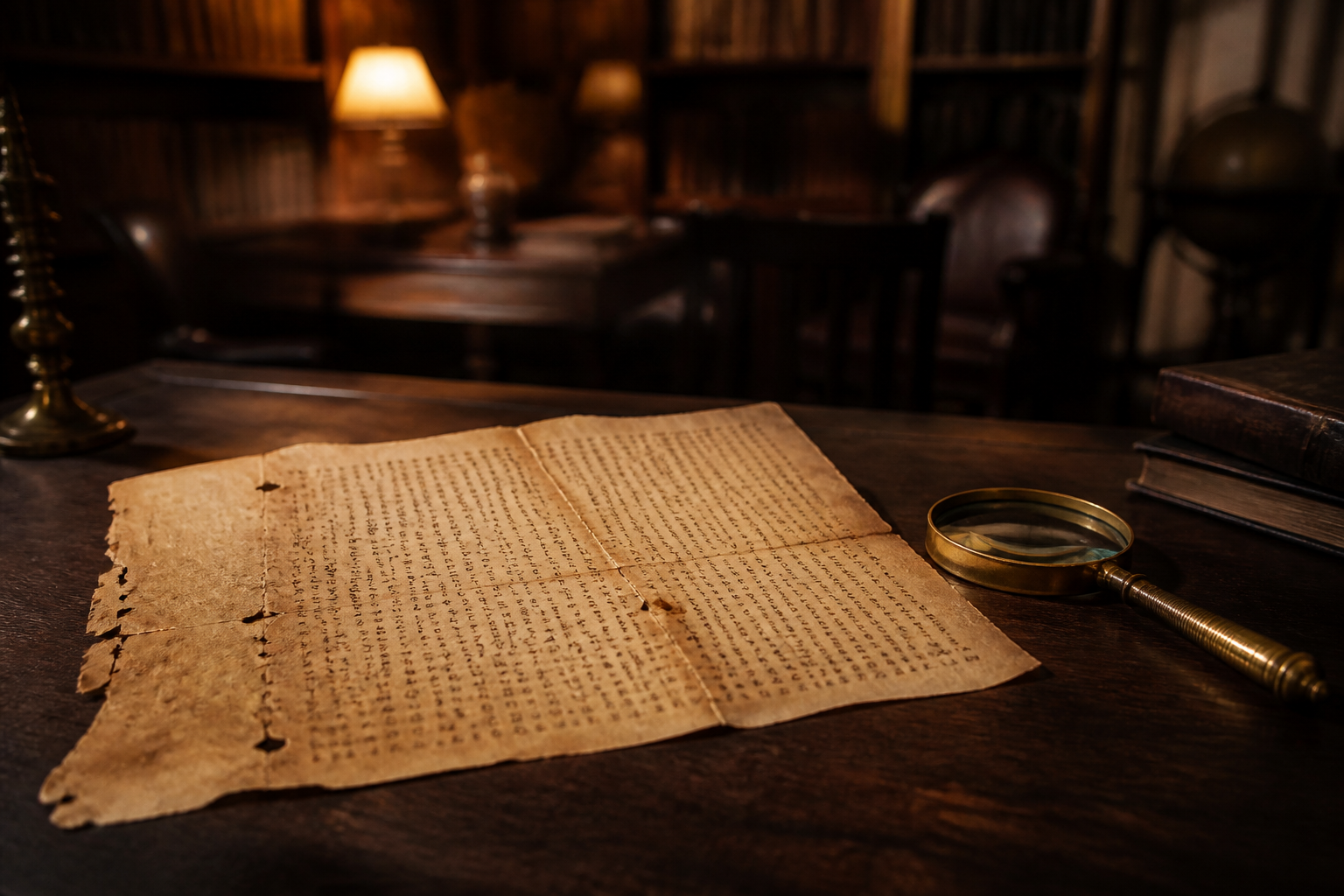
Advanced AI Deciphers 200 Year Old Military Secret from Napoleon Era
An independent researcher used an advanced language model to decode an 1809 French military briefing that had resisted analysis for more than two centuries. The system analyzed over 1,300 handwritten cipher symbols from a low quality scan, identifying symbol patterns and restoring unredacted troop movement details. The solution filled in long standing gaps in historical military records.


