Biology
13 stories in this blend
 Superhuman·Oct 18
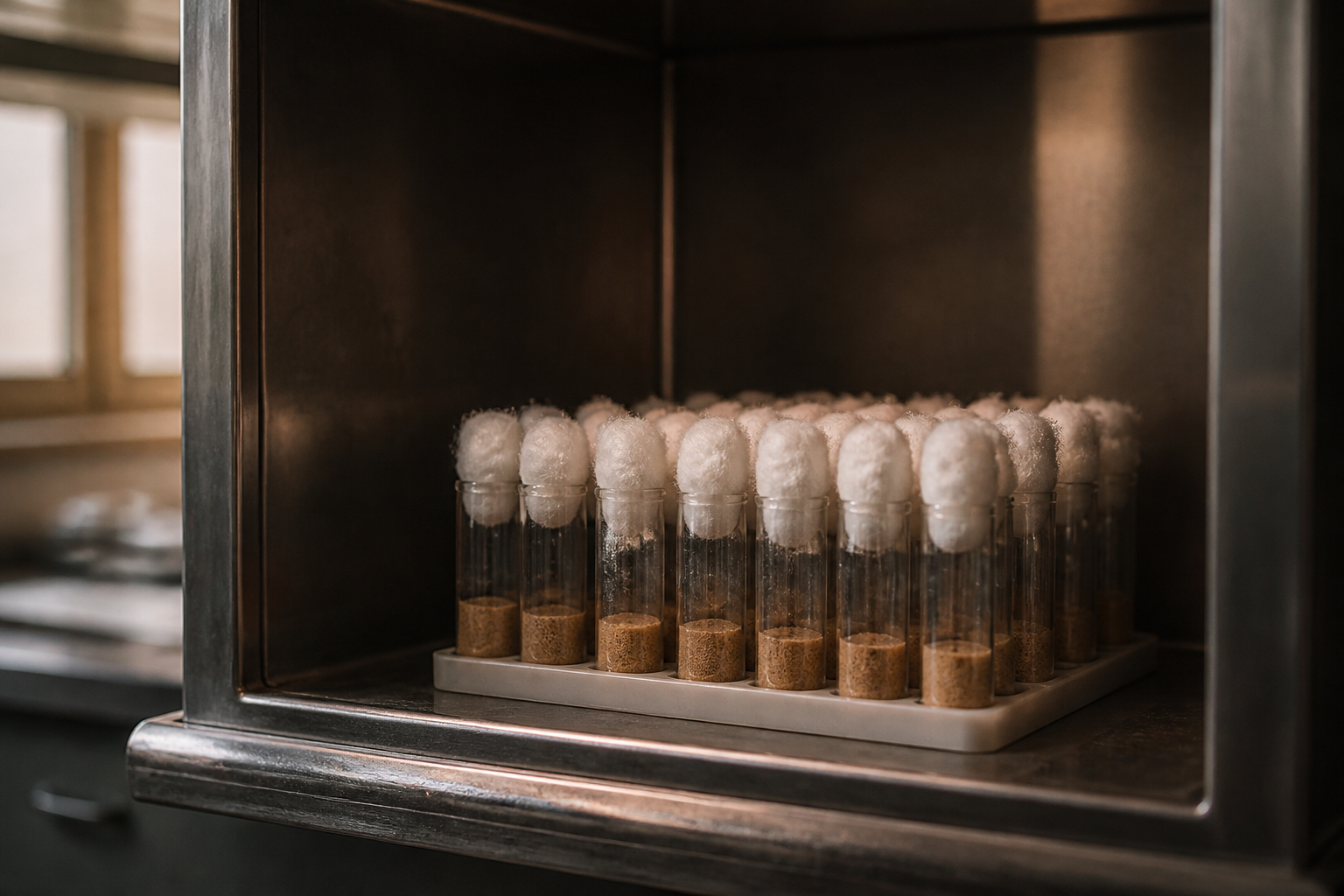
Study indicates reduced magnetic fields extend fruit fly lifespans
Researchers at the University of Nottingham discovered that fruit flies isolated from Earth's magnetic force lived approximately 20 percent longer. The findings could shed light on how deep space environments affect human cellular health during long-term spaceflight.
 Superhuman·Oct 11
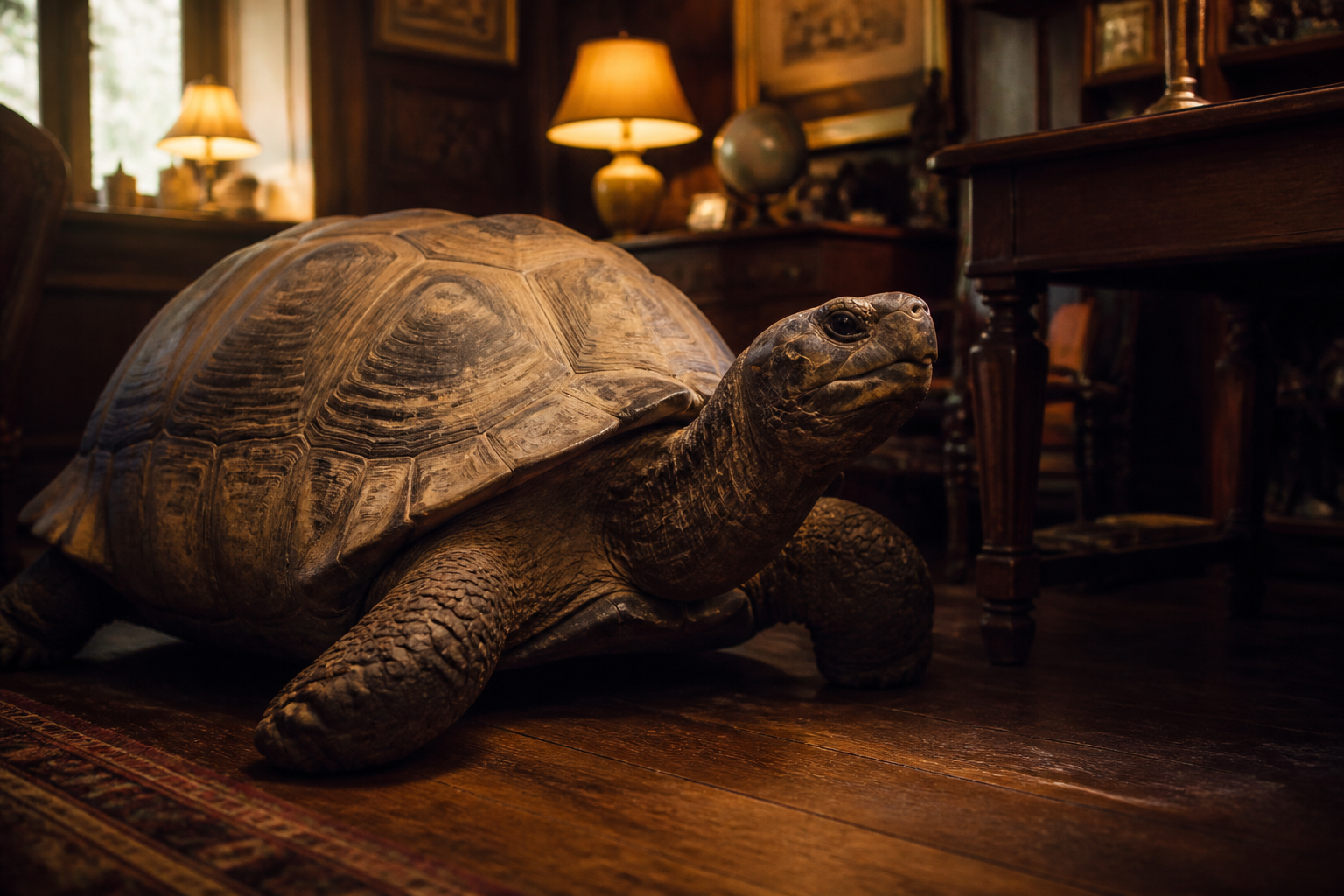
Centuries old giant tortoise reveals genetic markers linked to long life
Genetic analysis of a 194 year old giant tortoise revealed enhanced cellular mechanisms for DNA repair and tumor resistance. Researchers observed that parts of the tortoise epigenome resemble younger specimens, offering potential insights for human longevity research.
 There's An AI For That·Oct 10
Biological Simulation Maps Entire Fruit Fly Neural Network in Virtual Environment
Bio-research firm Eon constructed a digital simulation of a fruit fly brain by scanning seven thousand micro slices of real neural tissue. The resulting digital entity operates autonomously inside a simulated world, exhibiting realistic walking and feeding behaviors when virtual sensors encounter food.
 The Neuron·Oct 9
Tech leaders pledge nearly two billion dollars to virtual cell research
A coalition including Google DeepMind, Meta, and government science agencies committed 1.8 billion dollars to advance biological research. The project focuses on creating open source, AI ready datasets to model complex cellular activities. Researchers aim to accelerate medical discoveries and biological modeling using shared standardized data.
 Superhuman·Oct 4
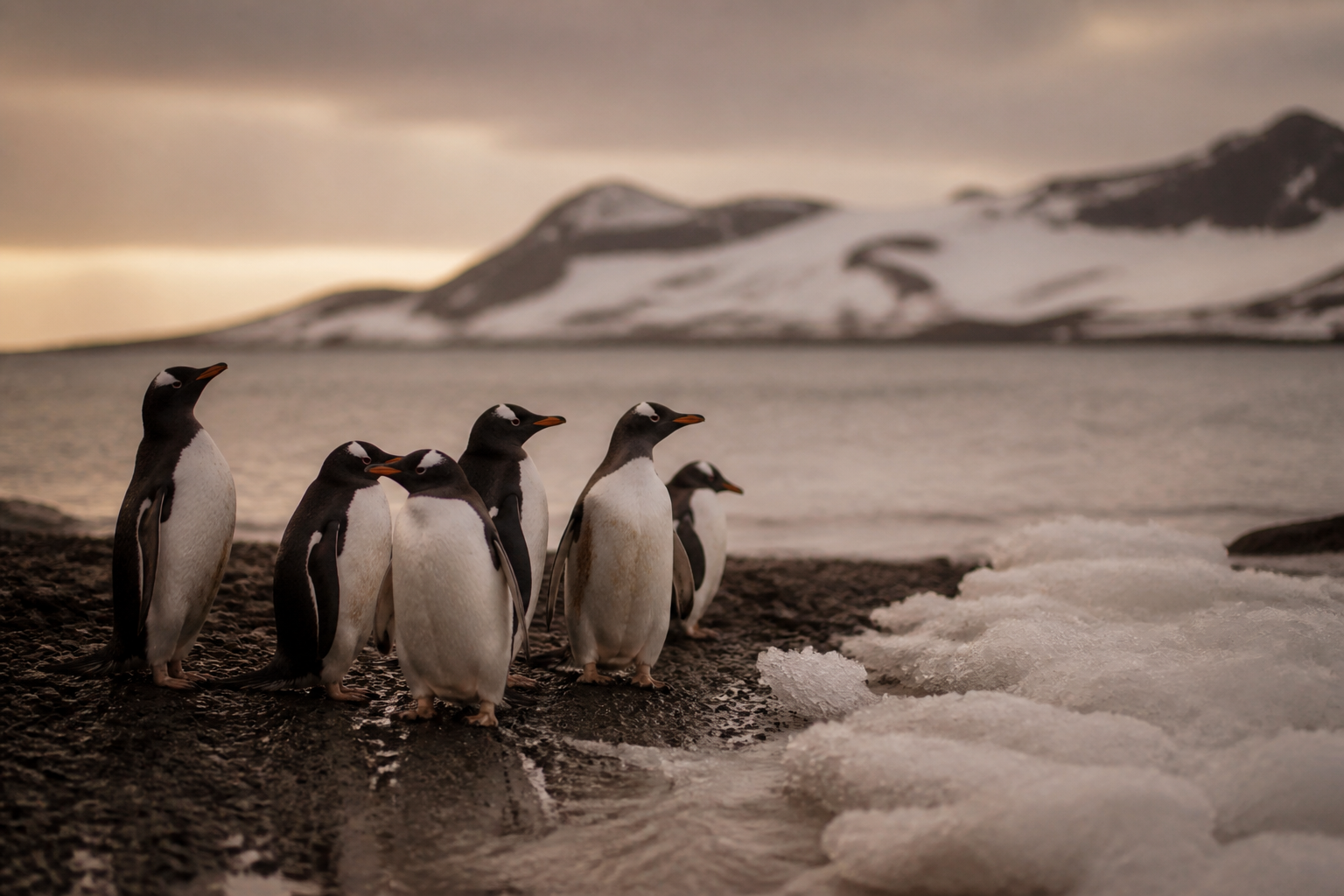
Researchers Discover Previously Unknown Penguin Species
Scientists studying gentoo penguins revealed that the group comprises four distinct species rather than a single classification. Three of these gentoo varieties face potential habitat loss from climate change, while one southern population may expand its territory.
 Superhuman·Sep 27
AI system locates previously unmapped enzyme structure
Autonomous software agents scanned a massive biological database of nearly two billion protein groupings to highlight a novel enzyme system. While independent laboratory verification is pending, the experiment demonstrates automated systems identifying new scientific targets.
 Superhuman·Sep 27
Microorganism discovered thriving at record high temperatures
Scientists discovered an amoeba in California hot springs that actively grows at 145 degrees Fahrenheit by entering a protected dormant state during extreme temperature spikes. Molecular analysis revealed specific protein structures that safeguard the organism from heat damage.
 Superhuman·Sep 24
Anthropic reports novel biological discovery made by automated AI agents
Anthropic announced that a swarm of nearly one thousand Claude instances identified a previously unknown enzyme structure resembling CRISPR after running continuously for nearly a full day. The company noted that additional laboratory research is required to evaluate what practical applications the biological system might offer.
 The Neuron·Sep 24
Claude Swarm Uncovers Unmapped Biological Systems in Virus Genomes
Anthropic deployed almost one thousand automated AI instances to analyze massive biological sequence databases over twenty one hours. The system reviewed millions of code-like genetic sequences to highlight twenty promising candidates, leading scientists to confirm a previously unknown enzyme architecture.
 Superintelligence·Sep 23
AI system speeds up open source biological modeling programs
Anthropic used Claude to refactor and optimize over 30 open source protein prediction models in less than a month. The code updates allow scientists to run complex biological simulations four times faster at a fraction of previous computing costs.
 Superhuman·Sep 21
Anthropic upgrades Claude project management features and expands into biology
Anthropic updated its Claude workspace features to let users assign multiple dependent tasks across extended projects simultaneously. The organization also established a wet laboratory facility in San Francisco to conduct biological research.
 Superhuman·Sep 20
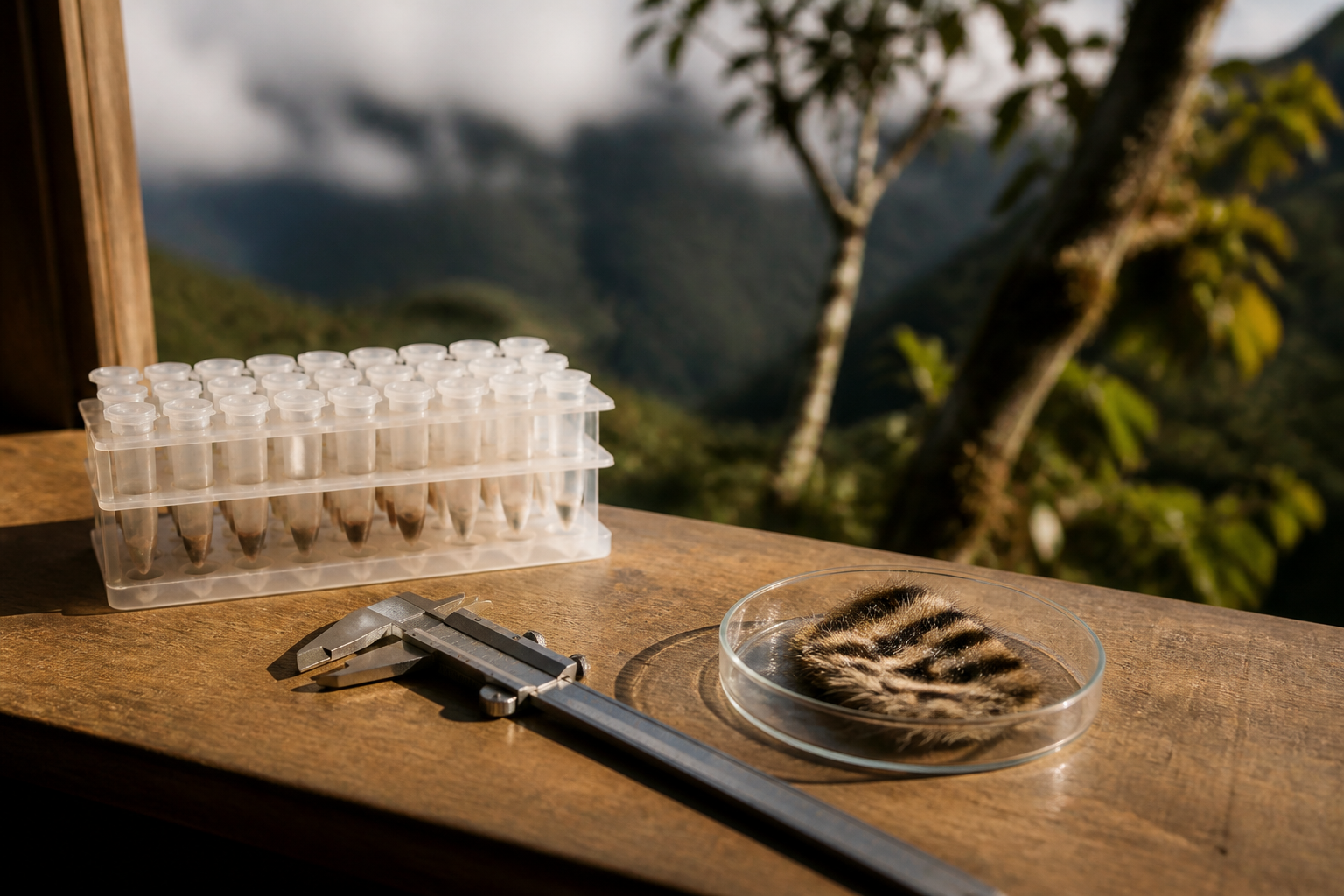
Scientists identify a new feline species in Bolivia
Researchers testing DNA samples confirmed that the tilcayo, a small spotted wildcat residing in Bolivian cloud forests, is a separate species. The discovery marks the first time in over one hundred years that scientists have categorized a new cat species.
 Superhuman·Sep 13
Comprehensive study reveals mixed biological markers in supercentenarian
A detailed biological examination of a woman who lived beyond age 117 showed both advanced immune aging and remarkably low systemic inflammation. Scientists believe these contrasting cellular traits explain her exceptional lifespan and may provide clues for age related illnesses.
