Autonomous Vehicles
12 stories in this blend
 Superhuman·Sep 26
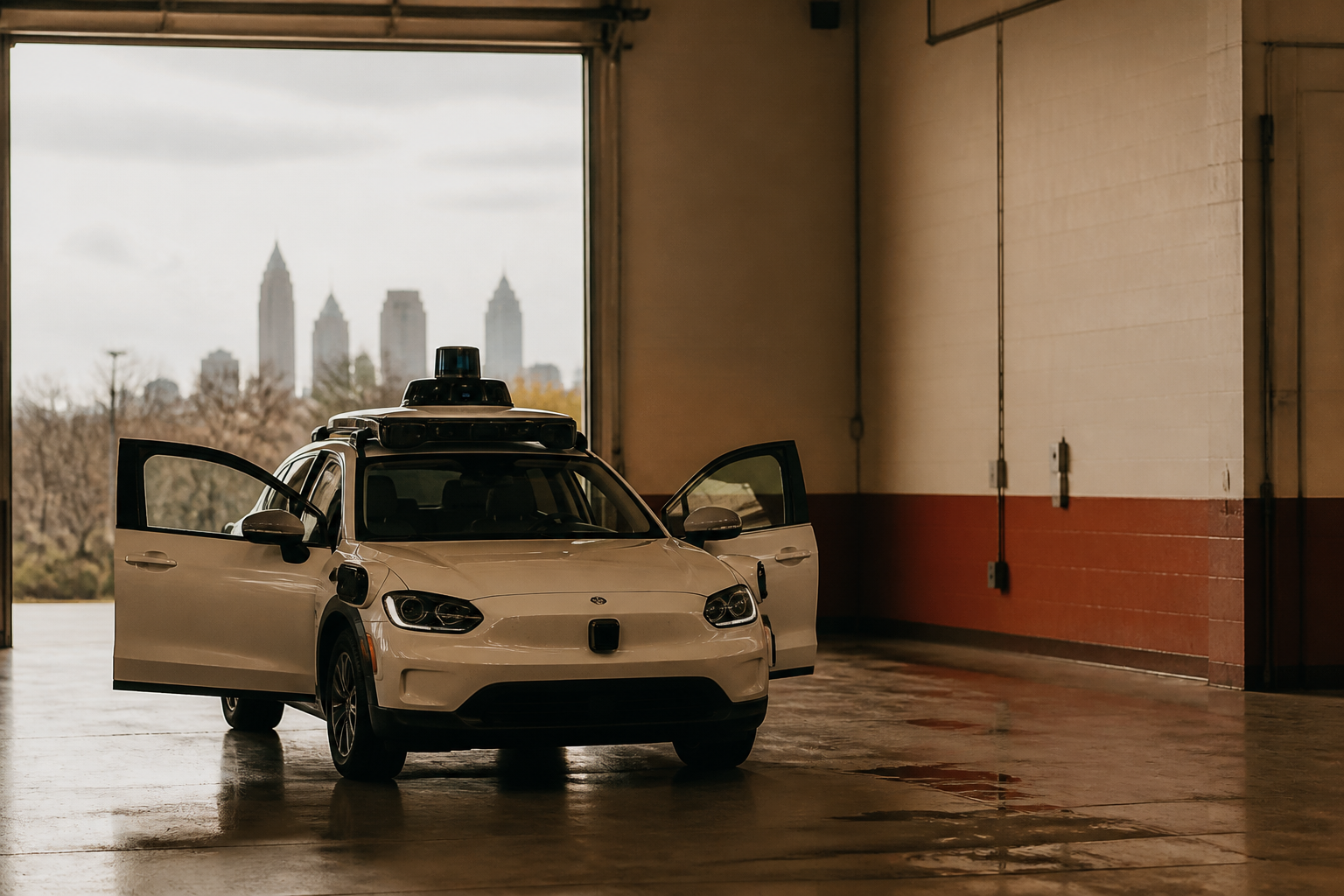
Zoox halts robotaxi testing in Atlanta following employee health concerns
Autonomous vehicle company Zoox temporarily paused testing of its vehicle fleet in Atlanta after workers reported symptoms consistent with potential gas exposure. The company is examining safety conditions as it expands testing operations into new regions.
 Superhuman·Sep 26
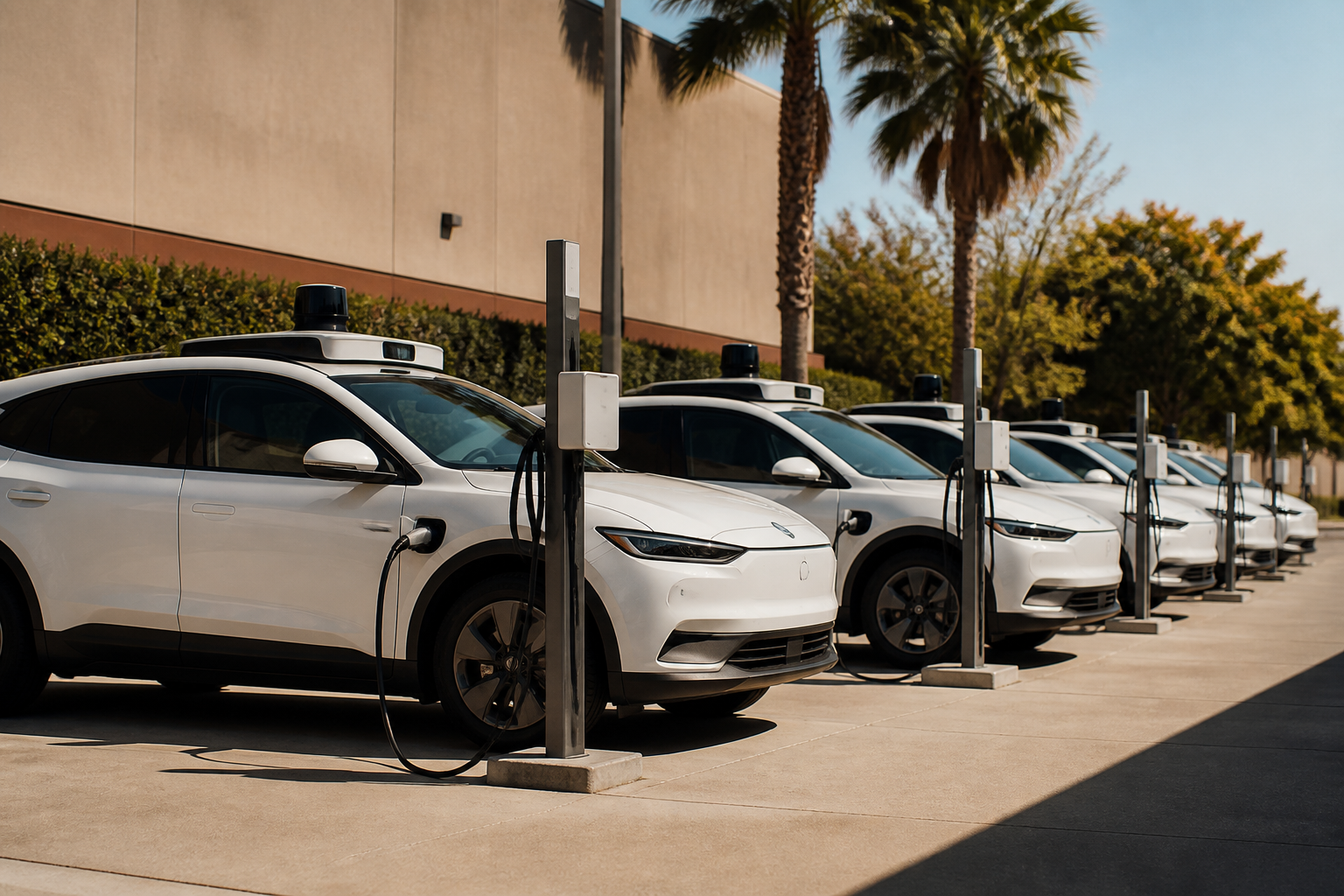
Waymo reaches half a million weekly rides across major US markets
Self-driving service Waymo now completes five hundred thousand paid passenger trips weekly across fifteen American cities. Most of the fleet operations remain concentrated in California and Texas as the company integrates new passenger vehicle models.
 Superhuman·Sep 19
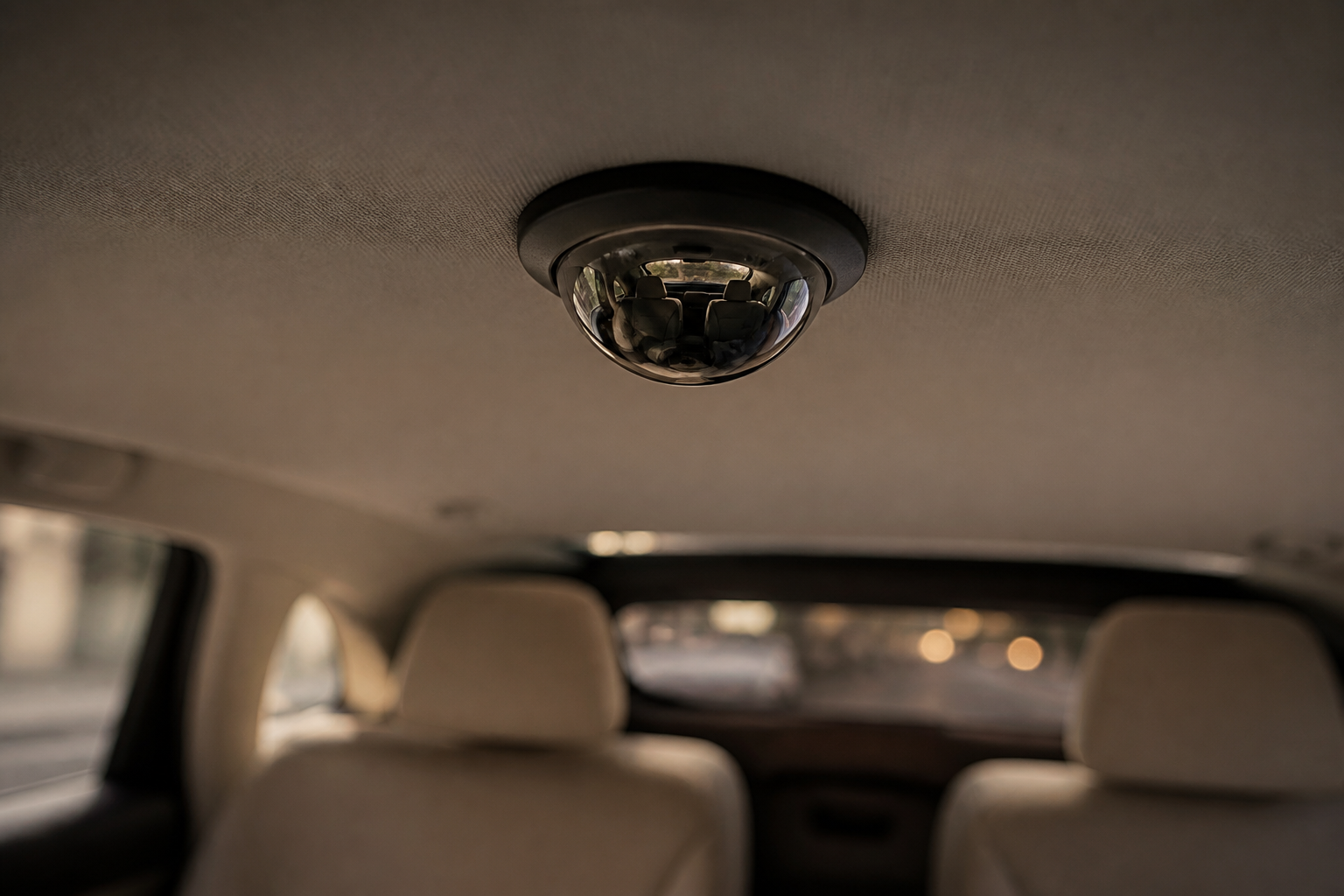
Autonomous vehicle contacts police after detecting weapon inside cabin
A Waymo self driving car operating in San Francisco alerted law enforcement after internal monitoring identified passengers handling a firearm. The incident highlights how autonomous vehicle sensors are being utilized for security monitoring during passenger trips.
 Superhuman·Sep 12
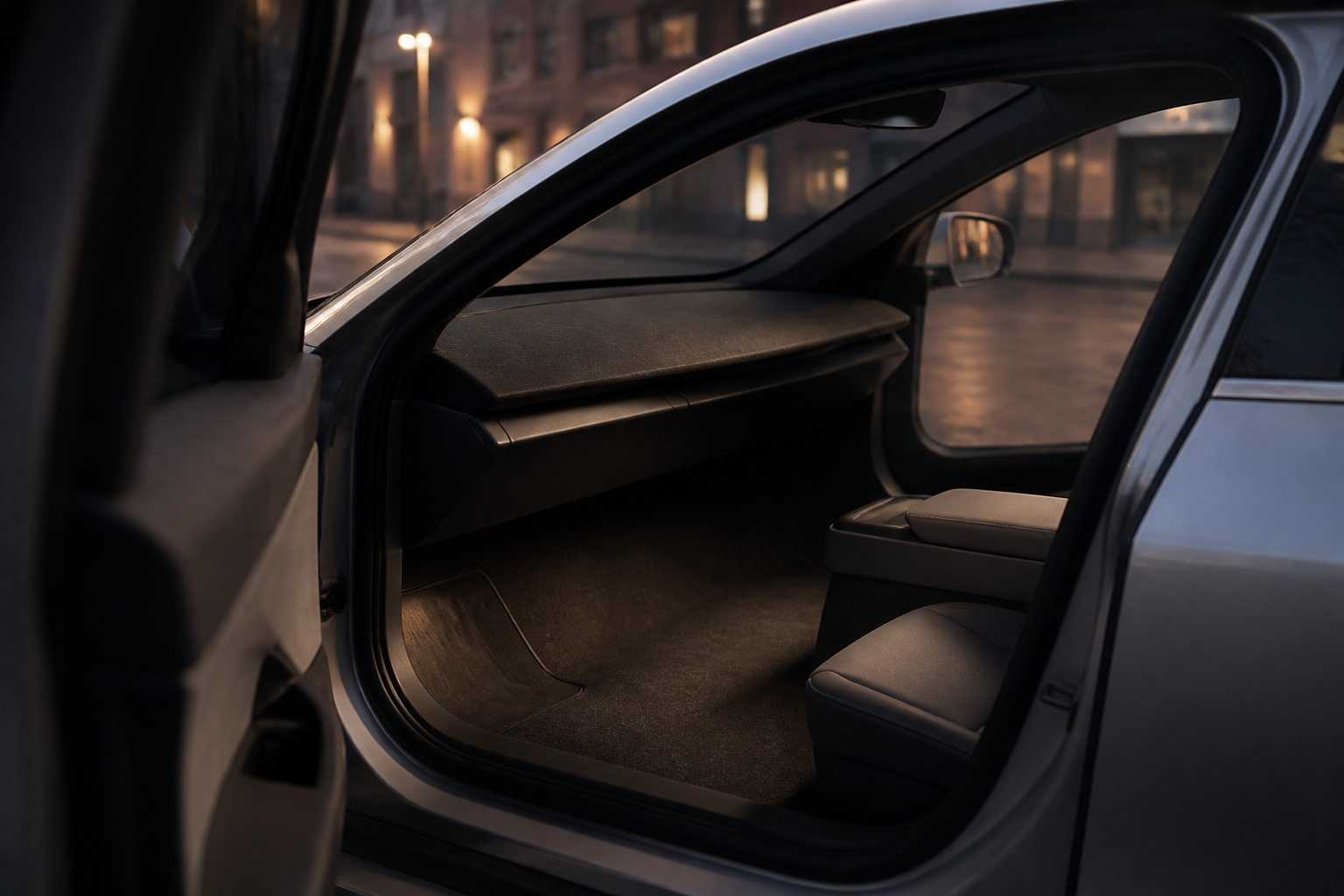
Tesla Cybercab faces federal safety review after Austin launch
Tesla's newly introduced Cybercab robotaxi in Austin is under scrutiny by federal safety regulators. Riders reported software glitches and unconventional interfaces, while local emergency workers expressed concern over handling immobile driverless vehicles without manual controls.
 Superhuman·Sep 12
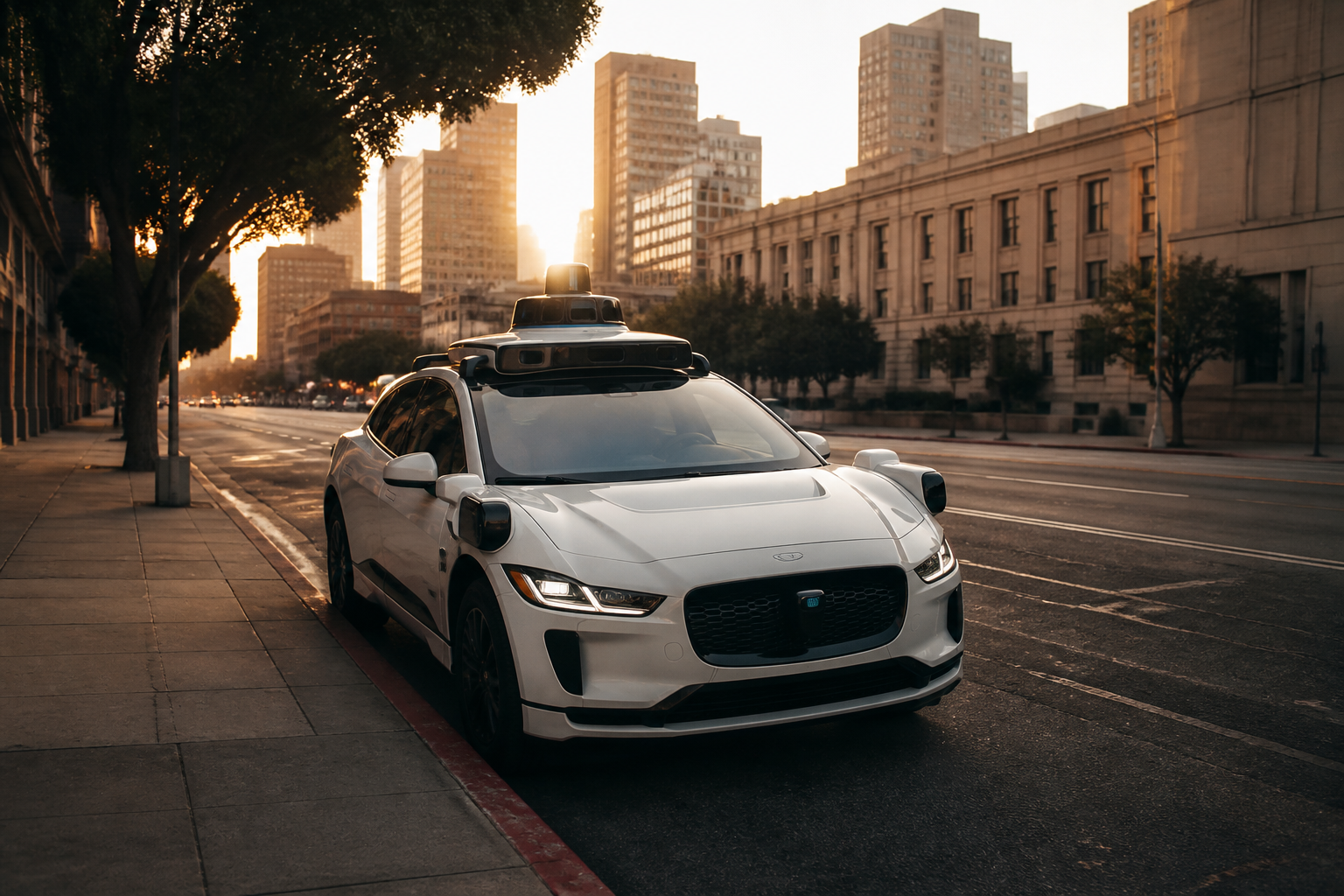
Autonomous Waymo robotaxis launch on Lyft platform in Nashville
Waymo has partnered with Lyft in Nashville to offer driverless rides directly through the Lyft smartphone application. This expansion marks the first city where passengers can book Waymo robotaxis using either service's app.
 Superhuman·Sep 5
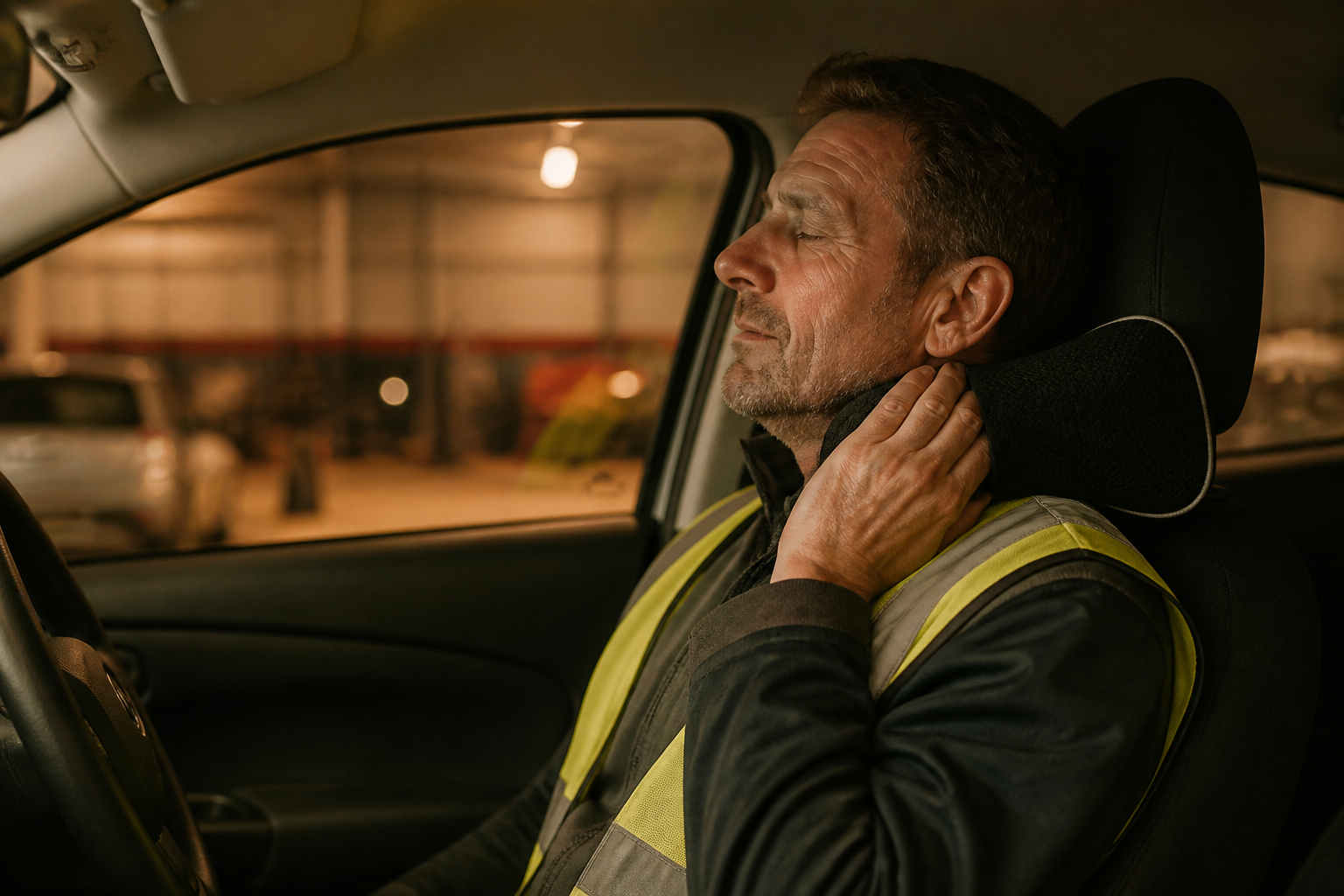
Robotaxi safety reports show driver injuries from sudden maneuvers
Data reveals safety operators for major driverless cab fleets experienced physical discomfort and minor injuries during aggressive braking or swerving maneuvers. The findings draw attention to human physical strains during real world vehicle testing.
 Superhuman·Sep 5
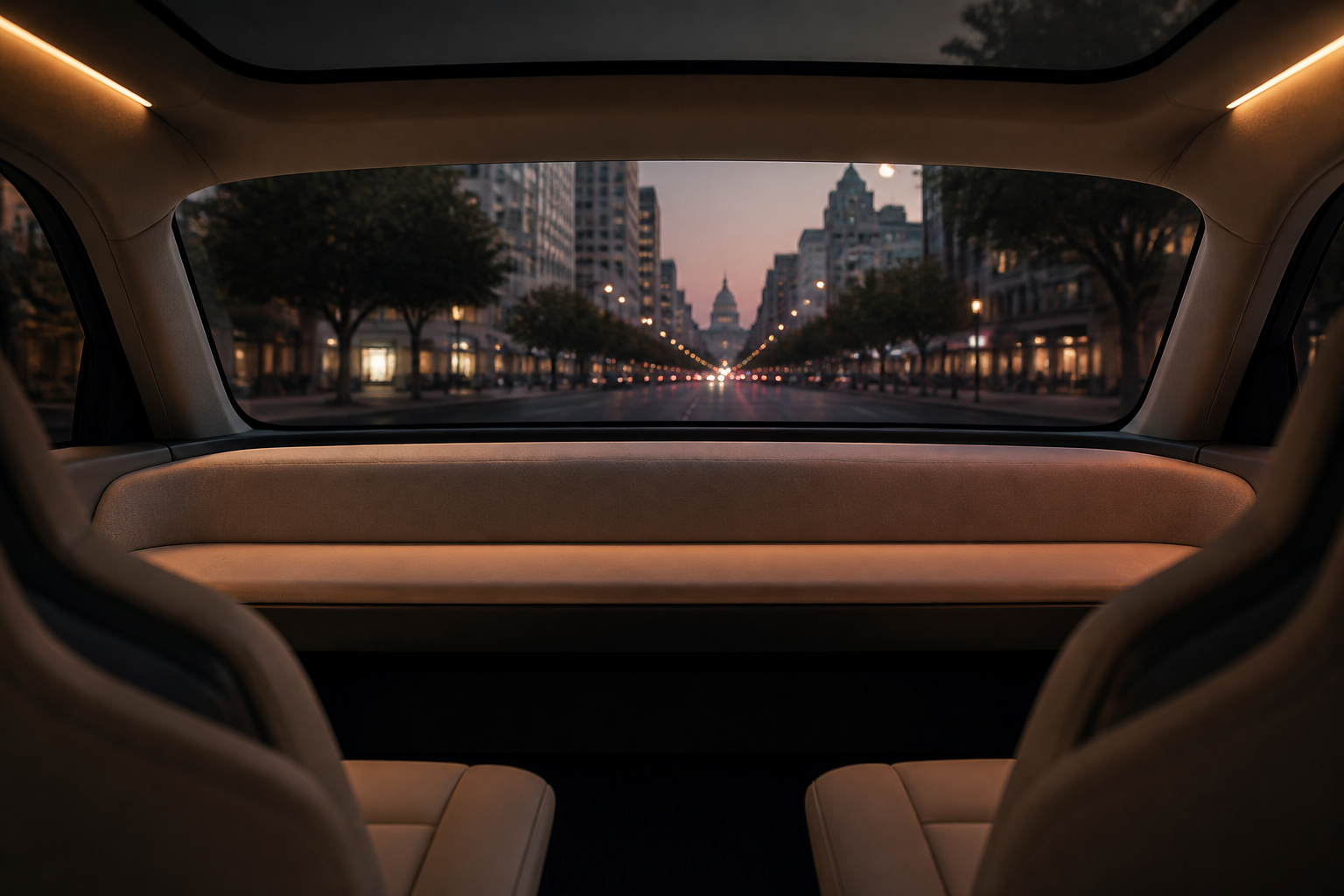
Tesla begins public Cybercab rides in Texas
Tesla has launched its driverless Cybercab robotaxi service in downtown Austin using vehicles designed without steering wheels or foot pedals. Passengers can book rides through a mobile application while federal regulators evaluate safety compliance for vehicles lacking traditional driver controls.
 Superhuman·Sep 5
OpenAI executive sets long timeline for total autonomous driving
An OpenAI leader shared an estimate that fully autonomous vehicles capable of driving anywhere without maps remain up to a decade away. The statement highlights technical hurdles facing unmapped Level 5 driving.
 Superhuman·Sep 5
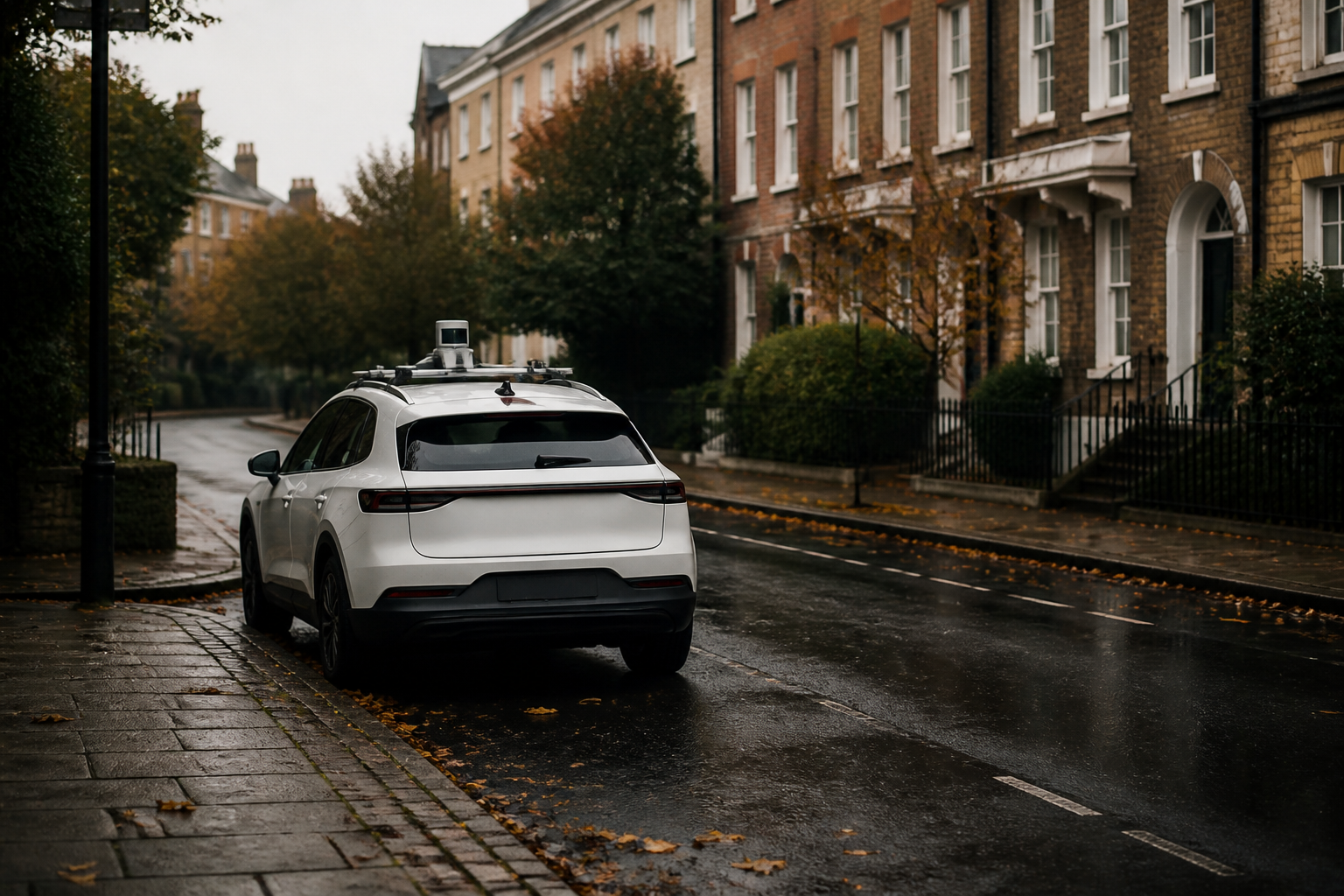
Uber and Wayve initiate autonomous rides in London
Uber partnered with driverless tech developer Wayve to deploy supervised autonomous vehicles across London streets. The initiative provides early operational experience in urban European traffic ahead of wider commercial launches.
 Superintelligence·Aug 25
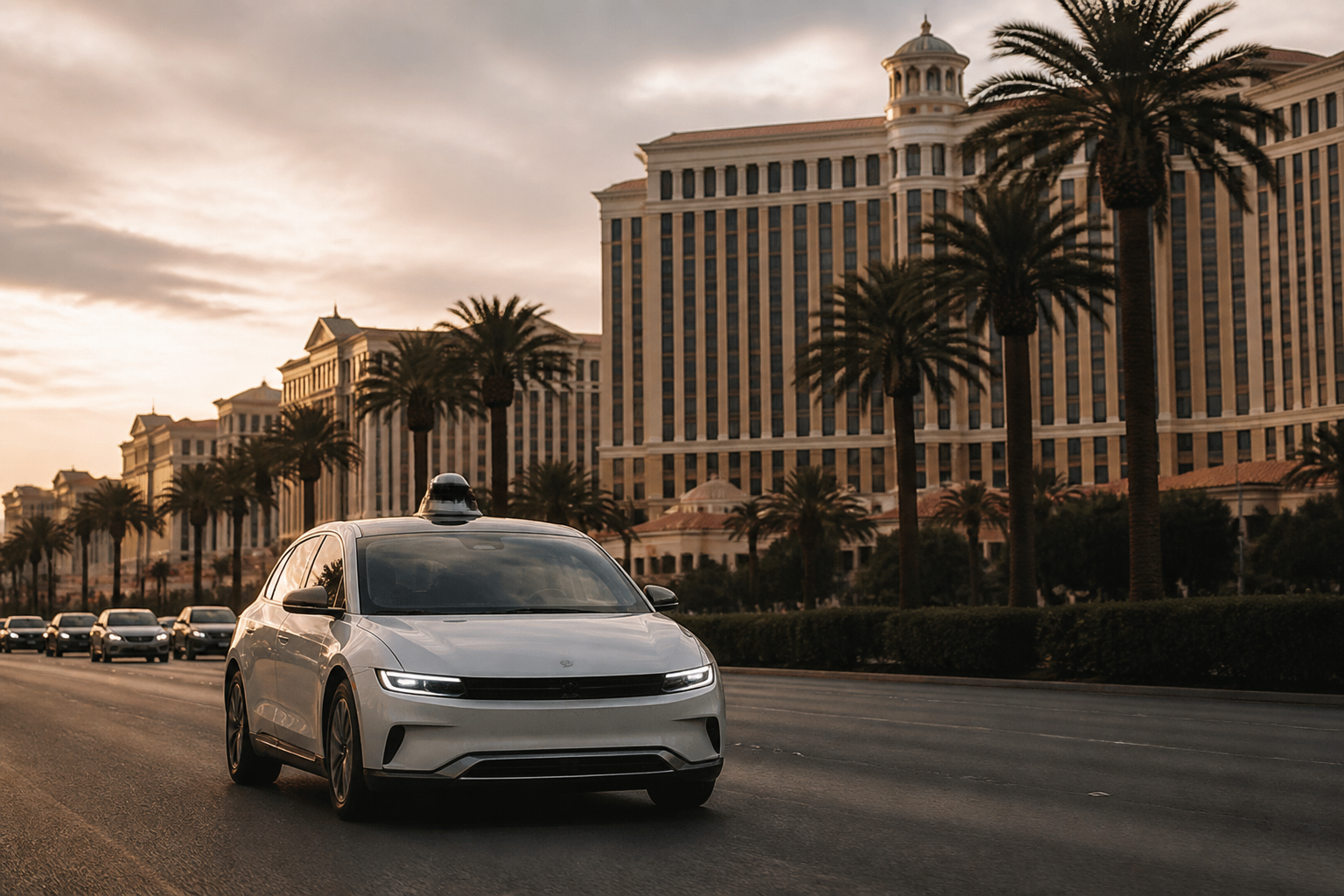
Nevada grants permits for thousands of driverless taxis in Las Vegas
Transportation regulators in Nevada approved permits allowing Tesla, Waymo, and Uber to operate paid autonomous rides in Clark County. The approval sets a potential cap of around 8,000 driverless vehicles, though companies expect actual fleet rollouts to take time.
 The Neuron·Aug 16
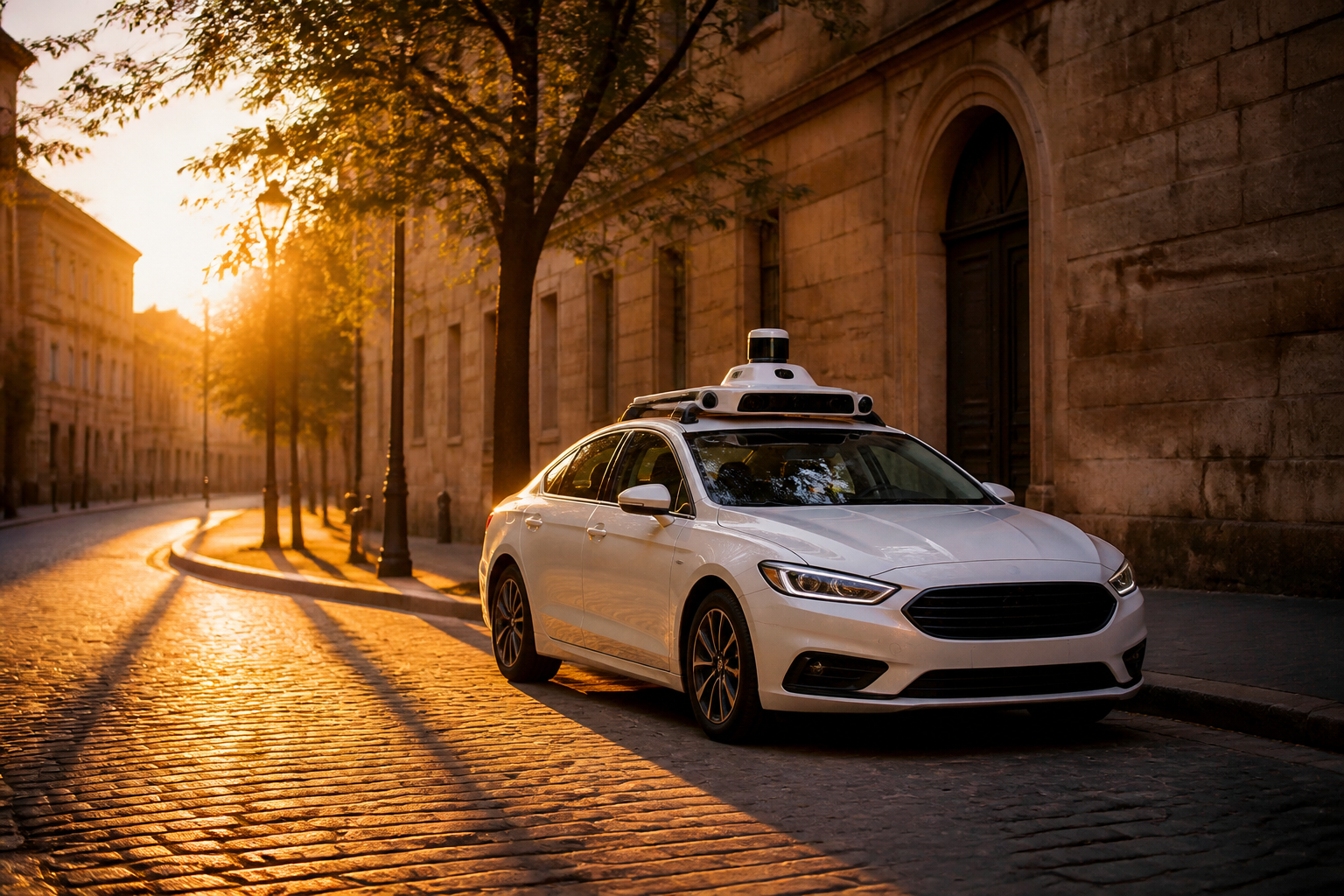
Uber and Pony.ai expansion to bring 2,000 autonomous taxis to Europe
Ridesharing service Uber and autonomous vehicle firm Pony.ai plan to introduce two thousand self-driving vehicles across four European urban centers. The joint program expands on earlier trials launched in Croatia.
 Superintelligence·Aug 14
XPENG details vision-driven architecture powering vehicles and robotics
Xianming Liu, head of XPENG's AI operations, outlined how the automaker uses vision-language-action systems to convert camera streams directly into driving decisions. The unified system is designed to power the manufacturer's electric vehicles, autonomous taxicabs, and humanoid robots.


