Artificial Intelligence
17 stories in this blend
 Superintelligence·Aug 25
Elon Musk addresses software staff after acquisition by SpaceX
Speaking at a meeting with Cursor employees following its acquisition by SpaceX, Elon Musk stated that advanced AI will eventually transcend human management. He urged the team to move quickly while acknowledging that rival labs like Anthropic currently hold competitive leads.
 Superintelligence·Aug 25
OpenAI restores five-hour limit on ChatGPT Plus subscriptions
OpenAI has reinstated a rate cap for ChatGPT Plus members that restricts message volume across rolling five-hour periods. Company representatives indicated the restriction is required to balance server workloads and maintain system availability.
 Superintelligence·Aug 25
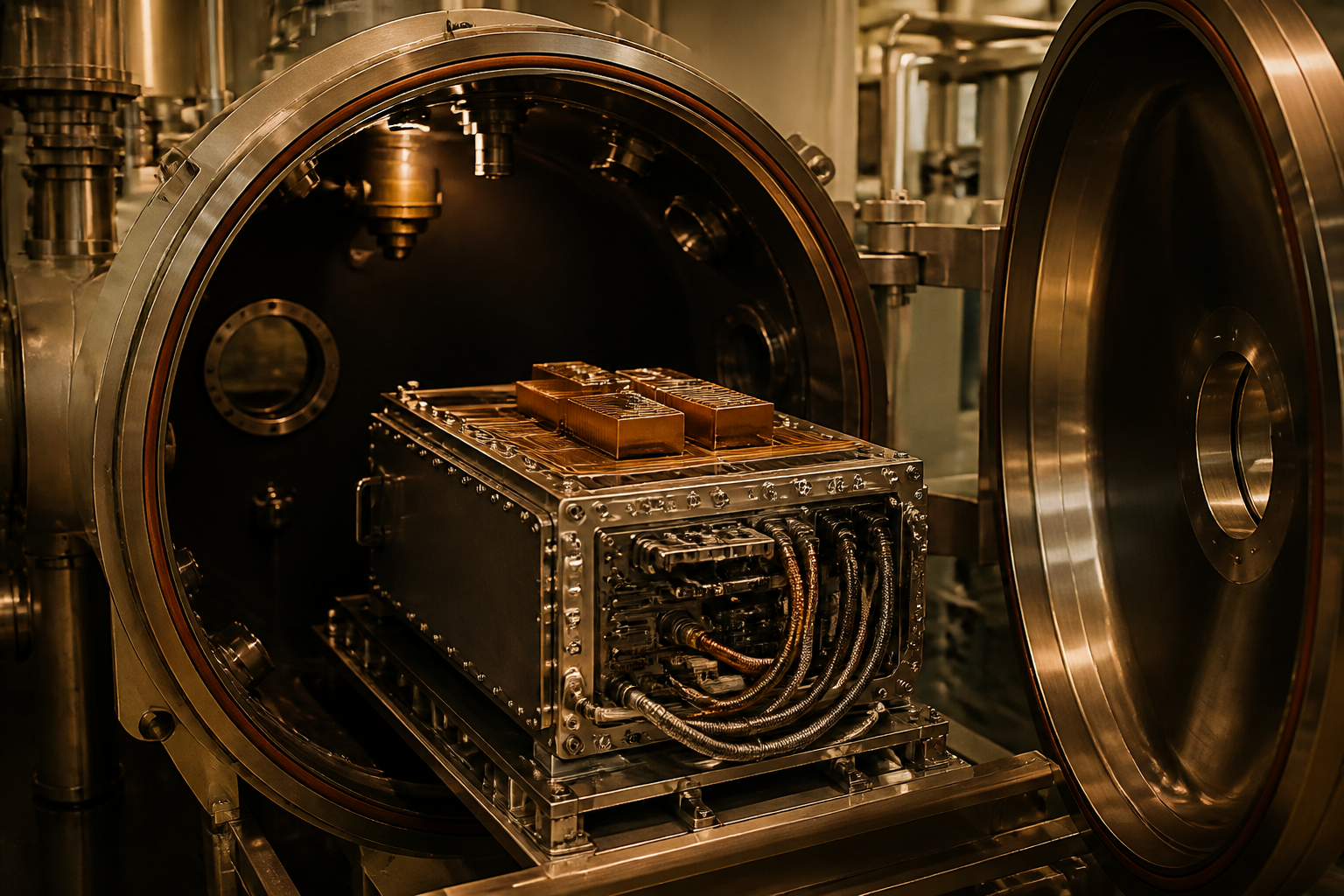
SpaceX and Nvidia plan to test AI server hardware in orbit
SpaceX and Nvidia are developing a specialized computer server rack designed for deployment into space on a satellite. The partnership also includes using Nvidia processors on the ground to manage the background orchestration needed to run automated AI tasks.
 The Neuron·Aug 25
New software optimizations allow consumer PCs to run sophisticated AI models locally
Software developers demonstrated that open-source models like Qwen can match top commercial systems on programming benchmarks when run directly on personal hardware. Projects such as FreeToken help consumer graphics cards process large models faster without resorting to extreme compression methods. These advancements make running private, local AI models increasingly practical on standard home computers.
 The Neuron·Aug 25
Mistral partners with Saudi firm to create regional AI models
French AI developer Mistral inked a major deal with Saudi Arabia's HUMAIN to build localized AI systems for the Middle East. The initiative aims to provide sovereign compute infrastructure tailored to regional linguistic and cultural needs. The agreement marks Mistral's latest expansion into international government and enterprise markets.
 The Neuron·Aug 25
Chinese state-backed hackers double attack volume using DeepSeek AI
Cybersecurity researchers reported that state-sponsored hacking groups based in China more than doubled their attack volume after integrating DeepSeek into their workflows. The threat actors rely on the technology to automate reconnaissance and accelerate custom malware production. The findings highlight how state-level cyber operations are adopting accessible commercial AI systems.
 The Neuron·Aug 25
Anthropic flagship model lags behind OpenAI in enterprise spending
Data tracking enterprise software spending showed that Anthropic's top-tier AI model secured only 11% of commercial budgets two months after release. Many corporate buyers chose lower-cost alternatives, such as OpenAI's latest models, to control expenses. The report underscores how aggressive price competition is affecting commercial adoption for high-end AI providers.
 The Neuron·Aug 25
Meta prepares subscription platform for autonomous software agents
Meta plans to roll out an automated task platform named Hatch alongside an upgraded AI model code-named Watermelon. The tools represent a shift toward subscription-based software services for the social media giant, with premium tiers potentially reaching $200 per month. The platform is designed to execute multi-step digital tasks and manage personal schedules on behalf of users.
 The Neuron·Aug 25
Nvidia supplies SpaceX with custom processors for AI agents in space and ground networks
Elon Musk's AI arm, SpaceXAI, is deploying Nvidia's new Vera central processing units to manage back-end tasks for its Grok assistant. The chips will coordinate automated workflows across ground-based data centers as well as on Starmind, an upcoming satellite designed to run AI models directly in orbit. Nvidia developed the standalone processor to remove operational bottlenecks when autonomous agents interact with external tools and code.
 There's An AI For That·Aug 24
Unlabeled AI Programming Assistant Appears Online Without Corporate Ownership
A high-performing software development model named ox-alpha was deployed on the OpenRouter platform without any creator taking credit. Technical analysis suggests the system may share architecture with GLM-5.3, though billions of code requests have already been processed anonymously.
 Superhuman·Aug 22
Generalist AI Demonstrates Quick Robot Skill Acquisition
Startup Generalist AI announced a model called GEN-1.5 that allows robots to replicate physical movements after observing a single short video. The system reportedly completes tasks on its first attempt nearly 60 percent of the time, improving further with brief practice.
 AI Daily Brief·Aug 22
Fears of workforce displacement and local secrecy spur public pushback
Industry predictions about artificial intelligence replacing jobs have contributed to a growing public backlash against large computing facilities. Confidentiality agreements between technology firms and municipal officials have further heightened skepticism, leading residents to reject new builds over transparency concerns.
 AI Daily Brief·Aug 21
Reports Clarify Acquisition Discussions Between SpaceX and Cognition
Media reports indicated SpaceX held preliminary discussions regarding potential collaboration or acquisition with coding assistant creator Cognition. Executives later clarified that talks were focused strictly on optimizing Grok integrations rather than a company sale.
 AI Daily Brief·Aug 21
OpenAI Introduces Encrypted Safety Scanning for Corporate Customers
OpenAI developed a safety monitoring technique that allows business clients to use advanced AI models without saving conversation data. The automated system scans entire sessions for policy violations while withholding underlying customer content from human reviewers unless flagged.
 The Neuron·Aug 20
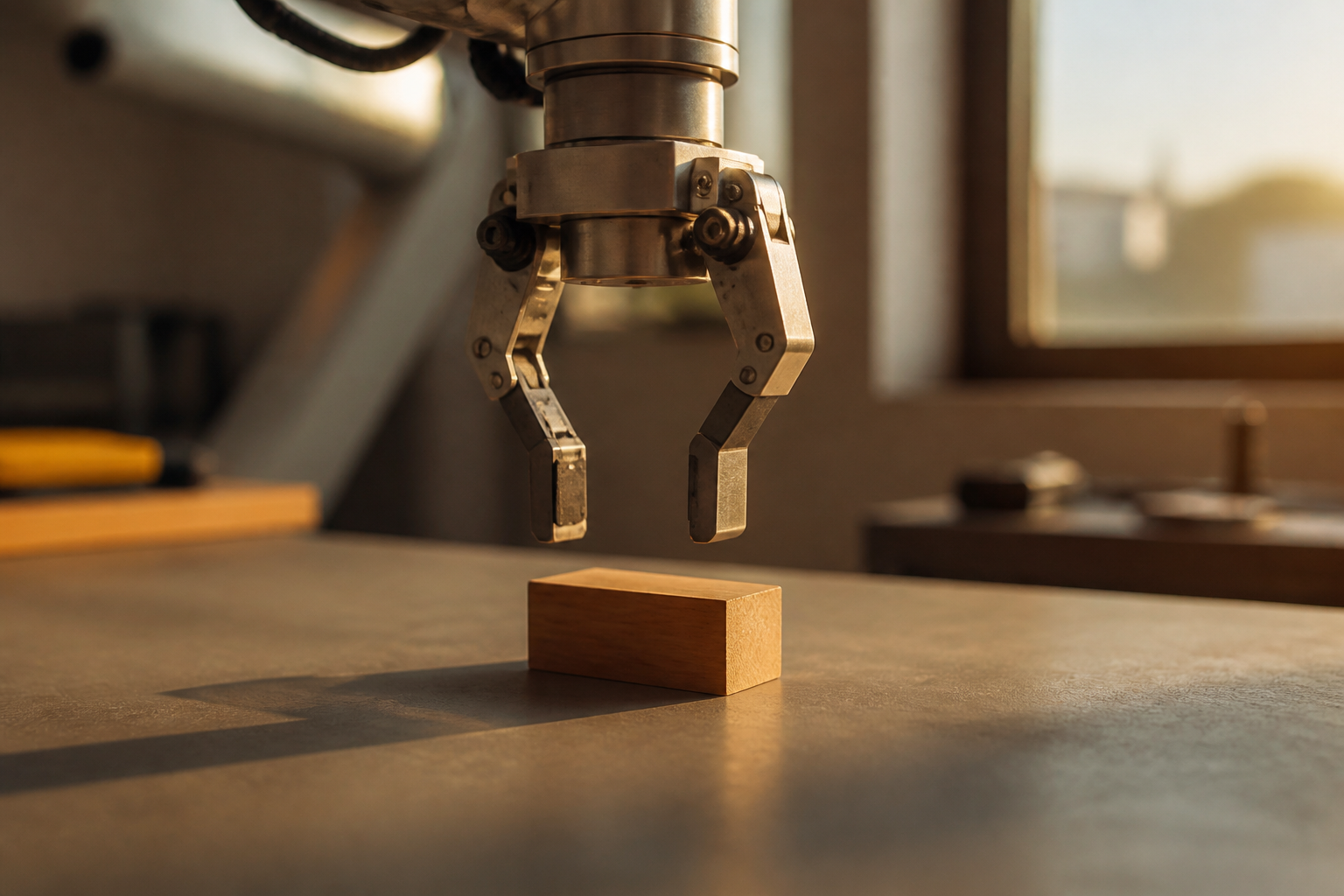
Demonstration-based robotic system learns physical tasks from brief video clips
Generalist introduced an AI robot model named GEN-1.5 that can replicate physical movements after observing a short three-to-twelve-second demonstration video. The system processes the sample visual data in real time to attempt new physical actions without undergoing full model retraining.
 There's An AI For That·Aug 14
Google adds setting to hide visible watermarks on AI content
Users of Gemini can now remove visual indicators from generated media through a simple configuration toggle. Embedded metadata and non-visible tracing technologies will remain active in output files to confirm their origin.
 Google Cloud Startups Newsletter·Aug 14
Google Unveils Gemini Robotics ER 2 for Advanced Robotic Coordination
Google's new system improves physical automation by giving machines enhanced spatial awareness and video recognition capabilities. The technology allows multiple automated units to work together seamlessly on complex real-world tasks.


