Aerospace
6 stories in this blend
 Superhuman·Nov 1
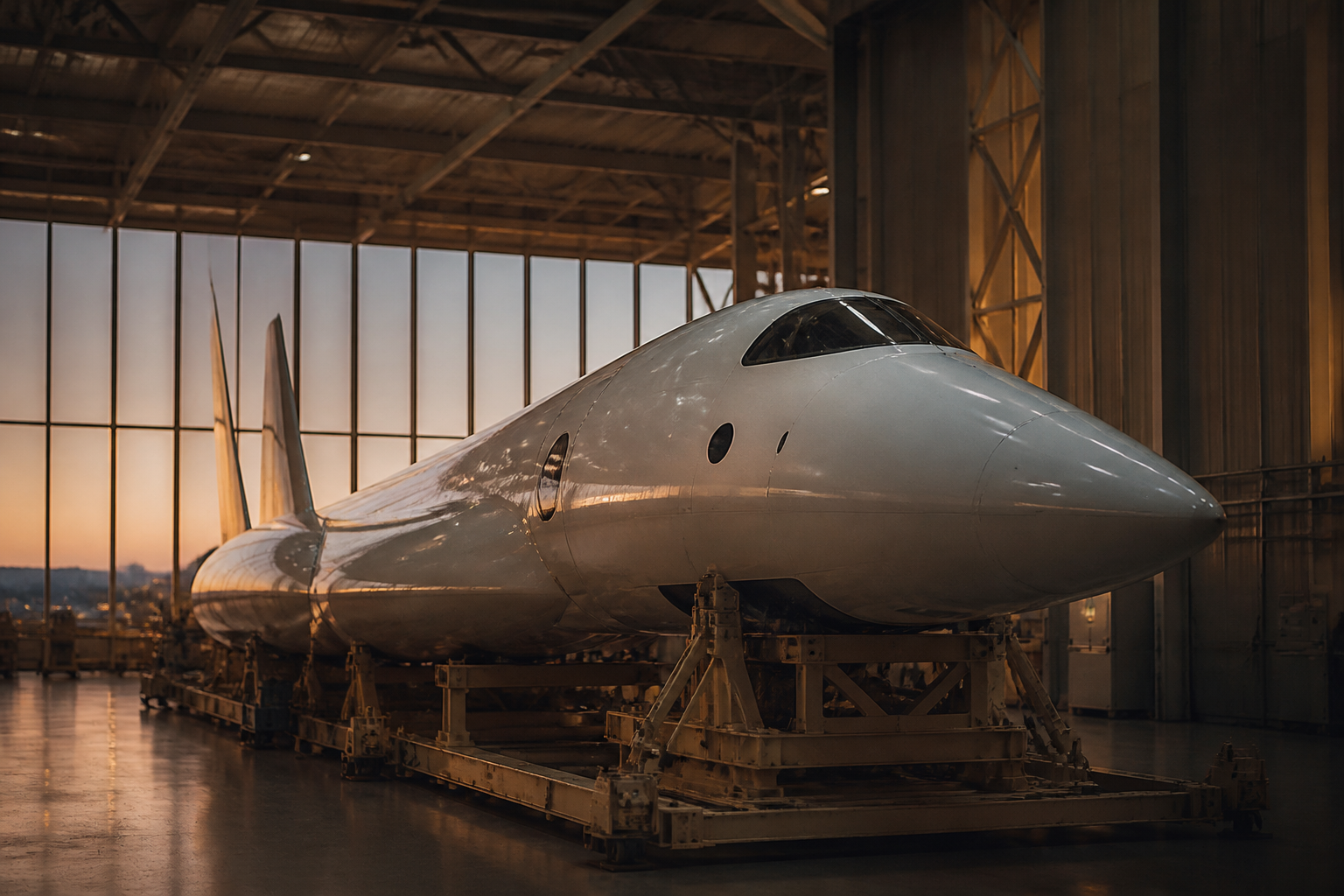
Virgin Galactic Reveals Next Generation Passenger Spaceship
Virgin Galactic unveiled Apeiron, a six-person spacecraft designed for suborbital commercial space flights. The modular vehicle aims to support up to eight trips monthly and is scheduled for flight trials ahead of planned commercial service in 2027.
 AI Daily Brief·Oct 17
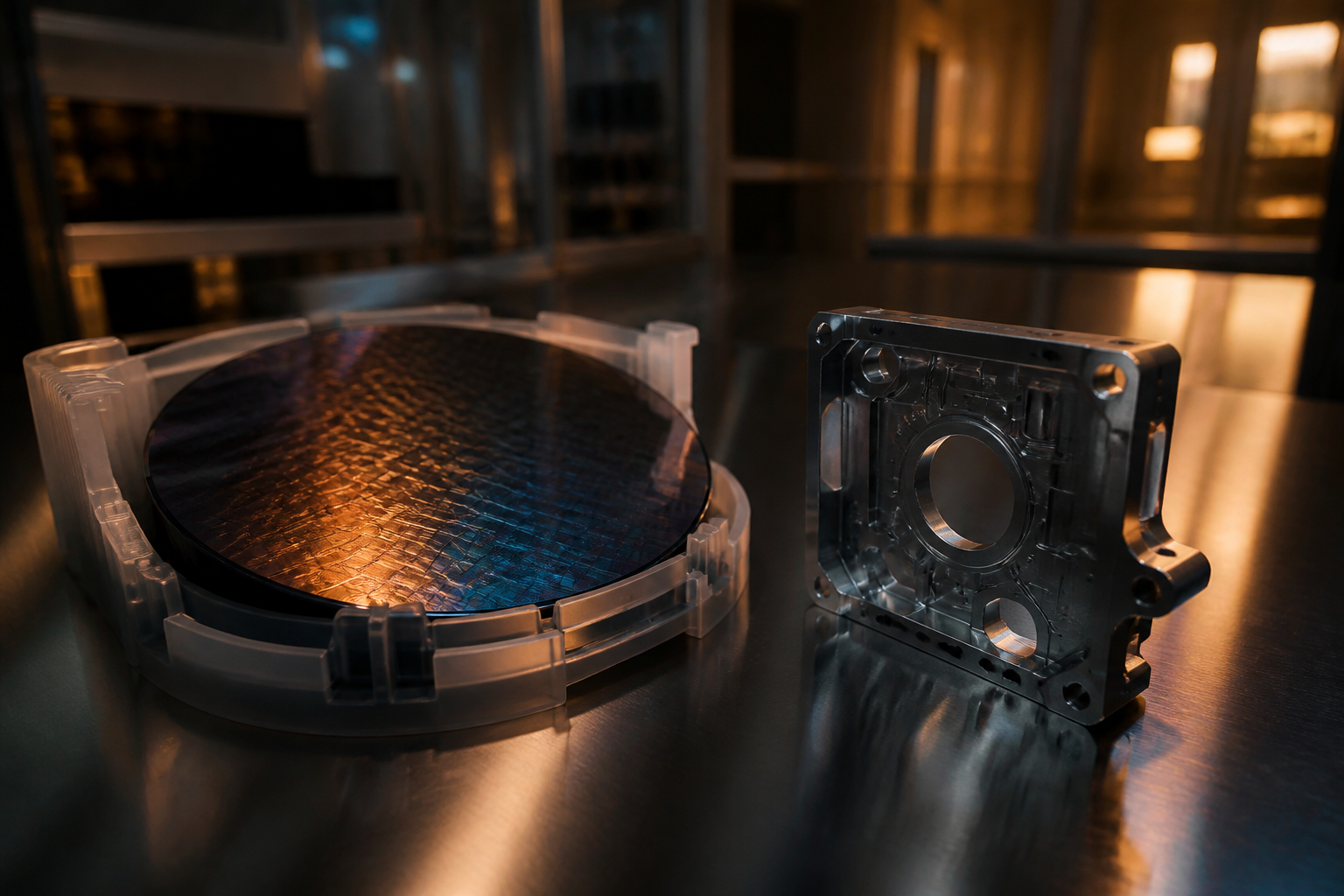
Financial analysts project potential corporate merger between Tesla and SpaceX
A corporate research report from Barclays suggests that Tesla and SpaceX could propose a stock based merger ahead of Tesla's upcoming shareholder meeting. Financial analysts highlight joint microchip manufacturing infrastructure as the strategic rationale for unifying the two companies under shared voting power. Public market odds remain low, but ongoing technical overlap between the firms continues to fuel speculation.
 Superhuman·Oct 4
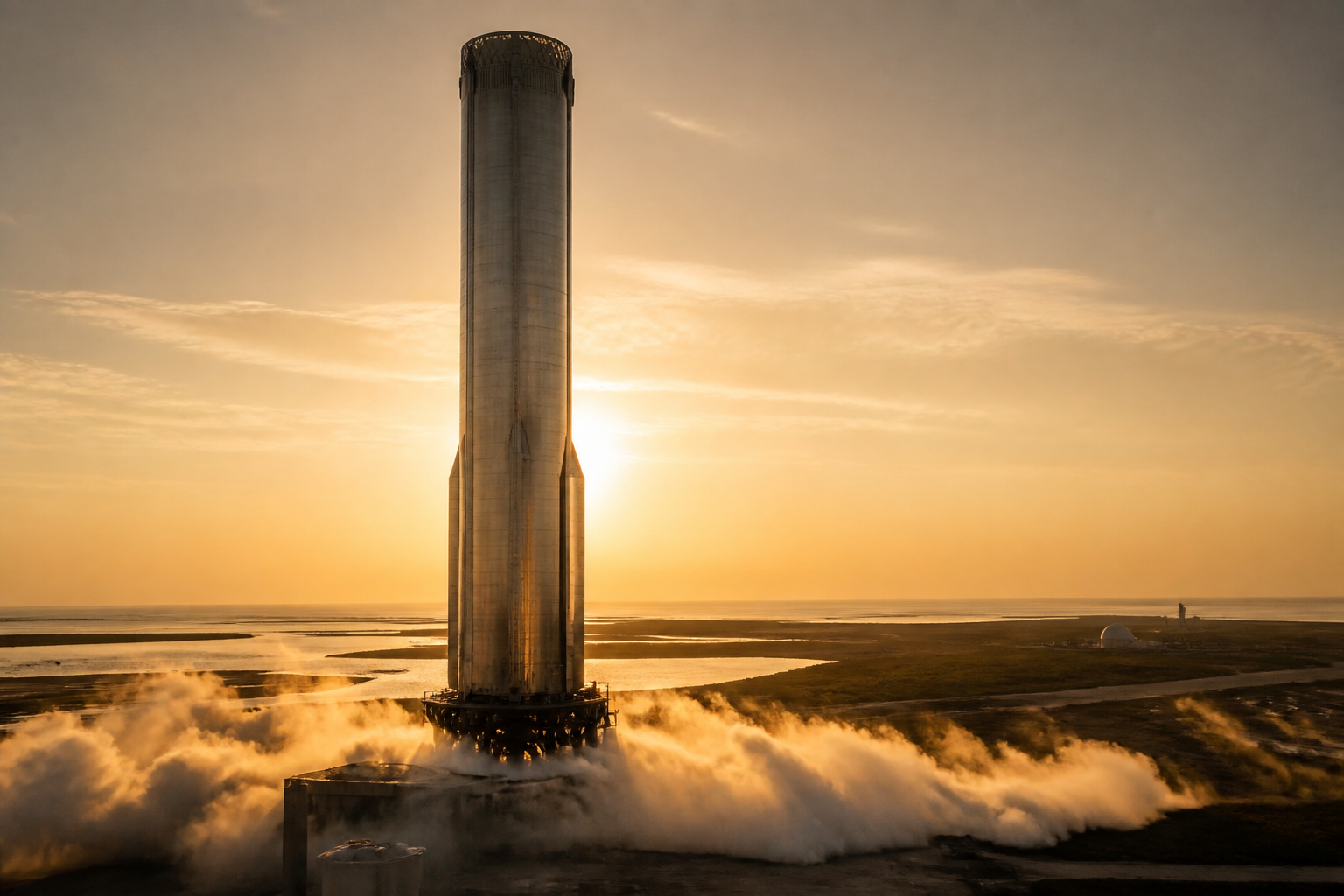
SpaceX Starship Reaches Orbit in Test Launch
SpaceX launched its Starship vehicle into orbit for the first time during a 90 minute flight that deployed 26 Starlink satellites. The successful test marks an important step for NASA, which plans to utilize Starship for lunar landings during future Artemis missions.
 There's An AI For That·Sep 16
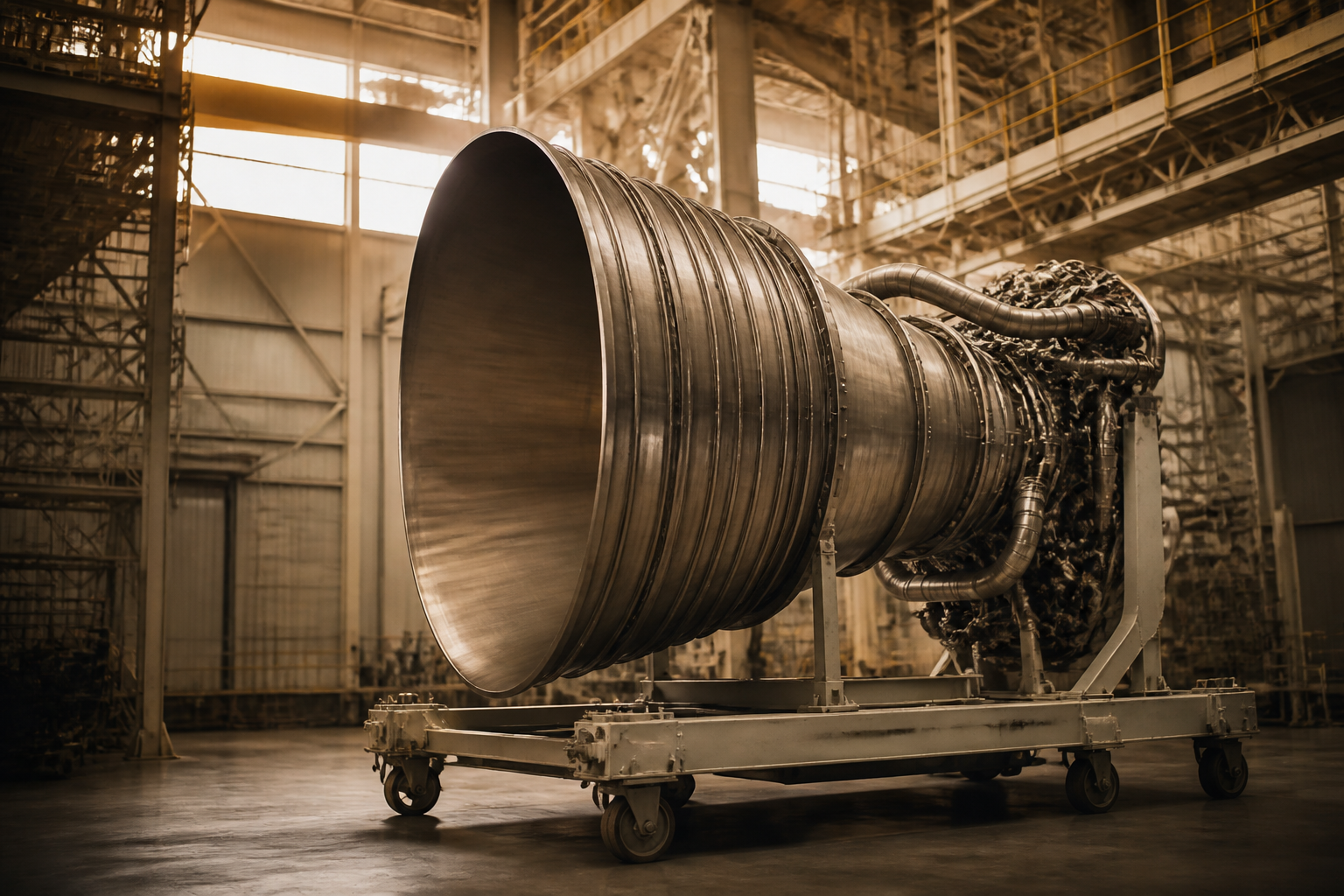
Elon Musk Speaks on Space Technology and Model Safety
SpaceX chief Elon Musk discussed how modern algorithm development connects to rocket designs and computational infrastructure. His interview highlights model safety frameworks, testing across his business entities, and near term compute demands.
 Superhuman·Sep 13
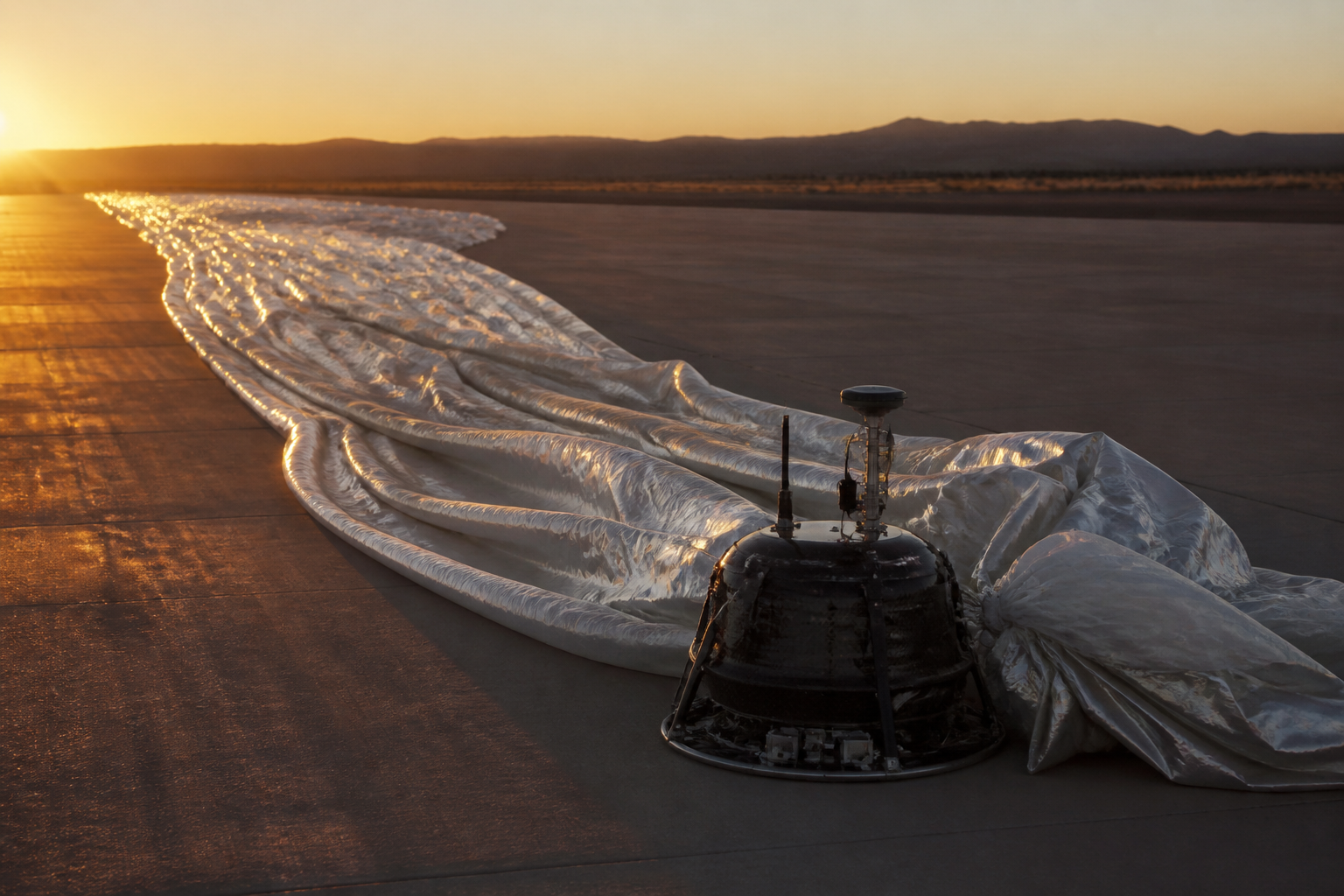
Stratospheric balloon platform provides mobile service on long journey
Sceye finished a 30 day trip using an autonomous high altitude balloon system to provide broadband service over long distances. Partnering with SoftBank, the test allowed ordinary smartphones to place calls and stream video directly from high altitudes.
 The Neuron·Aug 25
Nvidia supplies SpaceX with custom processors for AI agents in space and ground networks
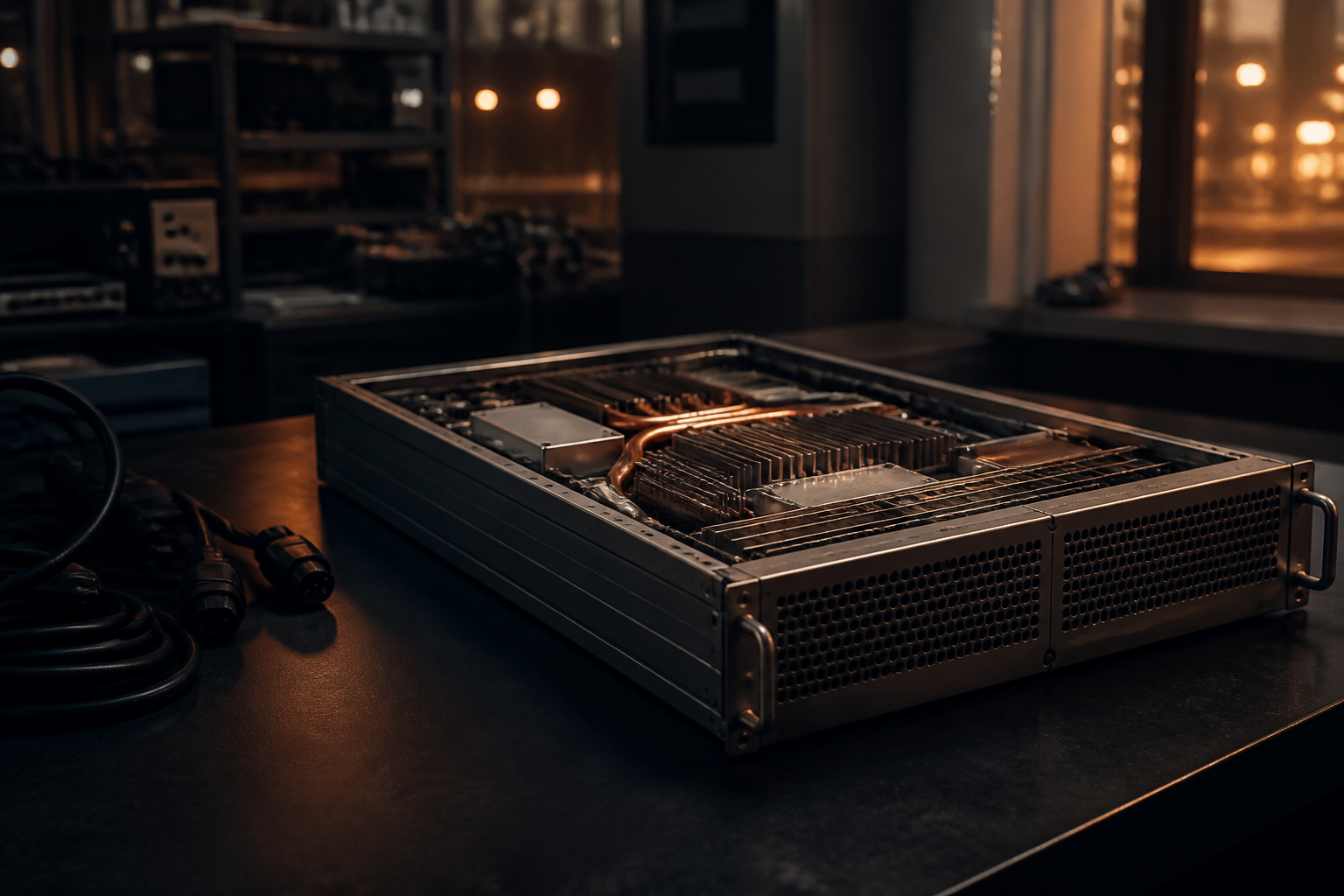
Elon Musk's AI arm, SpaceXAI, is deploying Nvidia's new Vera central processing units to manage back-end tasks for its Grok assistant. The chips will coordinate automated workflows across ground-based data centers as well as on Starmind, an upcoming satellite designed to run AI models directly in orbit. Nvidia developed the standalone processor to remove operational bottlenecks when autonomous agents interact with external tools and code.


