AI Hardware
9 stories in this blend
 AI Daily Brief·2d ago
Tech Titans Seek Multi Billion Dollar Loans to Acquire AI Hardware
Major technology enterprises including Oracle, Broadcom, and SpaceX are pursuing massive private debt funding packages to purchase Nvidia processing units and custom chips. The borrowing efforts reflect the immense capital requirements currently needed to expand artificial intelligence infrastructure.
 Superhuman·5d ago
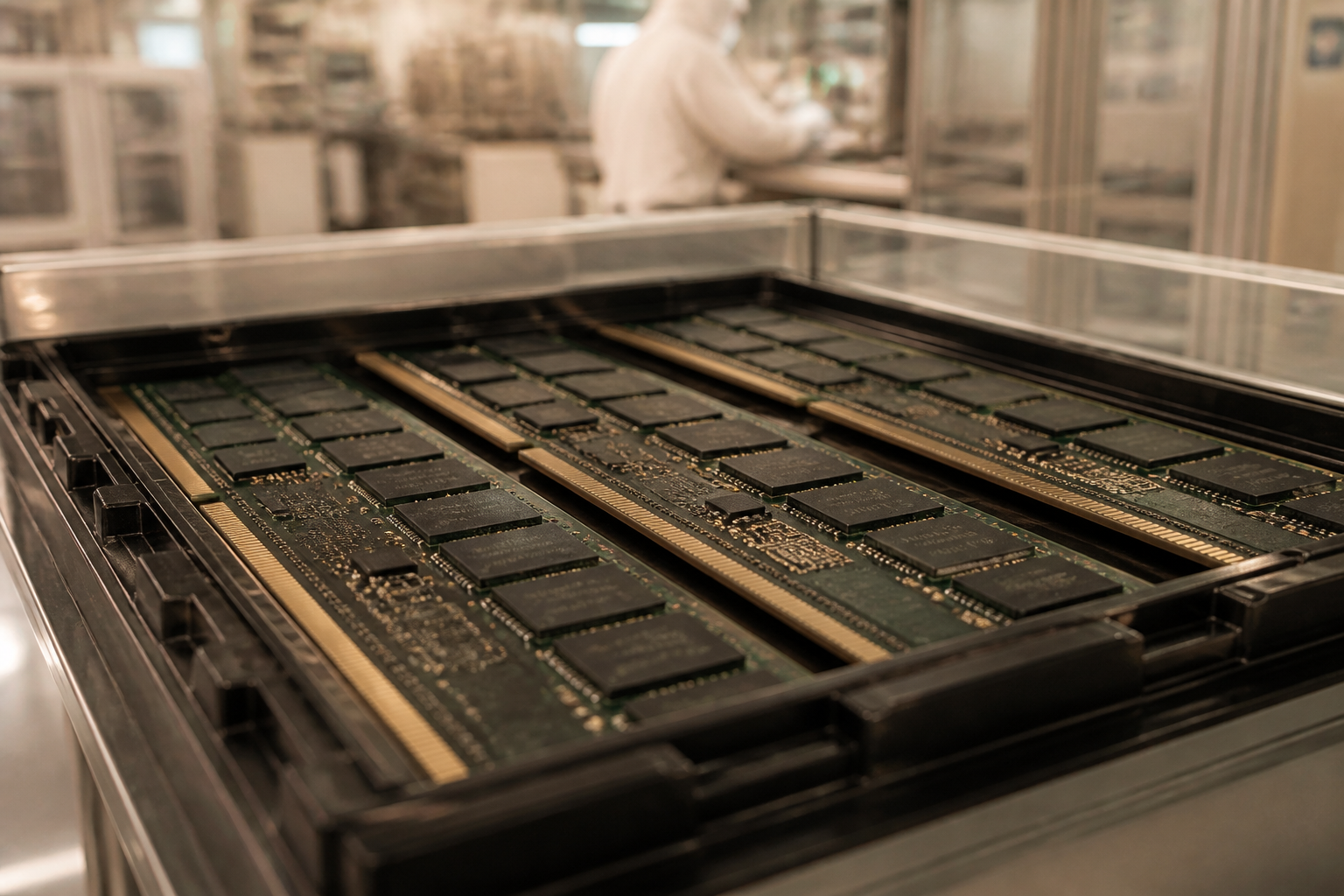
Micron Achieves Record Revenue Driven by Enterprise AI Memory Demand
Semiconductor manufacturer Micron reported quarterly revenue reaching $54 billion, marking an increase of almost 380 percent from the prior year. The company halted retail consumer RAM sales earlier this year to focus entirely on meeting enterprise server demand, which executive leadership expects will remain constrained through 2028.
 Superhuman·6d ago
Muse Charm Standalone Voice Device
Muse Charm is a compact hardware gadget that lets users speak with Meta's virtual assistant directly without using a smartphone. It suits people who want instant hands free access to interactive voice features throughout the day.
 The Neuron·Oct 1
OpenAI and Synopsys Partner to Build Custom Model for Microchip Architecture
Synopsys signed a revenue-sharing agreement with OpenAI to produce an AI model called GPT-Synopsys tailored for microchip creation. The system aims to assist semiconductor engineers in automating and accelerating chip design tasks.
 Superhuman – Zain Kahn·Sep 3
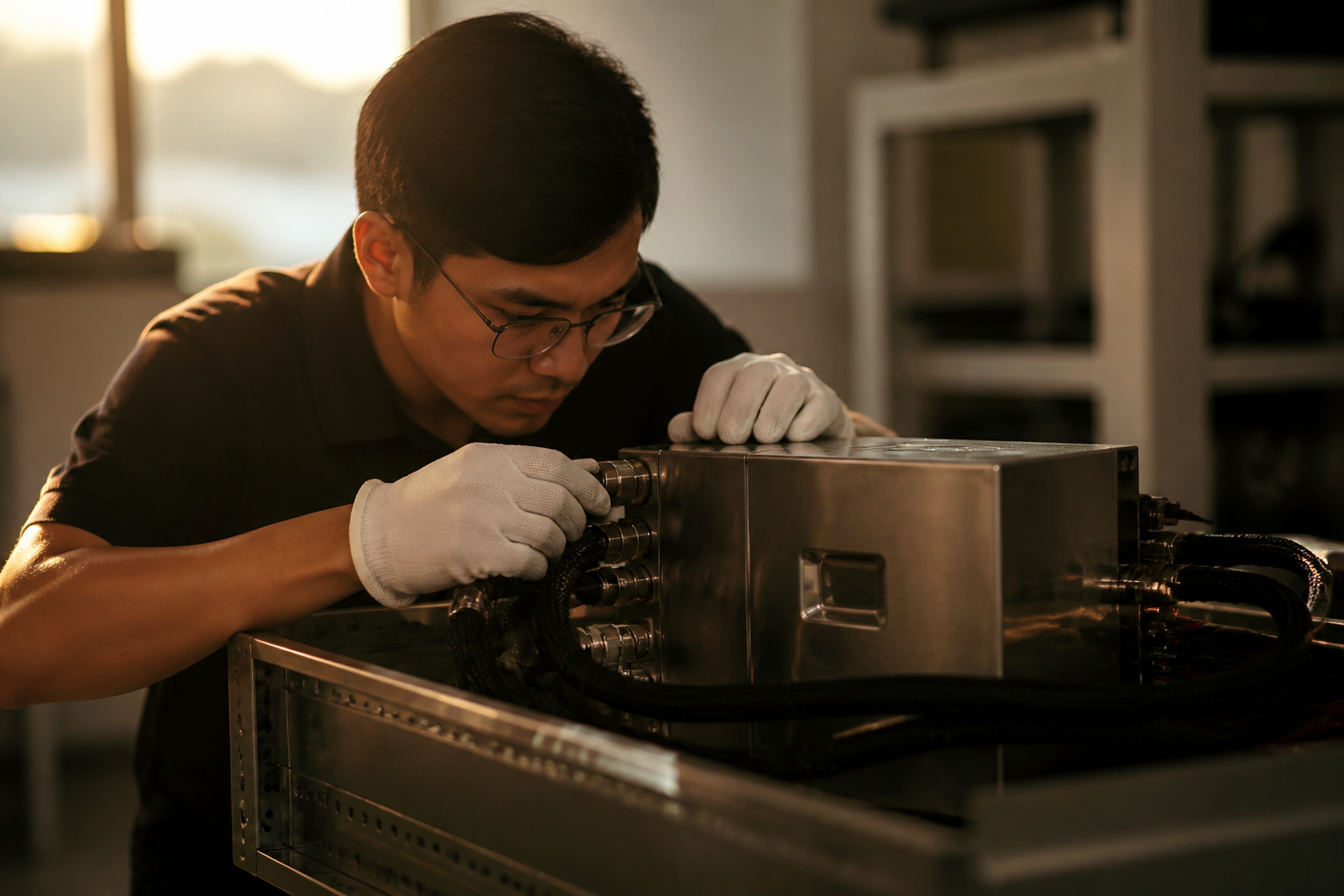
Competition intensifies against Nvidia in the AI accelerator sector
Major tech companies, specialized startups, and international competitors are accelerating efforts to challenge Nvidia's dominance in hardware processing. Emerging chip builders argue that specialized designs can lower energy demands and operating costs compared to general purpose graphics processors.
 The Neuron·Aug 23
Cerebras Introduces CS-4 Server System for AI Inference
Hardware manufacturer Cerebras unveiled its CS-4 system designed specifically for high-speed model execution. The company claims the rack-scale architecture provides substantial speedups compared to traditional graphics processors.
 The Neuron·Aug 21
Nvidia signs $6 billion licensing agreement with AI startup Poolside
Nvidia has reached a non-exclusive deal worth $6 billion to license software from the AI coding company Poolside, while making a separate $1 billion investment. Under the arrangement, Nvidia will hire over 100 Poolside employees to support its internal projects, though the startup's leadership remains independent.
 AI Daily Brief·Aug 15
OpenAI releases ultra-high-speed mode for GPT-5.6 Sol model
OpenAI introduced an API setting called Ultrafast for GPT-5.6 Sol, achieving generation speeds of 750 tokens per second on hardware built by Cerebras. The speed enhancement focuses on applications where low response delay is essential, such as real-time audio and customer service.
 AI Buzz!·Aug 14
Running high-end artificial intelligence hardware can trigger millions in annual utility expenses
Data from market research firm Liftr Insights shows that operating a setup of 2,000 Nvidia graphics processing units carries immense ongoing electricity bills. In Dallas, running 1,000 H100 and 1,000 A100 chips costs about $2 million in power annually, compared to $2.1 million in Houston and $1.6 million in Austin. Despite high operational costs, major cloud providers continue to expand their use of these processors.


