AI Engineering
5 stories in this blend
 There's An AI For That·2d ago
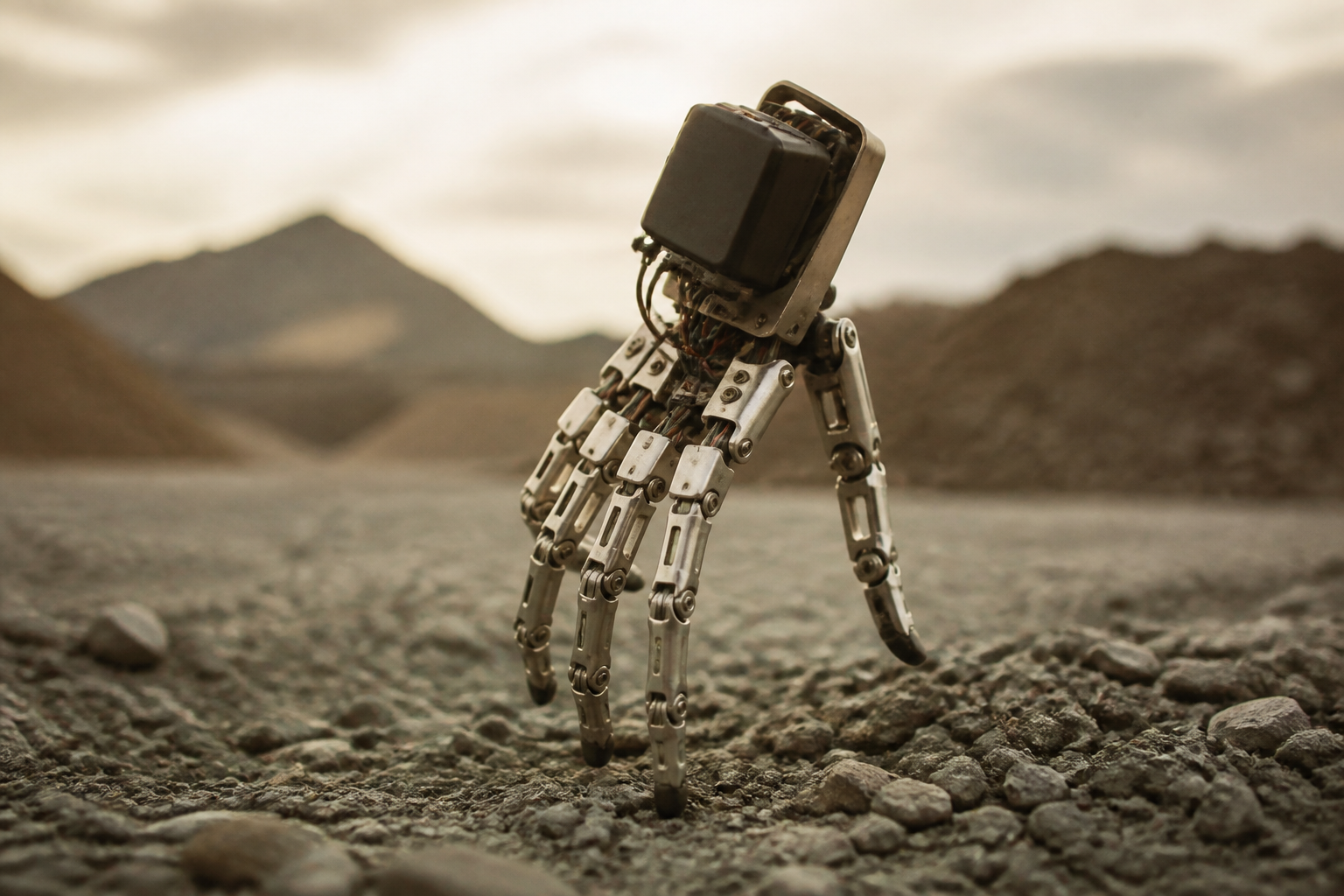
Researchers create autonomous walking robotic hand
Engineers have modified a standard robotic hand with a battery pack and computer to allow independent locomotion on its fingertips. Trained using simulation models, the hand can traverse various terrain types such as grass and gravel without attached arms. The system can also flip itself over when upside down while retaining its full grasping functions.
 The Neuron·Sep 28
How to evaluate AI model setups by testing software harnesses
Learn how changing surrounding software frameworks alters model performance and cost efficiency. Testing harness adjustments gives a clear picture of real world capability compared to plain model benchmarks.
 Superhuman·Sep 7
Establish a minimum intelligence floor for your AI application to ensure reliable model routing
Setting a performance floor helps developers guarantee that fallback models maintain a specific quality threshold without overpaying for frontier models. By routing traffic through an intelligence floor, software applications maintain steady output quality across varying query complexities.
 Superintelligence·Aug 30
How to minimize model mistakes using evaluation driven development and system reminders
Learn how to build a robust quality pipeline for conversational AI applications by pairing automated friction tracking with context reminders. This workflow helps teams catch user confusion, write targeted test cases, and keep AI responses accurate.
 There's An AI For That·Aug 14
OpenAI releases practical guide for developers building with newer models
A new technical resource from OpenAI outlines strategies for reducing computational expenses when integrating advanced models into software applications. The guide highlights methods for giving smaller models additional processing time to improve efficiency.
