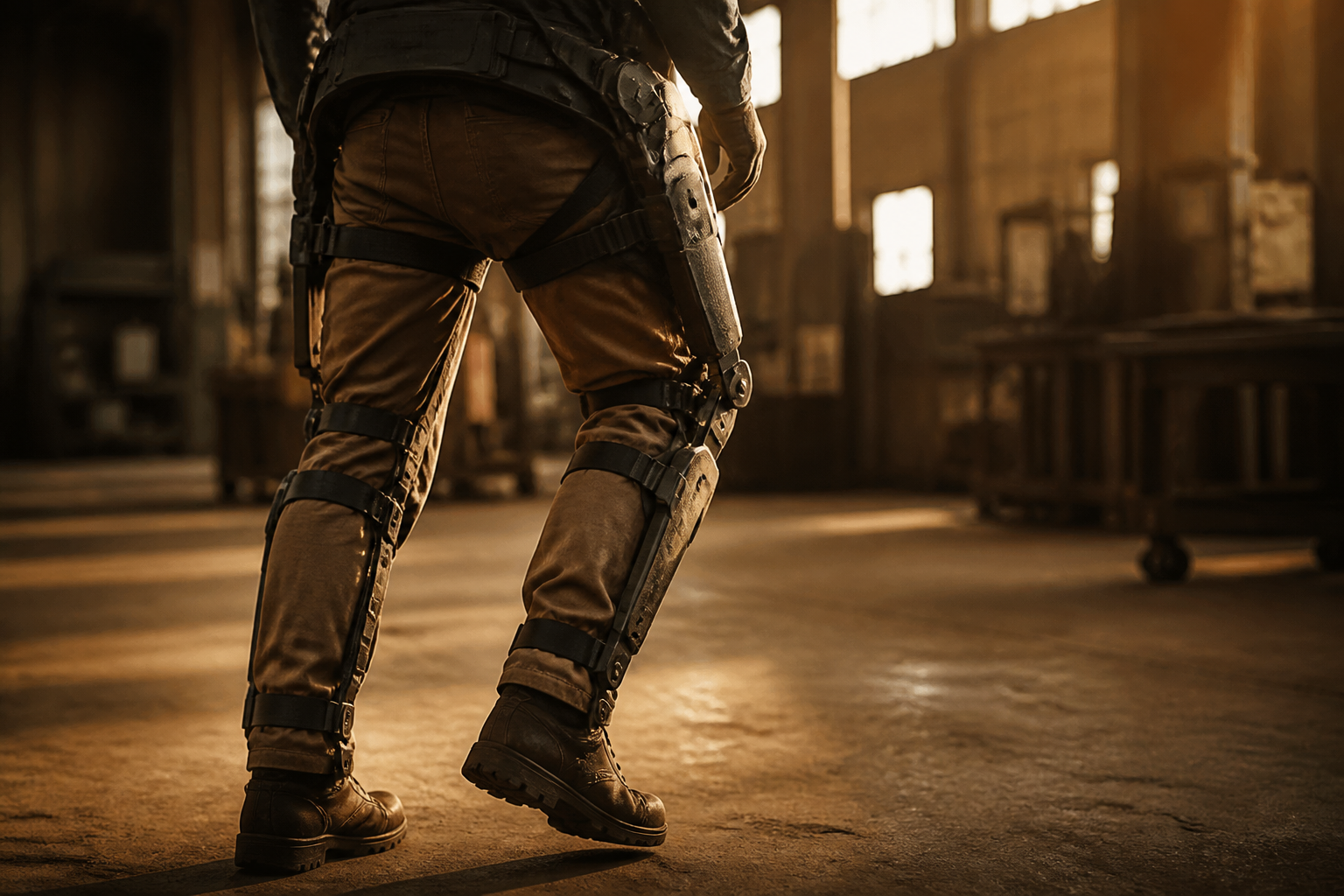
Wearable Robotics Expand Into Industrial and Rescue Workplace Testing
Industrial facilities, emergency services, and military units are increasingly testing powered exoskeletons to prevent injuries. Lower production costs are helping move these wearable systems from research labs into everyday physical labor.
The Blend
Wearable robotic suits are moving from research facilities directly into physically demanding workplaces. Organizations like Seattle Mountain Rescue are evaluating motorized hip and leg frames to help search teams hike through rough terrain with greater endurance. Meanwhile, logistics leaders such as IKEA and several global car manufacturers have integrated upper body gear to support warehouse and factory staff during repetitive lifting tasks.
Falling manufacturing costs for small motors and intelligent sensors are driving this shift toward widespread field tests. Military units are also trying the technology. Ukrainian military officials told the publication Ukrainska Pravda that troops using waist-mounted gear were able to transport heavy artillery shells faster while suffering less physical fatigue. As these frames incorporate algorithms that adapt to individual walking patterns, they are becoming practical tools rather than novelty hardware.
While early trial results look promising for injury prevention, it remains unclear how continuous daily reliance on motorized assistance will affect human muscle health over extended periods. Industry analysts will also be watching to see if the reduction in workplace injury claims offsets the long-term maintenance costs of outfitting large workforces with wearable hardware.
Written independently by AI News Smoothie from the reporting listed below. Facts belong to the original publishers. Follow the links for their full coverage.
Ingredients
- The dawn of the age of the exoskeleton
Cheaper robotic motors and sensors are enabling companies, search teams, and military units to deploy wearable frames to reduce physical strain.