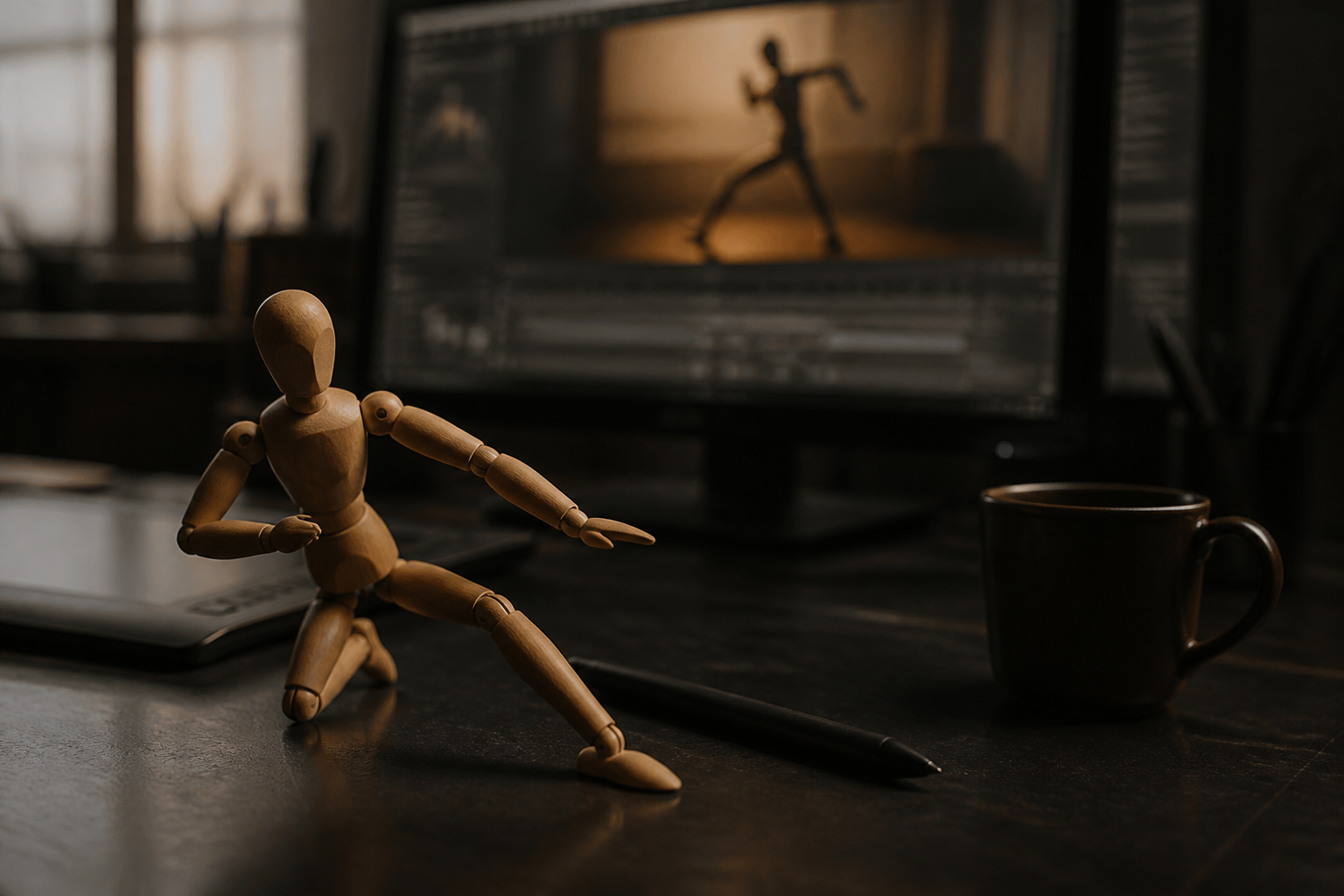

Viggle JST-2
Viggle JST-2 converts text prompts, still photos, or video inputs into interactive 3D environments and physics-based character animations. It helps animators and game creators quickly simulate realistic movement.
The Blend
AI software developer Viggle has announced JST-2, a new model designed to generate interactive 3D environments and moving characters from simple prompts, photos, or existing video clips. Unlike traditional artificial intelligence tools that generate flat video frames frame by frame, Viggle reported that JST-2 maps out digital matter in persistent three dimensional space. This structural approach allows virtual objects to maintain their shape and location even when the viewer shifts perspectives.
For digital creators and video game studios, this shift could drastically reduce the time needed to build virtual environments. Viggle claims the model can create a complete digital room in roughly one second for under a penny in computing expenses, bypassing the lengthy technical optimization usually required to generate 3D assets.
What remains unclear is whether JST-2 can offer the fine control and precise lighting that high end commercial productions require. Fast environment generation is useful for casual creators, but professional designers need complete control over every element in a scene. This leads to a broader open question of whether automated world generators will genuinely reshape mainstream game development, or if they will remain useful mainly for rapid prototyping.
Written independently by AI News Smoothie from the reporting listed below. Facts belong to the original publishers. Follow the links for their full coverage.
Ingredients
- Introducing Viggle JST-2
Viggle introduced JST-2 to rapidly build interactive 3D scenes and animated characters by representing objects directly in 3D space rather than flat video pixels.