
Tesla faces software limitations in scaling Optimus robot deployments
Reports indicate Tesla is producing high volumes of Optimus humanoid units each week, though real world deployment remains restricted. Software generalization obstacles continue to prevent the units from moving out of controlled testing into general factory work.
The Blend
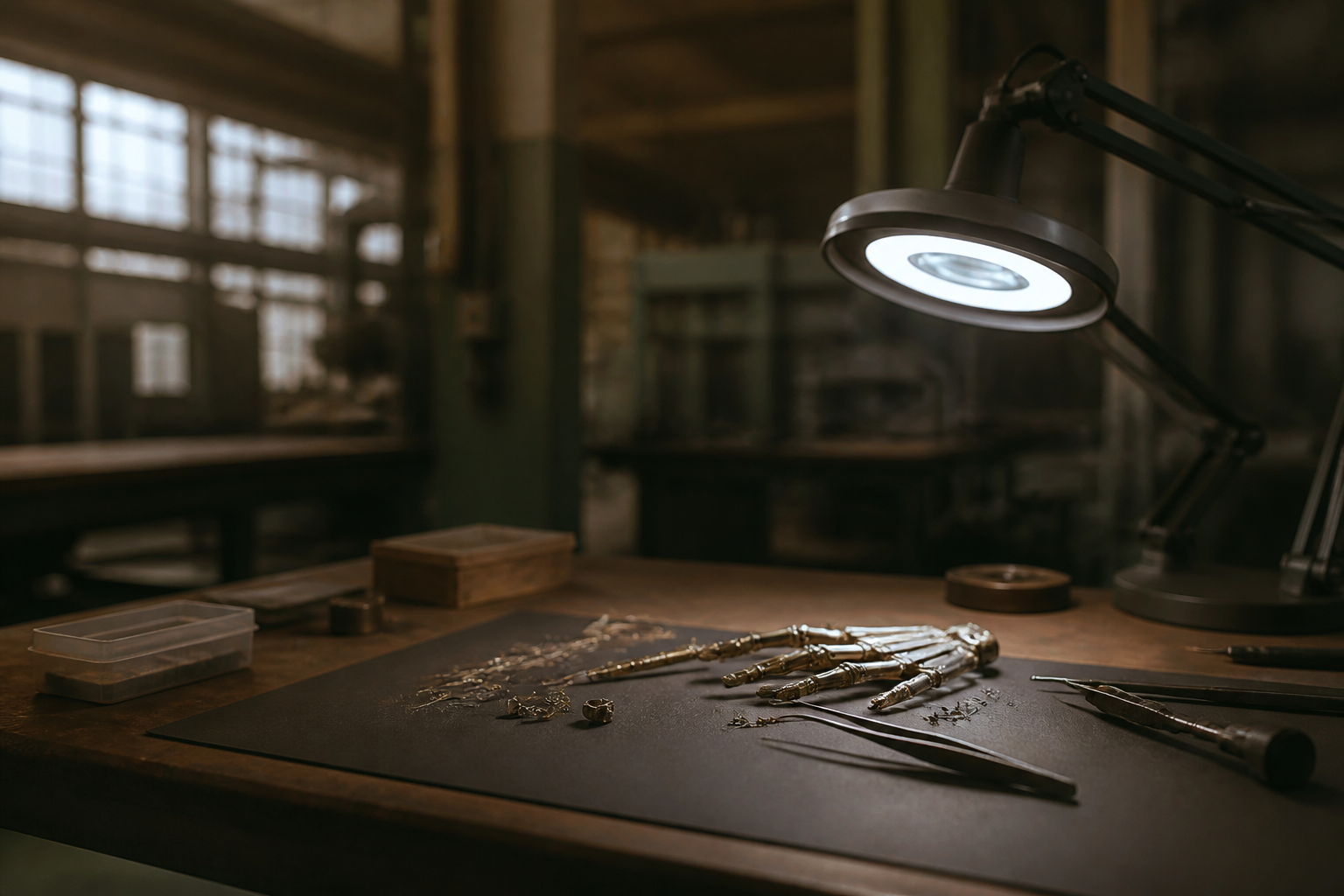
Electrek reports that Tesla has expanded its Optimus robot assembly to several hundred units each week at its Fremont facility. The carmaker repurposed factory space previously reserved for older vehicle models to build the humanoids. However, the machines remain confined to tightly controlled internal testing zones rather than performing routine industrial work.
The primary obstacle is software. According to reporting from The Information cited by Electrek, the artificial intelligence powering the robots struggles to adapt to unfamiliar tasks, often taking days to master basic physical movements. Manufacturing delicate components like hands also presents physical hurdles, as workers must manually assemble tiny joints that frequently fail quality checks.
To address the intelligence bottleneck, Tesla is reassigning staff from its self-driving teams and using suit-wearing data collectors to gather training footage. The company intends to lease early models to business partners with simple factory layouts, mirroring its driver-assist strategy by collecting real-world field data to improve the software over time.
While specialized industrial arms excel at predictable, repetitive tasks, humanoids must adapt instantly to varied environments to justify their high production costs. It remains an open question whether software updates alone can turn a fragile, slowly trained prototype into a practical substitute for human labor.
Written independently by AI News Smoothie from the reporting listed below. Facts belong to the original publishers. Follow the links for their full coverage.
Ingredients
- Tesla ramps Optimus to hundreds a week, but the robots can't generalize | Electrek
Electrek reported that while Tesla is assembling hundreds of Optimus robots weekly, software limitations and fragile hardware prevent them from completing basic workplace tasks autonomously.