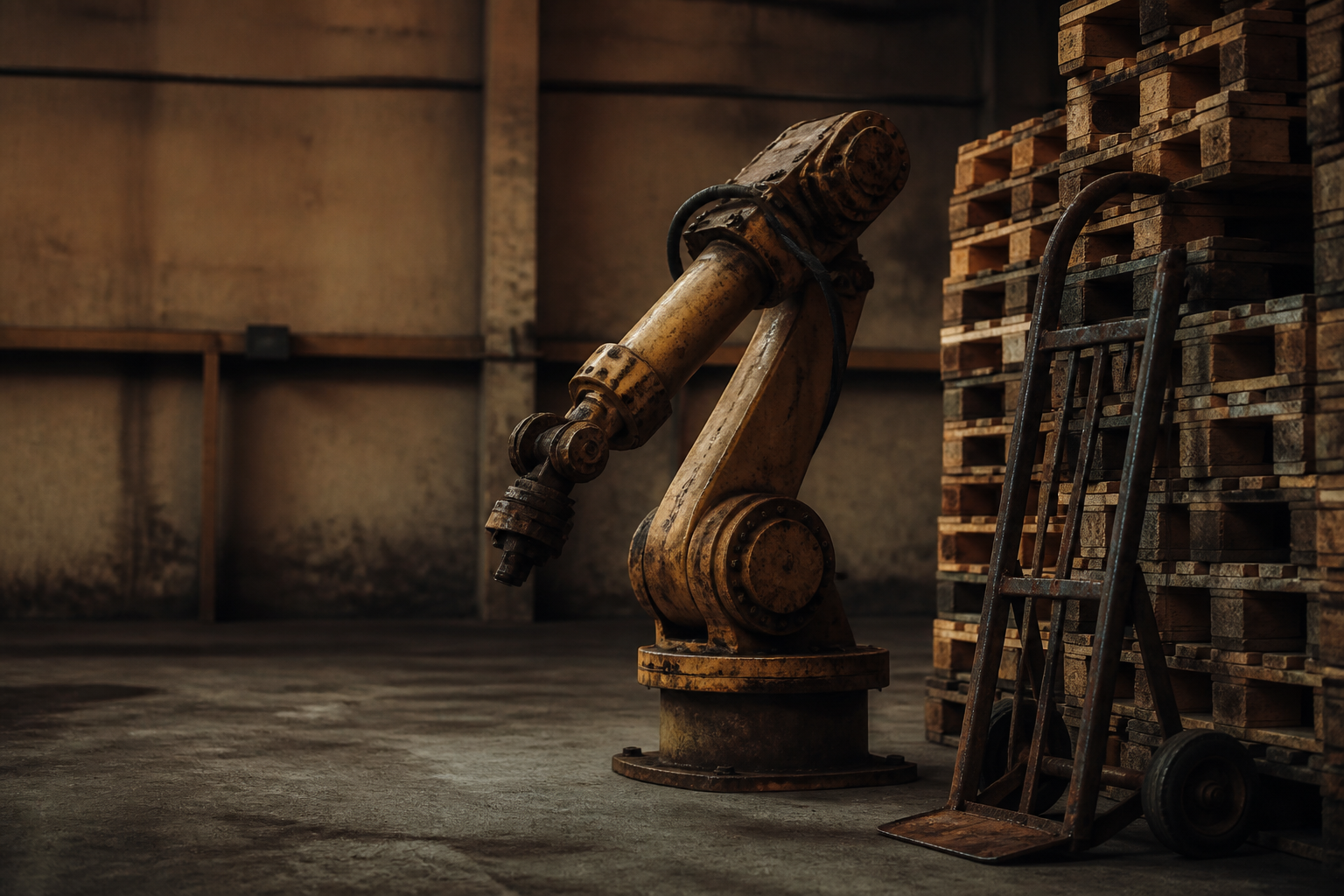

Study highlights high costs slowing down workplace robot adoption
A research report by Anthropic indicates that modern robots possess technical capabilities to handle roughly a third of American working hours. Despite these abilities, operating costs make machinery less expensive than human labor for under one percent of those tasks.
The Blend
A new study by Anthropic reveals that while automated machines can technically perform about a third of all US working hours, business adoption remains exceptionally low. Researchers found that current hardware is economically viable for less than one percent of job tasks due to the steep costs of buying and operating physical machinery.
According to the findings, automation is progressing fastest in predictable environments like warehouses and transit routes. Conversely, jobs requiring adaptability, fine motor skills, or human empathy, such as nursing and general maintenance, are largely shielded from automation. The study calculates that if past pricing trends continue, it will take roughly four decades before robots become cheaper than human labor for ten percent of work tasks.
For everyday employees, these figures indicate that physical workplace automation will unfold over decades rather than overnight. However, economic forecasts based on historical hardware costs may not account for recent software leaps. A major open question is whether modern artificial intelligence could dramatically lower the cost of programming physical machines, breaking past pricing patterns and speeding up deployment faster than anticipated.
Written independently by AI News Smoothie from the reporting listed below. Facts belong to the original publishers. Follow the links for their full coverage.
Ingredients
- Can we predict the jobs robots will do? \ Anthropic
Anthropic research indicates that despite robots being capable of performing a third of working hours, high costs make them economically viable for less than one percent of workplace tasks today.