Stanford teaches robotic arms tasks at standard human speeds
Researchers at Stanford University trained robotic arms by physically moving them through tasks at a normal human pace. Demonstrating each chore fifty times allowed the robot to complete actions such as folding clothes and bussing dishes at near-human velocity with an eighty percent success rate.
The Blend
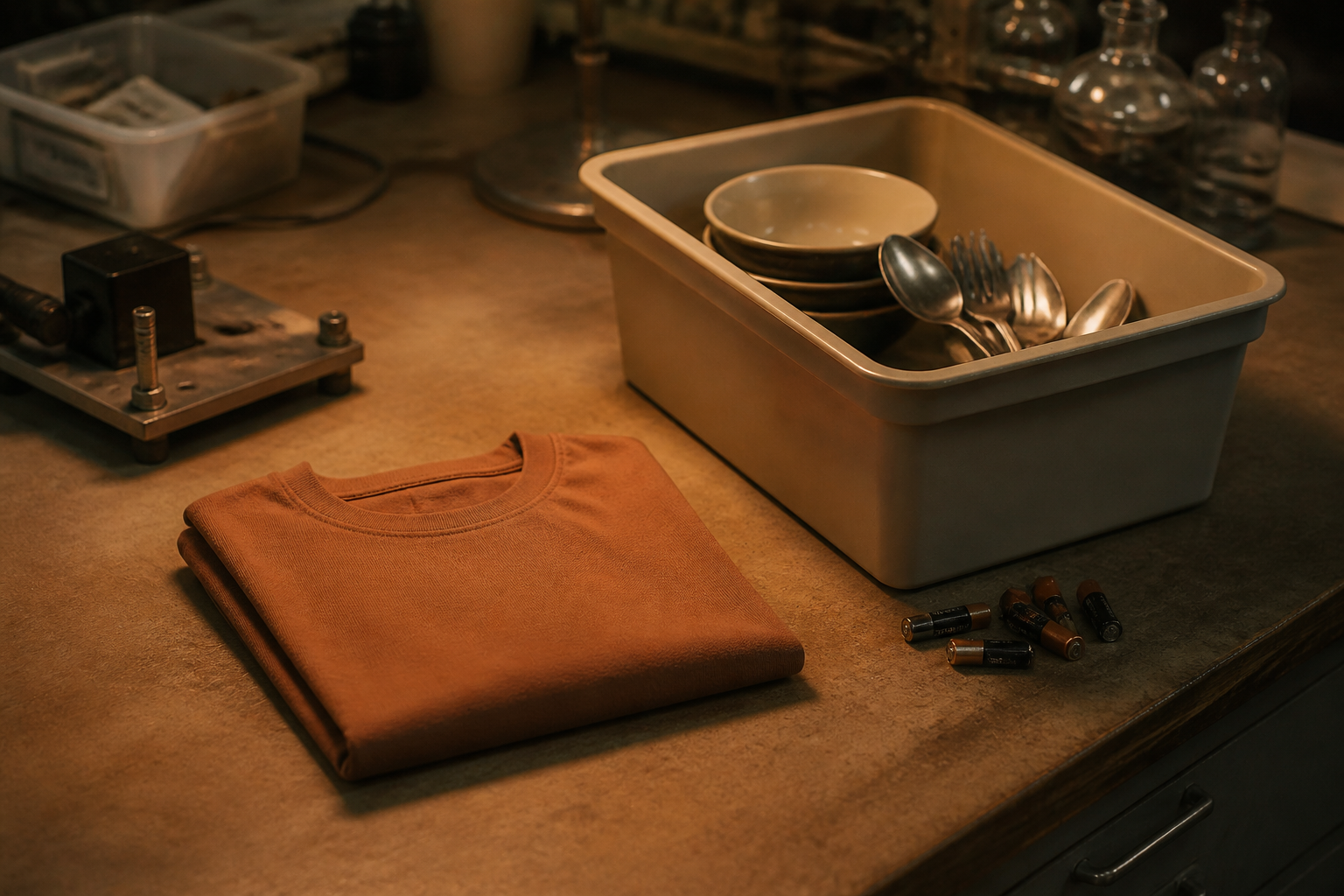
Robots designed to handle household objects usually move at an agonizingly sluggish pace. Researchers at Stanford University have introduced a system called Flash ALOHA that attempts to close this gap, enabling mechanical limbs to work at standard human speeds. By physically steering the robot through a chore roughly fifty times, the team trained it to bus dishes, fold garments, and insert batteries at a natural clip, succeeding on more than eighty percent of attempts.
For everyday consumers, this development tackles one of the biggest hurdles standing between automated helpers and practical utility. Most robotic platforms are too slow and tentative to be helpful in a busy kitchen or workspace. The Stanford team demonstrated that directly recording rapid, physical movements, while using software filters to clean up motion errors and remove the human handler from camera footage, allows machines to pick up dexterous habits without requiring tens of thousands of practice runs.
Even so, an eighty percent reliability rate highlights how much work remains before these arms can be trusted in an actual living room. Failing once out of every five times could result in broken glassware or damaged electronics, particularly when the arms move with rapid momentum. A key unresolved question is whether this physical teaching method can adapt to chaotic domestic environments, or if the robots will falter whenever an everyday object is slightly out of its expected position.
Written independently by AI News Smoothie from the reporting listed below. Facts belong to the original publishers. Follow the links for their full coverage.
Ingredients
- Flash ALOHA: Learning Fast and Precise Manipulation
Stanford researchers demonstrated that physically guiding robotic arms through tasks allows them to perform chores at near-human speeds with an eighty percent success rate.