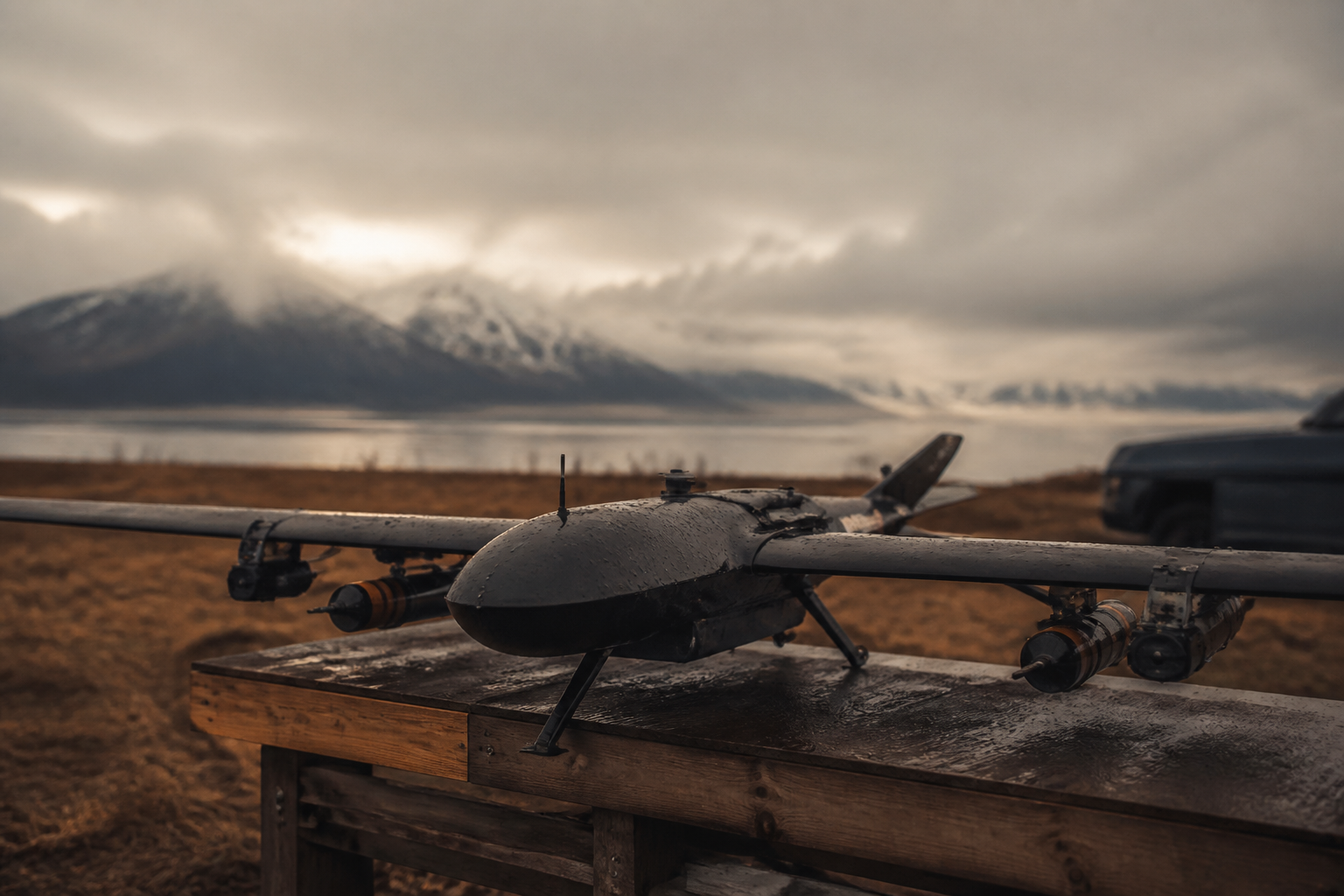

Rainmaker uses cloud seeding drones to trigger precipitation
Tech startup Rainmaker conducted tests in Alaska by flying automated drones into clouds to disperse silver iodide. Computer modeling from the flight estimated that the seeding created roughly 19 million gallons of rain over a three hour period.
The Blend
Tech startup Rainmaker reported using automated drones to inject silver iodide into clouds over Alaska's Kenai Peninsula. According to the company's research, seven drone flights over a three hour window successfully triggered extra rainfall by releasing chemical agents into cold cloud layers.
Traditional cloud seeding usually relies on piloted aircraft or ground generators to encourage rain, which can be expensive and logistically limited. By using uncrewed drones, operators could target precise atmospheric conditions more safely and cheaply. Radar models run by the company estimated the experiment generated roughly 19 million gallons of additional water, demonstrating how automated flight might help alleviate droughts or replenish reservoirs in the future.
However, verifying the exact impact of cloud seeding remains tricky because natural weather patterns are inherently chaotic and difficult to isolate. While computer estimates suggest a measurable boost in rain, proving how much water came directly from the drones rather than background precipitation will require broader, independent field trials. Furthermore, scaling drone fleets to create meaningful moisture over vast agricultural regions presents complex regulatory and environmental questions that remain unanswered.
Written independently by AI News Smoothie from the reporting listed below. Facts belong to the original publishers. Follow the links for their full coverage.
Ingredients
- Validation Report: Drone-Based, Glaciogenic Cloud Seeding in the Kenai Peninsula | Rainmaker Blog
Rainmaker reported that automated drone flights in Alaska triggered radar signatures estimating nearly 19 million gallons of extra rain.